Is your patio furniture looking tired and worn out? You don’t have to replace it just yet.
Restoring your outdoor furniture can bring back its charm and save you money. Imagine relaxing in a refreshed, beautiful space without the hassle of shopping for new pieces. In this guide, you’ll discover simple, effective steps to breathe new life into your patio furniture.
Keep reading to transform your outdoor area into the inviting spot you deserve.
Assessing Furniture Condition
Before you restore patio furniture, check its current condition. This helps you decide what repairs or cleaning are needed.
Look closely at each piece. Small problems can grow if you ignore them.
Checking For Damage
Start by looking for cracks, chips, or breaks in the furniture. Check if any parts are loose or missing.
Look for rust on metal pieces and worn-out spots on cushions. Check if wood parts are splintered or rotting.
- Cracks or chips in frames
- Loose screws or joints
- Rust or corrosion on metal
- Splintered or rotting wood
- Faded or torn cushions
Identifying Material Types
Knowing the material helps you choose the right cleaning and repair methods. Different materials need different care.
Common patio furniture materials include wood, metal, plastic, and wicker. Each has its own look and feel.
- Wood:Heavy, natural grain, may have knots
- Metal:Cold to touch, may show rust
- Plastic:Lightweight, smooth or textured surface
- Wicker:Woven strands, can be natural or synthetic

Credit: www.youtube.com
Cleaning Techniques
Restoring patio furniture starts with cleaning. Proper cleaning removes dirt and grime.
Using the right cleaning methods protects furniture from damage. Clean regularly for best results.
Using Mild Cleaners
Mild cleaners work well on most patio furniture materials. They remove dirt without harming surfaces.
Use soap mixed with warm water. Avoid harsh chemicals that can cause discoloration or damage.
- Mix dish soap with warm water
- Use a soft cloth or sponge
- Rinse with clean water
- Dry with a towel to avoid water spots
Removing Stains And Mold
Stains and mold can make furniture look old and dirty. Clean them promptly to protect the material.
Use a mixture of vinegar and water or a baking soda paste for tough spots. Scrub gently with a brush.
- Mix equal parts vinegar and water
- Apply solution to stains and mold
- Let sit for 10 minutes
- Scrub with a soft brush
- Rinse thoroughly and dry
Pressure Washing Tips
Pressure washing is good for deep cleaning large furniture pieces. Use it carefully to avoid damage.
Keep the pressure low and hold the nozzle far from the surface. Test on a small area first.
- Set pressure to low or medium
- Hold nozzle 2 to 3 feet away
- Move nozzle in steady motions
- Avoid spraying directly on fabric
- Dry furniture after washing
Repairing Common Issues
Patio furniture can wear down over time. Repairing it can save money and keep it usable.
This guide covers fixing loose joints, replacing broken parts, and treating rust and corrosion.
Fixing Loose Joints
Loose joints make furniture unstable and unsafe. Tighten screws or bolts to fix this problem.
If screws are stripped, use wood glue or add small wooden pieces inside the joint for support.
- Check all screws and bolts
- Tighten or replace damaged fasteners
- Use wood glue for extra strength
- Clamp joints until glue dries
Replacing Broken Parts
Broken parts reduce furniture’s function and appearance. Remove damaged pieces carefully.
Buy matching replacement parts or use similar materials to make new ones yourself.
- Identify the broken piece
- Remove it using proper tools
- Find or craft a replacement part
- Attach new part securely
Addressing Rust And Corrosion
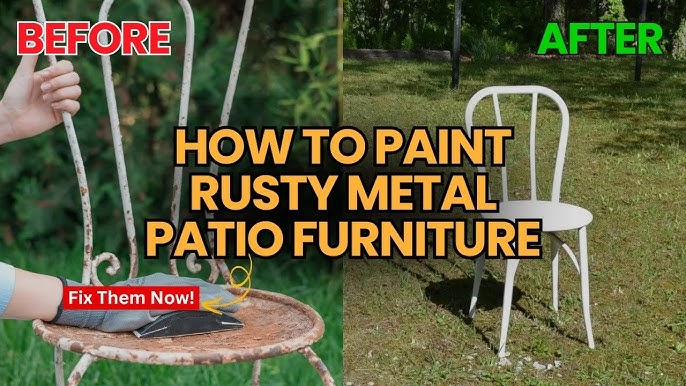
Rust weakens metal furniture and ruins its look. Remove rust before it spreads.
Use sandpaper or a wire brush to clean rust. Then apply rust-resistant paint or coating.
- Wear gloves and safety glasses
- Scrape off rust with a wire brush
- Sand rough areas smooth
- Apply primer and rust-resistant paint
- Let paint dry before use
Credit: www.revivalwoods.com
Sanding And Surface Preparation
Sanding is an important step in restoring patio furniture. It removes old paint, stains, and rough spots.
Proper surface preparation helps new paint or stain stick better and last longer.
Choosing The Right Sandpaper
Select sandpaper with the right grit for your furniture type. Coarse grit removes rough surfaces fast.
Fine grit smooths the surface for painting or staining. Use medium grit to remove old finishes.
- Coarse grit (40-60) for heavy sanding and old paint
- Medium grit (80-120) for smoothing rough areas
- Fine grit (150-220) for final sanding before finishing
Preparing For Painting Or Staining
Clean the furniture well before painting or staining. Remove dust, dirt, and grease.
Make sure the surface is dry and smooth. Fill cracks or holes with wood filler if needed.
- Wash with mild soap and water
- Rinse and let dry completely
- Sand any rough spots again after cleaning
- Use wood filler for damaged areas
- Remove all dust with a tack cloth
Painting And Staining Options
Restoring patio furniture often involves painting or staining. These options protect the furniture and give it a fresh look.
Choosing the right paint or stain can make your furniture last longer outdoors. It also improves its appearance.
Selecting Suitable Paints
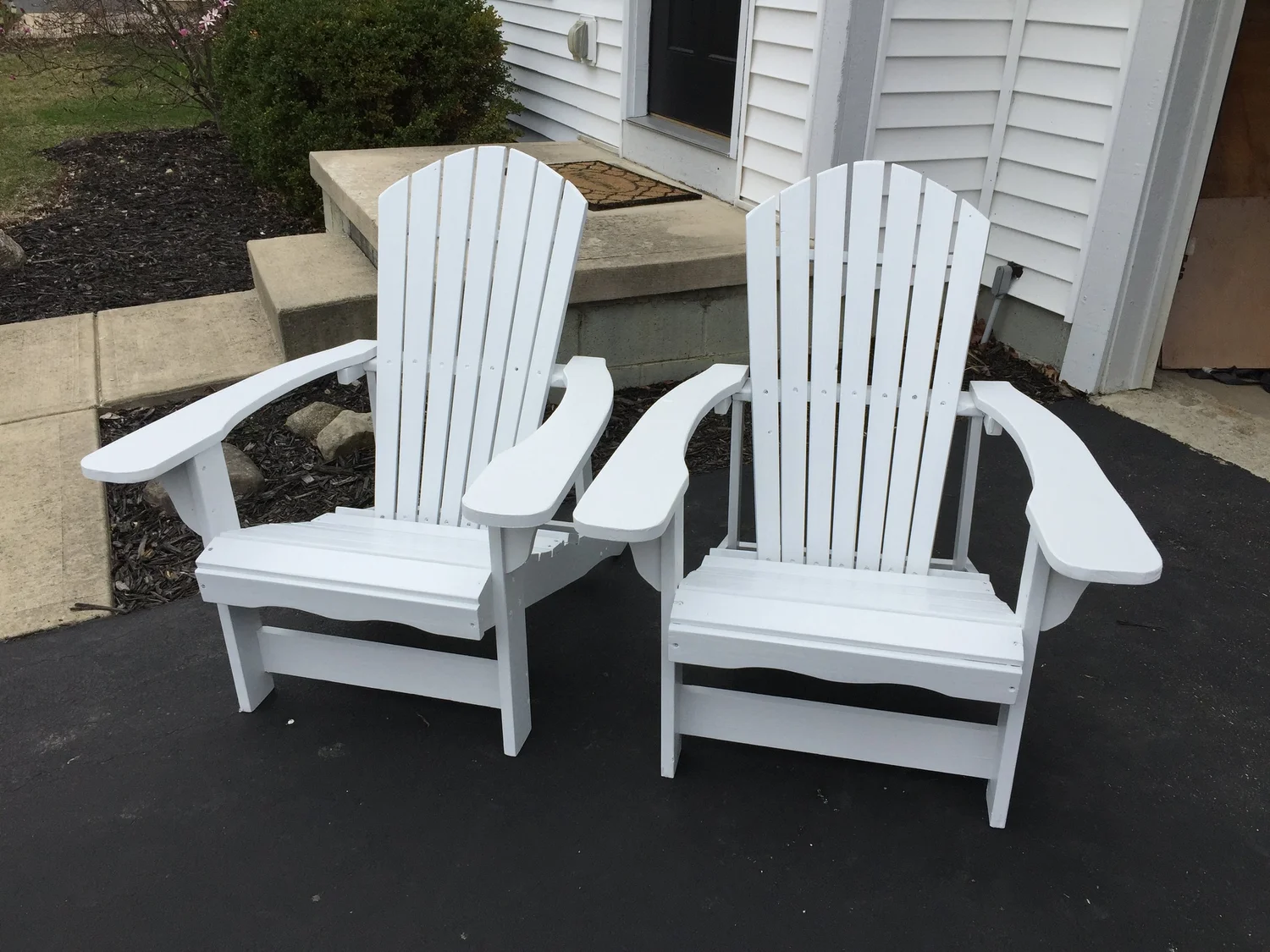
Use paints made for outdoor use. These paints resist moisture and sunlight. They keep furniture safe from damage.
Latex and oil-based paints are common. Latex dries fast and cleans easily. Oil-based paints last longer but take more time to dry.
- Choose weather-resistant outdoor paint
- Pick the right base: latex or oil-based
- Consider the finish: matte, satin, or glossy
Applying Stains For Wood Furniture
Stains soak into wood to show its natural beauty. They also protect wood from water and sun damage.
Apply stain with a brush or cloth. Wipe off excess to avoid sticky spots. Multiple coats can deepen color and protection.
- Pick a stain that suits your wood type
- Use a brush or cloth for even application
- Wipe off extra stain after applying
- Apply more coats for darker color
Sealing For Weather Protection
Sealing furniture helps block water and sun damage. It keeps paint or stain from peeling or fading.
Choose a clear outdoor sealer. Apply it after paint or stain dries. Reapply yearly for best protection.
- Use clear outdoor sealer for protection
- Apply after paint or stain is dry
- Reapply every year for lasting results

Credit: www.smorhome.com
Maintaining Restored Furniture
Restoring patio furniture brings new life to old pieces. Proper care keeps them looking good longer.
Simple maintenance steps help protect your furniture from damage and wear over time.
Regular Cleaning Tips
Clean your patio furniture often to remove dirt and grime. This prevents buildup that can cause damage.
Use gentle soap and water with a soft cloth or brush. Avoid harsh chemicals that can harm finishes.
- Wipe surfaces weekly
- Rinse with clean water after washing
- Dry thoroughly to avoid moisture damage
Seasonal Care Advice
Adjust your furniture care with the seasons. Different weather needs different protection methods.
In hot months, shade furniture to prevent fading. In cold months, check for moisture and cracks.
- Apply protective sealants in spring
- Cover furniture during heavy rain or snow
- Inspect for rust or damage after storms
Storage Solutions
Store your patio furniture properly when not in use. Good storage stops weather harm and wear.
Use covers or keep furniture in a dry, sheltered place during off-seasons or bad weather.
- Use breathable covers to avoid mold
- Store cushions indoors to keep them dry
- Keep furniture off the ground to prevent moisture
Enhancing With Accessories
Restoring patio furniture is not only about cleaning and fixing. Accessories can make your furniture look fresh and inviting.
Adding the right accessories gives your outdoor space a new style and comfort. It also protects your furniture for longer use.
Adding Cushions And Covers
Cushions add comfort and style to patio furniture. They make chairs and benches more inviting to sit on.
Covers protect your furniture from rain, sun, and dust. Use covers that fit well and are easy to remove.
- Choose cushions with weather-resistant fabric
- Pick covers that match the shape of your furniture
- Use bright cushions to add color and warmth
- Store cushions indoors when not in use
Decorative Touches
Decorative items bring personality to your patio. They help create a cozy and welcoming atmosphere.
Add items like outdoor rugs, lanterns, and small plants. These touches make your space look cared for and stylish.
- Use outdoor rugs to define seating areas
- Add lanterns for soft evening light
- Place potted plants to add greenery and life
- Include small tables for drinks and snacks
Frequently Asked Questions
How Do I Clean Patio Furniture Effectively?
To clean patio furniture, use a mild detergent mixed with warm water. Scrub the surfaces with a soft brush or cloth. Rinse thoroughly with clean water and let it air dry. For stubborn stains, a mixture of vinegar and baking soda can be effective.
Always test cleaning solutions on a small area first.
What Materials Are Best For Patio Furniture Restoration?
Teak, aluminum, and wrought iron are ideal for restoration due to their durability. Teak is naturally resistant to weathering, while aluminum is lightweight and rust-resistant. Wrought iron is strong and can be easily repainted. Proper maintenance and timely restoration can extend the lifespan of these materials.
Can I Restore Rusty Metal Patio Furniture?
Yes, rusty metal furniture can be restored by scrubbing off rust with a wire brush. Apply a rust-inhibiting primer followed by a metal paint. Ensure to remove all rust before painting to prevent further corrosion. Regular maintenance and applying a protective sealant can help prevent future rusting.
How Often Should I Seal Wooden Patio Furniture?
Sealing wooden patio furniture once a year is recommended. This protects it from moisture and UV damage. Use a high-quality wood sealant or oil for best results. Regular sealing not only extends the furniture's lifespan but also enhances its appearance, keeping it looking new.
Conclusion
Restoring patio furniture brings new life to old pieces. Clean, sand, and paint carefully for best results. Choose materials and tools that fit your furniture type. Regular maintenance keeps your patio looking fresh longer. Enjoy your outdoor space with comfort and style.
Small steps can make a big difference. Try these tips to refresh your patio today.