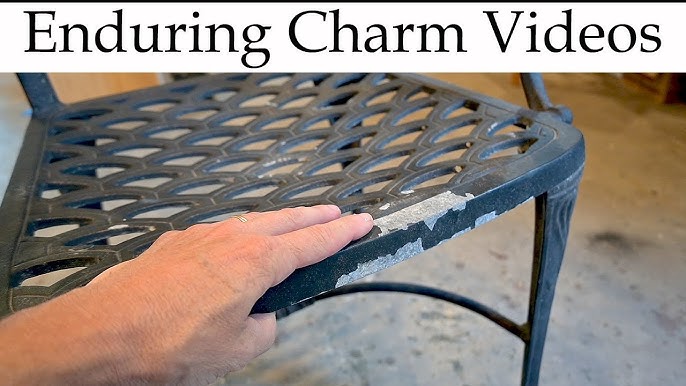
Your metal patio furniture has seen better days. Maybe the paint is chipped, faded, or just plain dull.
You might be thinking it’s time to replace it, but what if you could give it a fresh, vibrant look instead? Repainting your metal patio furniture is easier than you think—and it can completely transform your outdoor space. In this guide, you’ll discover simple steps to make your furniture look brand new.
Ready to bring life back to your patio? Keep reading, and you’ll learn how to do it right.
Gathering Materials
Repainting metal patio furniture is a great way to refresh your outdoor space. You need the right materials to do the job well.
Getting everything ready before you start will save time and help you get good results.
Choosing The Right Paint
Pick paint made for metal surfaces. It sticks well and lasts longer outside.
Look for paint that resists rust and can handle weather changes. Spray paint and brush-on paint both work.
- Rust-resistant paint keeps furniture strong
- Outdoor paint handles sun and rain
- Spray paint covers small areas fast
- Brush-on paint works for detailed spots
Selecting Tools And Supplies
Use tools that help you clean, prepare, and paint your furniture easily. Good supplies make the job smooth.
You will need sandpaper to smooth the surface and a brush or spray can for painting. Gloves protect your hands.
- Sandpaper or sanding block for rust and rough spots
- Wire brush to remove old paint
- Drop cloth or newspaper to protect the ground
- Gloves to keep your hands clean
- Paintbrush or spray paint for applying paint
- Mask or respirator if using spray paint

Credit: universalpowdercoating.com
Preparing The Furniture
Before repainting your metal patio furniture, you must prepare it well. Good preparation helps the paint stick better and last longer.
Cleaning, sanding, and removing old paint are important steps. These steps make the surface smooth and ready for new paint.
Cleaning Dirt And Rust
Start by cleaning dirt and rust from the furniture. Dirt and rust stop the paint from sticking properly.
Use warm water with mild soap to wash off dirt. Scrub with a brush to remove grime. For rust, use a wire brush or rust remover.
- Wash furniture with soap and water
- Scrub rust spots with a wire brush
- Use rust remover on tough rust patches
- Rinse and let dry completely
Sanding The Surface
Sanding smooths the metal and removes any rough spots. This helps the paint stick evenly.
Use medium-grit sandpaper for best results. Sand all metal areas, especially where rust or old paint remains.
- Choose medium-grit sandpaper (around 120 grit)
- Sand all metal surfaces evenly
- Focus on areas with rust or peeling paint
- Wipe dust off with a clean cloth
Removing Old Paint
Old paint can cause new paint to peel or bubble. Removing it creates a clean surface for repainting.
Use a paint scraper or chemical paint stripper. Follow safety instructions if using chemicals. Remove all loose and peeling paint.
- Scrape off loose old paint with a paint scraper
- Apply chemical stripper if needed
- Wear gloves and work in a ventilated area
- Clean surface after paint removal
Priming The Metal
Priming metal patio furniture is an important step before painting. It helps paint stick better and protects against rust.
Using the right primer and applying it correctly can make your paint last longer and look smoother.
Picking A Suitable Primer
Choose a primer made for metal surfaces. It should stop rust and bond well with paint.
Look for primers that say "rust-inhibiting" or "anti-corrosive" on the label. These protect your furniture outdoors.
- Oil-based primers work well for bare metal
- Rust-inhibiting primers prevent corrosion
- Spray primers offer easy, even coverage
Applying Primer Evenly
Clean the metal surface before priming. Remove dirt, rust, and old paint flakes.
Use smooth strokes to apply the primer. Cover all areas, including corners and crevices.
- Apply thin coats to avoid drips
- Allow primer to dry fully between coats
- Use a brush, roller, or spray for even coverage

Credit: www.youtube.com
Painting Techniques
Repainting metal patio furniture needs the right technique. Good painting helps the furniture look great and last longer.
Learn how to use brushes and spray paint. Also, discover how to apply coats and avoid drips or streaks.
Using Brushes Vs. Spray Paint
Brushes give you control on small or detailed areas. They work well for corners and tight spots.
Spray paint covers large areas faster. It creates a smooth, even finish but needs careful handling to avoid mess.
- Brushes: good for detail and small surfaces
- Spray paint: fast coverage on big surfaces
- Brushes may leave strokes; spray paint offers smooth look
- Spray paint requires space and good ventilation
Applying Multiple Coats
Applying several thin coats gives better coverage than one thick coat. Thin coats dry faster and look smoother.
Let each coat dry fully before adding the next. This helps avoid peeling and uneven color.
- Use thin layers for each coat
- Allow drying time between coats
- Check for missed spots and cover them
- Apply 2 to 3 coats for best results
Avoiding Drips And Streaks
Drips happen when paint is too thick or applied too fast. Use slow, even strokes when brushing.
Hold the spray can 10 to 12 inches from the surface. Move your hand steadily to avoid paint build-up.
- Apply paint in thin, even layers
- Do not overload brush or spray nozzle
- Keep a steady hand and move smoothly
- Check your work often to fix drips early
Drying And Curing
Drying and curing are key steps when repainting metal patio furniture. They help the paint stick well and last longer.
Proper drying and curing protect the furniture from weather and wear. This guide explains what you need to know.
Ideal Drying Conditions
Good drying happens in a clean, dry place. The air should flow gently but not be too windy.
Keep the furniture away from direct sunlight and dust. These can cause paint to dry unevenly or get dirty.
- Temperature between 65°F and 85°F (18°C to 29°C)
- Low humidity, ideally below 50%
- Shade or indirect sunlight
- Good air circulation without strong wind
- Dust-free environment
Time Required For Curing
Curing means the paint fully hardens and bonds to the metal. This takes longer than drying.
Wait at least 24 to 48 hours before using your furniture. Some paints need up to a week to cure fully.
- Light use: after 24 to 48 hours
- Full cure: 5 to 7 days
- Avoid water and heavy use during curing
- Follow paint label instructions for best results
Maintenance Tips
Repainting metal patio furniture keeps it looking fresh and new. Proper care helps the paint last longer.
Following simple maintenance tips protects your furniture from damage and weather effects.
Protecting The Finish
Protect the painted finish by keeping furniture covered when not in use. Use waterproof covers to stop rust and fading.
Store furniture inside during harsh weather like snow or heavy rain. This prevents paint from chipping or peeling.
- Apply a clear sealant every year for extra protection
- Avoid dragging furniture to stop scratches
- Place furniture on soft surfaces to reduce wear
Cleaning Painted Furniture
Clean painted metal furniture regularly to keep it looking good. Use mild soap and water to avoid damage.
Rinse well and dry with a soft cloth to prevent water spots and rust. Avoid harsh chemicals that harm the paint.
- Use a soft brush to remove dirt and dust
- Clean spills quickly to avoid stains
- Check for paint chips and touch up as needed

Credit: www.youtube.com
Frequently Asked Questions
How Do I Prepare Metal Patio Furniture For Repainting?
Clean the furniture thoroughly with soap and water. Remove rust using sandpaper or a wire brush. Wipe down the surface to remove dust and debris. Allow it to dry completely before applying primer or paint.
What Type Of Paint Is Best For Metal Furniture?
Use spray paint or oil-based paint designed for metal surfaces. These paints resist rust and weather damage. Choose outdoor or rust-resistant paint for durability. Always apply a primer before painting for better adhesion.
How Many Coats Of Paint Are Needed On Metal Furniture?
Typically, two to three coats provide even coverage. Allow each coat to dry completely before applying the next. Multiple coats enhance durability and prevent peeling. Follow manufacturer instructions for drying times.
Can I Repaint Metal Furniture Without Sanding It?
Sanding is recommended to remove rust and create a smooth surface. Without sanding, paint may not adhere well and can peel quickly. Light sanding improves paint durability and finish quality. Use fine-grit sandpaper for best results.
Conclusion
Repainting metal patio furniture can be simple and rewarding. First, clean the furniture thoroughly. Then, sand it to remove old paint and rust. Next, apply a primer for better paint adhesion. Choose a suitable paint for metal surfaces. Apply multiple thin coats for an even finish.
Let each coat dry completely. Finally, seal the paint for long-lasting protection. Your furniture will look fresh and new. This project can extend the life of your outdoor pieces. Enjoy your refreshed patio space with family and friends. A little effort goes a long way.