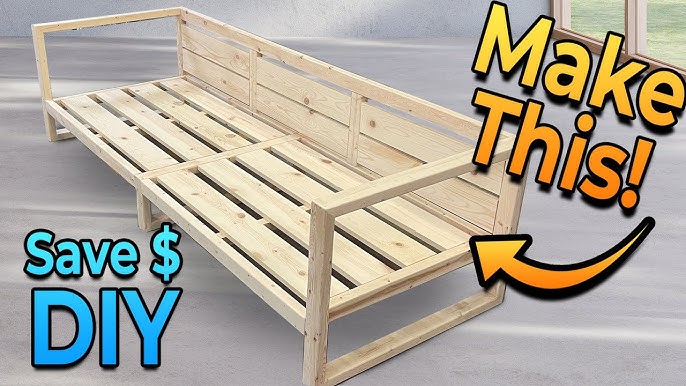
Are you ready to transform your outdoor space without spending a fortune? Building your own wood patio furniture lets you create pieces that fit your style and needs perfectly.
Imagine relaxing on a chair you crafted yourself or hosting friends around a table you built with your own hands. This guide will show you how easy and rewarding it can be to make beautiful, sturdy furniture that lasts. Keep reading, and you’ll discover simple steps, helpful tips, and inspiring ideas to get started right away.
Your dream patio is closer than you think!
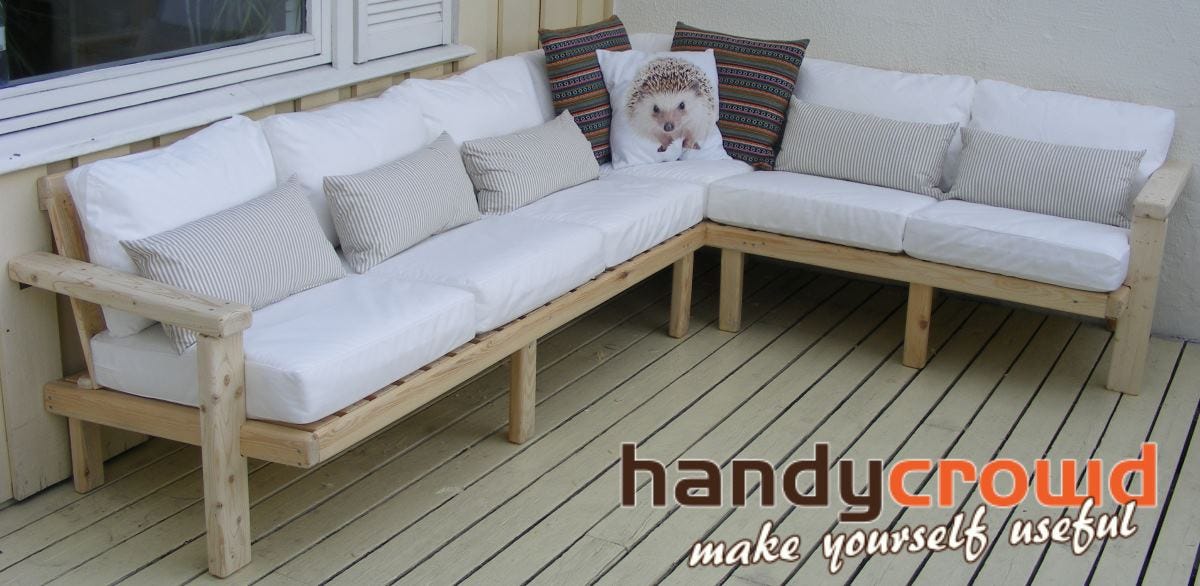
Credit: handycrowd.medium.com
Choosing The Right Wood
Building your own wood patio furniture is a fun project. Picking the right wood is very important. The wood must stand up to outdoor weather.
Some woods last longer outside. Others need more care. Knowing the types helps you choose well.
Types Of Wood For Outdoor Use
Many woods work for outdoor furniture. Some are softwoods, and some are hardwoods. Each type has good and bad points.
- Cedar: Light, smells nice, resists bugs and rot
- Teak: Very strong and oily, lasts a long time
- Redwood: Attractive color, good for weather resistance
- Pine: Affordable but needs treatment to prevent decay
- Acacia: Hard and dense, good for furniture
Wood Durability And Maintenance
Wood outdoors faces sun, rain, and bugs. Durable woods last longer with less work. Some woods need sealing or staining to protect them.
Regular care helps keep your furniture strong. Cleaning and finishing the wood slows damage. Check for cracks or splinters often.
- Use sealants to protect against water
- Apply stain to keep color and prevent drying
- Sand rough spots to avoid splinters
- Store furniture indoors during winter if possible
Sustainable Wood Options
Choosing eco-friendly wood helps the planet. Sustainable wood comes from forests that are well managed. This wood is better for nature and future trees.
Look for wood certified by groups like FSC. Bamboo is also a fast-growing, green option for furniture.
- FSC-certified wood ensures responsible forest care
- Reclaimed wood reuses old materials
- Bamboo grows quickly and is renewable
- Check local wood options to reduce shipping impact
Essential Tools And Materials
Building your own wood patio furniture is a fun and rewarding project. You need the right tools and materials to do the job well.
This guide covers the basic tools, safety gear, and finishing supplies you will need for your wood furniture.
Basic Carpentry Tools
Basic carpentry tools help you cut, shape, and join wood pieces. These tools make your work easier and more accurate.
Having the right tools saves time and helps build sturdy furniture.
- Measuring tape
- Pencil for marking
- Hand saw or circular saw
- Hammer
- Drill with drill bits
- Screwdriver
- Clamps to hold wood together
- Sandpaper or power sander
Safety Gear
Safety gear protects you from injuries during woodworking. Always wear proper gear while working.
Using safety equipment helps you focus and work with confidence.
- Safety glasses to protect eyes
- Ear protection against loud tools
- Dust mask to avoid breathing sawdust
- Work gloves to protect hands
- Closed-toe shoes for foot safety
Finishing Supplies
Finishing supplies help protect and beautify your wood furniture. They make the wood last longer outdoors.
Choose supplies that suit your wood type and weather conditions.
- Wood stain or paint
- Paintbrushes or foam brushes
- Wood sealer or varnish
- Rags for wiping excess stain
- Fine-grit sandpaper for smooth finish
Designing Your Furniture
Designing your own wood patio furniture is fun and rewarding. It lets you create pieces that fit your space and style.
Good design starts with simple ideas. You can build strong and attractive furniture with basic plans.
Simple Plans For Beginners
Start with easy plans that use few parts and simple cuts. This helps you build confidence and skill.
Look for designs like benches, stools, or small tables. These shapes are easy to make and useful.
- Choose straight lines and right angles
- Use common lumber sizes
- Follow step-by-step guides with pictures
- Keep the number of pieces low
Customizing Size And Style
Adjust your furniture size to fit your patio space. Measure carefully before cutting wood.
Add personal touches like paint colors or wood stains. Choose a style that matches your home.
- Make seats wider or taller for comfort
- Change armrest shape or height
- Add decorative edges or cutouts
- Mix wood types or finishes
Incorporating Comfort Features
Comfort is key for patio furniture. Think about cushions, backrests, and armrests in your design.
Use smooth wood and round edges to avoid splinters. Add slats or gaps for airflow on seats and backs.
- Include cushions or pillows for softness
- Shape backrests to support the spine
- Add armrests for resting arms
- Use weather-resistant finishes

Credit: www.youtube.com
Step-by-step Construction
Building your own wood patio furniture is a fun way to create something useful. You can make a chair or bench that fits your space perfectly.
This guide will take you through each step to make your project easier. Follow the instructions carefully for the best results.
Measuring And Cutting Wood
Start by measuring the wood pieces you need. Use a tape measure and mark each piece clearly with a pencil.
Cut the wood with a saw, making sure each cut is straight. Wear safety gear to protect yourself while cutting.
- Measure twice to avoid mistakes
- Mark all cuts clearly
- Use a saw suitable for wood
- Wear goggles and gloves for safety
Assembling The Frame
Lay out the cut pieces to form the frame. Check that all parts fit well before joining them.
Use wood screws and a drill to connect the pieces. Make sure the frame is square and sturdy.
- Arrange pieces on a flat surface
- Pre-drill holes to avoid splitting wood
- Tighten screws but do not overdrive them
- Check angles with a carpenter’s square
Adding Seats And Backs
Attach the seat boards across the frame evenly. Leave small gaps between boards for water drainage.
Fix the backrest boards at a comfortable angle. Secure them tightly to support weight safely.
- Space seat boards about 1/4 inch apart
- Use screws long enough to hold boards firmly
- Angle backrest around 10-15 degrees for comfort
- Double-check all screws before finishing
Finishing Touches
Adding finishing touches to your wood patio furniture makes it look great and last longer. Proper finishing helps protect the wood from weather and wear.
These final steps include sanding, staining or painting, and sealing. Each step improves the furniture’s strength and style.
Sanding For Smoothness
Sanding removes rough spots and splinters from the wood surface. It makes the furniture smooth and safe to touch.
Use fine-grit sandpaper and sand along the wood grain. Clean the dust with a cloth after sanding.
Applying Stain Or Paint
Stain or paint adds color and style to your furniture. Stain shows the wood grain, while paint covers it completely.
Apply the stain or paint evenly with a brush. Let it dry fully before adding more coats if needed.
- Use outdoor stain or paint for durability
- Apply thin coats to avoid drips
- Follow the product instructions for best results
Sealing For Weather Protection
Sealing protects your furniture from rain, sun, and moisture. It helps prevent cracking and fading.
Choose a clear outdoor sealer and apply it after the paint or stain dries. Reapply every year for lasting protection.

Credit: www.reddit.com
Maintenance Tips
Keeping your wood patio furniture in good shape helps it last longer. Regular care stops damage and keeps it looking nice.
Simple actions can protect your furniture from weather and wear. Follow these tips to maintain your wood pieces easily.
Cleaning Your Furniture
Dust and dirt can build up on your wood furniture. Clean it often to keep the surface smooth and bright.
Use mild soap and water to wash the furniture. Avoid strong chemicals that might harm the wood.
- Mix a small amount of dish soap with warm water
- Use a soft cloth or sponge to wipe down the furniture
- Rinse with clean water and dry with a towel
- Clean at least once a month or after bad weather
Repairing Minor Damages
Small cracks or scratches can appear over time. Fix these early to stop bigger problems.
Fill cracks with wood filler and sand the area smooth. Use touch-up paint or stain to match the color.
- Check furniture regularly for cracks or loose joints
- Use wood glue to fix loose parts
- Sand rough spots gently before applying stain
- Apply a fresh coat of finish after repairs
Seasonal Care
Wood furniture needs extra care during changing seasons. Protect it from rain, snow, and strong sun.
Cover furniture or move it indoors during harsh weather. Use sealants to keep moisture out.
- Apply water-resistant sealant before winter
- Use waterproof covers when not in use
- Store cushions indoors to prevent mold
- Check furniture for damage after storms
Creative Enhancements
Building your own wood patio furniture is fun and rewarding. Adding creative touches makes it more comfortable and stylish.
Simple enhancements can improve your furniture’s look and function. These ideas help you enjoy your outdoor space more.
Adding Cushions And Fabrics
Cushions add comfort to your wood patio furniture. Choose fabrics that resist water and sun damage.
Mix patterns and colors to create a cozy, inviting look. Secure cushions with ties to keep them in place.
- Use outdoor fabric for durability
- Select foam cushions for softness
- Pick colors that match your patio style
- Add pillows for extra comfort
Incorporating Storage Options
Storage helps keep your patio neat and organized. You can build storage into your furniture design.
Consider adding shelves, drawers, or hidden compartments. Storage keeps cushions and tools safe from weather.
- Under-seat storage boxes
- Built-in shelves on armrests
- Hidden compartments inside benches
- Weatherproof lids for protection
Decorative Accents
Decorative accents make your furniture unique and attractive. Use paint, stains, or carvings to add character.
Small details like metal brackets or rope handles add charm. These accents show your personal style.
- Bright paint for a bold look
- Natural wood stain to show grain
- Carved designs on chair backs
- Rustic metal hardware
- Rope or leather handles
Frequently Asked Questions
How To Start Building Wood Patio Furniture?
Begin by selecting a simple design and gathering materials like wood, screws, and tools. Measure and cut wood accurately. Assemble pieces using screws or nails, ensuring stability. Sand surfaces for smoothness and apply a protective finish. Follow detailed plans for guidance to ensure your project is successful.
What Type Of Wood Is Best For Outdoor Furniture?
Cedar, teak, and redwood are excellent choices for outdoor furniture. They are naturally resistant to rot and insects. These woods withstand various weather conditions, ensuring longevity. Additionally, their rich tones enhance the aesthetic appeal of your patio furniture, making them ideal for DIY projects.
Can I Stain Diy Wood Patio Furniture?
Yes, staining enhances wood's natural beauty and protects it from elements. Choose a weatherproof, outdoor stain for the best results. Apply stain evenly with a brush or cloth, allowing it to penetrate. Ensure surfaces are clean and dry before staining.
This process adds durability and aesthetic value to your furniture.
How Do I Maintain Wood Patio Furniture?
Regularly clean furniture with mild soap and water. Apply a protective sealant annually to prevent weather damage. Inspect for signs of wear and repair promptly. Store furniture indoors during harsh weather. These maintenance steps ensure your DIY wood patio furniture remains beautiful and functional for years.
Conclusion
Building your own wood patio furniture brings pride and joy. It saves money and allows personal style. Simple tools and basic skills make the job easy. You can create pieces that fit your space perfectly. Spending time outdoors feels better with furniture you made.
Enjoy the process and the final result. Start small, stay patient, and keep learning. Your patio will look great with handmade wooden furniture. Give it a try and see the difference yourself.