Are you ready to transform your outdoor space with beautiful, custom patio furniture? Making your own patio furniture isn’t just a fun project—it gives you the power to design pieces that perfectly fit your style and needs.
Imagine relaxing on a chair you built yourself or hosting friends around a table crafted by your own hands. In this guide, you’ll discover simple steps and insider tips to create sturdy, stylish furniture that lasts. Keep reading, and you’ll soon see how easy and rewarding it can be to make your patio truly your own.
Credit: www.familyhandyman.com
Choosing Materials
Choosing the right materials is key to making strong patio furniture. Good materials last long and look nice outside.
Think about how the material handles weather and how much care it needs. This will help you pick the best one.
Wood Options
Wood is a classic choice for patio furniture. It feels warm and natural in any outdoor space.
Choose wood types that resist water and insects. Some woods need more care but last longer.
- Teak: Strong and water-resistant, but can be expensive.
- Cedar: Naturally repels bugs and has a nice scent.
- Pine: Affordable but needs treatment to avoid rot.
- Redwood: Durable and resists decay well.
Metal Choices
Metal furniture is sturdy and modern. It handles weather well if protected from rust.
Look for metals that are strong and need little upkeep. Some metals can get hot in the sun.
- Aluminum: Lightweight and rust-resistant.
- Steel: Very strong but needs paint or coating to stop rust.
- Wrought Iron: Heavy and classic, but requires regular maintenance.
Recycled Materials
Using recycled materials helps the environment. These materials can be strong and stylish.
Recycled options often need less care. They can also add unique looks to your furniture.
- Recycled plastic: Weatherproof and low maintenance.
- Reclaimed wood: Adds character and saves trees.
- Metal scraps: Can create unique furniture shapes.
Essential Tools
Making patio furniture needs the right tools to do the job well. Having the correct tools helps build strong and safe furniture.
This guide covers basic hand tools, power tools, and safety gear you need to get started.
Basic Hand Tools
Basic hand tools are important for measuring, cutting, and assembling wood. They help you work carefully and accurately.
- Measuring tape to measure wood pieces
- Pencil for marking cut lines
- Hammer for driving nails
- Screwdrivers to tighten screws
- Handsaw for small cuts
- Chisels for fine shaping
- Clamps to hold pieces together
Power Tools
Power tools speed up the work and make cutting and drilling easier. They save time and effort.
- Electric drill for making holes and screwing
- Circular saw for straight wood cuts
- Jigsaw for cutting curves
- Sander to smooth rough surfaces
- Power screwdriver for quick assembly
Safety Gear
Safety gear protects you from injuries during work. Always wear the right safety items to stay safe.
- Safety glasses to protect your eyes
- Work gloves to protect your hands
- Ear protection to reduce loud noise
- Dust mask to avoid breathing sawdust
- Closed-toe shoes to protect your feet
Simple Furniture Projects
Making your own patio furniture can be fun and easy. You do not need special skills or tools. Simple projects can create useful and nice pieces for outside.
This guide shows three simple furniture ideas. Each project uses common materials and basic steps. You can enjoy building and using these items.
Diy Wooden Bench
A wooden bench is a great start for patio furniture. It gives extra seating and looks natural in the garden. You only need wood planks, screws, and paint.
Cut the wood to size, assemble the seat and legs, and sand the surface smooth. Finish with outdoor paint or sealant to protect it from weather.
- Use sturdy wood like cedar or pine
- Measure twice before cutting
- Secure legs firmly to avoid wobbling
- Sand edges for safety and comfort
- Apply waterproof paint for durability
Pallet Coffee Table
Old wooden pallets can be turned into a coffee table. This project is budget-friendly and simple. You only need pallets, nails, and wheels if you want it movable.
Stack two pallets, fix them together, and add wheels under the bottom one. Sand the surfaces and paint or stain the wood for a nice finish.
- Choose pallets in good condition
- Remove any broken or loose boards
- Use screws to join pallets tightly
- Add wheels for easy moving
- Protect with outdoor wood finish
Outdoor Chair
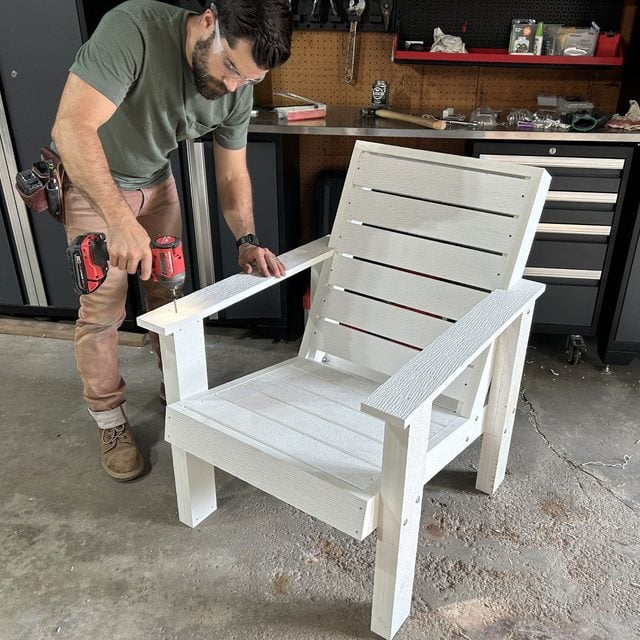
An outdoor chair adds comfort to your patio. You can build a simple chair with wood planks and basic tools. Make sure the chair is strong and stable.
Cut the wood for seat, back, and legs. Assemble parts with screws and glue. Sand all edges and paint with outdoor paint to last longer.
- Use weather-resistant wood
- Check chair stability before painting
- Use outdoor glue and screws
- Sand rough edges to avoid splinters
- Apply at least two coats of paint

Credit: www.homesandgardens.com
Painting And Finishing
Painting and finishing protect your patio furniture from weather damage. These steps also improve the look of your pieces.
Choosing the right paint and finish helps your furniture last longer. It also keeps it looking fresh and clean.
Weatherproof Paints
Weatherproof paints stop moisture from damaging wood and metal. They create a strong barrier against rain and sun.
Use paints made for outdoor use. These paints resist fading and cracking over time.
- Choose acrylic or latex paints for easy cleanup
- Oil-based paints offer tough protection but take longer to dry
- Look for paint with UV protection
- Apply at least two coats for best results
Stains And Sealants
Stains add color and show the wood grain on your furniture. Sealants protect the wood from water and sun damage.
Apply stain first and let it dry. Then use a sealant to lock in the color and add extra protection.
- Choose oil-based stains for deep penetration
- Water-based stains dry faster and clean easily
- Use clear sealants or tinted ones for extra color
- Reapply sealant every year to maintain protection
Decorative Touches
Decorative touches make your patio furniture unique. You can add patterns, designs, or textures on the surface.
Use stencils, painter’s tape, or brushes to create these effects. Choose colors that match your outdoor style.
- Try stripes or geometric patterns with painter’s tape
- Use sponges or rags for textured finishes
- Add stenciled designs for a personal touch
- Seal decorative paint with a clear coat for durability
Adding Comfort
Patio furniture should be cozy to make your outdoor space inviting. Adding comfort makes sitting outside more enjoyable.
Cushions and fabric choices play a big role in comfort. Taking care of them helps keep furniture soft and fresh.
Cushion Choices
Choose cushions with enough padding to support your body. Foam cushions are firm and keep their shape well.
Polyester fill cushions feel soft and are lightweight. Look for cushions with removable covers for easy cleaning.
- High-density foam for firm support
- Polyester fill for softness
- Removable covers for washing
- Water-resistant cushions for outdoors
Fabric Options
Pick fabrics that resist water and sun damage. Acrylic fabrics dry fast and keep colors bright longer.
Olefin fabric is strong and easy to clean. Avoid cotton as it absorbs water and stains easily.
- Acrylic: water and fade resistant
- Olefin: durable and quick drying
- Polyester: budget-friendly and easy care
- Cotton: soft but not good for wet areas
Maintenance Tips
Clean cushions regularly to prevent dirt buildup. Use mild soap and water for gentle cleaning.
Store cushions indoors or in a dry place when not in use. Cover furniture to protect it from rain and sun.
- Spot clean stains quickly
- Air dry cushions fully before storing
- Use covers to protect from weather
- Check fabric tags for care instructions
Creative Decor Ideas
Making your own patio furniture is a great way to add personality to your outdoor space. Simple decor ideas can make it look fresh and inviting.
Using natural and cozy elements helps create a relaxing spot for friends and family to gather.
Planters And Greenery
Adding plants around your patio furniture brings life and color to the space. Choose pots that match the style of your furniture.
Greenery softens hard surfaces and makes the area feel calm and fresh. Use a mix of tall and small plants to add depth.
- Place large planters near seating corners
- Use hanging plants to save floor space
- Add herbs in small pots for a fresh scent
- Mix flowers and leafy plants for variety
Lighting Solutions
Good lighting makes your patio usable at night and adds a warm glow. Choose lights that fit your style and needs.
Soft, warm lights help create a cozy mood. String lights, lanterns, and solar lamps work well outdoors.
- Hang string lights above seating areas
- Place lanterns on tables or steps
- Use solar stake lights along paths
- Try LED candles for a safe, flicker effect
Outdoor Rugs
Outdoor rugs add color and comfort underfoot. They help define your seating area and protect your feet from hot or rough floors.
Pick rugs made from weather-resistant materials. Patterns and colors can bring a fun or calm vibe to your patio.
- Choose rugs that are easy to clean
- Match rug colors with cushions or furniture
- Use rugs to create zones in large patios
- Try layered rugs for extra style
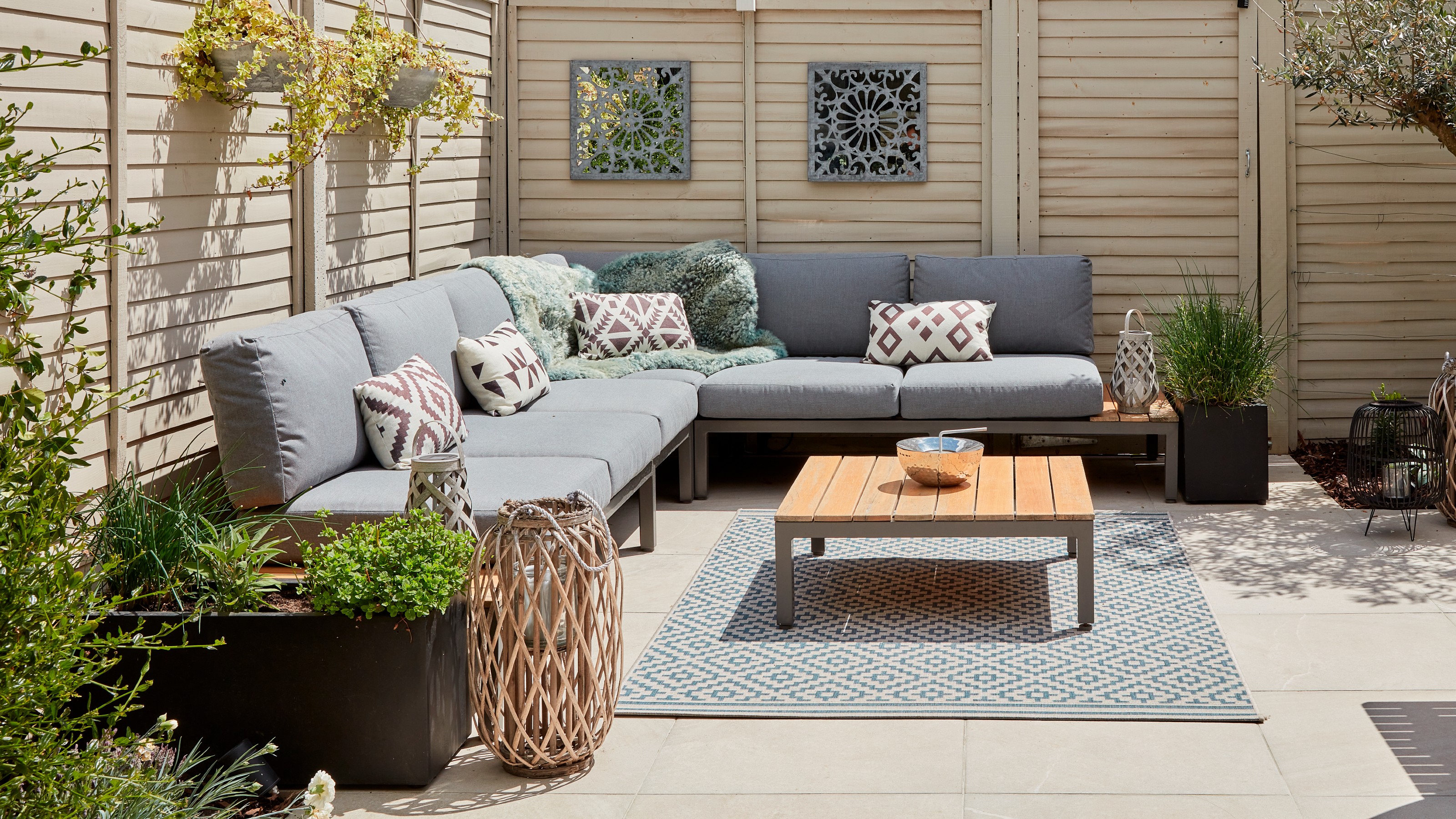
Credit: www.idealhome.co.uk
Frequently Asked Questions
What Materials Are Best For Making Patio Furniture?
Wood, metal, and all-weather wicker are popular materials. Choose durable, weather-resistant materials like teak or aluminum for longevity and easy maintenance.
How Much Does It Cost To Make Patio Furniture?
Costs vary by materials and design complexity. Simple DIY sets can cost $100 to $500, depending on size and finish.
What Tools Do I Need For Diy Patio Furniture?
Basic tools include a saw, drill, screws, sandpaper, and measuring tape. Additional tools depend on your furniture design.
How Long Does It Take To Build Patio Furniture?
Simple projects take a few hours to a day. More complex designs may require several days to complete.
Conclusion
Creating your own patio furniture is rewarding and fun. You save money and gain a sense of pride. Each piece reflects your personal style. With basic tools and materials, you can start today. Enjoy outdoor spaces more with your custom furniture.
Friends and family will admire your handiwork. Remember, practice makes perfect. Over time, your skills will grow. Soon, you'll design even more elaborate pieces. So, gather your tools and materials. Begin your crafting adventure now. Your patio will become a favorite spot.
Relax and enjoy your new creations.