Are you struggling to choose the right bed for a good night’s sleep? You might have heard about orthopedic beds and memory foam beds, but what exactly sets them apart?
Understanding the difference can make a huge impact on your comfort and health. You’ll discover how each bed works, which one suits your body better, and why picking the right mattress is key to waking up refreshed and pain-free. Keep reading to find out which bed is truly made for you!

Credit: www.hindustantimes.com
Orthopedic Bed Features
Orthopedic beds are designed to support the body well. They help keep the spine aligned and reduce pressure points.
These beds differ from memory foam beds in design and materials. Understanding these features helps you choose the right bed.
Design And Support
Orthopedic beds have firm support for the whole body. They focus on keeping the spine straight during sleep.
The design often includes extra support zones for the back and joints. This reduces pain and stiffness.
- Firm base to prevent sinking
- Extra lumbar support
- Even weight distribution
- Pressure relief in key areas
Materials Used
Orthopedic beds use high-density foam or strong springs. These materials keep the bed firm and supportive.
Memory foam beds use soft, contouring foam. It molds to the body but may not always keep the spine aligned.
- High-density foam for firmness
- Innerspring coils for support
- Memory foam for softness and contouring
- Hybrid materials combining foam and springs
Ideal Users
Orthopedic beds suit people with back pain or joint problems. They need firm support to reduce discomfort.
Memory foam beds fit those who want softness and pressure relief. They are good for side sleepers and light sleepers.
- People with chronic back or neck pain
- Those recovering from injury
- Individuals needing firm spinal support
- People who prefer a soft, cushioned feel (memory foam)
Memory Foam Bed Features
Memory foam beds are popular for their unique comfort and support. They adapt to your body shape for better sleep.
These beds differ from orthopedic beds in materials and how they relieve pressure. Let's explore their key features.
Material Composition
Memory foam beds use polyurethane foam with added chemicals. These chemicals make the foam denser and more responsive.
The foam reacts to heat and pressure. It softens where your body touches it, creating a custom fit.
Comfort And Pressure Relief
Memory foam reduces pressure points by spreading weight evenly. This helps lower pain in joints and muscles.
The foam also absorbs motion, so movement on one side does not disturb the other side.
- Supports natural spine alignment
- Reduces tossing and turning
- Provides a soft yet supportive feel
Ideal Users
Memory foam beds suit people who need pressure relief and good support. They work well for side and back sleepers.
Those with joint pain or arthritis may find these beds helpful. They also benefit people who share beds and want less motion transfer.
- Side sleepers needing pressure relief
- People with joint or muscle pain
- Partners sensitive to movement
Comparing Comfort Levels
Orthopedic beds and memory foam beds are popular choices for better sleep. Both aim to improve comfort but do it in different ways.
Understanding their differences helps you pick the best bed for your needs. Let’s look at firmness, heat retention, and motion isolation.
Firmness And Support
Orthopedic beds are designed to offer firm support. They keep your spine aligned and reduce pressure points.
Memory foam beds are softer and contour to your body shape. They provide gentle support by molding to your curves.
- Orthopedic beds: Firmer feel, strong support
- Memory foam beds: Softer feel, body-contouring support
Heat Retention
Orthopedic beds usually have better airflow. This helps keep the bed cooler while you sleep.
Memory foam tends to trap heat because it molds closely to your body. This can make some people feel warm.
- Orthopedic beds: Better ventilation, cooler sleep
- Memory foam beds: More heat retention, warmer feel
Motion Isolation
Memory foam beds absorb movement well. This means less disturbance if your partner moves at night.
Orthopedic beds may not isolate motion as well. Some designs transfer movement more easily across the bed.
- Memory foam beds: Excellent motion isolation
- Orthopedic beds: Variable motion isolation depending on design
Health Benefits And Concerns
Choosing the right bed can affect your health and sleep quality. Orthopedic and memory foam beds offer different benefits and concerns. Understanding these can help you decide which bed suits your needs.
This article explains the health effects of orthopedic beds and memory foam beds. It focuses on spine alignment, pain relief, and allergy considerations.
Spine Alignment
Orthopedic beds are designed to support the natural curve of your spine. They keep your back straight while you sleep. This helps reduce strain on muscles and joints.
Memory foam beds also support spine alignment by molding to your body shape. They fill gaps between your body and the mattress, providing even support.
- Orthopedic beds offer firmer support for spine health.
- Memory foam beds contour to your body for pressure relief.
- Both types help maintain proper spine alignment during sleep.
Pain Relief
Orthopedic beds help reduce pain by supporting joints and reducing pressure points. They are good for people with back or joint problems.
Memory foam beds relieve pain by evenly distributing body weight. They reduce stress on sensitive areas like hips and shoulders, which can ease discomfort.
- Orthopedic beds provide firm support to reduce muscle pain.
- Memory foam beds soften pressure to help with joint pain.
- Both beds can improve sleep quality by lowering pain.
Allergy Considerations
Orthopedic beds often use materials that resist dust mites and allergens. This helps people with allergies sleep better.
Memory foam beds can trap heat and moisture if not ventilated well. This may cause dust mite buildup unless the mattress has good airflow.
- Orthopedic beds usually have hypoallergenic covers.
- Memory foam beds need proper ventilation to reduce allergens.
- Cleaning and maintenance affect allergy risks for both beds.
Durability And Maintenance
Choosing between an orthopedic bed and a memory foam bed depends on how long you want it to last. Maintenance also plays a big role in keeping your bed in good shape.
Both types need care, but they differ in how you clean and maintain them. Let’s look at their durability and upkeep.
Lifespan Expectations
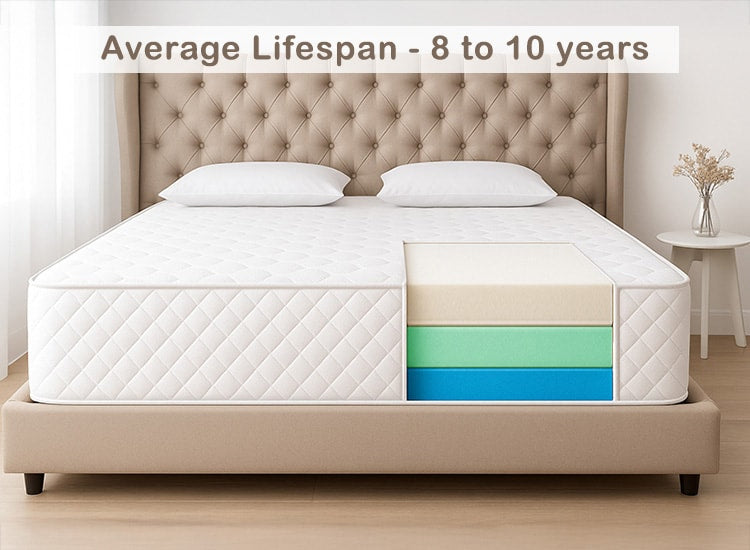
Orthopedic beds often have a strong frame and firm support. They usually last longer than memory foam beds. The mattress material can also affect lifespan.
Memory foam beds feel soft and hug your body. They may show wear faster, especially if used daily. The foam can lose shape after a few years.
- Orthopedic beds: 8 to 12 years
- Memory foam beds: 6 to 10 years
Cleaning Tips
Orthopedic beds are easier to clean. You can wipe the frame and air the mattress to reduce dust. Use a vacuum to clean the surface regularly.
Memory foam beds need gentle care. Avoid soaking them with water. Use a vacuum and spot clean stains with mild soap and water. Let the bed dry fully before use.
- Vacuum both bed types weekly
- Spot clean stains on memory foam only
- Air orthopedic mattresses to reduce moisture
Warranty And Care
Orthopedic beds often come with longer warranties. This is because their parts are built to last and resist damage. Check the warranty length before buying.
Memory foam beds usually have shorter warranties. Foam can break down or lose support over time. Follow care instructions to keep your warranty valid.
- Check warranty length and coverage
- Follow cleaning and care instructions closely
- Keep receipts and warranty papers safe

Credit: www.duroflexworld.com
Cost And Value
Choosing between an orthopedic bed and a memory foam bed depends on cost and value. Both types offer comfort but differ in price and benefits.
Understanding these differences helps you make a smart purchase for your needs and budget.
Price Range Comparison
Orthopedic beds often cost more than memory foam beds. This is because they have special support features for back problems.
Memory foam beds have a wider price range. Some are affordable, while premium models can be expensive.
- Orthopedic beds usually start at a higher price point
- Memory foam beds can fit lower and higher budgets
- Price depends on size, brand, and materials
Long-term Investment
Orthopedic beds are designed to last and support your body well. They may reduce pain and improve sleep quality over time.
Memory foam beds also offer good durability. They contour to your body, which can help with pressure relief and comfort.
- Orthopedic beds can improve health and reduce medical costs
- Memory foam beds provide comfort that lasts several years
- Both types can be a good long-term choice depending on needs
Budget-friendly Options
Memory foam beds often have budget-friendly models for people with less money to spend. These still offer decent comfort.
Orthopedic beds tend to be less common in the budget range. Finding an affordable orthopedic bed may require careful searching.
- Look for memory foam beds with good reviews in a low price range
- Check for sales or discounts on orthopedic beds
- Consider used or refurbished beds for better prices
Choosing The Right Bed
Choosing between an orthopedic bed and a memory foam bed can affect your sleep quality. Both beds offer unique benefits for different needs.
Understanding your lifestyle and preferences helps you pick the best bed for comfort and support.
Lifestyle Factors
Your daily activities influence the best bed choice. If you have back pain, an orthopedic bed may help.
Memory foam beds suit people who want pressure relief and gentle support.
- Orthopedic beds offer firm support for spine alignment.
- Memory foam beds mold to your body shape.
- Active lifestyles may need firmer support.
- Less active people may prefer softer comfort.
Sleep Preferences
How you like to sleep affects your bed choice. Side sleepers may enjoy memory foam for cushioning.
Back sleepers often find orthopedic beds better for support and alignment.
- Memory foam reduces pressure on shoulders and hips.
- Orthopedic beds keep the spine straight during sleep.
- Firmness preference varies by person.
- Temperature sensitivity can influence memory foam comfort.
Consulting Professionals
Doctors and therapists can guide you to the best bed type. They know your health needs.
Getting advice ensures your bed supports your body well and helps reduce pain.
- Discuss any back or joint pain with your doctor.
- Physical therapists can recommend suitable mattress firmness.
- Try beds in stores to find your comfort level.
- Follow expert advice for long-term health benefits.

Credit: mainfoam.com
Frequently Asked Questions
What Is An Orthopedic Bed?
An orthopedic bed is designed to support the spine and joints. It helps alleviate back pain and improves sleep posture. These beds are often firmer, catering to those with specific health needs. They are ideal for individuals seeking enhanced support and comfort during sleep.
How Does Memory Foam Bed Work?
A memory foam bed molds to your body shape, providing personalized comfort. It reduces pressure points and improves circulation. The foam retains heat, keeping you warm and cozy. Memory foam is excellent for those wanting contouring support and pressure relief.
Which Bed Is Better For Back Pain?
An orthopedic bed is often better for back pain relief. It provides firm support to align your spine correctly. Memory foam can also help by reducing pressure points, but orthopedic beds offer more targeted support. Consider your specific needs when choosing a bed.
Are Orthopedic Beds Firmer Than Memory Foam?
Yes, orthopedic beds are typically firmer than memory foam beds. This firmness helps support the spine and joints effectively. Memory foam beds offer a softer, contouring feel. They are ideal for those who prefer a gentle, hugging sensation during sleep.
Conclusion
Choosing between an orthopedic bed and a memory foam bed depends on your needs. Orthopedic beds offer firm support for better spine alignment. Memory foam beds focus on comfort and pressure relief by molding to your body. Both can improve sleep quality but serve different purposes.
Think about your pain points and sleeping style before deciding. Your body will thank you for the right choice. Rest well, feel better, and enjoy peaceful nights ahead.