Are you wondering what the largest area rug size is and how it can transform your space? Choosing the right rug size can make a huge difference in how your room feels and looks.
But when it comes to large rugs, things can get tricky. You want a rug that fills your space perfectly without overwhelming it. You’ll discover everything you need to know about the biggest area rugs, how to pick the right size for your room, and tips to make your space feel cozy and stylish.
Keep reading, and you’ll soon have the confidence to choose the perfect large rug for your home.
Credit: boutiquerugs.com
Common Large Rug Sizes
Large area rugs can cover big spaces and add comfort to rooms. Knowing the common sizes helps you pick the right rug.
This guide explains standard, oversized, and custom rug sizes for large areas.
Standard Dimensions
Standard large rugs come in sizes that fit most living rooms and dining areas. They are easy to find and work well in many homes.
- 8 feet by 10 feet
- 9 feet by 12 feet
- 10 feet by 14 feet
These sizes cover space under furniture and create a cozy look.
Oversized Options
Oversized rugs are bigger than standard sizes. They fit very large rooms or open floor plans.
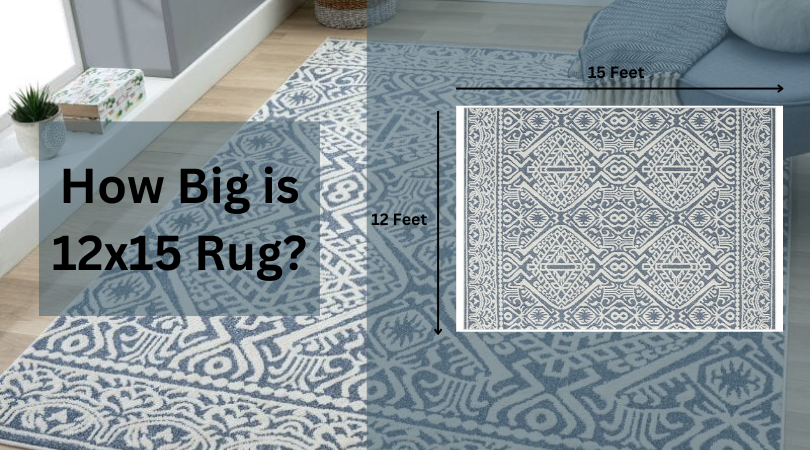
- 12 feet by 15 feet
- 14 feet by 20 feet
- 15 feet by 25 feet
These rugs make big spaces feel connected and warm.
Custom Sizes
Custom rugs are made to fit unique room shapes or special needs. They can be any size you want.
Custom sizes allow perfect coverage and style for your space.
Credit: beautifulrugs.com
Factors Influencing Rug Size Choice
Choosing the right rug size is important for every room. The largest area rug size depends on many factors.
Understanding these factors helps you pick a rug that fits well and looks good.
Room Dimensions
Room size is a main factor in choosing your rug size. Measure the length and width carefully.
The rug should not cover the entire floor but should fit the space comfortably.
- Large rooms can hold bigger rugs, like 12x15 feet or more.
- Small rooms need smaller rugs to avoid overcrowding.
- Leave some floor space visible around the rug edges.
Furniture Layout
How your furniture is placed affects the rug size you choose. The rug should fit under key furniture pieces.
Decide if you want the rug to sit fully under the furniture or just under the front legs.
- For sofas and chairs, the rug can go under all legs or just front legs.
- In dining rooms, the rug should be large enough for chairs to stay on it.
- Leave space around furniture so the rug does not look too small or too big.
Purpose And Function
Think about how you will use the room. The function helps decide the rug size.
In active rooms, choose a rug that fits well and is easy to clean.
- Living rooms need larger rugs for comfort and style.
- Entryways or hallways require smaller, durable rugs.
- Playrooms might need rugs that cover more floor for safety.
Measuring Your Space
Choosing the largest area rug size starts with measuring your room. Accurate measurements help you find a rug that fits well. It creates a balanced look in your space.
Measuring your space is simple if you have the right tools. Follow clear steps to get the best results. Avoid common mistakes to save time and money.
Tools Needed
You need a few tools to measure your room for a large rug. These tools help you get exact numbers for length and width.
- Measuring tape (at least 12 feet long)
- Pen or pencil
- Paper or notebook
- Helper (optional but useful)
Step-by-step Measuring
First, clear the area where you want the rug. This makes it easy to measure the full space.
Measure the length of the room from one wall to the other. Write down the number. Then measure the width the same way.
- Start with length measurement along the longest wall.
- Measure width at the widest point.
- Note any furniture that affects the space.
- Measure around furniture if the rug will go under it.
Avoiding Common Mistakes
Do not guess measurements. Use your tape for exact numbers. Guessing can lead to buying the wrong size rug.
Don’t forget to measure areas under furniture if your rug will cover them. Also, measure more than once to check accuracy.
- Measure twice to confirm numbers.
- Include space for furniture legs on the rug.
- Avoid buying a rug too small for the room.
- Think about walkways and door clearances.
Rug Shapes And Their Impact
Rug shapes can change how a room feels and looks. They help define spaces and add style.
Choosing the right shape affects the size of the rug you need. It also affects how the rug fits with your furniture.
Rectangular Rugs
Rectangular rugs are the most common shape. They fit well in living rooms, dining rooms, and bedrooms.
Large rectangular rugs can cover most of the floor. They create a balanced look and anchor furniture pieces.
- Works well with rectangular rooms
- Fits under tables and sofas easily
- Large sizes can be 9x12 feet or more
Round Rugs
Round rugs add softness to a room. They help break up sharp corners and angles.
Large round rugs create a cozy feel in seating areas. They work well under round tables or in open spaces.
- Ideal for circular furniture or small spaces
- Sizes can go up to 8 feet in diameter or more
- Good for adding visual interest
Runner Rugs
Runner rugs are long and narrow. They suit hallways, stairs, and narrow spaces.
Large runners can be over 12 feet long. They protect floors and guide the flow of traffic.
- Perfect for corridors and entryways
- Length varies from 6 to 14 feet or more
- Adds warmth and reduces noise
Styling Tips For Large Rugs
Large area rugs can change the look of a room. They add warmth and style to big spaces.
Using large rugs well takes some planning. Here are tips to help you style them right.
Layering Rugs
Layering rugs means placing smaller rugs on top of large ones. This adds depth and interest.
Use different sizes and patterns to create a cozy look. Make sure the layers match the room style.
- Place a patterned rug over a solid large rug
- Use neutral colors below, bright colors on top
- Mix shapes like round over rectangular rugs
- Keep the layered rugs clean and flat
Color Coordination
Choose rug colors that fit the room’s palette. Large rugs set the tone for the whole space.
Use colors that match or complement your furniture and walls. This creates balance and calm.
- Pick one main color from the room for the rug
- Add one or two accent colors for interest
- Use light colors to make space feel larger
- Dark colors hide stains better
Texture And Material Choices
Textures add comfort and style to large rugs. Choose materials that suit your room use.
Soft materials work well in living rooms. Durable materials fit busy areas like hallways.
- Wool rugs are soft and long-lasting
- Jute or sisal add natural texture
- Polyester rugs resist stains and wear
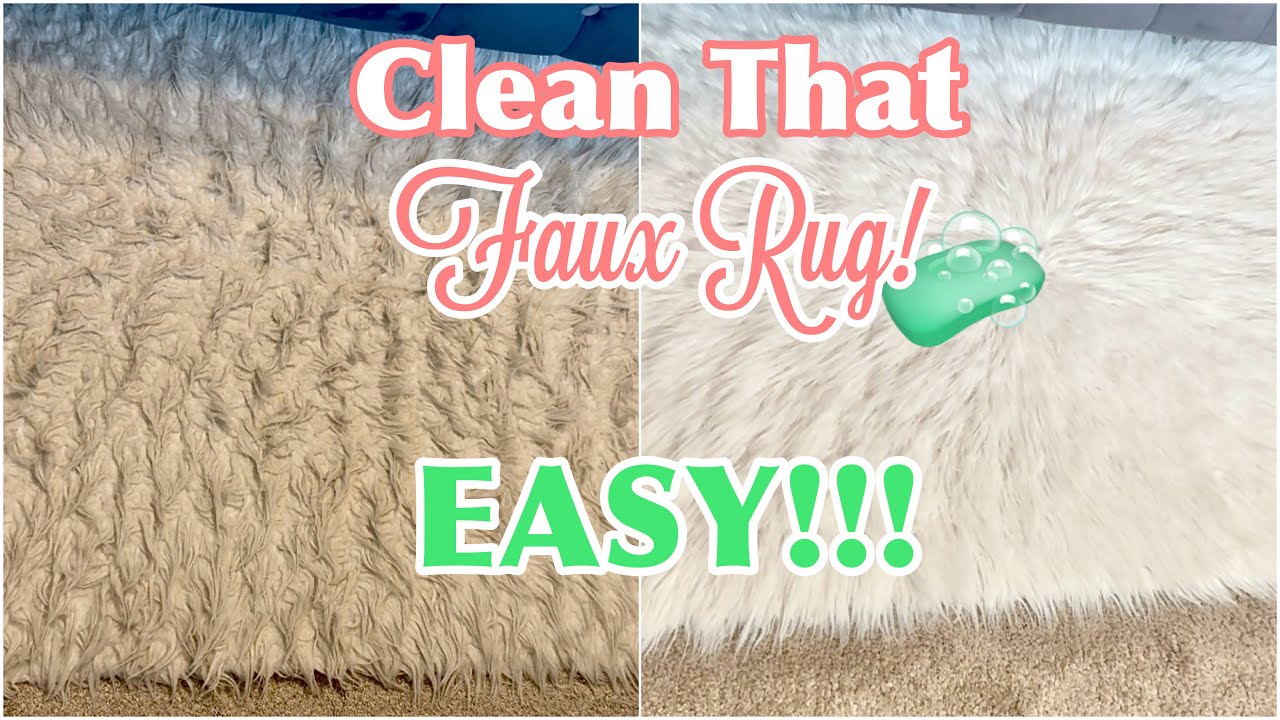
- Shag rugs add plush feel but need more care
Credit: ruggallery.net
Maintenance For Large Rugs
Large area rugs add style and comfort to big rooms. They need regular care to stay clean and last long.
Proper maintenance helps keep the rug looking fresh and prevents damage over time.
Cleaning Techniques
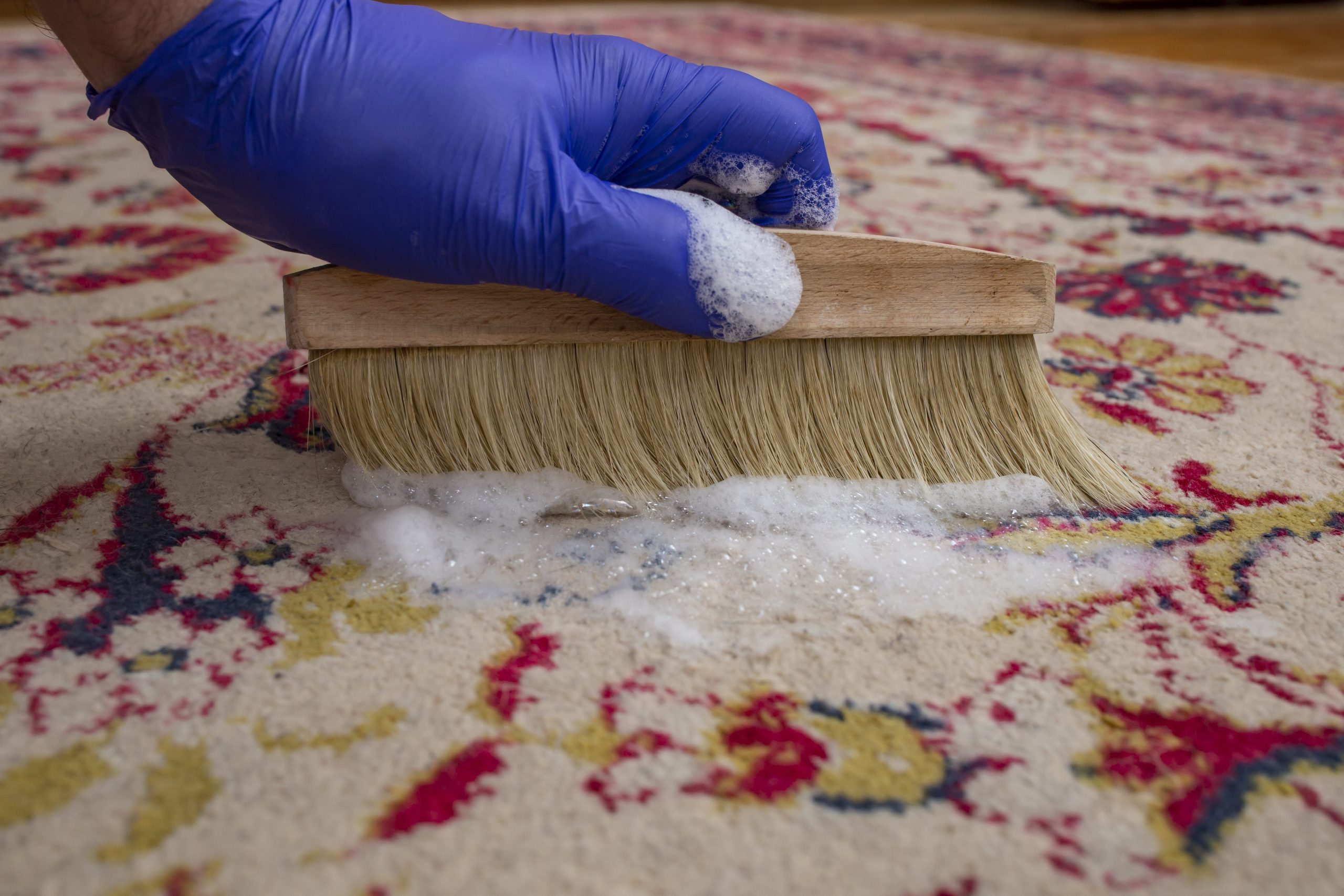
Vacuum your large rug often to remove dust and dirt. Use a vacuum without a beater bar to avoid damage.
Spot clean spills quickly with mild soap and water. Test the cleaner on a small area first.
- Vacuum weekly or more in high-traffic areas
- Blot spills immediately with a clean cloth
- Avoid harsh chemicals and excessive water
- Consider professional cleaning yearly
Preventing Wear And Tear
Rotate your large rug every few months. This helps even out wear and prevents fading in one area.
Use rug pads underneath. They stop slipping and protect the rug fibers from damage.
- Move furniture slightly to avoid dents
- Keep rugs out of direct sunlight when possible
- Trim loose threads instead of pulling them
Storage Solutions
Roll your large rug when storing it. Folding can cause creases and damage the fibers.
Store rugs in a dry, cool place. Avoid damp areas to prevent mold and mildew growth.
- Wrap the rug in breathable fabric or paper
- Keep it off the floor using shelves or pallets
- Check stored rugs regularly for signs of damage
Frequently Asked Questions
What Is The Largest Standard Area Rug Size?
The largest standard area rug size typically measures around 12 feet by 18 feet. These oversized rugs are perfect for covering large spaces like living rooms or open-plan areas. They offer a cohesive look and can help define different zones within a large room.
How Do I Choose The Right Rug Size?
To choose the right rug size, measure your room and furniture layout. Consider leaving at least 18 inches of bare floor around the rug's perimeter. This ensures the rug complements the space without overwhelming it, while still anchoring the furniture effectively.
Can A Large Rug Make A Room Look Bigger?
Yes, a large rug can make a room look bigger. By covering more floor area, it creates a unified look and enhances the visual flow. This makes the space feel more expansive and open, especially in smaller rooms or apartments.
What Materials Are Best For Large Area Rugs?
Wool, cotton, and synthetic fibers are popular materials for large area rugs. Wool is durable and soft, while cotton is budget-friendly and easy to clean. Synthetic fibers like nylon offer stain resistance and durability, making them suitable for high-traffic areas.
Conclusion
Choosing the largest area rug size depends on your room and style. Big rugs can make a space feel cozy and connected. Measure your room carefully before buying to ensure a good fit. Remember, the rug should complement your furniture, not overpower it.
A well-sized rug adds warmth and comfort to any room. Take your time and pick the right size for your home. This way, your space looks inviting and balanced.