If you’re thinking about adding a memory foam topper to your bed, you probably want to know one thing: how long will it last? After all, you want your investment to give you comfort and support for years to come.
Understanding the lifespan of a memory foam topper helps you plan when to replace it and ensures you keep enjoying a good night’s sleep. You’ll discover the factors that affect how long your topper stays fresh and comfortable. Keep reading to make the most out of your memory foam topper and protect your sleep quality.
Credit: www.tomsguide.com
Memory Foam Topper Basics
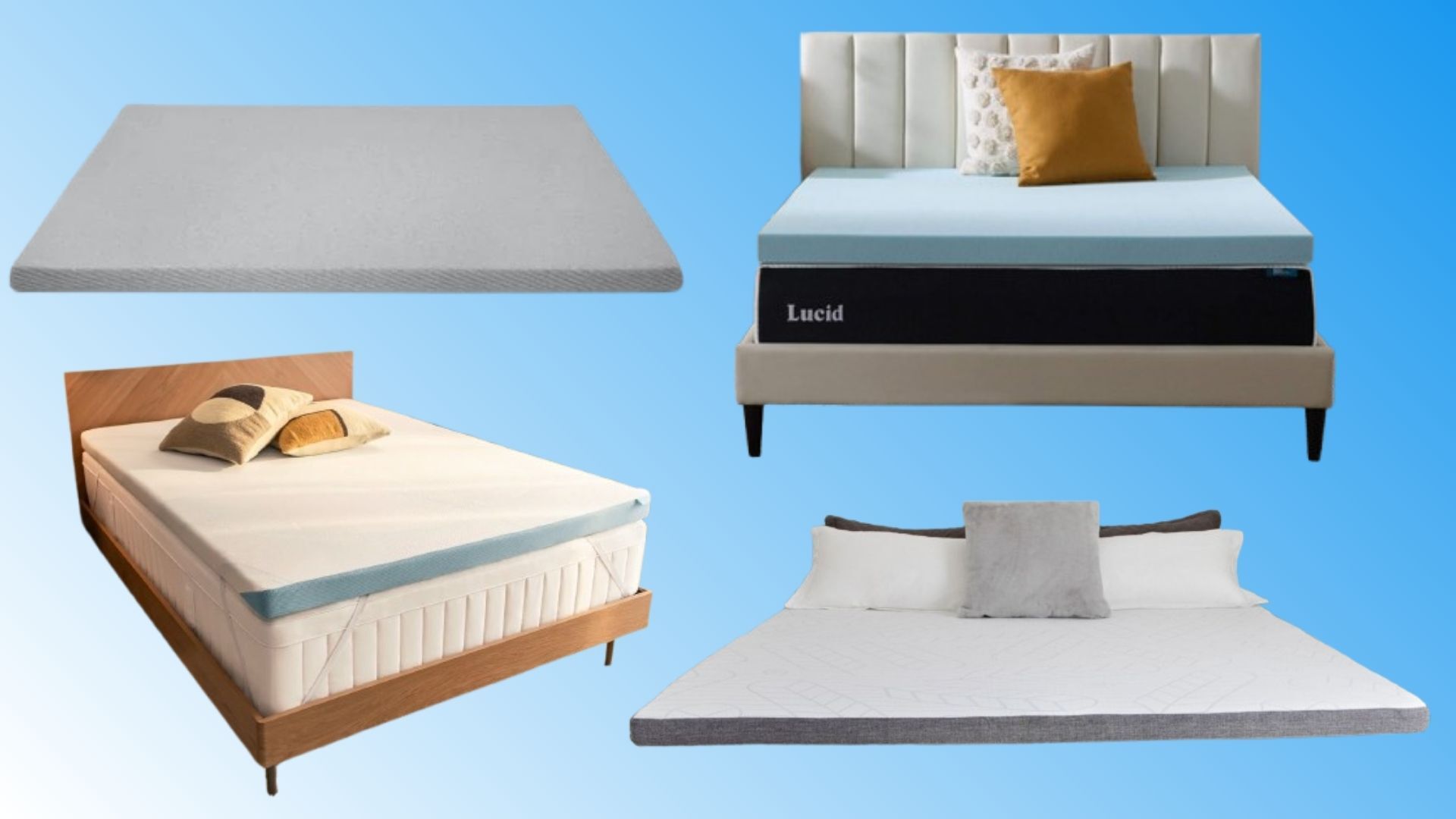
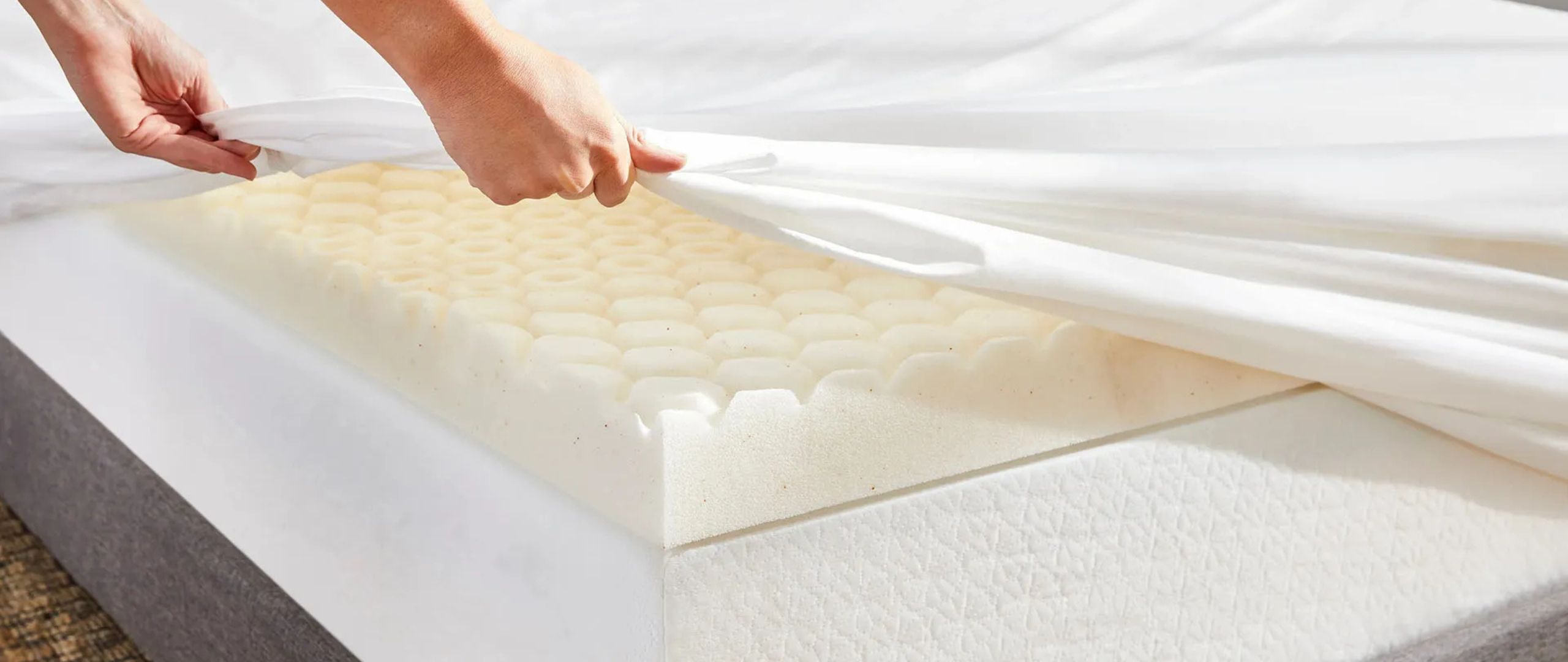
A memory foam topper is a soft layer added on top of a mattress. It makes the bed more comfortable and supportive.
These toppers help improve sleep quality by reducing pressure on the body. They also extend the life of your mattress.
Types Of Memory Foam
Memory foam comes in different types. Each type feels different and lasts for different times.
Some common types are traditional, gel-infused, and plant-based foams.
- Traditional memory foam:Soft and molds to your body shape.
- Gel-infused memory foam:Cools down your body while you sleep.
- Plant-based memory foam:Made with natural materials and eco-friendly.
Common Uses And Benefits
People use memory foam toppers to make old mattresses feel new. They also help with pain relief and better sleep.
These toppers provide support and comfort. They reduce pressure on joints and improve spinal alignment.
- Makes a mattress softer or firmer
- Relieves back and neck pain
- Reduces motion transfer between sleepers
- Improves sleep quality by contouring to the body
- Protects the mattress from wear and tear
Factors Influencing Lifespan
Memory foam toppers can last for several years. Their lifespan depends on many factors. Understanding these helps you get the best use from your topper.
Some factors are about the topper itself. Others are about how you use and care for it.
Density And Thickness
Density shows how much foam is packed in the topper. Higher density means it lasts longer. Thickness also affects comfort and durability.
Thicker toppers usually wear out more slowly. They provide better support over time.
- High density (4-5 lbs/ft³) lasts longer
- Thicker toppers (3 inches or more) resist sagging
- Low density may flatten quickly
Quality And Brand
Topper quality varies by brand and materials. Trusted brands often use better foam. This improves comfort and lifespan.
Cheap toppers may feel soft but break down fast. Quality products hold their shape for years.
- Look for CertiPUR-US or similar certifications
- Reputable brands usually offer warranties
- Higher price often means better materials
Usage Patterns
How often you use the topper affects its life. Daily use causes more wear than occasional use. Body weight also matters.
Heavier people may compress foam faster. Sharing the topper or using it on a firm base helps spread wear.
- Daily use shortens lifespan
- Heavier users may see faster wear
- Using a firm mattress base helps support
Maintenance And Care
Proper care extends a topper’s life. Regular cleaning keeps foam fresh. Avoid moisture to prevent damage.
Rotate the topper often to reduce pressure points. Use a mattress protector to keep it clean.
- Air out topper regularly
- Spot clean with mild detergent only
- Rotate every few months
- Use a mattress protector
Average Lifespan Expectations
Memory foam toppers add comfort to your mattress. Knowing how long they last helps you plan for replacement.
Several factors affect the life of a memory foam topper. These include quality, usage, and care.
Typical Duration Range
Most memory foam toppers last between three to five years. Higher quality foam may last longer.
Using the topper daily can reduce its lifespan. Occasional use may help it last closer to five years.
- Low-quality foam: 2 to 3 years
- Standard foam: 3 to 5 years
- High-quality foam: 5 to 7 years
Signs Of Wear And Tear
Wear and tear show when the topper no longer feels comfortable. It can lose shape or firmness.
Other signs include lumps, cracks, or a sour smell. These indicate the foam is breaking down.
- Loss of support or sinking spots
- Visible lumps or foam crumbling
- Unpleasant odors from the foam
- Indentations that do not bounce back
Extending Your Topper’s Life
Memory foam toppers add comfort to your bed. Taking care of them helps them last longer.
Simple habits keep your topper fresh and supportive for years.
Cleaning Tips
Keep your memory foam topper clean to avoid damage. Avoid soaking it in water.
Use gentle cleaning methods to protect the foam’s structure and softness.
- Spot clean with mild soap and water
- Use a clean cloth to blot stains
- Air dry completely before use
- Do not use harsh chemicals or bleach
Proper Storage
Store your topper in a dry place away from sunlight. Moisture can cause mold and mildew.
Keep it flat or rolled loosely to avoid permanent creases or damage.
- Use a breathable storage bag
- Avoid placing heavy items on top
- Keep away from heat sources
- Check regularly for signs of damage
Rotation And Flipping
Rotate your topper every few months. This prevents uneven wear and sagging.
Flip your topper if both sides are usable. This spreads out pressure evenly.
- Rotate 180 degrees regularly
- Flip top to bottom if possible
- Check for soft spots during rotation
- Helps maintain comfort and shape
When To Replace Your Topper
Memory foam toppers improve mattress comfort. They wear out over time and need replacement.
Knowing when to replace your topper helps keep good sleep quality and health.
Comfort Decline
Your topper may feel less soft or supportive. This is a sign it is losing its shape.
If you wake up with aches or feel less rested, your topper might need replacing.
- Foam feels flat or hard
- Pressure points develop on your body
- Topper does not bounce back after use
Visible Damage
Look for tears, cracks, or holes in your topper’s foam or cover. Damage affects comfort.
Stains or smells that do not go away may also mean it is time to replace the topper.
- Rips or tears in foam or cover
- Permanent stains or odors
- Foam crumbles or breaks apart
Health Considerations
Old toppers can hold dust mites and allergens. This can cause allergies or breathing issues.
If you notice more sneezing, coughing, or skin irritation, check your topper’s condition.
- Increased allergy symptoms
- Visible dust or mold
- Respiratory discomfort at night
Credit: www.tomsguide.com
Comparing Memory Foam With Other Toppers
Memory foam toppers are popular for comfort and support. Many people want to know how long they last compared to other toppers.
This article compares memory foam toppers with latex and hybrid options. It also looks at durability differences among them.
Latex And Hybrid Options
Latex toppers are made from natural or synthetic rubber. They offer a bouncy and firm feel, unlike memory foam’s slow response.
Hybrid toppers combine memory foam with latex or other materials. This mix aims to balance softness and support.
- Latex toppers usually last 7 to 10 years.
- Hybrid toppers last about 5 to 8 years.
- Memory foam toppers typically last 3 to 6 years.
Durability Differences
Memory foam can soften and lose shape faster than latex. It may develop indentations over time.
Latex is more resilient and bounces back quickly. It resists sagging and lasts longer under regular use.
Hybrid toppers’ durability depends on the materials used. They often last longer than pure memory foam but less than latex.
| Topper Type | Average Lifespan | Durability Traits |
|---|---|---|
| Memory Foam | 3 to 6 years | Softens and sags faster |
| Latex | 7 to 10 years | Resilient and bounces back |
| Hybrid | 5 to 8 years | Balanced durability, varies by blend |

Credit: www.turmerry.com
Frequently Asked Questions
How Long Does A Memory Foam Topper Typically Last?
A memory foam topper generally lasts between 3 to 5 years. Its lifespan depends on the quality of materials used. Regular maintenance, such as rotating and cleaning, can extend its life. Additionally, using a mattress protector can help prevent wear and tear, ensuring your topper remains in good condition longer.
What Factors Affect The Lifespan Of A Memory Foam Topper?
Several factors affect a memory foam topper's lifespan, including material quality, usage, and maintenance. Higher quality foam usually lasts longer. Frequent use may decrease its longevity. Regular cleaning and proper care can significantly extend its life. Additionally, a supportive mattress underneath can help maintain the topper's shape and durability.
How Can I Extend The Life Of My Foam Topper?
To extend your foam topper's life, rotate it regularly to distribute wear evenly. Use a mattress protector to guard against spills and stains. Clean it according to the manufacturer's instructions. Avoid jumping or placing heavy objects on it. Properly supporting it with a good mattress can also enhance durability.
When Should I Replace My Memory Foam Topper?
Replace your memory foam topper when it loses support and comfort. Signs include visible sagging, lumps, or indentations. If you wake up with aches or discomfort, it’s time for a new topper. Generally, if the topper is over five years old, consider replacing it for better sleep quality.
Conclusion
A memory foam topper usually lasts between 3 to 5 years. Its lifespan depends on quality and care. Using a protective cover helps it stay fresh longer. Regularly rotating the topper prevents uneven wear. Avoid exposing it to moisture or direct sunlight.
When the topper feels less supportive, it might be time to replace it. A well-maintained topper can keep your mattress comfortable for years. Remember, good care extends its life and keeps your sleep better. Choose wisely and treat your topper gently for the best results.