When you think about a hospital bed, one of the most important parts you might overlook is the mattress. But did you know the size of a hospital bed mattress can make a big difference in comfort and care?
Whether you’re caring for a loved one at home or choosing equipment for a medical facility, understanding the right mattress size is crucial. You’ll discover exactly what dimensions to look for and why they matter to you and your patient’s well-being.
Keep reading to find the perfect fit for your needs.
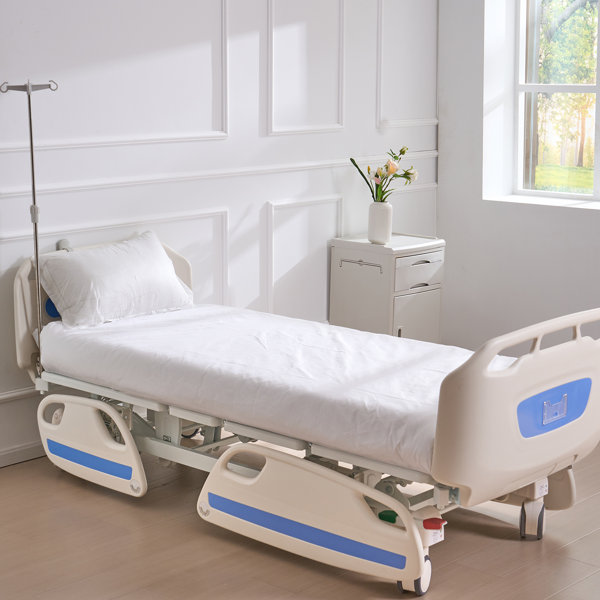
Credit: www.wayfair.ca
Standard Hospital Bed Mattress Sizes
Hospital bed mattresses come in various sizes to fit different beds. Knowing the right size is important for comfort and safety.
This guide explains the common sizes used for hospital bed mattresses.
Common Dimensions
The most common hospital bed mattress size is 36 inches wide and 80 inches long. This size fits most standard beds.
Other sizes vary slightly to fit specific needs or bed designs.
| Width (inches) | Length (inches) |
|---|---|
| 36 | 80 |
| 35 | 80 |
| 39 | 80 |
| 36 | 75 |
| 32 | 80 |
Variations By Bed Type
Mattress sizes can change depending on the hospital bed type. Different beds need different mattress sizes.
For example, bariatric beds use wider mattresses for larger patients. Pediatric beds use smaller mattresses for children.
- Standard beds: 36" x 80"
- Bariatric beds: 42" to 48" wide
- Pediatric beds: 28" to 32" wide, shorter length
- Low beds: Similar width, may be shorter length
Specialty Mattress Sizes
Hospital beds need mattresses that fit their special sizes. Regular mattresses do not work well. Specialty mattresses come in different sizes to match patient needs.
These mattresses help provide comfort and support. They also fit the bed frame perfectly to avoid safety risks.
Bariatric Mattresses
Bariatric mattresses are made for larger patients. They are wider and stronger than standard mattresses. These mattresses support more weight safely.
The typical bariatric mattress size is 42 to 48 inches wide. The length is usually 80 inches or more. Thickness varies to provide extra comfort and pressure relief.
- Width: 42 to 48 inches
- Length: 80 to 84 inches
- Thickness: 6 to 12 inches
Pediatric Mattresses
Pediatric mattresses are smaller to fit children's hospital beds. They offer proper support for growing bodies. These mattresses help keep children comfortable during care.
Common pediatric mattress sizes range from 28 to 36 inches wide. Lengths are shorter, often 52 to 72 inches. Thickness is enough to protect delicate skin and bones.
- Width: 28 to 36 inches
- Length: 52 to 72 inches
- Thickness: 4 to 6 inches
Materials And Thickness Options
Hospital bed mattresses come in various materials and thicknesses. These options help provide comfort and support for patients.
The size and type of mattress affect how well it fits the bed and meets patient needs.
Foam Mattresses
Foam mattresses use layers of foam to offer pressure relief. They are lightweight and easy to clean.
Thickness usually ranges from 4 to 8 inches. Thicker foam adds extra comfort and support.
- Made of high-density polyurethane foam
- Common thickness: 4, 6, or 8 inches
- Soft and contouring to the body
- Good for patients with pressure sores
Innerspring Mattresses
Innerspring mattresses have metal coils inside for support. Foam or padding covers the coils for comfort.
Thickness can vary from 6 to 9 inches. More coils usually mean better support and durability.
- Steel coils provide firm support
- Foam or fiber padding on top
- Thickness options: 6, 7, 8, or 9 inches
- Good for patients needing firm support
Air Mattresses
Air mattresses use air-filled chambers inside. They can adjust firmness by adding or removing air.
Thickness is usually between 4 and 10 inches. Adjustable firmness helps prevent bedsores.
- Air-filled chambers offer pressure relief
- Thickness ranges from 4 to 10 inches
- Firmness can be adjusted manually or automatically
- Ideal for long-term patient care
Factors Influencing Mattress Size
The size of a hospital bed mattress depends on many important factors. Choosing the right size helps patients rest well and stay safe.
Hospitals pick mattress sizes based on patient needs, bed frames, and medical care requirements. Each factor affects the mattress dimensions.
Patient Comfort
A mattress must fit the patient’s body to provide comfort. Too small or too big mattresses can cause pain or sores.
Comfort also comes from mattress thickness and material. These help reduce pressure points and improve sleep quality.
- Mattress length should suit patient height
- Width must allow easy movement
- Thickness supports body weight evenly
Bed Frame Compatibility
The mattress size must match the hospital bed frame exactly. A loose or tight fit can cause safety risks.
Different bed frames have standard mattress sizes. Hospitals select mattresses that fit their bed models well.
- Check mattress length and width against frame
- Ensure mattress thickness fits bed adjustments
- Consider frame features like side rails and wheels
Medical Requirements
Medical needs affect mattress size and type. Some patients require special mattresses for health reasons.
Pressure relief, infection control, and mobility support guide mattress choice in hospitals.
- Pressure-reducing mattresses are often wider and thicker
- Waterproof covers may add to mattress thickness
- Adjustable mattresses fit certain medical devices
Measuring For The Right Mattress
Choosing the correct size for a hospital bed mattress is important. A mattress that fits well improves comfort and safety.
Measuring your bed frame helps you find the mattress size that fits perfectly. Follow simple steps to get accurate measurements.
How To Measure Your Bed Frame
Start by measuring the length of the bed frame from head to foot. Use a tape measure for precise results.
Next, measure the width of the bed frame from side to side. Measure at the widest points to include any frame parts.
- Remove any bedding or mattress before measuring
- Measure the inside edge of the frame, where the mattress sits
- Check for adjustable parts that may change the size
Tips For Accurate Measurement
Use a metal tape measure for better accuracy. Cloth tapes can stretch and give wrong numbers.
Measure twice to avoid mistakes. Write down your measurements right away to keep them safe.
- Measure in inches or centimeters, depending on your preference
- Ask for help to hold the tape if the bed is large
- Check the height of the frame if you need a mattress that fits well

Credit: cnfure.en.made-in-china.com
Choosing Mattress Size For Different Settings
Choosing the right size for a hospital bed mattress is important for comfort and safety. Different settings need different mattress sizes based on patient needs and space.
Knowing the correct mattress size helps caregivers provide better care. It also supports patient recovery and mobility.
Hospitals And Clinics
Hospitals and clinics use standard bed sizes to fit most patients. The common mattress size is 36 inches wide and 80 inches long.
This size fits most adjustable hospital beds. It allows for medical equipment and easy patient movement.
- Standard width: 36 inches (91 cm)
- Standard length: 80 inches (203 cm)
- Some beds use wider or longer mattresses for larger patients
Home Care
Home care mattresses vary more because of space limits and patient needs. Many use standard hospital mattress sizes.
Some home care beds require smaller or extra-long mattresses. Choosing the right size helps with comfort and bed fit.
- Standard mattress: 36 x 80 inches
- Smaller mattresses: 30 x 75 inches for compact beds
- Extra-long mattresses: 36 x 84 inches for taller patients
Nursing Homes
Nursing homes often use mattresses that balance comfort and durability. Sizes are close to hospital mattress dimensions.
Mattresses must fit standard bed frames and support long-term care needs. Some facilities use wider mattresses for extra comfort.
- Common size: 36 x 80 inches
- Wide mattresses: 38 to 42 inches for added support
- Lengths may vary from 75 to 80 inches
Future Trends In Hospital Bed Mattresses
Hospital bed mattresses are changing to meet new needs. Future trends focus on comfort and care.
These trends include new materials and size options to improve patient experience.
Innovative Materials
New materials make mattresses softer and more supportive. They help prevent bed sores and improve hygiene.
Some mattresses use gel or air layers to reduce pressure points. These materials also last longer.
- Gel layers for better pressure relief
- Air cells that adjust firmness
- Antimicrobial covers to stop germs
- Eco-friendly and recyclable materials
Adjustable Size Solutions
Adjustable mattresses fit different bed sizes and patient needs. They offer more flexibility in hospitals.
These mattresses can expand or shrink. This helps with patient comfort and easier storage.
- Modular mattress pieces that connect
- Expandable mattresses for various bed widths
- Custom sizes for special patient needs
- Easy to clean and replace parts

Credit: www.sondercare.com
Frequently Asked Questions
What Are The Standard Dimensions Of A Hospital Bed Mattress?
A typical hospital bed mattress measures 36 inches wide and 80 inches long. This size fits most adult hospital beds and provides adequate comfort and support for patients during their stay.
Do Hospital Bed Mattresses Vary By Patient Size?
Yes, hospital bed mattresses come in different sizes. Pediatric beds are smaller, while bariatric mattresses are wider and stronger to accommodate larger patients.
What Materials Are Used In Hospital Bed Mattresses?
Hospital bed mattresses usually use foam, gel, or air-filled materials. These materials provide pressure relief, comfort, and durability essential for patient care.
How Thick Is A Standard Hospital Bed Mattress?
Standard hospital bed mattresses are typically 6 to 8 inches thick. Thickness ensures proper support and pressure distribution for patient safety.
Conclusion
Choosing the right hospital bed mattress size is crucial. It affects comfort and care quality. Standard sizes include twin, full, queen, and specialty sizes. Each serves different needs and spaces. Consider patient mobility and room dimensions. Proper size ensures safety and support.
It helps in patient recovery. A well-fitted mattress enhances sleep quality. Also, it reduces pressure sores. Always consult healthcare providers for the best choice. They can offer valuable insights. Remember, the right size can make a difference. It promotes better health outcomes.
Prioritize patient comfort and safety when selecting a mattress size.