How long should a memory foam mattress last? If you’ve ever wondered whether your mattress is still giving you the support and comfort you need, you’re not alone.
Your mattress plays a huge role in how well you sleep and how refreshed you feel each day. Knowing when it’s time to replace it can save you from restless nights and back pain. You’ll discover the typical lifespan of a memory foam mattress and key signs that tell you it’s time for a change.
Keep reading to protect your sleep and make the most out of your mattress investment.
Credit: www.tomsguide.com
Memory Foam Mattress Basics
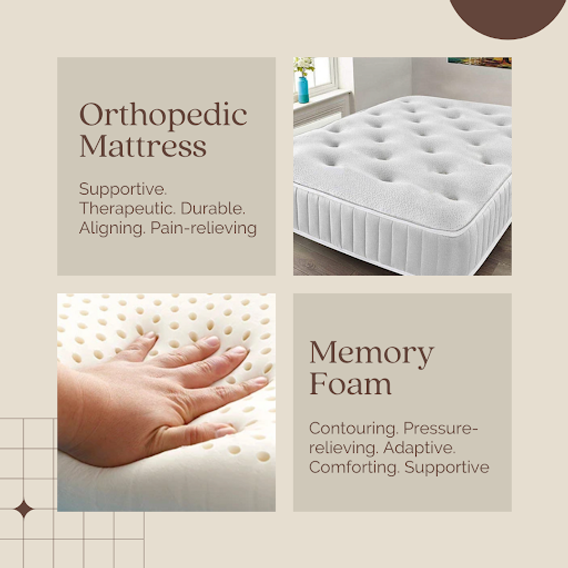
Memory foam mattresses are popular for comfort and support. They mold to your body shape for better sleep.
Knowing the basics helps you understand how long these mattresses last. It also helps you choose the right type.
What Is Memory Foam
Memory foam is a soft material made from polyurethane. It reacts to heat and pressure, molding to your body.
This foam reduces pressure points and helps with spine alignment. It returns to its shape after you get up.
Types Of Memory Foam Mattresses
There are several types of memory foam mattresses. Each type offers different comfort and durability levels.
- Traditional memory foam: Soft and molds closely to the body.
- Gel-infused memory foam: Cools the mattress by reducing heat buildup.
- Plant-based memory foam: Made with natural ingredients for eco-friendliness.
- Open-cell memory foam: More breathable and cooler than traditional foam.
- High-density memory foam: More durable and supportive for longer use.

Credit: www.leesa.com
Factors Affecting Mattress Lifespan
Memory foam mattresses last for several years, but many things affect their lifespan. Knowing these factors helps you care for your mattress better.
Some factors make a mattress wear out faster, while others help it last longer. Understanding these can save you money and improve sleep quality.
Quality Of Materials
The type and quality of foam in the mattress affect how long it lasts. High-density foam usually lasts longer than low-density foam.
Good materials resist sagging and keep their shape over time. Cheaper foams can break down quickly and lose support.
- High-density memory foam offers better durability
- Low-density foam may soften and sag faster
- Quality covers protect the foam from damage
- Certifications show foam is made with safe materials
Usage And Weight
How often you use your mattress changes how fast it wears out. Daily use means more pressure and stress on the foam.
Heavier people put more weight on the mattress, which can cause faster sagging. Lighter weight means less pressure and longer life.
- More use shortens mattress lifespan
- Heavier sleepers cause quicker foam breakdown
- Using mattress gently helps it last longer
Maintenance And Care
Taking good care of your mattress can keep it in shape longer. Regular cleaning and rotating reduce wear on one spot.
Protecting the mattress with a cover stops stains and dust from damaging the foam. Avoid moisture to prevent mold and mildew.
- Rotate mattress every 3 to 6 months
- Use mattress protectors to prevent stains
- Keep mattress dry and clean
- Follow manufacturer care instructions
Average Lifespan Of Memory Foam Mattresses
Memory foam mattresses offer comfort and support. Knowing how long they last helps you plan for replacement.
The lifespan depends on the mattress quality and usage. Most last several years before needing replacement.
Typical Duration
Memory foam mattresses usually last 7 to 10 years. Higher quality foams often last closer to 10 years.
Lower quality or cheaper mattresses may wear out in about 5 years. Proper care can extend the mattress life.
- High-quality memory foam: 8 to 10 years
- Mid-range memory foam: 6 to 8 years
- Low-quality memory foam: 4 to 6 years
Signs Of Wear And Tear
Look for sagging or lumps in the mattress. These signs mean the foam is breaking down.
Other signs include loss of support and increased discomfort while sleeping. These indicate it is time to replace your mattress.
- Visible sagging or indentations
- Loss of support and firmness
- Increased discomfort or pain
- Foam not bouncing back after use
Credit: www.leesa.com
Extending Mattress Durability
Memory foam mattresses usually last around 7 to 10 years. Taking good care of your mattress helps it stay comfy and supportive longer.
Simple habits can protect your mattress from damage. This keeps it fresh and extends its life.
Proper Cleaning Tips
Keep your mattress clean to avoid dirt and dust buildup. Regular cleaning stops stains and odors from setting in.
Use a vacuum with a soft brush to remove dust. Spot clean spills quickly with mild soap and water.
- Vacuum mattress every 1-2 months
- Blot spills immediately with a clean cloth
- Use gentle cleaning products only
- Let mattress air dry completely before use
Using Mattress Protectors
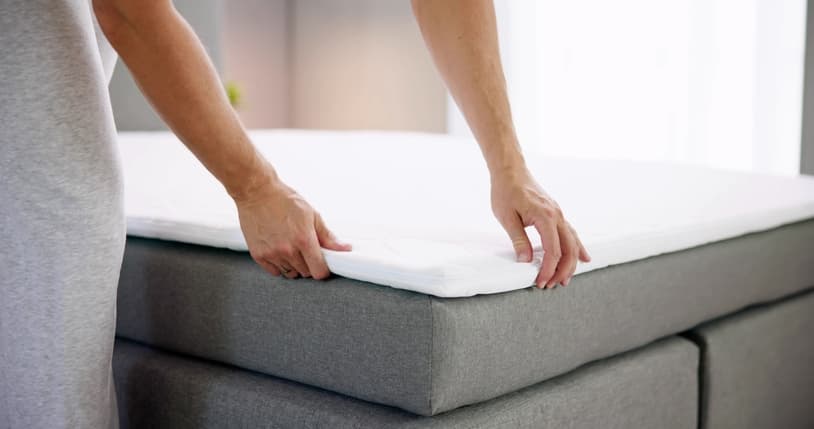
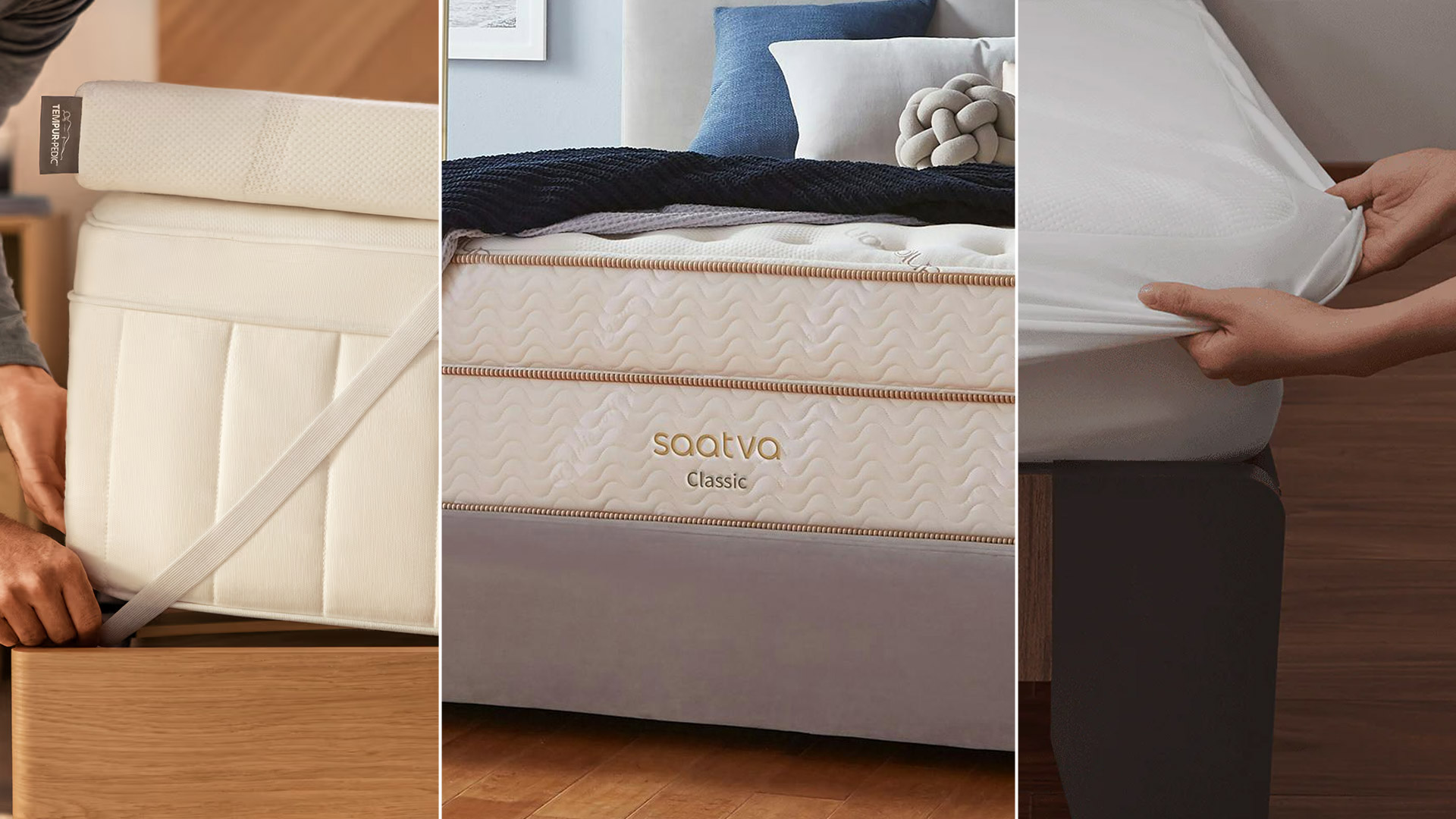
A mattress protector acts as a shield against sweat, spills, and dust mites. It keeps your mattress clean and dry.
Choose a protector that fits well and is easy to remove. Wash it regularly to maintain hygiene.
- Select waterproof or allergen-proof protectors
- Remove and wash protector every few weeks
- Check protector for wear and replace if needed
Rotating And Flipping
Turning your mattress helps it wear evenly. This prevents sagging and dents from forming.
Rotate the mattress head-to-foot every 3 to 6 months. Some memory foam mattresses can also be flipped.
- Rotate mattress 180 degrees regularly
- Flip mattress if the design allows
- Follow manufacturer instructions for flipping
When To Replace Your Mattress
Memory foam mattresses usually last around 7 to 10 years. Knowing when to replace your mattress helps keep your sleep healthy.
Look for signs that show your mattress is no longer comfortable or supportive. These signs can affect your rest and health.
Comfort Decline
Your mattress should feel comfortable and supportive. If it feels soft, lumpy, or uneven, it may be time to change it.
Comfort decline can cause pain in your back or joints. Poor sleep quality is also a common sign.
- Mattress feels saggy or flat
- You wake up with body aches
- Sleep feels restless or disturbed
Allergy Symptoms
Old mattresses can collect dust mites, mold, and allergens. These can cause allergy symptoms or worsen asthma.
Watch for sneezing, coughing, or itchy eyes that get worse at night or in the bedroom.
- Increased sneezing or runny nose
- Itchy or watery eyes
- Worsening asthma or breathing problems
Visible Damage
Check your mattress for tears, holes, or stains. These signs show the mattress is worn out and less hygienic.
Visible damage can reduce support and cause discomfort. It is a clear sign you need a new mattress.
- Ripped or torn cover
- Permanent stains or discoloration
- Foam that breaks apart or crumbles
Comparing Memory Foam To Other Mattress Types
Memory foam mattresses are popular for comfort and support. Many people wonder how long they last compared to other mattresses.
This guide looks at memory foam and compares it to innerspring, latex, and hybrid mattresses. Knowing lifespan helps you choose the right mattress.
Innerspring Mattresses
Innerspring mattresses have coils that provide support. They usually last around 7 to 10 years.
They may wear out faster than memory foam because coils can sag or break over time.
- Good breathability and bounce
- Can develop pressure points
- Shorter lifespan than memory foam
Latex Mattresses
Latex mattresses use natural or synthetic rubber. They are very durable and can last 10 to 15 years.
Latex offers good support and stays cooler than memory foam. It resists sagging well over time.
- Long lifespan, often 10+ years
- Good bounce and support
- Usually more expensive
Hybrid Mattresses
Hybrid mattresses combine coils and foam layers. Their lifespan depends on materials but is usually 8 to 12 years.
They offer a balance of support and comfort. Quality foam layers can help hybrids last longer.
- Mix of coil support and foam comfort
- Lifespan varies by quality
- Good airflow and pressure relief
Buying Tips For Long-lasting Mattresses
Memory foam mattresses can last many years if you choose the right one. It is important to know what to look for before buying.
This guide helps you understand key factors to find a mattress that stays comfortable and supportive longer.
Assessing Density And Ild
Density shows how much foam is packed in the mattress. Higher density means it lasts longer and feels firmer.
ILD stands for Indentation Load Deflection. It measures how soft or firm the foam feels. A good balance helps the mattress keep shape.
- Choose foam with density above 4 pounds per cubic foot for durability
- Look for ILD between 12 and 25 for balanced comfort and support
- Very soft foam (low ILD) breaks down faster
- Firm foam (high ILD) may feel too hard but lasts longer
Warranty And Brand Reputation
A good warranty shows the brand trusts its mattress quality. Check how long the warranty lasts and what it covers.
Brands with strong reputations often make better products. Look for reviews and ratings from real customers.
- Look for warranties of 10 years or more
- Check if the warranty covers sagging or foam breakdown
- Research brand history and customer feedback
- Choose brands known for quality memory foam
Frequently Asked Questions
What Is The Lifespan Of A Memory Foam Mattress?
A memory foam mattress typically lasts between 7 to 10 years. Its lifespan depends on usage, quality, and maintenance. Regularly rotating the mattress and using a mattress protector can extend its life. Investing in a high-quality mattress from a reputable brand also ensures better durability and longevity.
How Can You Extend A Memory Foam Mattress's Life?
To extend its life, rotate the mattress every 3-6 months. Use a mattress protector to guard against spills and dust. Keeping the mattress clean and supporting it with a good foundation can also help. Avoid excessive jumping or applying too much weight in one area.
Do Memory Foam Mattresses Sag Over Time?
Yes, memory foam mattresses can sag over time, especially with improper care. Regularly rotating and flipping the mattress can help prevent sagging. Investing in a high-density memory foam mattress can also reduce the risk of sagging. Proper support from a sturdy bed frame is crucial to maintaining its shape.
Are Memory Foam Mattresses Durable?
Memory foam mattresses are known for their durability and comfort. High-quality memory foam can withstand years of use without losing its shape. Regular maintenance, such as cleaning and rotating, ensures its durability. Choosing a mattress with a warranty can provide extra peace of mind regarding its longevity.
Conclusion
A memory foam mattress usually lasts about 7 to 10 years. Its life depends on how well you care for it. Regular cleaning and good support help it stay comfortable longer. Watch for signs like sagging or loss of shape.
These mean it might be time to replace your mattress. A good mattress supports better sleep and health. Choose wisely and maintain it well to enjoy restful nights.