Have you ever wondered why the small table in your living room is called a coffee table? It’s a name you hear every day, but few people stop to think about where it came from.
Understanding why it’s called a coffee table can change the way you see this common piece of furniture in your home. If you’re curious about its history and the surprising reasons behind the name, keep reading—you might discover something that makes your living space feel even more special.
Credit: www.perigold.com
Origins Of The Coffee Table
The coffee table is a common piece of furniture in many homes. It is usually placed in front of a sofa or seating area.
The name "coffee table" comes from its original use. People used it to hold coffee cups and small items.
Early Furniture Designs
Early coffee tables were low and wide. They matched the height of sofas and chairs for easy reach.
These tables were often simple in design. They had flat surfaces and sturdy legs to hold drinks safely.
Cultural Influences
Coffee drinking became popular in Europe in the 17th century. This led to the need for special tables.
In some cultures, people sat on low cushions. Tables were made low to fit this style of sitting.
- European coffee houses influenced table design
- Low tables fit the style of relaxed social gatherings
- Tables were designed to hold coffee pots and cups
Credit: www.dezignlover.com
The Rise Of Coffee Culture
Coffee culture began many centuries ago. It grew as people met in special places to drink coffee.
These gatherings changed social habits and the furniture people used at home.
Coffeehouses In History
Coffeehouses started in the Middle East around the 15th century. They became popular in Europe later.
People visited coffeehouses to talk, read, and share ideas. These places were called “penny universities” for learning.
- First coffeehouses opened in Mecca and Istanbul.
- London coffeehouses appeared in the 1600s.
- These places helped spread news and culture.
Social Habits And Furniture
As coffee became common in homes, furniture changed to match new habits. People wanted a place for coffee cups.
The coffee table was made to hold coffee cups, snacks, and books. It sits low in front of sofas for easy use.
- Coffee tables offer space for drinks and magazines.
- They encourage people to sit and chat together.
- The name comes from their use for serving coffee.
Evolution Of The Coffee Table
The coffee table is a common piece of furniture in many homes. Its name comes from the idea of placing coffee cups on it while sitting in the living room.
Over time, the coffee table has changed in shape, size, and style. These changes reflect how people live and what they need from this table.
Design Changes Over Time
At first, coffee tables were low and simple. People used them mainly to hold coffee cups and small items. Later, designs became more creative and functional.
Some coffee tables now have shelves or drawers. These features help store magazines, remotes, and other items. The shapes also vary from round to square to irregular forms.
- Early tables were low and plain
- Mid-century designs added style and function
- Modern tables often include storage options
- Shapes evolved to fit different room styles
Materials And Styles
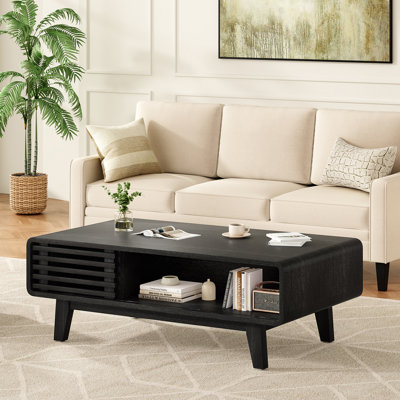
Materials for coffee tables have changed a lot. Wood was common in the past. Now, metal, glass, and plastic are popular too.
Styles reflect different eras and tastes. Some tables are rustic, others are sleek and modern. This variety helps match any home décor.
- Wood for classic and rustic looks
- Glass for a light and modern feel
- Metal for industrial style
- Mixed materials for unique designs
Credit: www.wayfair.com
Why The Name 'coffee Table'?
The coffee table is a low table often found in living rooms. Its name comes from its use during coffee drinking times.
People place drinks and snacks on it, especially coffee. This practical use gave the table its common name.
Function And Placement
A coffee table sits in front of a sofa or chairs. It holds cups, books, and small items within easy reach.
Its size and height make it perfect for resting drinks and snacks while relaxing. This makes social gatherings more comfortable.
- Placed low and central in a seating area
- Used to hold drinks, food, and magazines
- Keeps items accessible without standing up
Connection To Coffee Drinking
The coffee table became popular in the 17th century. People enjoyed coffee as a social drink during that time.
The table offered a place to set down coffee cups. This helped keep the drinks stable and the space tidy.
- Named for holding coffee cups and pots
- Encouraged social coffee drinking at home
- Made coffee gatherings more convenient
Coffee Tables In Modern Homes
Coffee tables got their name because people used to place coffee cups on them. Today, they are found in almost every living room. These tables serve many purposes beyond holding coffee.
In modern homes, coffee tables blend style and function. They bring the room together and make living spaces more useful.
Contemporary Uses
Modern coffee tables do more than hold drinks. People use them for work, games, and snacks. Some even have storage inside.
Many coffee tables have features like lift tops or wheels. These make the tables easier to use in different ways.
- Holding drinks and snacks
- Working on laptops or tablets
- Playing board games and cards
- Storing books, magazines, or remotes
- Acting as a display surface for decorations
Decor And Practicality
Coffee tables add style to a room. Their shape, color, and material affect the space’s look. Wood, glass, and metal are popular choices.
Practical coffee tables help keep rooms tidy. Drawers and shelves hide clutter. A good table fits the room size and style well.
- Wood tables for a warm, classic feel
- Glass tops for a light, modern look
- Metal frames for an industrial style
- Storage options to reduce mess
- Size matched to room and seating
Frequently Asked Questions
What Is The Origin Of The Term "coffee Table"?
The term "coffee table" originated in late 19th century England. Initially, these tables were used to serve tea, but as coffee gained popularity, the name evolved. The switch also reflected the shift in social habits, with coffee becoming a popular drink for social gatherings.
Why Are Coffee Tables Usually Low?
Coffee tables are typically low to match the height of seating. This design allows easy access to items like drinks, books, and snacks while seated. The low height also complements the overall aesthetics of living room furniture, creating a cohesive and comfortable environment.
Are Coffee Tables Used Only For Coffee?
Coffee tables are versatile pieces of furniture. They're not limited to just serving coffee. People use them for displaying decor, holding books, or serving snacks. Their central location in a living room makes them ideal for various purposes, enhancing both function and style.
How Did Coffee Tables Become Popular?
Coffee tables gained popularity in the 20th century. As living rooms became central to home entertainment, these tables served as focal points. They provided a convenient surface for hosting guests and supported the growing coffee culture, thus solidifying their place in modern households.
Conclusion
The coffee table got its name from a simple habit: holding coffee cups. It started as a small, low table near seating areas. People placed their coffee on it while chatting or relaxing. Over time, it became a common piece in many homes.
Today, it holds books, snacks, and decorations too. The name reflects its original use and cozy purpose. A coffee table is more than furniture; it brings people together. Understanding its name helps appreciate its role in daily life. Simple and practical, just like the coffee it was made for.