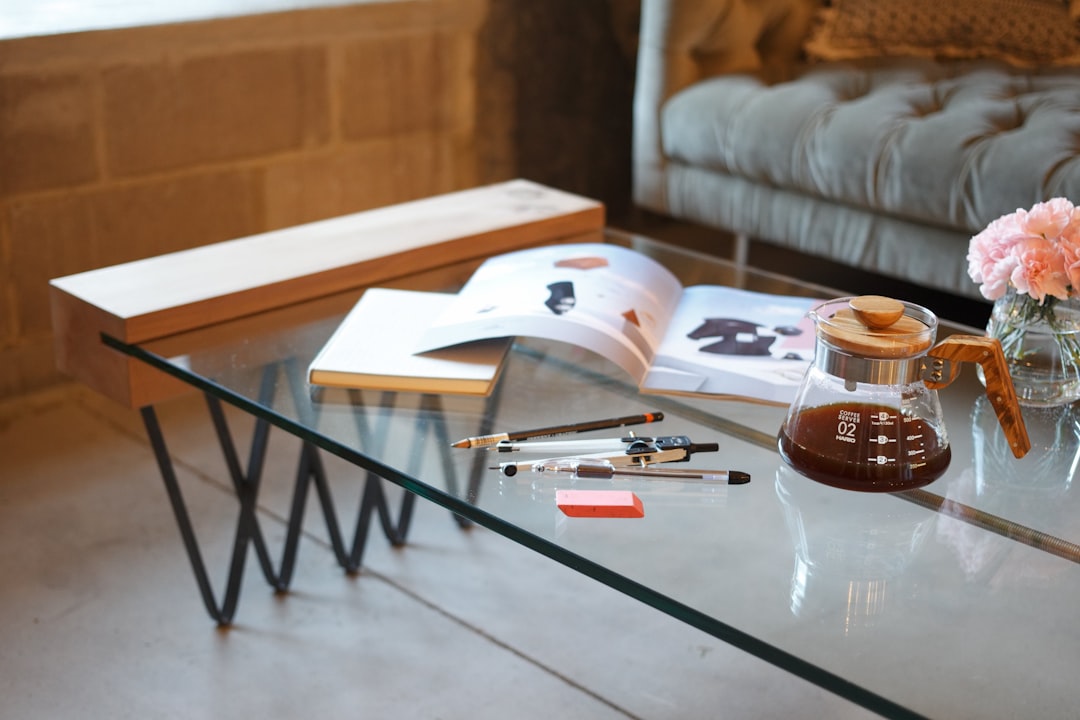
Your wood coffee table is more than just a piece of furniture—it’s a part of your living space that holds memories and adds warmth to your home. But what happens when water damage leaves unsightly stains or warps the surface?
You might feel frustrated or unsure about how to fix it without making things worse. The good news is, you don’t have to replace your table or call a professional right away. You’ll discover simple, effective ways to restore your wood coffee table and bring back its natural beauty.
Keep reading, and you’ll learn how to tackle water damage step-by-step, saving both your table and your peace of mind.
Credit: lumbergrand.com
Identify Water Damage
Water damage on a wood coffee table can weaken its structure and ruin its look. You need to find signs of damage early to fix it well.
Look closely at your table to spot any changes caused by water. This helps you decide the right way to repair it.
Check For Stains And Rings
Water often leaves white or dark stains on wood surfaces. These marks appear when cups or glasses sit on the table without coasters.
Look for round rings or blotches on the wood finish. These stains show where water has sat and damaged the surface.
- White rings mean moisture trapped under finish
- Dark stains show water soaked into wood
- Stains can be small spots or large patches
Detect Warping And Swelling
Water can cause wood to change shape. Check if your table surface or legs look bent or uneven.
Swollen wood feels soft and may look puffed up. This happens when wood absorbs water for a long time.
- Look for areas that are raised or bulging
- Feel for softness or spongy texture
- Check if drawers or doors stick or don’t close well
Look For Mold Or Mildew
Mold and mildew grow on wet wood. They appear as black, green, or white fuzzy spots.
Smell your table for a musty odor. This smell often means mold is present inside or on the surface.
- Check corners and under the table
- Look for fuzzy or powdery patches
- Note any strong damp or earthy smells
Prepare The Table For Repair
Fixing water damage on a wood coffee table starts with good preparation. You need to get the surface ready before any repair work.
Cleaning, removing loose finish, and drying the wood are important first steps. These steps help the repair last longer.
Clean The Surface
Remove dust and dirt from the table surface before fixing any damage. Use a soft cloth and mild soap with water.
Gently wipe the surface and avoid soaking the wood. Dry it with a clean towel after cleaning.
Remove Loose Finish
Check for peeling or cracked finish on the table. Use fine sandpaper to remove any loose or damaged finish carefully.
Work gently to avoid scratching the wood underneath. This step helps the new finish stick well.
Dry The Wood Thoroughly
Make sure the wood is completely dry before repairing. Use a fan or let the table sit in a dry room for several hours.
Never use heat sources like hair dryers, which can damage the wood further.
Remove Water Stains
Water stains on a wood coffee table can look bad. They happen when water sits too long on the surface. You can fix these stains using simple things found at home.
Try easy ways to remove the marks and make your table look nice again. Use gentle methods to protect the wood finish.
Use Iron And Cloth Method
This method uses heat to pull out water stains. You need an iron and a clean cloth. The heat helps dry the moisture trapped in the wood.
First, place the damp cloth over the water stain. Set the iron to low heat. Press the iron gently on the cloth for a few seconds. Lift and check the stain. Repeat if needed, but do not use high heat.
Apply Baking Soda Paste
Baking soda can help remove water marks without harming the wood. Make a paste by mixing baking soda with a little water. The paste should be thick but spreadable.
Apply the paste gently on the stain. Rub in small circles using a soft cloth. Let it sit for a few minutes. Wipe off the paste with a clean, damp cloth. Dry the area well.
Try Toothpaste Treatment
Use plain white toothpaste to fix water stains. Avoid gel or colored toothpaste. Toothpaste helps lift the mark from the wood surface.
Put a small amount of toothpaste on a soft cloth. Rub it gently on the stain in a circular motion. After rubbing, wipe the area with a damp cloth. Dry the spot with a clean towel.

Credit: www.youtube.com
Fix Warped Or Swollen Wood
Water damage can make your wood coffee table warp or swell. Fixing it helps restore its shape and beauty. Acting quickly can prevent further damage.
This guide shows simple ways to fix warped or swollen wood on your table. You can try applying moisture and weight, sanding down raised areas, and using wood filler for gaps.
Apply Moisture And Weight
Adding moisture helps wood fibers relax and return to their original shape. Use a damp cloth to apply moisture to the swollen area.
After moistening, place a flat, heavy object on the warped wood. Keep it there for several hours or overnight. This pressure helps the wood flatten as it dries.
- Use a clean, damp cloth for moisture
- Apply even pressure with a heavy book or board
- Check the wood regularly to avoid over-wetting
Sand Down Raised Areas
Once the wood is dry, sand down raised or rough spots. Sanding smooths the surface and removes any swelling that remains.
Use fine-grit sandpaper and sand gently in the wood grain direction. This helps keep the wood surface even and prevents damage.
- Start with 120-grit sandpaper
- Finish with 220-grit for a smooth feel
- Wipe off dust with a dry cloth before finishing
Use Wood Filler For Gaps
Water damage can cause gaps or cracks in the wood. Use wood filler to fill these spaces and restore the table’s surface.
Choose a filler that matches your wood color. Apply it with a putty knife and smooth it flat. Let it dry completely before sanding it smooth.
- Pick wood filler close to your table’s color
- Apply in thin layers for best results
- Sand the dried filler to blend with the wood
Restore The Finish
Water damage can ruin the look of your wood coffee table. Fixing the finish helps bring back its beauty. You can make your table look new again with a few simple steps.
Restoring the finish protects the wood and keeps it strong. This guide shows how to choose the right stain, apply a clear coat, and polish the surface.
Choose The Right Wood Stain
Pick a wood stain that matches your table's original color. Test the stain on a small hidden spot first. This prevents surprises and helps you find the best match.
Use a soft cloth or brush to apply the stain evenly. Let it dry fully before moving to the next step. Proper staining brings back the table’s natural look.
Apply Clear Coat Or Varnish
A clear coat protects the wood from future damage. Choose varnish or polyurethane for a strong finish. Apply thin layers for the best result.
Use a clean brush to spread the clear coat smoothly. Let each layer dry before adding another. Usually, two or three coats give good protection.
- Sand lightly between coats with fine sandpaper
- Work in a dust-free area
- Follow the product’s drying times
Polish For Smoothness
Polishing gives your table a smooth and shiny finish. Use a soft cloth or buffing pad to polish the surface gently. This removes rough spots and enhances shine.
Apply a small amount of furniture polish or wax. Rub in circular motions until the surface feels smooth. Regular polishing keeps your table looking great for years.
Prevent Future Damage
Water damage can ruin your wood coffee table’s look. Taking steps to prevent damage helps keep it nice.
Small habits can protect your table from stains, warping, and cracking over time.
Use Coasters And Mats
Place coasters under cups and glasses to stop water rings. Use mats for hot dishes or pots.
These protect the wood surface from moisture and heat damage.
- Choose coasters made from absorbent materials like cork or fabric
- Use heat-resistant mats for hot items
- Replace coasters if they get too wet or dirty
Maintain Humidity Levels
Wood changes with humidity. Too much or too little moisture causes cracks and warping.
Keep room humidity between 40% and 60% for best wood health.
- Use a humidifier in dry seasons
- Use a dehumidifier in very humid areas
- Keep your table away from heaters and vents
Regular Cleaning Tips
Clean your wood table often to remove dust and dirt that can scratch the surface.
Use a soft cloth and mild cleaner made for wood furniture.
- Wipe spills immediately to avoid stains
- Use a microfiber cloth to avoid scratches
- Avoid harsh chemicals or abrasive cleaners

Credit: handicraftmagazine.com
Frequently Asked Questions
How To Identify Water Damage On Wood?
Water damage on wood often appears as discoloration, stains, or warping. Look for dark spots or changes in texture. Warped wood may feel uneven or bumpy. Early detection is crucial to prevent further damage. Regularly inspect your wood furniture for any signs of water exposure.
Can A Coffee Table Be Repaired After Water Damage?
Yes, a coffee table can often be repaired after water damage. First, dry the table completely. Sand down any warped or stained areas, then refinish to restore its original look. For severe damage, consider replacing damaged sections. Consulting a professional may be beneficial for extensive repairs.
What Household Items Can Fix Water Damage?
Household items like vinegar, baking soda, and toothpaste can help fix minor water damage. Vinegar removes stains, while baking soda absorbs moisture. Toothpaste can buff out minor scratches. Always test these items on a small area first. For best results, follow up with a suitable wood polish.
How Long Does It Take To Fix Water Damage?
The time to fix water damage depends on its severity. Minor damage may take a few hours to repair. More extensive damage could take a few days. Allow enough drying time between each step. Patience ensures a thorough and lasting repair.
Conclusion
Fixing water damage on a wood coffee table is doable with patience. Start by drying the wood completely. Use gentle sanding to smooth rough spots. Apply wood polish or oil to restore shine. Small steps make a big difference. Care and regular maintenance protect your table longer.
Your coffee table can look good again with simple effort. Keep it safe from future water spills. A little work brings back its charm and warmth.