Are you confused about choosing the right mattress or pillow? You might have heard about memory foam and gel foam, but do you really know how they differ?
Understanding the difference between memory foam and gel foam can make a big impact on your comfort and sleep quality. You’ll discover the unique features of each material and how they affect your body. By the end, you’ll feel confident making the best choice for your sleep needs.
Keep reading to find out which foam is truly right for you.
Credit: madeinca.ca
Memory Foam Basics
Memory foam is a type of material used in mattresses and cushions. It molds to the shape of your body when you lie down.
This foam reacts to heat and pressure, making it feel soft and supportive. It helps reduce pressure points on the body.
How Memory Foam Works
Memory foam softens when it gets warm from your body heat. It then molds to your shape to support you evenly.
When you get up, the foam slowly returns to its original shape. This process helps reduce stress on your joints.
Benefits Of Memory Foam
Memory foam offers many benefits for comfort and support. It helps improve sleep quality for many people.
- Reduces pressure on hips and shoulders
- Supports proper spine alignment
- Absorbs motion to reduce disturbance from partners
- Durable and long-lasting material
Common Uses
Memory foam is used in many products that need comfort and support. It is popular in bedding and seating.
- Mattresses and mattress toppers
- Pillows and cushions
- Wheelchair and car seat padding
- Shoes and sports equipment
Gel Foam Essentials
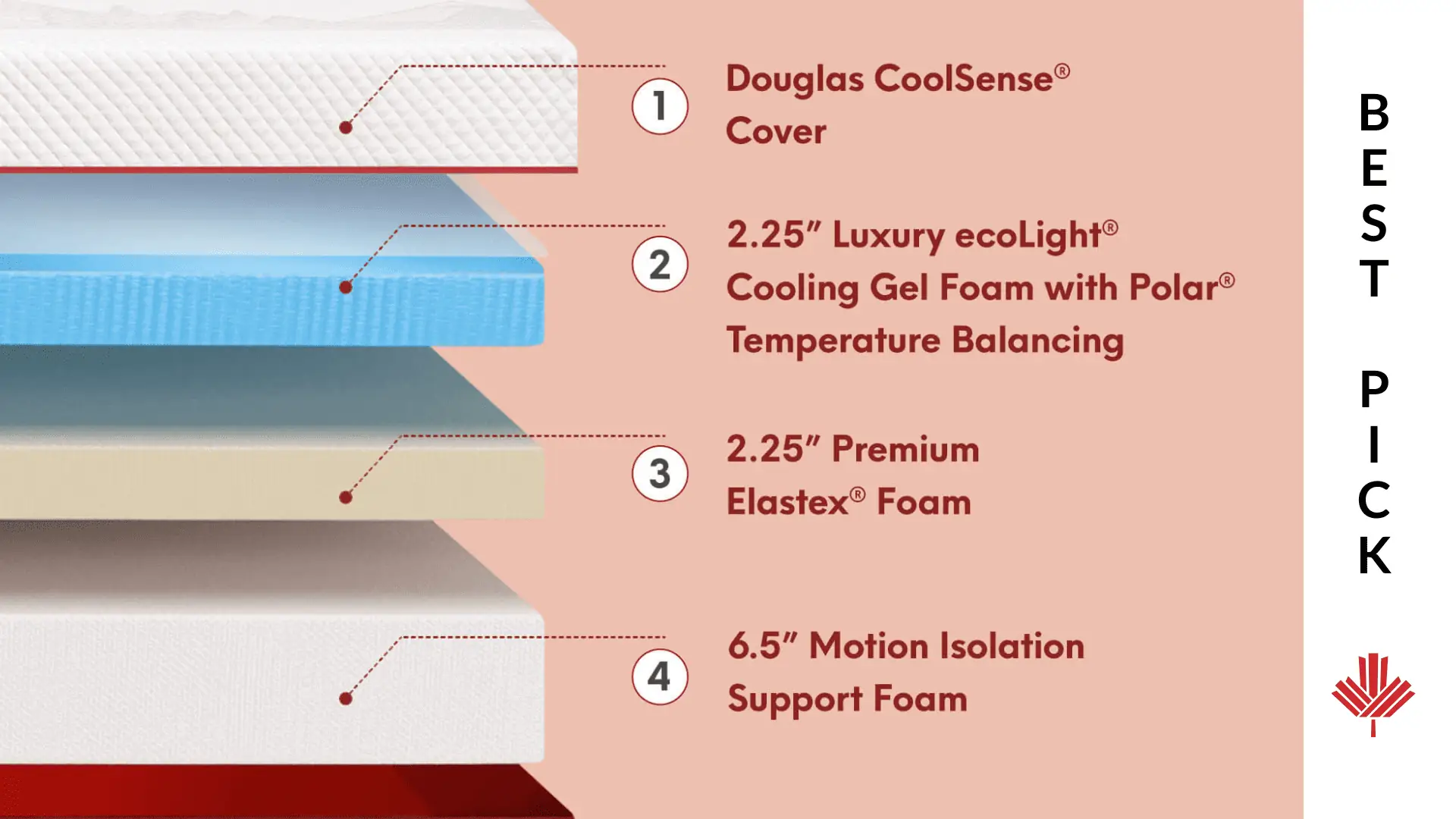
Gel foam is a special type of foam used in mattresses and cushions. It combines regular foam with gel to improve comfort and support.
This material helps reduce heat and pressure while you rest. It offers a different feel than memory foam alone.
What Makes Gel Foam Unique
Gel foam has tiny gel beads or layers inside the foam. These gels add extra support and softness to the foam.
The gel changes how the foam reacts to your body weight. It spreads out pressure more evenly than normal foam.
Cooling Properties
Gel foam cools better than regular memory foam. The gel absorbs and moves heat away from the body.
This helps keep you comfortable and less sweaty during sleep.
- Gel beads act like tiny heat sinks
- Air flows better through gel foam
- Reduces heat buildup on the surface
Typical Applications
Gel foam is popular in mattresses and pillows. It suits people who want cool and soft support.
This foam also appears in seat cushions and sports gear. It helps reduce pressure and keep the user cool.
- Mattresses for better sleep comfort
- Pillows that reduce head heat
- Office and car seat cushions
- Protective padding in sports equipment
Comfort And Support Comparison
Memory foam and gel foam are popular mattress materials. They offer different comfort and support features. Understanding these differences helps you choose the right mattress.
Both foams aim to improve sleep quality but feel different. This comparison covers pressure relief, firmness, and body contouring.
Pressure Relief Differences
Memory foam softens under body heat and weight. It molds to your shape and eases pressure points. This helps reduce pain in hips and shoulders.
Gel foam adds a cooling layer to memory foam. It spreads heat and pressure evenly. This keeps you cooler and reduces pressure build-up.
- Memory foam molds closely to the body
- Gel foam controls heat and pressure better
- Both reduce pressure but gel foam is cooler
Firmness Levels
Memory foam usually feels softer. It sinks more under your weight, giving a plush feel. This suits people who like gentle support.
Gel foam tends to be firmer. It holds shape better while still offering some softness. This helps keep the body stable during sleep.
- Memory foam is softer and more cushioning
- Gel foam offers firmer, balanced support
- Firmness choice depends on personal comfort
Body Contouring
Memory foam contours closely to every curve. It hugs the body and reduces movement transfer. This helps sleepers feel cradled and secure.
Gel foam also contours but less tightly. It supports the body with a gentle bounce. This helps with easier movement during the night.
- Memory foam offers deep body hugging
- Gel foam provides lighter contouring with bounce
- Both improve comfort but feel different

Credit: sleepycat.in
Temperature Regulation
Temperature regulation is important for a good night's sleep. Different foams handle heat in different ways. This affects how cool or warm you feel.
Memory foam and gel foam offer unique ways to manage temperature. Knowing their differences helps you pick the right mattress.
Heat Retention In Memory Foam
Memory foam is dense and molds to your body shape. This density can trap body heat. As a result, it may feel warmer during sleep.
The slow response of memory foam means it holds heat longer. This can cause discomfort for people who sleep hot. Some memory foams add cooling features to help.
- Dense structure holds body heat
- Slow to release trapped heat
- May cause warmer sleep environment
Cooling Effects Of Gel Foam
Gel foam includes cooling gel beads or layers. These gels absorb and disperse heat. This helps reduce heat buildup on the mattress surface.
Gel foam improves airflow and keeps the mattress cooler. It is a good choice for people who want a cooler sleep. The gel helps keep the body temperature balanced.
- Gel beads absorb body heat
- Improves airflow for cooling
- Helps maintain comfortable sleep temperature
Durability And Longevity
Memory foam and gel foam are popular mattress materials. Both offer comfort but differ in how long they last. Understanding their durability helps you choose the right one.
Durability means how well the foam keeps its shape over time. Longevity is how long the foam stays comfortable and supportive.
Wear And Tear Factors
Memory foam can soften and sag after years of use. It reacts to body heat and pressure, which can cause indentations. Gel foam mixes gel beads or liquid to help keep the foam cooler and firmer.
Both foams face wear from weight, movement, and heat. Memory foam may break down faster in hot climates. Gel foam may resist heat better but can still lose support over time.
- Body weight impacts foam shape and support
- Heat can soften memory foam more than gel foam
- Frequent pressure causes indentations in both foams
- Gel foam often holds shape longer in warm rooms
Maintenance Tips
Proper care helps both memory and gel foam last longer. Rotate the mattress regularly to avoid permanent dents. Keep foam clean and dry to stop damage.
Use a mattress protector to guard against spills and dirt. Avoid exposing foam to direct sunlight for long times. Clean stains gently with mild soap and water.
- Rotate mattress every 3 to 6 months
- Use a breathable mattress protector
- Keep mattress away from direct sun
- Clean stains with mild soap and water only
- Allow foam to dry fully before use
Cost And Value
Memory foam and gel foam are popular mattress materials. Both offer comfort but differ in price and value.
Understanding their cost can help you choose the right mattress for your needs and budget.
Price Range Comparison
Memory foam mattresses usually cost less than gel foam mattresses. This is because gel foam adds extra cooling features.
Gel foam products often have a higher price due to their advanced materials and temperature control benefits.
- Memory foam mattresses: $200 to $1,500
- Gel foam mattresses: $400 to $2,000
- Prices vary by brand, size, and thickness
Investment Benefits
Memory foam offers good support and pressure relief at a lower cost. It lasts for many years with proper care.
Gel foam adds value by reducing heat buildup. This makes it better for people who sleep hot or live in warm climates.
- Memory foam is budget-friendly and durable
- Gel foam provides extra cooling comfort
- Both improve sleep quality and health
Choosing The Right Foam
Memory foam and gel foam are popular mattress materials. Each has unique features that affect comfort and support.
Knowing the difference helps you pick the best foam for your needs. Consider your sleep style, health, and room temperature.
Sleep Preferences
Memory foam molds to your body, giving a soft and snug feel. It is good if you like a mattress that hugs you.
Gel foam feels cooler and firmer. It offers steady support without sinking too much. Choose gel foam if you want more bounce.
- Memory foam is softer and contours to your shape.
- Gel foam is cooler and slightly firmer.
- Memory foam suits side sleepers well.
- Gel foam works for back and stomach sleepers.
Health Considerations
Memory foam can relieve pressure on joints. It helps reduce pain for people with arthritis or sore muscles.
Gel foam also offers pressure relief but adds cooling. This may help if you get hot or sweat during sleep.
- Memory foam supports body curves and eases pressure.
- Gel foam helps keep body temperature balanced.
- Both foams reduce motion transfer for less disturbance.
Room Temperature Impact
Memory foam tends to trap heat. It can feel warm in hot rooms or summer months.
Gel foam contains cooling gel beads. These help absorb heat and keep the surface cooler.
- Memory foam is better in cool or air-conditioned rooms.
- Gel foam suits warmer rooms or people who sleep hot.
- Cooling gel helps prevent overheating at night.

Credit: puffy.com
Frequently Asked Questions
What Is Memory Foam?
Memory foam is a type of polyurethane foam. It conforms to the body's shape, providing support and pressure relief. Originally developed by NASA, it's known for its slow response to pressure and excellent motion isolation. This makes it ideal for mattresses and pillows, enhancing sleep quality and comfort.
What Is Gel Foam?
Gel foam is memory foam infused with gel particles. The gel helps dissipate heat, keeping the surface cooler. This reduces the heat retention typically associated with traditional memory foam. Gel foam provides a balanced combination of comfort and temperature regulation, ideal for people who sleep hot.
How Does Memory Foam Differ From Gel Foam?
Memory foam retains more heat than gel foam. Gel foam incorporates gel particles that enhance cooling properties. Both provide pressure relief and body contouring. However, gel foam offers a cooler sleep surface. This makes it a better option for hot sleepers seeking comfort.
Which Is Better For Hot Sleepers?
Gel foam is better for hot sleepers. Its gel infusion enhances airflow and reduces heat retention. This cooling effect makes it ideal for those who tend to overheat. Memory foam, on the other hand, can retain heat, making it less suitable for warm climates.
Conclusion
Memory foam and gel foam offer different benefits for comfort and support. Memory foam molds to your body, giving pressure relief. Gel foam stays cooler and helps with heat control. Both materials improve sleep quality but suit different needs. Choose based on your comfort preference and sleeping habits.
Understanding these differences helps pick the right mattress or pillow. Sleep better with the right foam type for you. Simple choices can make a big difference in rest.