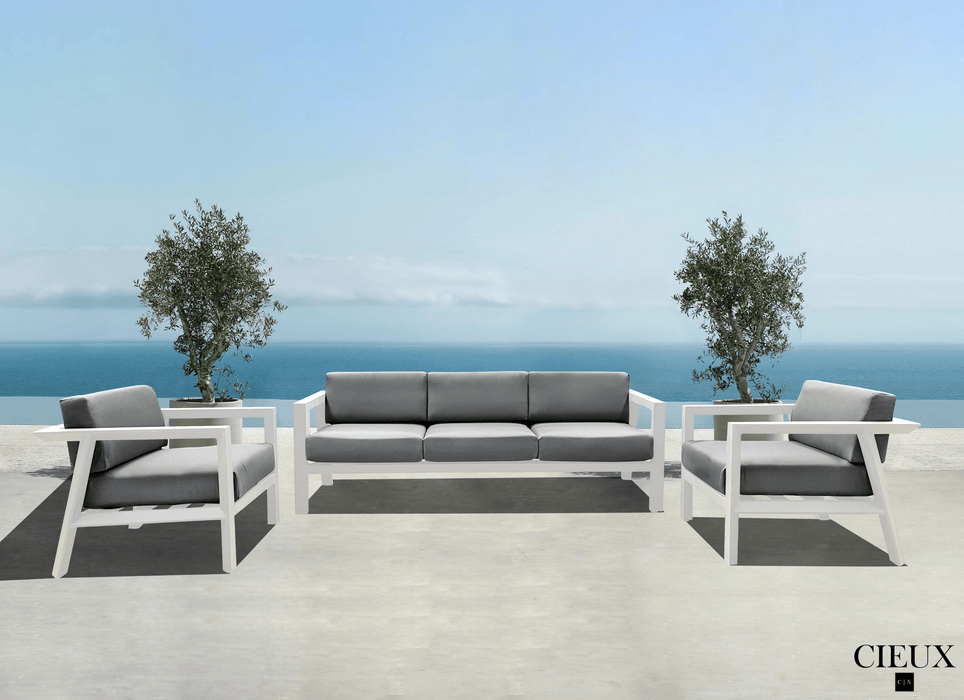
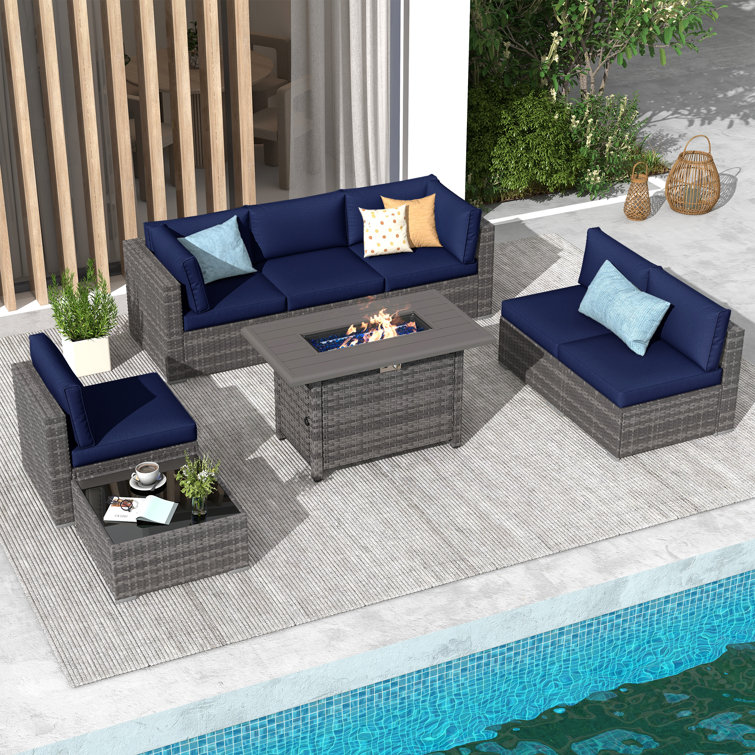
You’ve invested in your outdoor space, and your patio furniture is the heart of it. But have you ever wondered how long your patio furniture will truly last?
Knowing this can save you money, time, and frustration. You’ll discover the factors that affect the lifespan of your patio furniture and learn simple tips to keep it looking fresh for years. Keep reading to make the most out of your outdoor investment.

Credit: homedone.co.uk
Factors Affecting Patio Furniture Lifespan
Patio furniture lasts for different times based on many factors. Knowing these helps you choose the best furniture.
Some key factors include the material, the climate, and how you care for the furniture.
Material Types
The type of material affects how long patio furniture can last. Some materials are stronger and resist weather better.
Wood, metal, plastic, and wicker are common materials. Each has pros and cons for durability.
- Wood:Lasts long if treated but can rot or crack without care.
- Metal:Strong and durable but can rust if not protected.
- Plastic:Resists water and insects but may fade or crack in sun.
- Wicker:Looks nice but can break down faster outdoors.
Climate Impact
Climate plays a big role in how long patio furniture lasts. Extreme weather can cause damage faster.
Sun, rain, snow, and humidity all affect materials differently. Some climates need tougher furniture.
- Hot sun can fade colors and weaken plastic.
- Rain and humidity can cause wood to rot and metal to rust.
- Snow and ice may crack or warp some materials.
- Dry climates cause less damage overall.
Maintenance Practices
How you care for your furniture changes how long it will last. Regular cleaning helps prevent damage.
Protective covers, sealants, and storing furniture in bad weather all add to lifespan.
- Clean furniture often to remove dirt and debris.
- Use covers to protect from rain and sun.
- Apply sealants on wood and metal to prevent damage.
- Store furniture indoors or in a shed during winter.
Lifespan Of Common Materials
Patio furniture comes in many materials. Each type lasts for a different time.
Knowing how long materials last helps you choose the best furniture.
Wood Furniture
Wood furniture looks great and feels natural outside. It can last many years.
Hardwoods like teak and cedar last longer than softwoods. They resist weather well.
- Teak: 15 to 25 years
- Cedar: 10 to 15 years
- Pine: 5 to 10 years
Metal Furniture
Metal furniture is strong and often lasts a long time outdoors. Rust can shorten its life.
Aluminum resists rust and lasts longer than steel or iron. Powder coating helps protect metal.
- Aluminum: 15 to 20 years
- Steel: 5 to 10 years
- Wrought iron: 10 to 20 years
Plastic And Resin Furniture
Plastic and resin furniture is light and easy to move. It does well in wet conditions.
These materials can fade and become brittle under sun. Good quality pieces last longer.
- Standard plastic: 3 to 5 years
- High-quality resin: 7 to 10 years
Wicker And Rattan Furniture
Wicker and rattan furniture give a cozy, natural look. Natural rattan does not last long outside.
Synthetic wicker resists weather better and lasts longer than natural materials.
- Natural rattan: 2 to 5 years
- Synthetic wicker: 7 to 15 years
Fabric And Cushions
Outdoor fabrics need to resist sun, rain, and mildew. They usually wear out faster than frames.
Look for fabrics with UV protection and water resistance for longer life.
- Standard outdoor fabric: 1 to 3 years
- High-quality outdoor fabric: 3 to 5 years
Signs Of Wear And When To Replace
Patio furniture faces outdoor elements that cause wear over time. Knowing signs of damage helps decide when to replace it.
Replacing furniture at the right time keeps your outdoor space safe and comfortable.
Structural Damage
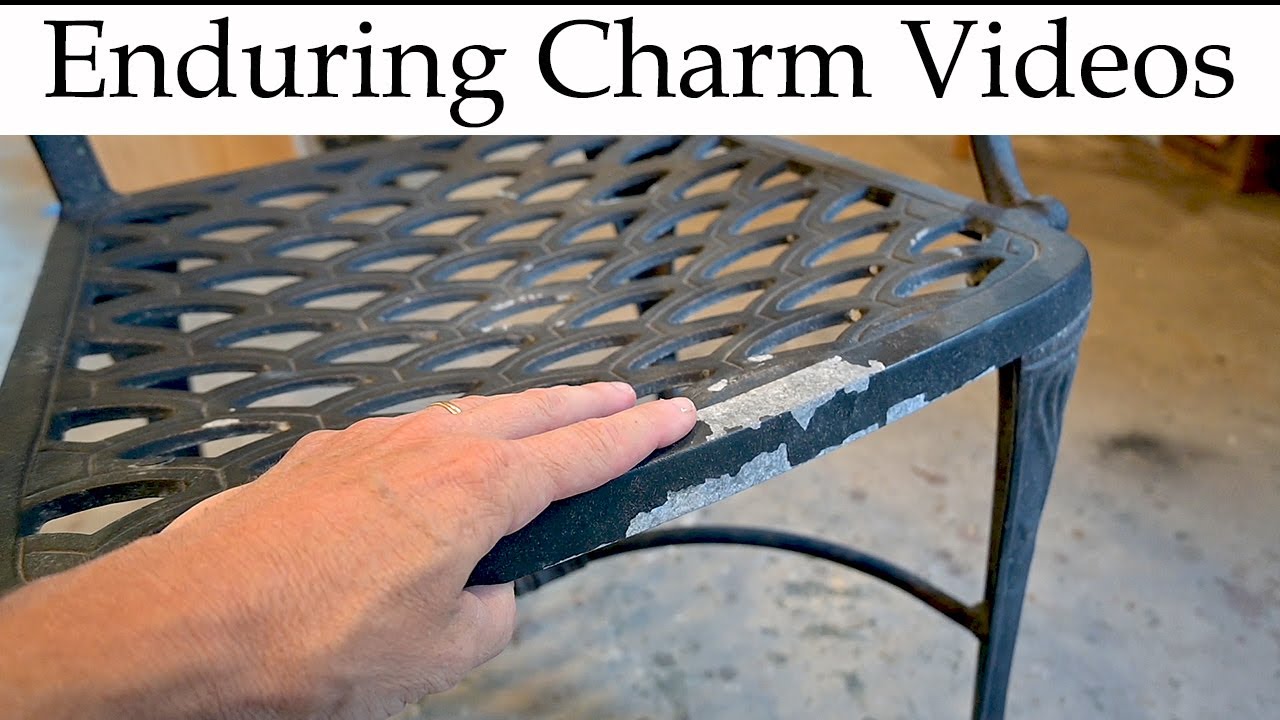
Look for cracks, breaks, or loose joints in the furniture frame. These issues weaken the structure and can cause accidents.
Rust on metal parts and rotting wood also show damage. If repairs are frequent or costly, replacement is a better choice.
- Cracked or broken frames
- Loose or unstable joints
- Rust spots or corrosion on metal
- Rot or decay in wooden parts
Fading And Discoloration
Sun exposure can fade colors on fabric, wood, and plastic. Faded furniture looks old and less attractive.
Severe discoloration may mean the protective finish wore off. This can lead to faster damage from weather.
- Colors appear dull or washed out
- Fabric looks stained or faded
- Paint or finish peels or cracks
- Plastic parts turn brittle or yellow
Comfort And Functionality Issues
Check cushions and seats for sagging or uneven padding. Uncomfortable furniture loses its use quickly.
Broken recliners, stuck wheels, or missing parts reduce function. If fixing is hard, it’s time to get new furniture.
- Sagging or flattened cushions
- Torn or worn fabric
- Broken or stuck moving parts
- Missing screws or hardware
Tips To Extend Patio Furniture Life
Patio furniture can last many years with proper care. Taking simple steps helps protect your investment.
Learn easy ways to keep your furniture looking new and strong. Regular care prevents damage and wear.
Regular Cleaning
Cleaning your patio furniture often removes dirt and debris. This stops stains and buildup that cause damage.
Use mild soap and water with a soft cloth or brush. Avoid harsh chemicals that can harm materials.
- Clean after heavy use or bad weather
- Wipe off spills immediately
- Rinse thoroughly to remove soap
Protective Covers
Covers shield furniture from rain, sun, and dust. They help prevent fading and rust.
Choose covers that fit well and are made from breathable materials. This stops moisture buildup under covers.
- Cover furniture when not in use
- Remove covers on sunny days to air furniture
- Check covers for holes or tears regularly
Proper Storage
Store your furniture indoors during harsh weather or winter. This prevents damage from ice, snow, and cold.
If indoor space is limited, place furniture in a dry, sheltered spot. Elevate pieces off the ground to avoid moisture.
- Disassemble large items for easier storage
- Store cushions separately in dry containers
- Keep metal furniture away from damp areas
Seasonal Maintenance
Check your furniture at the start of each season. Fix small problems before they get worse.
Apply protective finishes or sealants if needed. Tighten screws and oil moving parts to keep furniture stable.
- Inspect for rust, cracks, or loose joints
- Reapply paint or sealant yearly
- Store cushions in a dry place during wet seasons
Choosing Durable Patio Furniture
Patio furniture faces sun, rain, and wind every day. Picking strong furniture helps it last longer. This guide shows how to choose long-lasting patio furniture.
Durable materials, good quality, and trusted brands make a big difference. Knowing what to look for saves money and keeps your patio nice for years.
Best Materials For Longevity
Some materials stand up to weather better than others. Look for furniture made from these materials to get the most use over time.
- Teak Wood:Naturally oily and strong, resists rot and insects.
- Aluminum:Rust-proof, lightweight, and easy to move.
- Wrought Iron:Very strong but may need paint to prevent rust.
- Resin Wicker:Weather-resistant and looks like real wicker.
- Plastic:Affordable and weatherproof but less sturdy.
Quality Indicators
High-quality patio furniture shows in its build and finish. Look for these signs to know if the furniture will last.
- Strong joints and tight screws for stability
- Even paint or coating without chips or bubbles
- Thick materials that do not bend easily
- Comfortable cushions with weather-resistant fabric
- Rust-resistant hardware and fittings
Warranty And Brand Reputation
Good brands offer warranties that cover damage or defects. A solid warranty shows the maker trusts their product.
Check reviews and ratings to see what other buyers say. A well-known brand often means better quality and service.
- Look for at least 1 to 5 years warranty
- Read customer feedback online
- Choose brands with good service and support
- Avoid unknown brands with no warranty
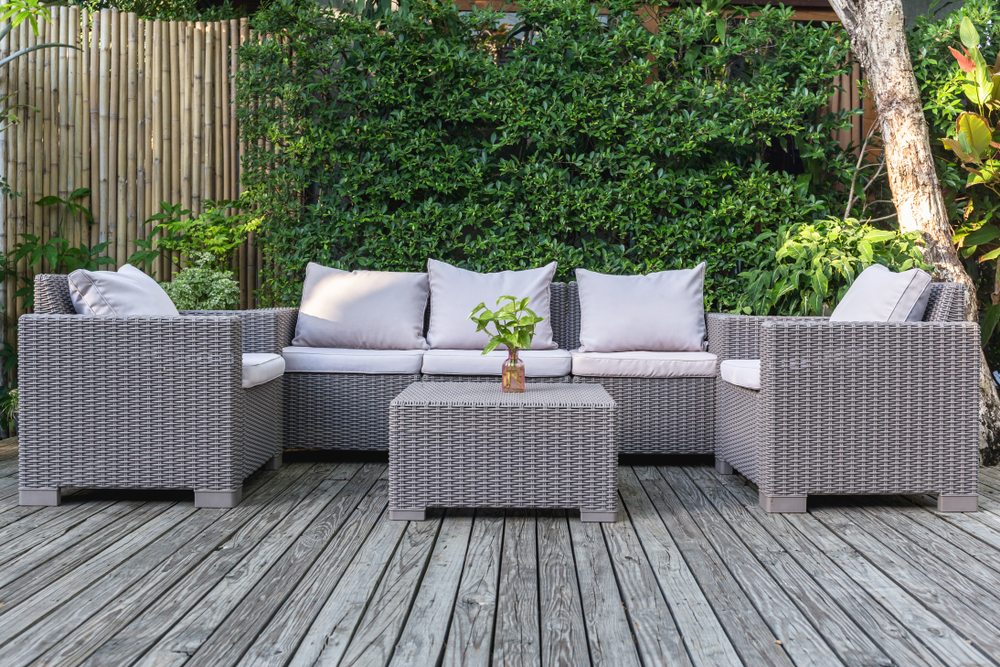
Credit: www.extraspace.com

Credit: clichemag.com
Frequently Asked Questions
What Factors Affect Patio Furniture Lifespan?
Patio furniture lifespan depends on materials, maintenance, and climate. Metal and teak are durable, while wicker may deteriorate faster. Regular cleaning and protection from harsh weather extend longevity. Proper storage during winter also helps. Choose quality materials to ensure your furniture lasts longer and withstands environmental elements effectively.
How Often Should You Replace Patio Furniture?
Replace patio furniture every 10-15 years, depending on material and maintenance. High-quality metal and wood last longer than plastic. Regular care and protection from weather increase lifespan. Inspect for damage periodically. If furniture looks worn or unsafe, consider replacing sooner to ensure comfort and safety.
Does Weather Impact Patio Furniture Durability?
Yes, weather significantly impacts patio furniture durability. Sun, rain, and snow cause fading, rust, and wear. Choose weather-resistant materials like teak or aluminum. Use covers to protect furniture from harsh elements. Regular maintenance, such as cleaning and sealing, helps minimize weather-related damage and extends furniture lifespan.
Can Maintenance Extend Patio Furniture Life?
Yes, proper maintenance extends patio furniture life. Regular cleaning prevents mold and mildew. Protect furniture with covers from harsh weather. Apply sealant or paint to wood and metal to prevent rust and decay. Store indoors during winter months. Consistent upkeep preserves appearance and functionality, increasing longevity.
Conclusion
Patio furniture can last many years with proper care. Choose materials that suit your climate and needs. Regular cleaning and covering help protect your investment. Sun and rain wear furniture down faster. Replace cushions and parts to extend life. Good maintenance saves money in the long run.
Enjoy your outdoor space with lasting comfort. Keep these tips in mind for durable patio furniture. Your outdoor area will stay inviting season after season.