Your patio furniture is where you relax, entertain, and enjoy the fresh air. But over time, dirt, dust, and grime can make it look dull and uninviting.
You might wonder, what’s the best way to clean your patio furniture without damaging it? The answer isn’t always obvious, and using the wrong cleaner could ruin your favorite outdoor pieces. Keep reading, and you’ll discover simple, effective cleaning methods that bring your furniture back to life—quickly and safely.
You deserve a beautiful, inviting patio, and the right cleaning tips will get you there.
Choosing The Right Cleaner
Cleaning patio furniture helps keep it looking fresh and lasting longer. Different materials need different cleaners to avoid damage.
Using the right cleaner makes cleaning easier and protects your furniture’s surface. Always pick a cleaner suited for the material.
Cleaning Solutions For Wood
Wood patio furniture needs gentle cleaning to avoid drying or cracking. Use mild soap and water or special wood cleaners.
Avoid harsh chemicals that strip the wood’s natural oils. After cleaning, dry the furniture well to prevent water damage.
- Mild dish soap mixed with warm water
- Wood-specific cleaning products
- Furniture oil or conditioner after cleaning
Best Cleaners For Metal Furniture
Metal patio furniture can handle stronger cleaners but avoid bleach. Use products that remove rust and dirt without scratching.
Soap and water work well for light dirt. For tough stains, try a metal cleaner made for outdoor furniture.
- Mild detergent with warm water
- Metal polish or rust remover
- Avoid abrasive scrubbers to protect finish
Safe Options For Plastic And Resin
Plastic and resin furniture is easy to clean with gentle soap solutions. Avoid strong chemicals that can cause discoloration.
Use soft cloths or sponges to prevent scratches. Rinse well to remove all soap residues after cleaning.
- Mild dish soap with warm water
- Non-abrasive scrubbers or cloths
- Avoid bleach or harsh solvents
Natural And Diy Cleaners
Natural cleaners are safe and eco-friendly for all furniture types. Common ingredients like vinegar and baking soda work well.
Mix these ingredients with water to create gentle cleaning solutions. Test on a small area first to check for any damage.
- White vinegar diluted with water
- Baking soda paste for scrubbing stains
- Lemon juice mixed with water for fresh scent

Credit: www.luxoliving.com.au
Tools For Effective Cleaning
Cleaning patio furniture needs the right tools. Using good tools makes the job easier and better.
Different materials need different cleaning tools. Choose tools that fit your furniture type.
Soft Brushes And Sponges
Soft brushes and sponges help remove dirt without scratching furniture. They work well on wood, plastic, and metal surfaces.
Use gentle strokes and avoid hard scrubbing. This keeps your furniture safe from damage.
- Soft-bristle brush for dirt in crevices
- Sponge for smooth surfaces
- Avoid steel wool or stiff brushes
Pressure Washers And When To Use Them
Pressure washers clean large patio furniture quickly. They remove tough grime and mildew with water pressure.
Use low pressure on delicate materials. High pressure can damage wood or fabric parts.
- Use on plastic, metal, or resin furniture
- Keep pressure below 1500 PSI for safe cleaning
- Test on small area first
Microfiber Cloths For Drying
Microfiber cloths absorb water well. They dry furniture quickly and leave no streaks.
Use clean microfiber cloths after washing. This prevents water spots and helps furniture dry evenly.
- Soft and gentle on all surfaces
- Reusable and easy to wash
- Good for wiping metal and glass parts
Protective Gear
Wear gloves to protect your hands from cleaning chemicals. Some cleaners can irritate skin.
Use goggles if you work with sprays or pressure washers. This keeps your eyes safe from splashes.
- Rubber gloves for chemical protection
- Safety goggles for eye safety
- Old clothes or apron to avoid stains
Step-by-step Cleaning Process
Cleaning patio furniture keeps it looking fresh and lasts longer. Dirt, dust, and stains can build up over time. A simple cleaning routine helps maintain its appearance.
This guide shows you how to clean patio furniture in easy steps. Follow each step carefully for the best results.
Preparing The Furniture
Start by removing cushions and other accessories. Brush off loose dirt and leaves using a soft broom or cloth. This helps clean deeper later on.
Check for any damage like cracks or rust. Fix or note these before cleaning to avoid making them worse.
Applying The Cleaner
Choose a mild cleaner suitable for your furniture material. Mix the cleaner with water in a bucket according to instructions. Avoid harsh chemicals that can damage the furniture.
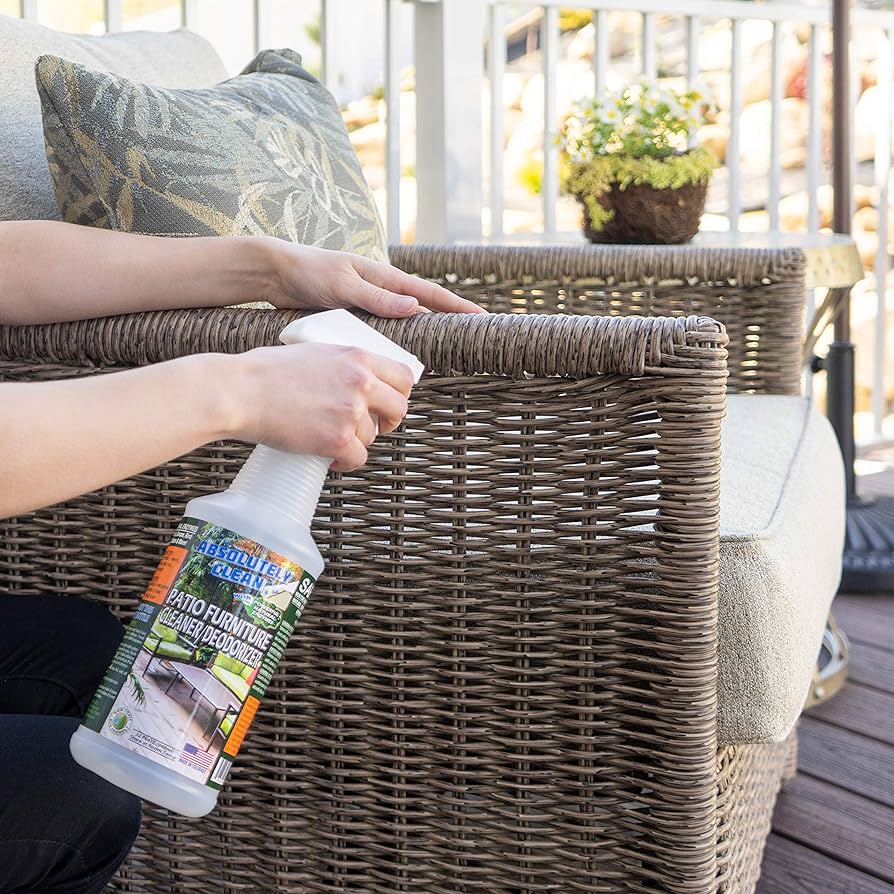
Use a sponge or spray bottle to apply the cleaner evenly. Cover all surfaces including legs and under the seats.
Scrubbing Techniques
Use a soft-bristle brush or sponge to scrub the furniture gently. Focus on stained or dirty areas with circular motions. Avoid hard scrubbing that can scratch surfaces.
- Scrub armrests and backs carefully
- Use a toothbrush for corners and crevices
- Reapply cleaner on tough spots if needed
Rinsing And Drying
Rinse the furniture with clean water to remove all soap. Use a hose or a bucket of water to wash away residue. Soap left on furniture can cause damage over time.
Dry the furniture with a clean towel or let it air dry in the sun. Make sure it is fully dry before putting cushions back on or storing it.
Dealing With Tough Stains
Patio furniture often gets dirty from outdoor use. Tough stains can spoil its look. Knowing how to clean these stains helps keep your furniture fresh.
Different stains need different cleaning methods. Use the right tools and cleaners for best results.
Removing Mold And Mildew
Mold and mildew grow on patio furniture in damp areas. They look bad and may cause odors. Clean them quickly to prevent damage.
Use a mix of water and mild soap to scrub the furniture. For strong mold, add white vinegar or baking soda to the solution. Rinse well and dry in the sun.
- Mix one cup white vinegar with one gallon water
- Scrub affected areas with a soft brush
- Rinse with clean water
- Dry furniture completely in sunlight
Cleaning Rust Spots
Rust can form on metal parts of patio furniture. It weakens the metal and looks ugly. Remove rust quickly to protect your furniture.
Use a rust remover or make a paste with baking soda and water. Apply it on rust spots and scrub gently with a brush. Wipe clean and dry fully.
- Make a thick paste using baking soda and water
- Apply paste on rust spots
- Scrub with a soft brush or cloth
- Wipe with a damp cloth and dry
Handling Grease And Food Stains
Grease and food stains happen during outdoor meals. They can be sticky and hard to remove. Clean them as soon as possible.
Use warm soapy water and a sponge to clean the stains. For tough grease, add a little dish soap to the water. Rinse well and dry.
- Mix warm water with mild dish soap
- Scrub stains with a soft sponge
- Rinse with clean water
- Dry furniture with a soft cloth
Maintenance Tips For Longevity
Patio furniture needs care to stay in good shape. Cleaning it regularly helps prevent dirt buildup and damage.
Knowing what to clean patio furniture with protects it from wear. This guide covers simple ways to keep your furniture lasting longer.
Regular Cleaning Schedule
Set a regular cleaning time to keep dirt and stains away. Cleaning often stops grime from causing permanent damage.
Use mild soap and water for most materials. Avoid harsh chemicals that can harm the finish or fabric.
- Wipe down furniture weekly with a soft cloth
- Use a sponge and mild soap for deeper cleaning monthly
- Rinse well and dry completely to avoid mold
Protecting Furniture From Weather
Weather can wear out patio furniture fast. Sun, rain, and wind cause fading, rust, and cracks.
Place furniture under shade or use umbrellas to reduce sun damage. Move pieces away from puddles and wet grass.
- Apply protective sealants on wood surfaces yearly
- Use rust-resistant paint or coatings on metal parts
- Dry furniture quickly after rain to stop rust and mold
Using Covers And Storage Solutions
Covers help keep dirt and weather off your furniture. Choose covers that fit well and are water-resistant.
Store furniture indoors or in a shed during winter or long breaks. This protects it from harsh cold and moisture.
- Use breathable covers to prevent mold and mildew
- Store cushions separately in a dry place
- Keep furniture off the ground to avoid moisture damage
Credit: ca.style.yahoo.com
Credit: www.amazon.com
Frequently Asked Questions
What Is The Best Cleaner For Patio Furniture?
For most patio furniture, mild dish soap and warm water work best. This combination gently removes dirt without harming surfaces. For tougher stains, a mixture of vinegar and water can be effective. Always rinse thoroughly to avoid soap residue, which can attract more dirt.
Can I Use Vinegar To Clean Patio Furniture?
Yes, vinegar is an excellent natural cleaner for patio furniture. Mix equal parts of white vinegar and water. This solution helps remove mildew and grime effectively. It's eco-friendly and safe for most materials. Always test on a small area first to ensure it doesn't discolor your furniture.
How Do I Clean Metal Patio Furniture?
To clean metal patio furniture, use a solution of mild dish soap and water. Gently scrub with a soft brush to remove dirt and rust. Rinse thoroughly with water and dry completely to prevent rusting. For stubborn rust spots, consider using a rust remover or baking soda paste.
What Should I Avoid When Cleaning Patio Furniture?
Avoid using harsh chemicals or abrasive materials on patio furniture. These can damage surfaces and finishes. Also, refrain from using power washers on delicate materials. They can cause chipping or warping. Always follow the manufacturer's instructions for cleaning specific types of furniture.
Conclusion
Cleaning patio furniture keeps it looking fresh and inviting. Use gentle cleaners suited for the material. Avoid harsh chemicals that can cause damage. Regular cleaning prevents dirt build-up and stains. A soft brush or cloth works well for most surfaces.
Rinse thoroughly to remove any soap residue. Dry furniture completely to avoid mold or rust. Simple steps make your outdoor space enjoyable. Keep your patio furniture clean to relax in style.