

Are you thinking about adding floating shelves to your space but unsure how far apart to hang them? Getting the spacing right is key to making your shelves look balanced and stylish while keeping your items safe.
Too close, and your shelves might feel cramped; too far, and the wall can look empty and awkward. In this guide, you’ll discover simple tips and tricks to find the perfect distance between your floating shelves, so your room feels just right.
Keep reading to learn how to transform your walls with the ideal shelf arrangement.
Choosing Shelf Height
Choosing the right height for floating shelves is important. It helps keep your space neat and easy to use.
The height depends on what you will put on the shelves and the room's layout.
Consider Room Function
Think about what the room is used for before hanging shelves. Different rooms need different shelf heights.
For example, in a kitchen, shelves should be easy to reach for cooking tools. In a living room, shelves can be higher for decorations.
- In kitchens, keep shelves at eye level or lower
- In living rooms, place shelves higher for art or books
- In bedrooms, shelves near the bed should be reachable
Account For Furniture Below
Check the furniture below the shelves before deciding the height. Leave enough space for easy use.
Too little space can make the area feel cramped. Too much space wastes wall area and looks odd.
- Leave at least 12 inches above desks or tables
- Allow 6 to 8 inches above sofas or chairs
- Make sure shelves do not block light switches or outlets
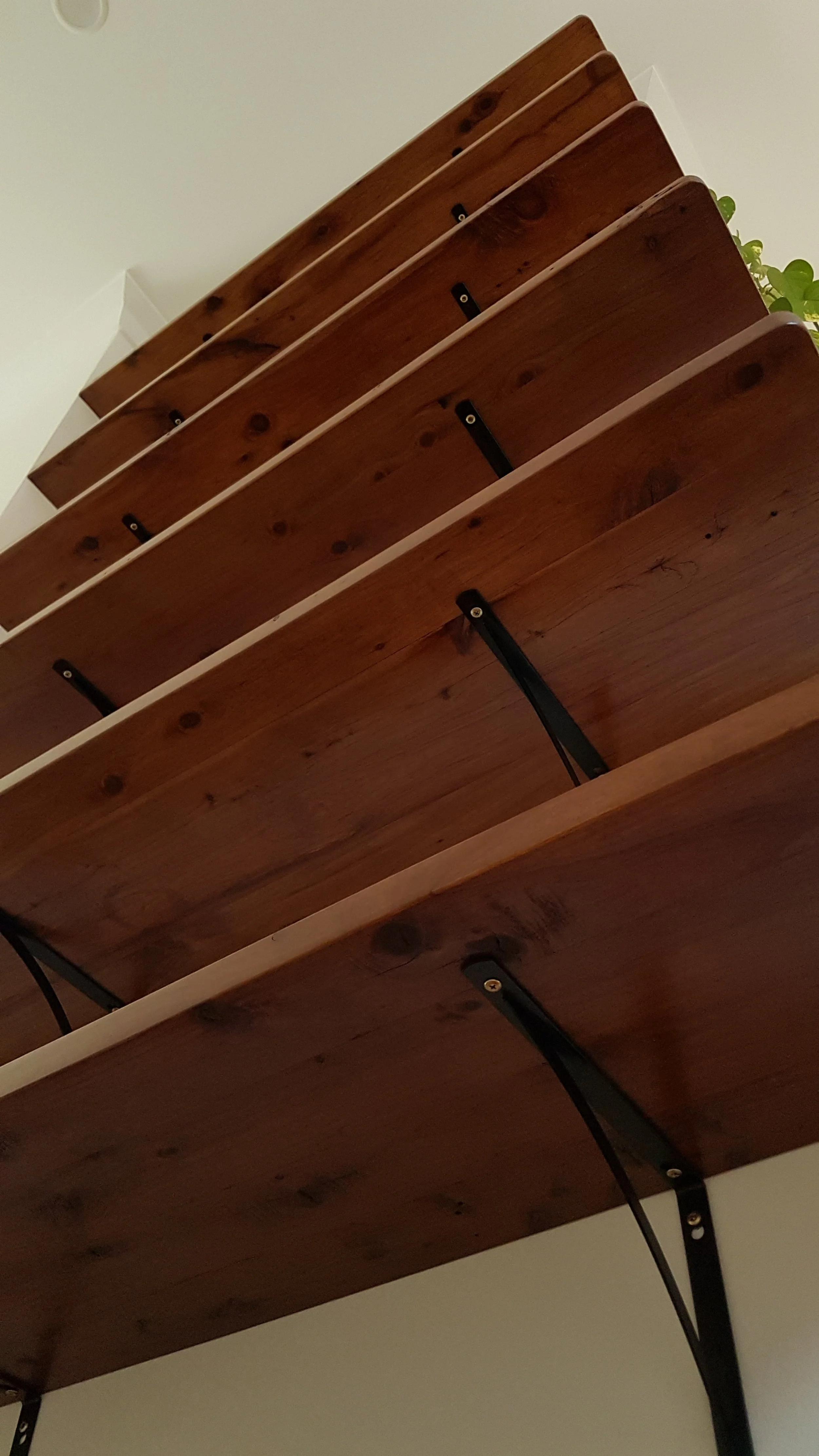
Credit: www.amongthetrees.com.au
Determining Shelf Spacing
Floating shelves add style and storage to any room. Proper spacing between shelves keeps the look balanced.
Spacing also helps fit items comfortably without crowding or wasted space.
Standard Distance Guidelines
Most people space floating shelves about 12 to 16 inches apart. This range fits most books, decor, and small plants.
Keep shelves at least 12 inches apart to avoid a cluttered look. More than 16 inches may feel too open.
- 12 inches is good for small items and photos
- 14 inches works well for books and medium decor
- 16 inches fits larger items and plants
Adjusting For Shelf Size
Wider shelves need more space between them. This helps prevent shelves from looking crowded.
Taller shelves also require extra height between shelves for bigger items.
| Shelf Size | Recommended Spacing |
|---|---|
| Small (up to 12 inches wide) | 12 inches apart |
| Medium (12 to 24 inches wide) | 14 inches apart |
| Large (over 24 inches wide) | 16 inches or more apart |
Balancing Aesthetics And Practicality
Floating shelves add style and storage to any room. Choosing the right distance between them helps balance looks and function.
Spacing shelves too close or too far can hurt the room’s feel or reduce storage. Finding the right gap keeps shelves useful and beautiful.
Visual Harmony Tips
Keep shelves evenly spaced to create a clean, balanced look. The space should feel natural to the eye and match the room size.
Use the wall height to guide spacing. For standard ceilings, 12 to 16 inches between shelves often looks best.
- Align shelves with nearby furniture or decor
- Keep equal gaps for a neat appearance
- Adjust distance based on shelf length and wall size
Maximizing Storage Space
Space shelves far enough to fit taller items like books or vases. Too little gap limits what you can store.
Measure your tallest items before hanging shelves. This helps decide shelf height and spacing for practical use.
- Leave at least 12 inches between shelves for most objects
- Consider adding more shelves if you need extra storage
- Place heavier items on lower shelves for safety
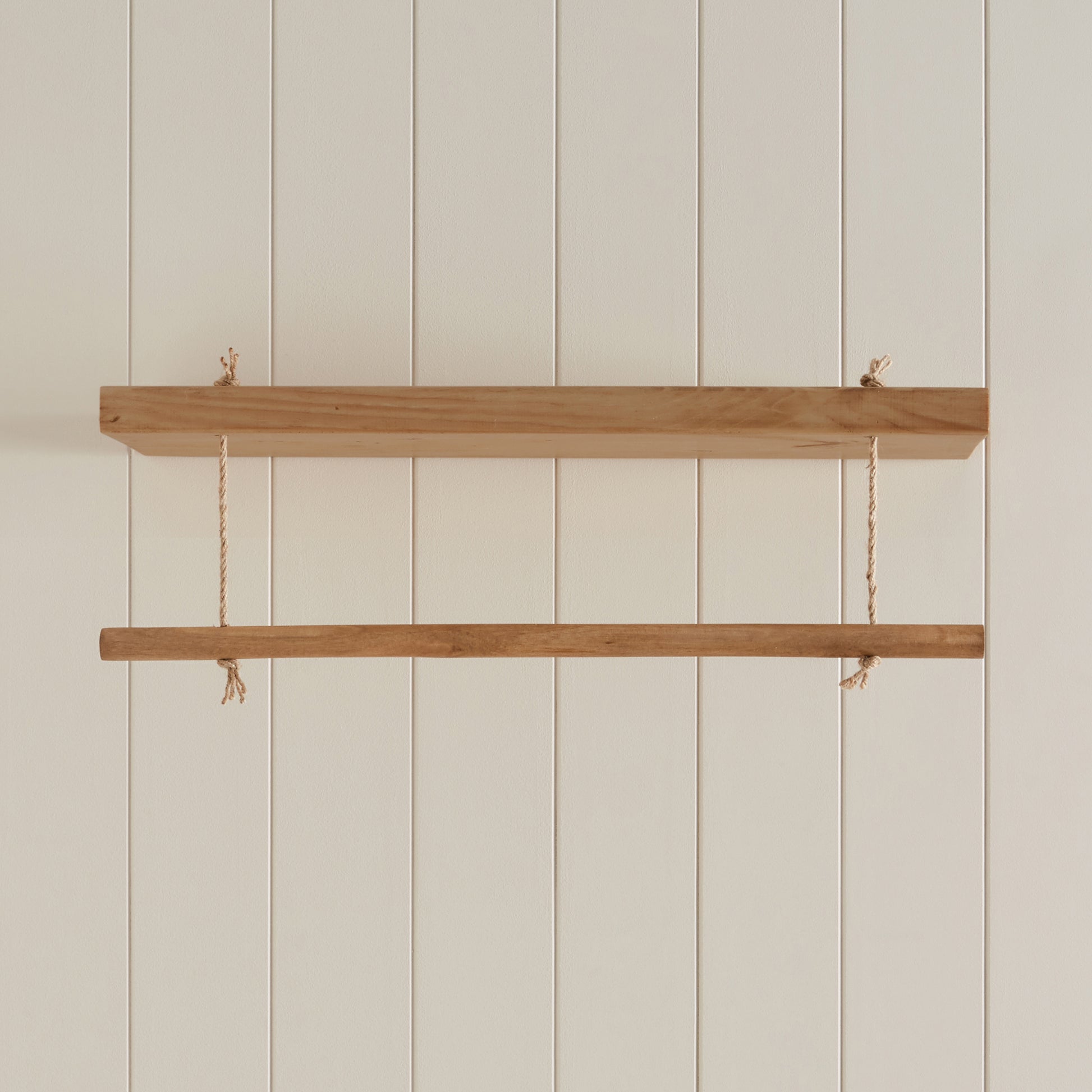
Credit: www.roomix.com
Special Cases For Spacing
Choosing the right distance between floating shelves is important for both look and function. Different rooms and uses need different spacing.
This guide explains how to space shelves in small rooms and when holding heavy items.
Shelves In Small Rooms
Small rooms need careful shelf spacing to avoid crowding. Too close shelves make the room feel smaller.
Leave enough space so the shelves do not block light or movement. Spacing shelves 12 to 15 inches apart works well.
- Keep shelves low to free up wall space.
- Use narrow shelves to save room.
- Space shelves evenly to create balance.
Spacing For Heavy Items
Heavy items need wider spacing for safety and support. Shelves must hold weight without bending or falling.
Place shelves 16 to 18 inches apart to allow strong brackets and proper anchoring.
- Use thicker shelves for heavy loads.
- Install strong wall anchors or studs.
- Keep heavy items on lower shelves for stability.
Tools For Measuring Spacing
Hanging floating shelves looks best when spaced evenly. Using the right tools helps you measure the distance between shelves. Accurate spacing keeps the shelves safe and stylish.
Two key tools help with spacing: a tape measure and a level. These tools make sure shelves are aligned and placed at the right distance.
Using A Tape Measure
A tape measure is the most common tool to measure shelf spacing. It shows exact distances in inches or centimeters. You can measure from one shelf edge to the next.
To use it, pull the tape out and place the end at the bottom of the first shelf. Stretch the tape to the bottom of the next shelf. Read the number to find the space between shelves.
- Choose a tape measure with clear numbers
- Measure from shelf edge to shelf edge
- Note the distance and compare for even spacing
Leveling For Accuracy
A level ensures shelves hang straight. This tool has a bubble inside a tube. When the bubble is centered, the shelf is level.
Hold the level on top of the shelf. Adjust the shelf until the bubble is in the middle. This step avoids tilted shelves and uneven gaps.
- Use a small or medium level for shelf size
- Check level before marking shelf spots
- Recheck after hanging shelves
Common Spacing Mistakes
Floating shelves look great when spaced correctly. Spacing affects both style and function.
Many people make mistakes that hurt the shelf's look and safety. Avoid these common errors.
Too Close Or Too Far Apart
Putting shelves too close limits what you can store on them. It also looks cramped.
Shelves placed too far apart waste wall space and look unbalanced. Items may seem lost.
- Keep at least 12 inches between shelves for books or decor.
- For small items, 8 to 10 inches may work better.
- Measure the height of your items before spacing.
- Balance shelf distance with room size and wall space.
Ignoring Wall Studs
Wall studs hold the weight of your shelves. Ignoring them risks shelf damage.
Mounting shelves without stud support can cause them to fall, especially with heavy items.
- Use a stud finder to locate studs before installation.
- Mount brackets or screws into studs for strong support.
- If no studs are available, use heavy-duty wall anchors.
- Check weight limits for anchors to avoid accidents.

Credit: www.create-enjoy.com
Frequently Asked Questions
How Far Apart Should Floating Shelves Be?
Floating shelves should be spaced 12 to 24 inches apart. This distance allows for adequate space for items. It also ensures a balanced look on the wall. Adjust spacing based on shelf size and room layout for best results.
What Is The Ideal Height For Floating Shelves?
The ideal height for floating shelves is 4 to 6 feet from the floor. This height makes items easily accessible and visually appealing. Consider the room’s purpose and furniture height when deciding.
How Much Weight Can Floating Shelves Hold?
Floating shelves can typically hold 15 to 30 pounds. This depends on the shelf material and mounting hardware. Always check the manufacturer's instructions for specific weight limits. Overloading can cause shelves to sag or detach.
Can I Hang Floating Shelves On All Walls?
Yes, floating shelves can be hung on most walls. However, ensure the wall can support the weight. Studs or anchors are necessary for drywall installations. Avoid overly thin or weak walls to prevent damage.
Conclusion
Spacing floating shelves correctly makes your space look neat. Aim for about 12 to 16 inches between shelves. This distance fits most items and keeps shelves balanced. Too close can feel cluttered. Too far can waste wall space. Think about what you want to store or show.
Adjust spacing to match your style and needs. Good shelf placement helps keep your room organized and stylish. Try different heights before fixing the shelves. Find the best fit for your home easily.


