

Are you struggling to arrange your bedroom furniture in a way that feels both comfortable and stylish? The way you place your furniture can change the entire mood of your room, making it feel spacious, cozy, or even more functional.
Imagine waking up every day in a bedroom that not only looks great but also makes your life easier. In this guide, you’ll discover simple, practical tips to place your furniture perfectly—so your bedroom becomes the relaxing retreat you’ve always wanted.
Keep reading, and you’ll learn how to transform your space without stress or guesswork.

Credit: www.reddit.com
Assess Bedroom Space
Placing furniture in a bedroom starts with understanding the space you have. This helps you choose the right furniture size and layout.
Knowing your room’s features guides where to put each item. Careful planning creates a comfortable and functional bedroom.
Measure Room Dimensions
First, measure the length and width of your bedroom. Use a tape measure to get exact numbers. Don’t forget to note ceiling height too.
Write down the size of doors, windows, and closets. These details affect where you can place furniture safely.
- Measure floor space from wall to wall
- Note window and door locations
- Check for any built-in shelves or radiators
- Record ceiling height
Identify Focal Points
Look for the room’s natural focal points. This could be a large window, a fireplace, or the main wall.
Place the bed or largest furniture near these spots. It makes the room look balanced and inviting.
- Spot windows with good views
- Check for built-in features like fireplaces
- Find a wall that faces the door
- Use lighting fixtures as anchors
Consider Traffic Flow
Plan paths where people will walk inside the bedroom. Keep these paths clear to avoid bumping into furniture.
Aim for at least 24 inches of walking space around furniture. This helps the room feel open and easy to move in.
- Leave space between bed and walls
- Keep doorways free of obstacles
- Allow room to open closets and drawers
- Make space for chairs or benches if used

Credit: www.roomsketcher.com
Choose Key Furniture
Placing furniture in a bedroom starts with choosing key pieces. These items set the room’s function and style.
Focus on the most important furniture first. This helps create a comfortable and organized space.
Select Bed Size
The bed is the main piece in any bedroom. Choose a size that fits the room and your needs.
Measure your space before picking a bed. Leave room to walk around it easily.
- Twin beds work well in small rooms or kids’ rooms
- Full or double beds fit medium rooms comfortably
- Queen beds suit most master bedrooms
- King beds need large rooms with extra space
Pick Storage Solutions
Storage keeps your bedroom tidy and clutter-free. Choose furniture that offers enough space for your items.
Think about your storage needs. Use solutions that fit your style and room size.
- Dressers store folded clothes and accessories
- Nightstands hold small items near the bed
- Wardrobes or armoires add hanging space
- Under-bed storage boxes maximize space
Add Seating Options
Seating makes the bedroom more functional and cozy. Choose seats that match your space and needs.
Consider where you want to sit. Add chairs or benches to improve comfort.
- A small armchair fits well in corners
- Benches at the foot of the bed add style and function
- Window seats create a relaxing nook
- Ottomans offer extra seating and storage
Arrange Bed Placement
Placing the bed correctly is key to a comfortable bedroom. It affects the room’s flow and feel.
Think about wall space, light, and easy movement when placing your bed.
Position Against Walls
Most beds work best against a solid wall. This gives support and makes the room look neat.
Avoid placing the bed in the middle of the room unless space is very large.
- Place the headboard against the longest wall
- Keep space on both sides for bedside tables
- Do not block doors or windows
Maximize Natural Light
Natural light makes the bedroom feel bright and fresh. Position the bed to enjoy daylight.
Try to avoid blocking windows with the bed or large furniture.
- Place the bed near but not directly in front of windows
- Use light curtains to keep light soft
- Keep window area clear for airflow
Maintain Accessibility
Make sure you can move around the bed easily. Accessibility is important for safety and comfort.
Leave enough space for opening doors and drawers without obstruction.
- Allow at least 24 inches of walking space around the bed
- Keep pathways clear and wide
- Place bedside tables within easy reach
Optimize Storage Areas
Placing furniture in a bedroom is more than just style. Good storage helps keep the room tidy and useful.
Using storage wisely makes the bedroom feel bigger and more relaxing. Here are ways to use storage well.
Use Closets Efficiently
Closets store clothes, shoes, and other items. Organize them to save space and find things fast.
Use hangers, bins, and shelves to keep everything neat. Sort clothes by type or season.
- Use double hanging rods to fit more clothes
- Add clear bins for small items
- Place shoe racks on the floor or door
- Label shelves for easy access
Incorporate Dressers
Dressers add extra storage without taking much room. Use them for folded clothes and accessories.
Choose dressers with wide or tall drawers to fit many items. Place them near the bed or closet for convenience.
- Select dressers that match your bedroom style
- Use drawer dividers to separate small items
- Keep the top surface clear or use it for daily items
Add Shelving Units
Shelving units offer open storage for books, decor, and small baskets. They help keep things off the floor.
Use wall shelves or standing units to fit your space. Group items by type or color for a clean look.
- Install shelves above dressers or desks
- Use baskets on shelves to hide clutter
- Choose adjustable shelves for flexible storage
Balance Room Layout
Placing furniture in a bedroom needs careful planning. A balanced layout makes the room feel comfortable and inviting.
Good balance helps the space look neat and works well for daily use.
Distribute Furniture Evenly
Place furniture pieces so they spread out across the room. Avoid putting all big items on one side.
This balance stops the room from feeling heavy or empty in some areas.
- Put the bed as the main focus in the center or against a wall
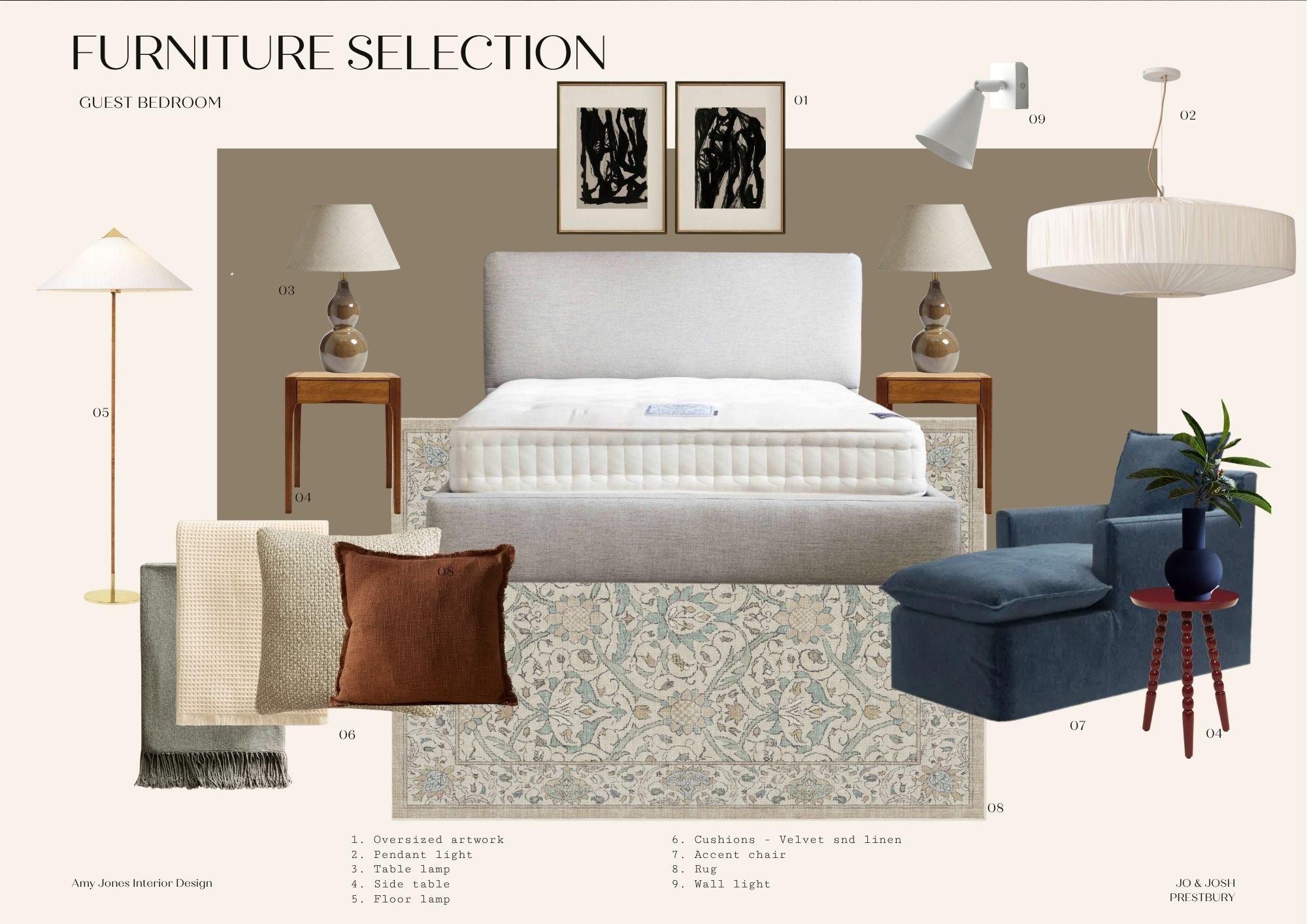
- Place nightstands on both sides of the bed
- Spread dressers and chairs on opposite walls
Create Visual Harmony
Use matching colors and styles for your furniture. This helps the room look calm and connected.
Keep similar shapes and sizes for a smoother look and feel.
- Choose furniture with similar finishes and materials
- Use rugs and curtains that match furniture colors
- Keep patterns simple to avoid distraction
Avoid Cluttered Spaces
Leave enough space between furniture pieces. Too much stuff makes the room hard to move in.
Clear floors and open paths help the room feel larger and more peaceful.
- Keep walkways at least 2 feet wide
- Limit furniture to what you need and use
- Use storage solutions to hide items out of sight
Add Functional Accessories
Adding functional accessories makes your bedroom more useful and cozy. These items help keep the space organized and comfortable.
Choosing the right accessories improves the room’s style and function. Small details make a big difference in your bedroom setup.
Include Nightstands
Nightstands provide a handy place for lamps, books, and phones. They keep your essentials within reach while you rest.
Pick nightstands with drawers or shelves for extra storage. This helps reduce clutter and keeps the room tidy.
Use Rugs And Lighting
Rugs add warmth and comfort underfoot. Choose sizes that fit well around your bed and furniture.
Good lighting sets the mood and helps you see clearly. Combine ceiling lights, lamps, and soft bulbs for balance.
- Place rugs to define spaces and add softness
- Use bedside lamps for reading and ambiance
- Install dimmers to adjust light levels easily
Incorporate Mirrors
Mirrors make a bedroom look bigger and brighter. Place them to reflect natural light and open up the space.
Choose mirror shapes and frames that match your style. Full-length mirrors help with dressing and add function.
Adapt For Personal Style
Placing furniture in a bedroom is not just about space. It is also about showing who you are.
Adapting your furniture layout to your style makes your room feel unique and cozy.
Choose Colors And Textures
Pick colors that you love and that make you feel calm or happy. Soft textures like cotton or velvet add comfort.
Mix smooth and rough surfaces to create interest in your space.
- Use warm colors for a cozy feeling
- Cool colors make the room feel fresh
- Soft rugs and pillows add comfort
- Wood and metal bring texture contrast
Reflect Personality
Let your furniture show who you are. Add items that tell your story or hobbies.
Use artwork, photos, or souvenirs as part of your room design. They make the space feel personal.
- Display favorite books on shelves
- Use bright cushions if you like color
- Choose furniture shapes you enjoy
- Add plants if you love nature
Update Seasonally
Change small things with the seasons to keep your room fresh. Switch pillows or blankets for new colors.
Seasonal updates help your bedroom feel lively and match the weather outside.
- Use light fabrics in summer
- Choose warm throws in winter
- Add floral prints in spring
- Use earth tones in fall
Credit: www.greta-mae.co.uk
Frequently Asked Questions
How Do I Arrange Bedroom Furniture For Small Spaces?
Start by prioritizing essential pieces like the bed and dresser. Use multi-functional furniture and keep pathways clear. Place larger items against walls to maximize floor space and maintain a balanced layout.
Where Should The Bed Be Placed In A Bedroom?
Position the bed against the longest wall without windows or doors. This creates a focal point and maximizes natural light flow. Avoid placing the bed directly under a window to reduce drafts and noise.
How Can I Create Balance With Bedroom Furniture Placement?
Distribute furniture evenly around the room to avoid crowding one side. Use matching nightstands or lamps for symmetry. Keep open space for easy movement and visual comfort.
What Furniture Is Essential For A Functional Bedroom?
A bed, storage like a dresser or wardrobe, and nightstands are essential. Additional seating or a desk depends on room size and personal needs. Prioritize comfort and practicality in your choices.
Conclusion
Placing furniture right makes your bedroom feel calm and cozy. Start with the bed, the main focus of the room. Keep enough space to move around freely. Use walls wisely for storage and decoration. Balance the room by spreading furniture evenly.
Light and air flow also matter a lot. Small changes can make your room look bigger. Take your time and try different layouts. A well-arranged room helps you relax and sleep better. Enjoy creating a space that feels just right for you.


