Your outdoor furniture can transform your patio into a cozy retreat. But when strong winds hit, it can quickly turn into a chaotic mess.
You don’t want to spend time and money fixing or replacing damaged pieces. So, how do you keep your furniture safe and secure, no matter the weather? You’ll discover simple, effective ways to protect your outdoor furniture from the wind.
By the end, you’ll have easy solutions that save you stress and keep your space looking great all year round. Keep reading to learn how to safeguard your investment with confidence.
Credit: www.coversandall.com
Choosing Wind-resistant Furniture
Outdoor furniture can move or fall in strong winds. Choosing pieces made to resist wind helps keep your space safe. This guide will explain how to pick furniture that stays put.
Focus on materials and designs that handle wind well. These choices will protect your furniture and your outdoor area.
Materials That Withstand Wind
Some materials hold up better against wind than others. Look for heavy and sturdy materials that do not break or blow away easily.
Materials like metal, dense wood, and resin are good choices. They resist wind and last long outside.
- Wrought iron and steel are strong and heavy
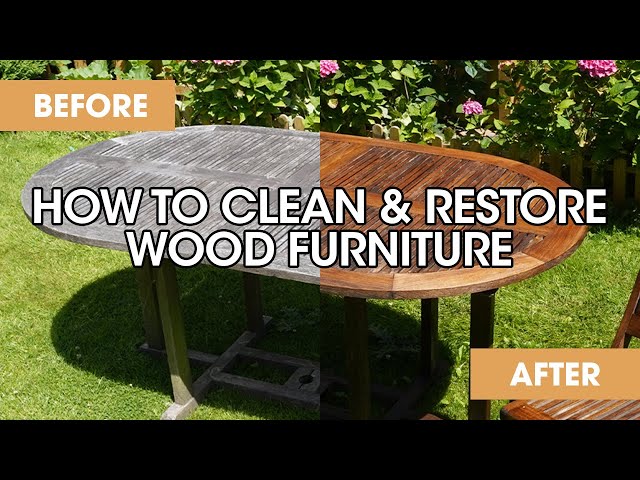
- Teak and other hardwoods resist wind and weather
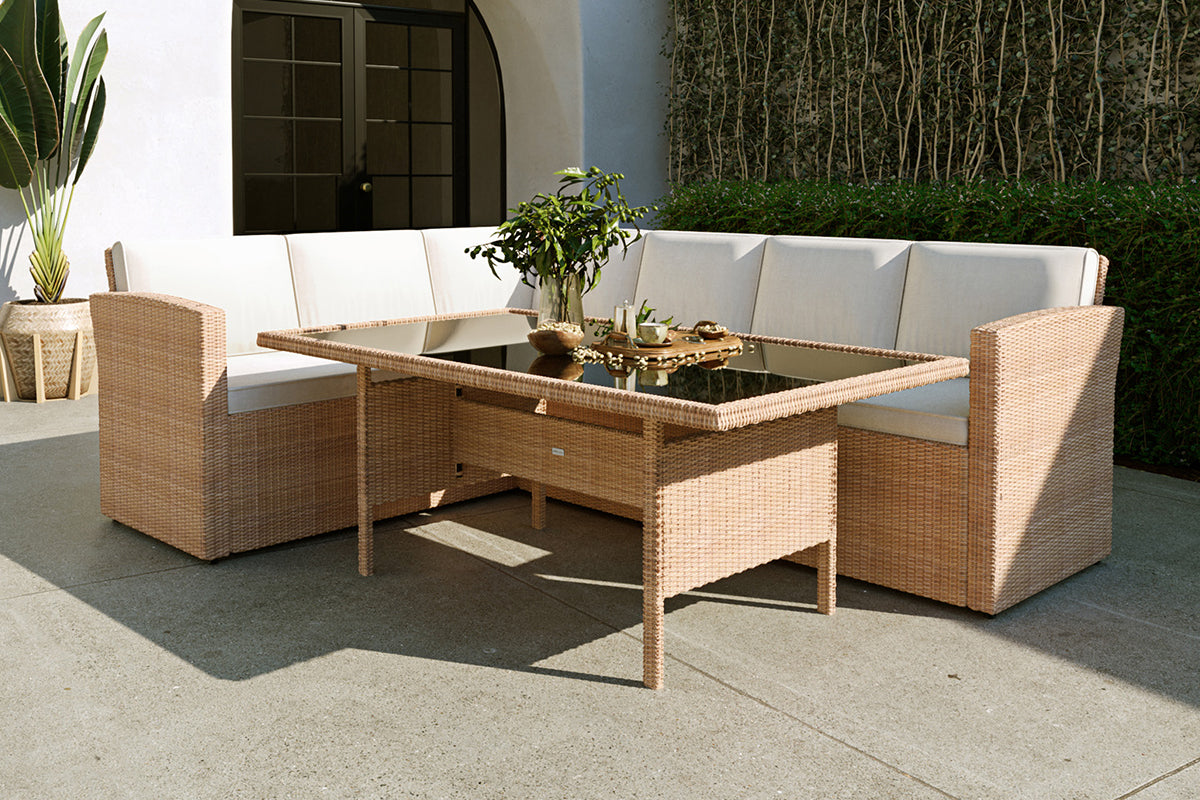
- Resin wicker is durable and stays in place
- Concrete or stone pieces are very stable
Designs That Offer Stability
Stable furniture designs help prevent tipping or flying in the wind. Look for wide bases and low centers of gravity.
Stackable or lightweight pieces often blow away. Choose furniture with solid frames and weight near the ground.
- Wide legs or bases increase ground contact
- Low seats lower the center of gravity
- Bolted or connected pieces resist movement
- Heavy cushions or attached parts add weight
Strategic Furniture Placement
Outdoor furniture can move or get damaged in strong winds. Placing it in the right spot helps keep it safe. Plan where to put your furniture to reduce wind impact.
Good placement can make your outdoor space more comfortable. Think about natural and man-made features that block wind. Use these to protect your furniture.
Using Natural Wind Barriers
Trees, bushes, and tall plants can block wind. Place furniture near these natural barriers to shield it from gusts. This helps stop wind from blowing items over.
Natural barriers also add beauty and shade to your space. Choose spots where plants grow thick and tall. This will create a calm area for your furniture.
- Put furniture near large trees or shrubs
- Use hedges to block strong wind paths
- Plant tall grasses or bamboo for extra cover
- Avoid open areas with no natural windbreaks
Positioning For Maximum Protection
Place furniture close to walls or fences to block wind. These structures stop wind from reaching your furniture directly. Position seating areas so wind hits the back, not the front.
Face your furniture away from the main wind direction. Keep lighter items low to the ground to reduce the chance of tipping. Secure cushions and small pieces to prevent them from blowing away.
- Set furniture near fences or walls
- Face seating away from strong winds
- Keep lightweight items close to the ground
- Secure cushions and small furniture pieces
Securing Furniture With Anchors
Outdoor furniture can move or fall during strong winds. Anchors help keep furniture in place. They add weight or fix furniture to the ground.
Using anchors protects your furniture and keeps your outdoor space safe. It is a smart way to prevent damage or accidents.
Types Of Anchors And Weights
There are many anchors you can use. Some anchors attach furniture to the ground. Others add heavy weight to stop movement.
- Ground anchors: stakes or bolts that fix furniture to soil or decks
- Sandbags or weight bags: filled with sand or gravel and placed on furniture legs
- Concrete blocks: heavy blocks that sit on or attach to furniture bases
- Water weights: bags filled with water to add weight and can be emptied for storage
Choose the right anchor based on your furniture type and outdoor surface. Weights work well on hard surfaces. Ground anchors fit soft or grassy areas.
Proper Installation Techniques
Install anchors carefully to ensure they hold well. Follow simple steps for safety and strength.
- Check the surface where you will install anchors
- Use a drill or hammer for ground anchors if needed
- Secure anchors tightly to avoid loosening during wind
- Place weights evenly on furniture legs or base
- Test the furniture for stability after anchoring
Regularly check anchors for wear or damage. Replace or tighten them to keep furniture secure all year.
Using Covers And Wraps
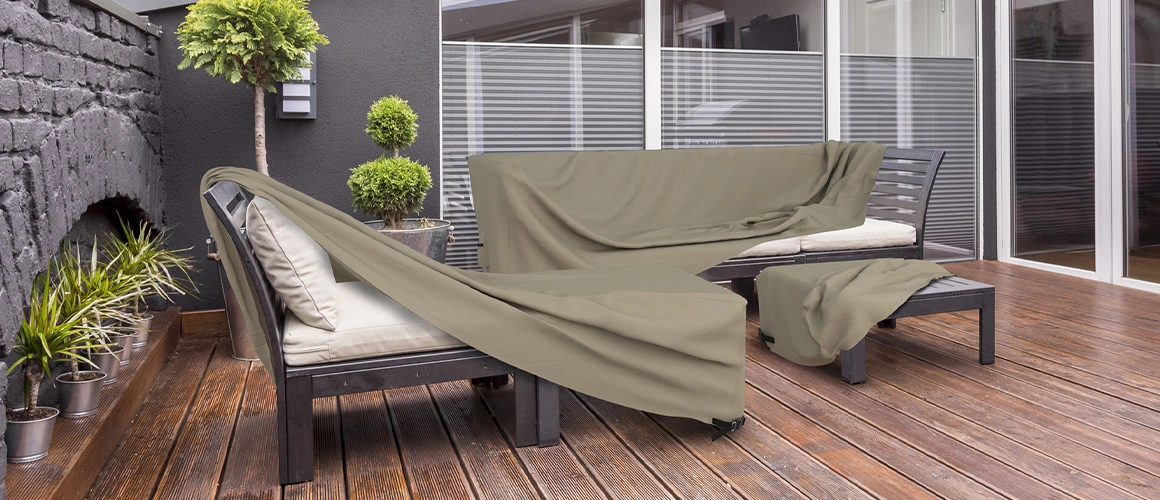
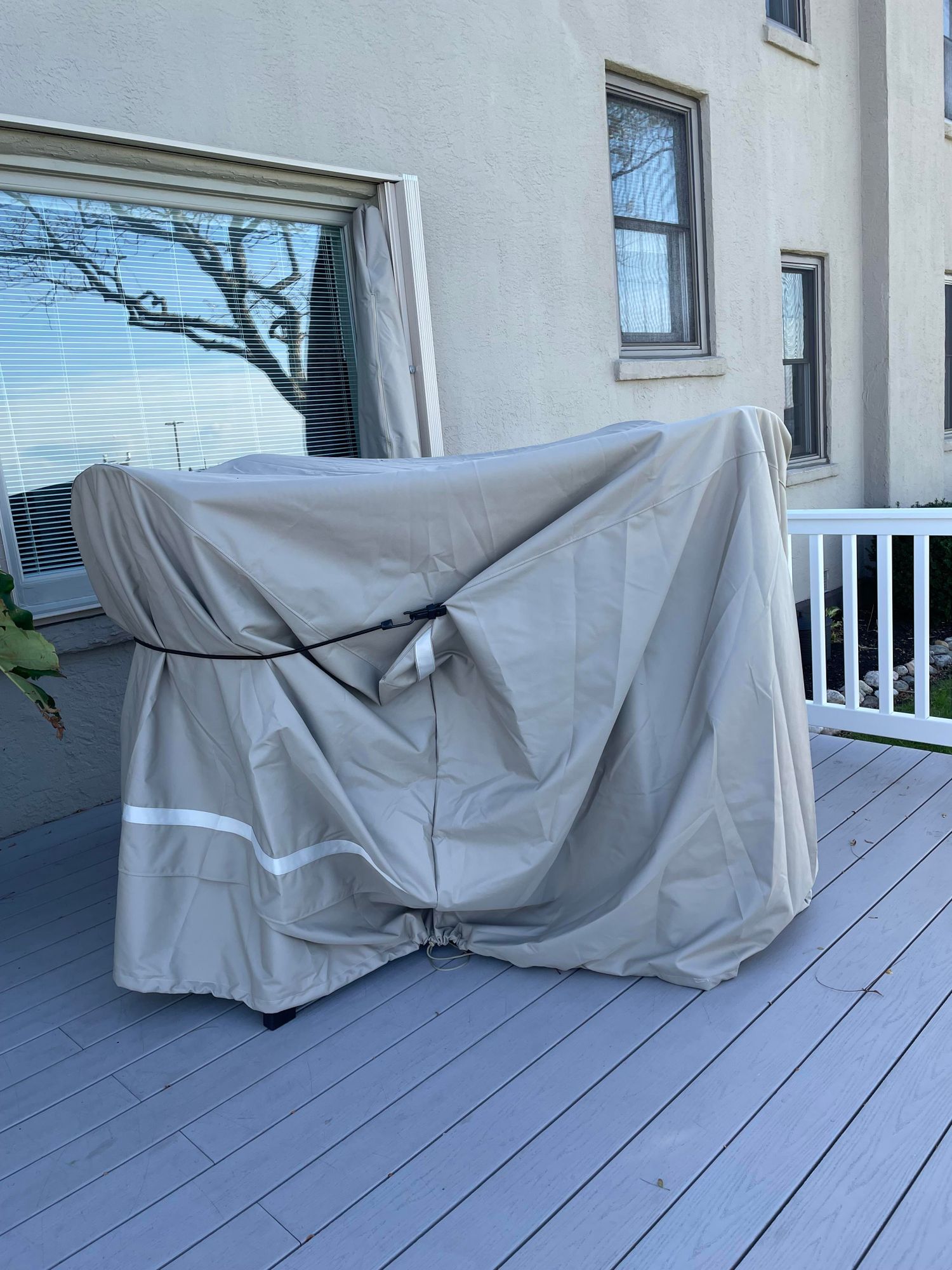
Wind can damage outdoor furniture by moving or scratching it. Using covers and wraps helps keep your furniture safe.
Covers protect furniture from dust, rain, and strong wind. Wraps add an extra layer of security to stop movement.
Choosing Durable Covers
Pick covers made of strong materials like heavy-duty polyester or vinyl. These resist tears and last longer in wind.
Look for covers with tight seams and waterproof coating. These features keep water out and prevent wind from lifting them.
- Use UV-resistant fabric to avoid sun damage
- Select covers with secure straps or elastic edges
- Choose covers that fit your furniture well
Tips For Effective Wrapping
Wrap your furniture tightly to stop it from moving in the wind. Use rope or bungee cords to keep wraps in place.
Cover all parts, including legs and cushions. Secure loose ends so wind cannot catch and lift the wrap.
- Wrap cushions in plastic before covering
- Use breathable wraps to prevent moisture buildup
- Check wraps regularly and adjust if loose
Diy Windbreak Solutions
Strong wind can damage outdoor furniture and make your space uncomfortable. Creating windbreaks helps protect your furniture and enjoy your outdoor area.
You can build easy windbreaks yourself using simple materials and plants. These solutions help block the wind and keep your furniture safe.
Building Temporary Barriers
Temporary barriers are quick to set up and remove. Use materials like wood panels, fabric screens, or plastic sheets to block the wind.
Place barriers around your furniture to shield it from strong gusts. Make sure barriers are stable and secured to avoid falling.
- Use wooden pallets or boards to create a solid shield
- Attach fabric or plastic to frames for flexible screens
- Secure barriers with stakes or weights for stability
- Set up barriers on the windward side of your furniture
Incorporating Plants And Screens
Plants and screens act as natural windbreaks. Tall shrubs, bushes, and trellises with climbing plants reduce wind speed around furniture.
Use screens made of wood or metal mesh to support plants and add extra protection. These green barriers also improve the look of your outdoor area.
- Plant dense shrubs or hedges near your seating area
- Use trellises with vines to create living walls
- Place potted plants as movable wind buffers
- Combine screens with plants for stronger wind protection
Credit: www.coverstore.com
Routine Maintenance For Longevity
Keeping your outdoor furniture safe from wind damage needs regular care. Routine maintenance helps furniture last longer. It protects materials from wear and tear caused by wind and weather.
Simple checks and cleaning keep your furniture strong. Follow these easy steps to maintain your outdoor pieces well.
Inspecting For Damage
Look over your furniture often for signs of damage. Check joints, screws, and frames for looseness or cracks. Catching problems early stops bigger damage.
Wind can cause parts to move or break. Watch for bent legs, chips, or splinters. Fix or tighten these areas before the wind makes them worse.
- Check all bolts and screws
- Look for cracks in wood or metal
- Test stability by gently shaking furniture
- Replace broken or missing parts
Cleaning And Treating Surfaces
Clean your furniture regularly to remove dirt and grime. Use mild soap and water for most materials. Avoid harsh chemicals that can damage surfaces.
After cleaning, treat surfaces to protect from wind and weather. Apply sealants, oils, or protective sprays as needed. This helps prevent cracking and fading.
- Wash with soft cloth or sponge
- Use wood oil for wooden furniture
- Apply rust protection on metal parts
- Cover or store furniture when not in use

Credit: www.aosom.ca
Frequently Asked Questions
How To Prevent Outdoor Furniture From Blowing Away?
To prevent outdoor furniture from blowing away, use heavy-duty furniture covers or anchor the furniture with weights. Consider using bungee cords or ties to secure them to a stable structure. Position furniture against a wall or in a sheltered area to reduce wind exposure.
What Are The Best Weights For Patio Furniture?
Sandbags, water-filled weights, and concrete blocks are great for securing patio furniture. These options are durable and effective in preventing movement during strong winds. Choose weights that are easy to attach and remove for convenience.
Can Wind Damage Outdoor Furniture?
Yes, strong winds can damage outdoor furniture by tipping it over or causing it to collide with other objects. This can lead to scratches, dents, or even breakage. Securing your furniture properly can help minimize potential damage.
How To Secure Outdoor Umbrellas From Wind?
Use a heavy-duty umbrella base to secure outdoor umbrellas from wind. You can also close and tie umbrellas when not in use. For extra stability, consider using bungee cords to attach the umbrella to a nearby structure.
Conclusion
Securing outdoor furniture protects it from strong winds. Use heavy covers or tie-downs to keep items stable. Place furniture close to walls or fences for shelter. Store smaller pieces indoors during storms. Regularly check and tighten straps or weights. These simple steps help furniture last longer and stay safe.
Enjoy your outdoor space without worry. Wind damage can be costly and frustrating. Taking action now saves time and money later. Keep your outdoor area neat and secure all year.