Are you looking for the best way to protect your outdoor furniture and keep it looking great year after year? You might have heard about tung oil as a natural finish, but is it really the right choice for your outdoor pieces?
Choosing the right oil can make a huge difference in how well your furniture stands up to sun, rain, and wear. You’ll discover the true benefits and drawbacks of using tung oil outdoors, so you can make an informed decision that keeps your furniture beautiful and durable.
Keep reading to find out if tung oil is the solution you’ve been searching for.

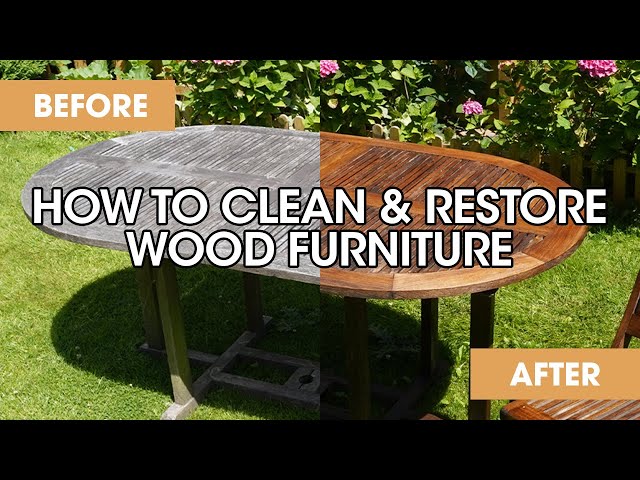
Credit: treecarezone.com
Benefits Of Tung Oil For Outdoor Furniture
Tung oil is a popular finish for outdoor wood furniture. It protects wood and keeps it looking good over time.
This oil comes from the seeds of the tung tree. It is natural and easy to apply.
Natural Water Resistance
Tung oil creates a strong barrier against water. It soaks into the wood and seals the surface.
This helps stop water from soaking in. It prevents wood from swelling or cracking.
- Protects wood from rain and spills
- Reduces damage from humidity
- Helps wood last longer outdoors
Enhancing Wood Grain
Tung oil brings out the natural beauty of wood. It deepens the color and highlights the grain.
The finish looks smooth and rich. It does not leave a shiny or plastic feel.
- Shows wood’s unique patterns clearly
- Gives a warm, natural glow
- Improves the look without hiding texture
Non-toxic And Eco-friendly
Tung oil is safe for people and pets. It does not contain harmful chemicals.
It is made from natural seeds and breaks down in the environment. This makes it eco-friendly.
- No strong fumes or toxins
- Safe for outdoor use near children
- Biodegradable and renewable resource
Applying Tung Oil Outdoors
Tung oil is a natural oil used to protect outdoor wood furniture. It soaks into the wood and helps keep water out.
Applying tung oil outside needs some care. This guide explains how to prepare, apply, and dry tung oil on outdoor furniture.
Surface Preparation Steps
Clean the furniture well before applying tung oil. Dirt and old finishes stop the oil from soaking in properly.
Sand the wood smooth to open the pores. This helps the oil get deep inside the wood.
- Remove dirt and dust with a soft brush or cloth
- Use medium-grit sandpaper (120-150) to smooth the surface
- Wipe off sanding dust with a clean, dry cloth
- Make sure the wood is dry before applying oil
Best Application Techniques
Use a clean, lint-free cloth or brush to apply tung oil. Apply thin, even coats to avoid sticky spots.
Rub the oil into the wood in the direction of the grain. This helps the wood absorb the oil better.
- Apply a thin coat with a cloth or brush
- Allow oil to soak in for 15-30 minutes
- Wipe off excess oil with a clean cloth
- Repeat for 2-3 coats for good protection
Drying And Curing Time
Tung oil needs time to dry and harden on outdoor furniture. Drying time depends on temperature and humidity.
Wait at least 24 hours between coats. Full curing can take up to 7 days for strong protection.
- Dry each coat for 24 hours before next application
- Avoid rain or moisture during drying
- Allow 7 days for full curing before heavy use
- Keep furniture in a well-ventilated area while drying
Durability And Weather Protection
Tung oil is a natural finish used on outdoor wood furniture. It offers good protection against weather damage. This oil soaks deep into wood, helping it last longer outside.
Using tung oil can keep furniture strong through rain, sun, and temperature changes. It creates a protective layer that helps prevent damage over time.
Resistance To Moisture And Uv
Tung oil repels water well, which stops moisture from soaking into wood. This helps prevent swelling and rotting. It also reduces damage from sunlight.
The oil forms a barrier that blocks harmful UV rays. This keeps the wood from fading and weakening. Regular application maintains this protection.
Handling Temperature Changes
Wood expands and contracts with temperature changes. Tung oil keeps the wood flexible to handle this movement. This lowers the chance of warping or splitting.
The oil helps wood stay stable during cold and hot weather. It supports the wood’s natural ability to adjust to the environment.
Preventing Cracks And Peeling
Tung oil penetrates deep into wood fibers. This strengthens the wood and stops surface cracks. It also prevents peeling that happens with some finishes.
Because tung oil does not form a thick layer, it does not chip or peel. This means less maintenance and longer-lasting protection.
Maintenance Tips For Longevity
Tung oil is a natural finish that protects outdoor furniture. It penetrates the wood and helps keep it safe from moisture and sun damage. To keep your furniture looking good, regular care is important.
Good maintenance extends the life of the tung oil finish. It also keeps the furniture looking fresh and strong against weather changes.
When To Reapply Tung Oil
Reapplying tung oil is key to maintaining protection. Watch for signs like dullness or water soaking into the wood. These signs mean the oil has worn off.
Usually, you should reapply tung oil once a year. If your furniture faces harsh weather, check more often. Early reapplication stops damage and keeps the wood strong.
Cleaning Outdoor Furniture
Clean your furniture before applying tung oil again. Dirt and dust stop the oil from soaking in well. Use mild soap and water with a soft brush or cloth.
Rinse well and let the furniture dry completely. Avoid harsh cleaners that can damage the wood or remove the oil finish.
- Use mild soap and warm water
- Scrub gently with a soft brush
- Rinse with clean water
- Let furniture dry fully before oiling
Combining With Other Protective Coatings
Tung oil works well with some other finishes. You can add a clear outdoor varnish over tung oil for extra protection. This adds a hard, water-resistant layer.
Do a test on a small area first. Some finishes may not stick well to tung oil. Always let the tung oil dry fully before applying another coating.
- Apply tung oil first and let dry for days
- Test other coatings on a hidden spot
- Use clear varnish for added water resistance
- Avoid mixing finishes that peel or crack
Common Mistakes To Avoid
Tung oil is popular for protecting outdoor furniture. It brings a natural finish and water resistance. Still, using it the wrong way can cause problems.
Learn about common mistakes people make with tung oil. Avoid these to keep your furniture safe and looking good.
Over-application Issues
Applying too much tung oil can create sticky or uneven surfaces. Thick layers take too long to dry and may peel off later.
Only apply thin coats and let each one dry fully. Multiple thin layers work better than one thick coat.
- Use a clean cloth to wipe off extra oil
- Allow 24-48 hours drying time between coats
- Stop adding layers when wood looks smooth and not wet
Ignoring Surface Preparation
Not preparing wood properly leads to poor tung oil finish. Dirt, dust, or old finishes block oil from soaking in well.
Sand your furniture smoothly and clean it before applying tung oil. This helps the oil penetrate and protect better.
- Sand with fine-grit sandpaper (220 grit works well)
- Remove all dust with a tack cloth or brush
- Do not apply tung oil over old varnish or paint
Using Tung Oil On Unsuitable Woods
Tung oil works best on woods that absorb oil well. Some woods are too dense or oily, so tung oil does not soak in properly.
Avoid using tung oil on woods like teak or rosewood without special preparation. These woods may need other finishes.
- Use tung oil on soft or medium-density woods like pine or oak
- Test oil on a small hidden spot first
- Consider other finishes for oily or dense hardwoods

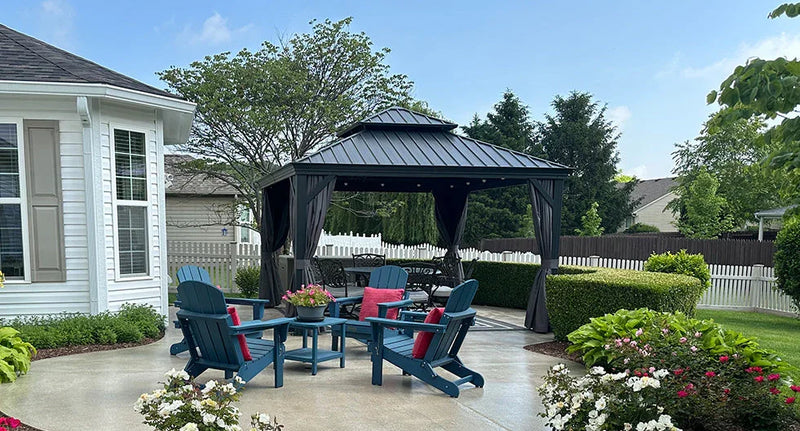
Credit: www.amazon.ca
Comparing Tung Oil With Other Finishes
Tung oil is a popular finish for outdoor furniture. It protects wood and brings out its natural beauty. Many people wonder how it compares to other finishes.
This article compares tung oil with linseed oil and varnishes. It also looks at cost and performance differences.
Tung Oil Vs. Linseed Oil
Tung oil comes from the tung tree nuts. Linseed oil comes from flax seeds. Both oils soak into the wood and harden when dry.
Tung oil is water-resistant and lasts longer outdoors. Linseed oil is less water-resistant and may need more coats. Tung oil dries faster and feels smoother.
- Tung oil offers better water protection
- Linseed oil is cheaper but less durable
- Tung oil dries faster than linseed oil
- Linseed oil can darken wood more
Tung Oil Vs. Varnishes
Varnishes create a hard, protective layer on the wood surface. Tung oil soaks into the wood instead of sitting on top.
Varnishes give a shiny finish and strong protection against scratches. Tung oil gives a natural, matte look but less surface protection.
- Varnish forms a tough coating on wood
- Tung oil penetrates and seals wood fibers
- Varnish resists scratches and chemicals better
- Tung oil keeps the wood looking natural
Cost And Performance Differences
Tung oil costs more than linseed oil but less than many varnishes. It needs several coats for best results.
Performance depends on use. Tung oil works well for light outdoor use. Varnishes last longer under harsh weather.
| Finish | Cost | Durability | Maintenance |
|---|---|---|---|
| Tung Oil | Moderate | Good for mild outdoor use | Needs reapplication yearly |
| Linseed Oil | Low | Less durable outdoors | Needs frequent reapplication |
| Varnish | High | Very durable and tough | Lasts years with minimal care |

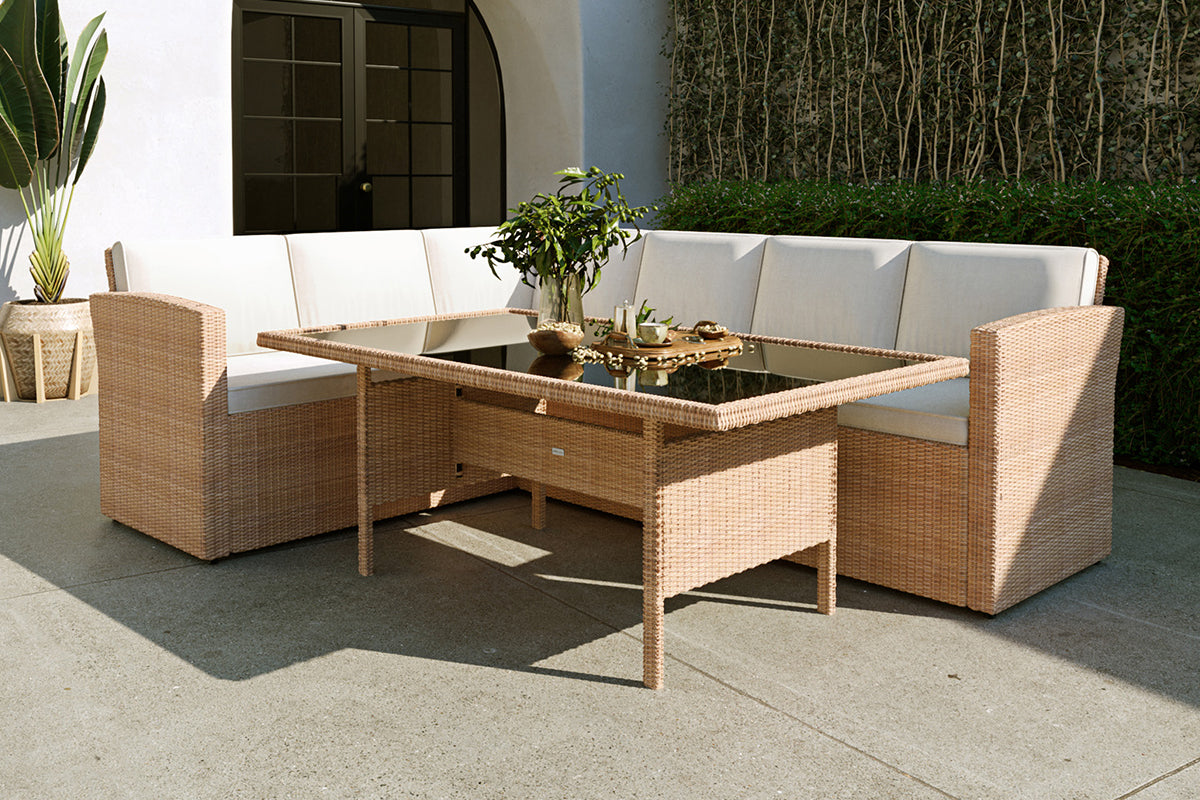
Credit: www.reddit.com
Frequently Asked Questions
Does Tung Oil Protect Against Weather Elements?
Yes, tung oil provides a protective barrier against moisture and UV rays. It penetrates deeply into the wood, enhancing durability. This makes it an excellent choice for outdoor furniture. Its natural finish also brings out the wood's beauty while safeguarding it from weather-related damages.
How Often Should I Reapply Tung Oil?
For optimal protection, reapply tung oil every 6 to 12 months. This frequency depends on the exposure to weather conditions. Regular maintenance ensures the wood remains protected and retains its natural luster. Proper care will extend the lifespan of your outdoor furniture.
Is Tung Oil Safe For Outdoor Use?
Yes, tung oil is safe and non-toxic, making it ideal for outdoor use. It's a natural finish that doesn't emit harmful fumes. This makes it suitable for outdoor furniture where people frequently gather. Its eco-friendly properties also contribute to a healthier environment.
Can Tung Oil Prevent Wood Cracking?
Tung oil penetrates wood, reducing the risk of cracking by retaining moisture. It forms a flexible, water-resistant finish that adapts to wood's natural expansion and contraction. This flexibility helps prevent cracking and warping, ensuring long-lasting outdoor furniture.
Conclusion
Tung oil protects outdoor furniture well. It soaks deep into the wood. This helps keep water and sun damage away. The finish looks natural and smooth. It also makes the wood last longer. Applying tung oil is simple and safe.
Reapply it every year for best results. Your furniture will stay beautiful through many seasons. A good choice for wood care outdoors.