Are you wondering how long your memory foam mattress will last before it starts to lose its comfort and support? You’ve invested in a mattress that promises restful nights and better sleep, but knowing when it’s time to replace it can be tricky.
If you stay on a worn-out mattress too long, your sleep quality and even your health could suffer. You’ll discover the key signs that your memory foam mattress is aging, how long you can realistically expect it to last, and what you can do to extend its life.
Keep reading to make sure your mattress continues to give you the comfort you deserve night after night.
Memory Foam Mattress Lifespan
Memory foam mattresses are popular for their comfort and support. Knowing how long they last helps buyers make smart choices.
This guide explains the average duration of memory foam mattresses. It also covers key factors that affect their lifespan.
Average Duration
Most memory foam mattresses last about 7 to 10 years. This depends on the mattress quality and use.
After this time, the foam may lose shape and support. It might feel less comfortable or sag in some areas.
Factors Affecting Longevity
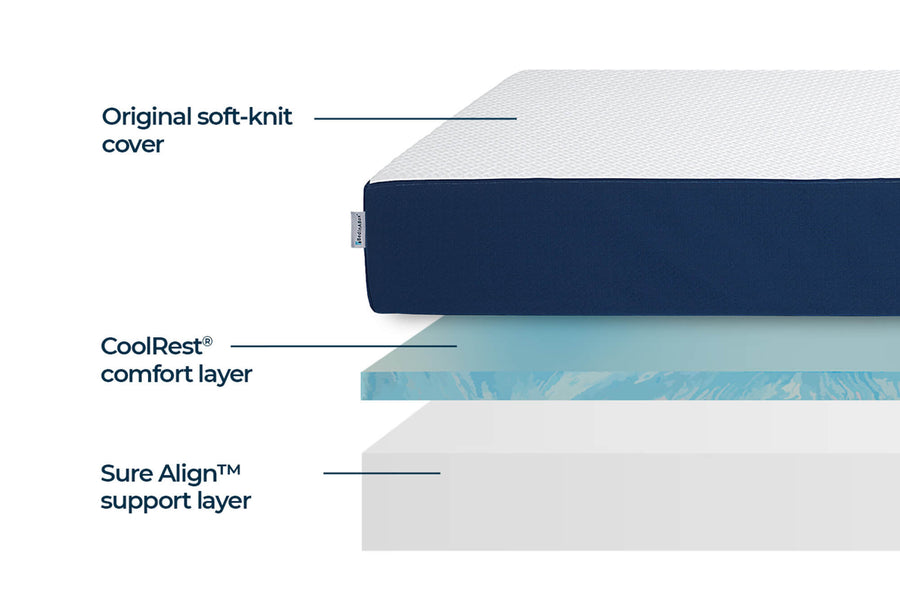
Several factors can change how long a memory foam mattress stays good. These include material, weight, and care.
- Foam Density:Higher density foam lasts longer and supports better.
- User Weight:Heavier weight causes faster wear and sagging.
- Usage Frequency:Daily use wears out the mattress quicker than occasional use.
- Maintenance:Rotating the mattress helps it wear evenly and last longer.
- Environment:High humidity and heat can damage foam faster.

Credit: relaxonmattresses.com
Signs Of Wear And Tear
Memory foam mattresses last several years but do show wear over time. It is important to watch for signs that the mattress needs replacement.
Knowing these signs helps keep your sleep healthy and comfortable. Look for changes in support, damage, and hygiene problems.
Loss Of Support
Memory foam softens with use and loses its shape. This causes the mattress to feel less supportive.
You might feel more pressure on your hips or shoulders. This means the foam no longer holds your body well.
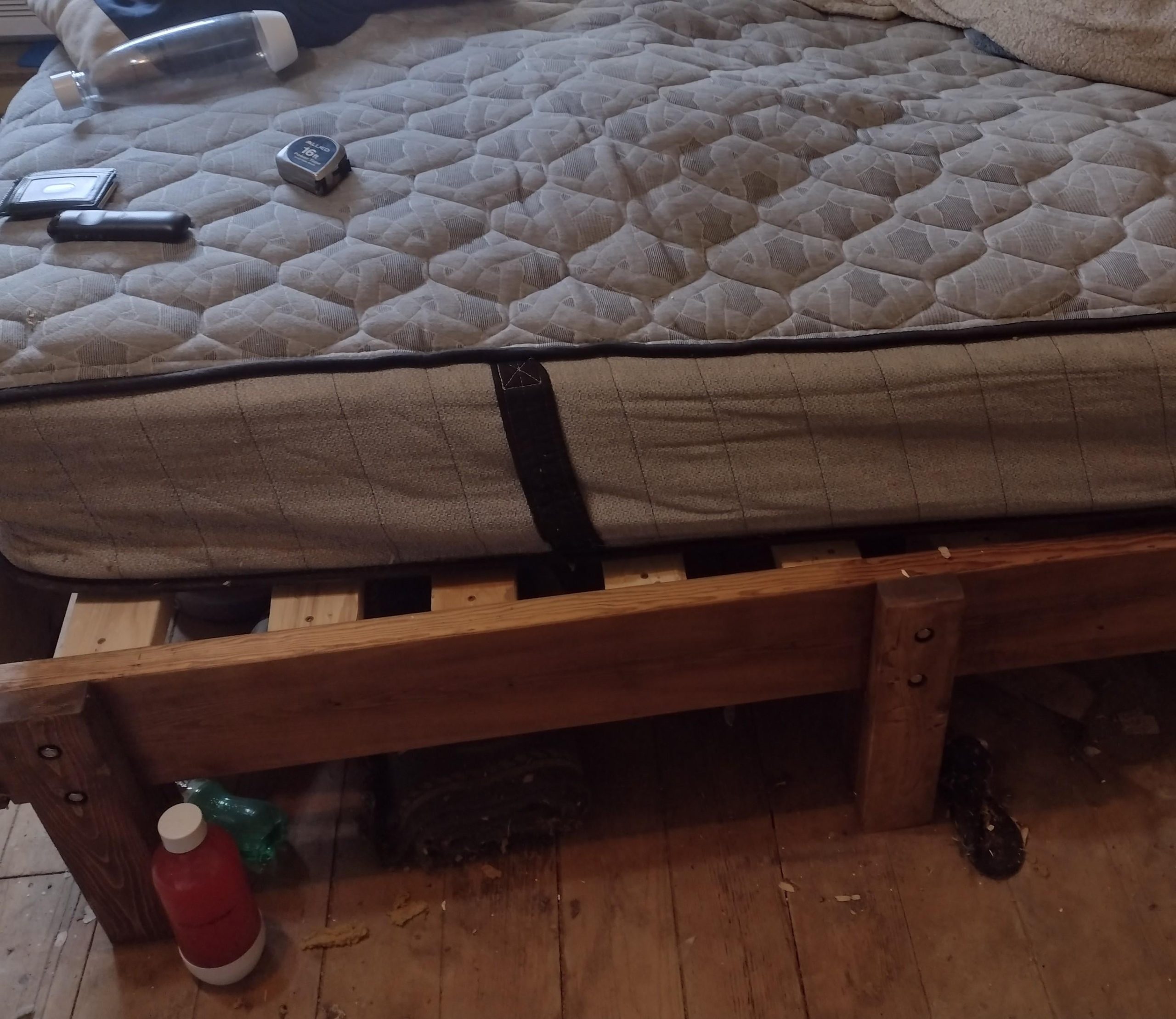
- Sagging areas where you sleep
- Feeling the bed bottom or coils
- Increased back or joint pain
Visible Damage
Look closely for tears, cracks, or holes on the mattress surface. These signs show the foam is breaking down.
Foam that crumbles or breaks apart means the mattress is past its prime. Cover fabrics may also wear thin or rip.
- Surface cracks or splits
- Foam pieces breaking off
- Fabric tears or worn spots
Odor And Hygiene Issues
Old mattresses can keep odors from sweat, dust, and spills. These smells may worsen over time.
Hygiene issues arise if the mattress collects dust mites or mold. These problems affect health and comfort.
- Persistent musty or sour smells
- Visible stains or discoloration
- Allergy symptoms or irritation
Extending Mattress Life
A memory foam mattress can last many years if you take good care of it. Proper care helps keep it comfortable and supportive.
Small actions can make your mattress stay fresh and last longer. Let’s look at some ways to extend its life.
Proper Maintenance
Maintain your mattress by rotating it regularly. This stops uneven wear and sagging. Avoid jumping on the mattress.
Check the mattress frame to make sure it supports the foam well. Use a strong foundation to keep the mattress stable.
- Rotate mattress every 3 to 6 months
- Avoid bending or folding the mattress
- Use a solid bed frame or foundation
Using Mattress Protectors
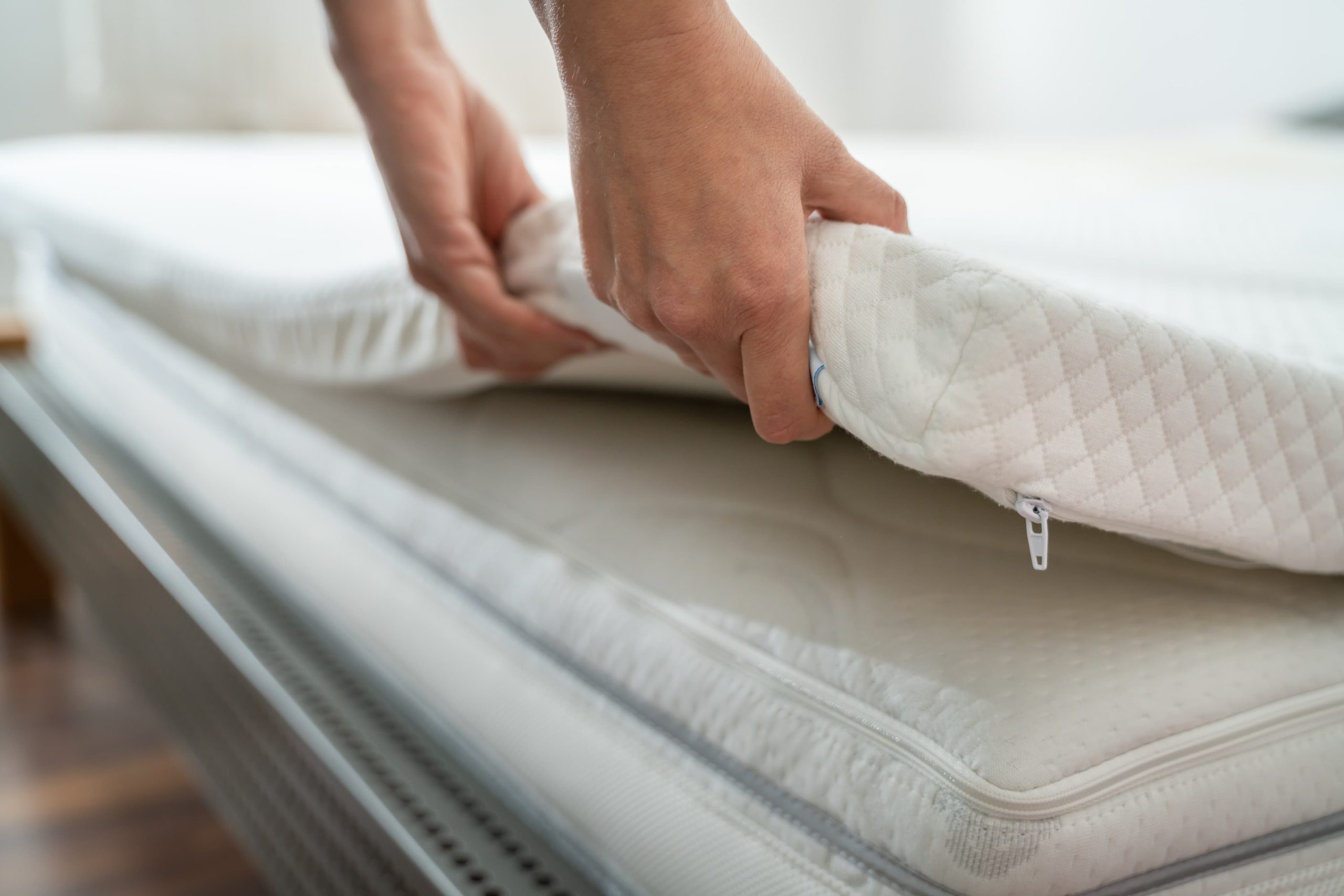
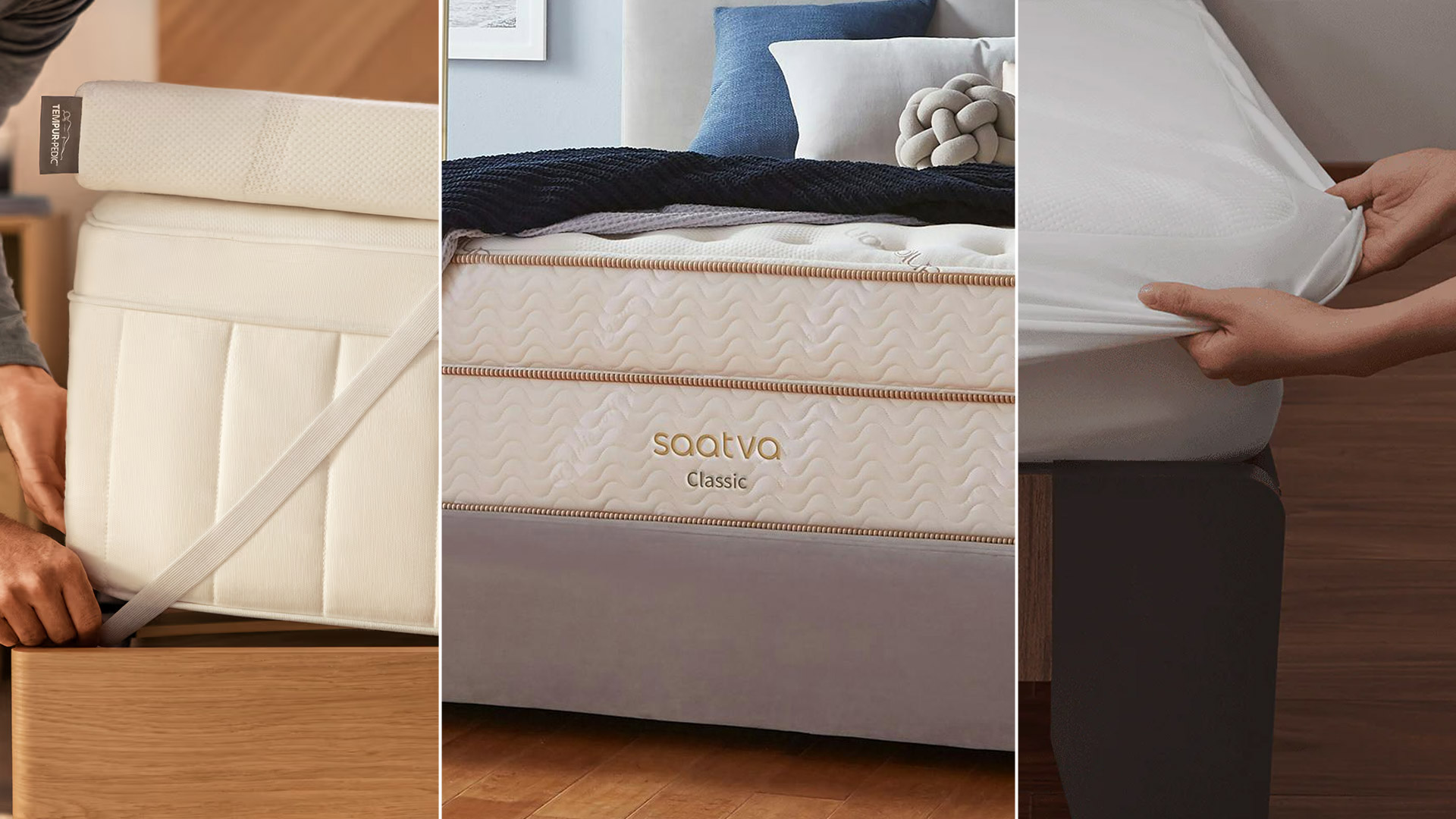
A mattress protector shields your memory foam from spills, dust, and stains. This helps prevent damage and keeps it clean.
Choose a protector that is waterproof and breathable. This stops liquids from soaking in but lets air flow.
- Use a waterproof mattress protector
- Pick breathable fabric to avoid moisture build-up
- Wash protectors regularly to keep them fresh
Regular Cleaning Tips
Keep your mattress clean by vacuuming it every few months. This removes dust, dirt, and allergens from the surface.
Spot clean stains quickly with mild soap and water. Avoid soaking the mattress as moisture can damage the foam.
- Vacuum mattress surface every 3 to 6 months
- Use mild soap and damp cloth for stains
- Air out mattress regularly to reduce moisture
Credit: www.tomsguide.com
When To Replace Your Mattress
Memory foam mattresses feel comfortable and support your body well. But over time, they wear out. Knowing when to replace your mattress helps keep your sleep good and your health safe.
Most memory foam mattresses last about 7 to 10 years. This depends on how you use and care for them. Signs of wear mean it is time to think about a new mattress.
Impact On Sleep Quality
Old memory foam loses its shape and support. This can cause discomfort and pain while sleeping. Poor support can also lead to restless nights and less deep sleep.
If your mattress feels lumpy or sags, your sleep quality is likely affected. A worn mattress may cause you to toss and turn more often.
- Reduced pressure relief
- Uneven support for the body
- Increased motion transfer
- More discomfort and pain
Health Considerations
A mattress that is too old can cause back and joint pain. It may worsen allergies because dust and dust mites build up over time. This can affect breathing and cause skin irritation.
Replacing your mattress helps improve your posture during sleep. It also reduces allergy risks and promotes better overall health.
- Increased risk of back pain
- Allergy and asthma triggers
- Poor spinal alignment
- Possible skin problems
Cost-benefit Analysis
Buying a new mattress costs money, but a worn mattress can cost more in health and comfort. Think of a mattress as an investment in better sleep and well-being.
Regularly replacing your mattress avoids extra costs from health issues and poor sleep. It also saves money on treatments and missed work.
- Cost of new mattress versus health costs
- Long-term savings from better sleep
- Improved productivity and mood
- Better quality of life
Comparing Memory Foam To Other Mattresses
Memory foam mattresses are popular for comfort and support. Many people want to know how long they last compared to other types.
This article looks at durability and comfort over time for memory foam and other mattress types.
Durability Differences
Memory foam tends to last between 7 and 10 years. It holds its shape well but can sag if low quality.
Innerspring mattresses usually last 5 to 7 years. The coils can lose support faster than foam.
- Memory foam resists body impressions better
- Innerspring may develop squeaks and coil issues
- Latex mattresses often last 10 to 12 years
- Hybrid mattresses combine foam and springs, lasting 7 to 10 years
Comfort Over Time
Memory foam keeps its comfort longer because it molds to the body. This helps reduce pressure points.
Innerspring mattresses can feel less comfortable after a few years. The springs may lose bounce and support.
- Memory foam softens to body shape over time
- Innerspring can feel uneven as springs wear out
- Latex stays firm and supportive longer
- Hybrid mattresses may change feel as foam or springs wear
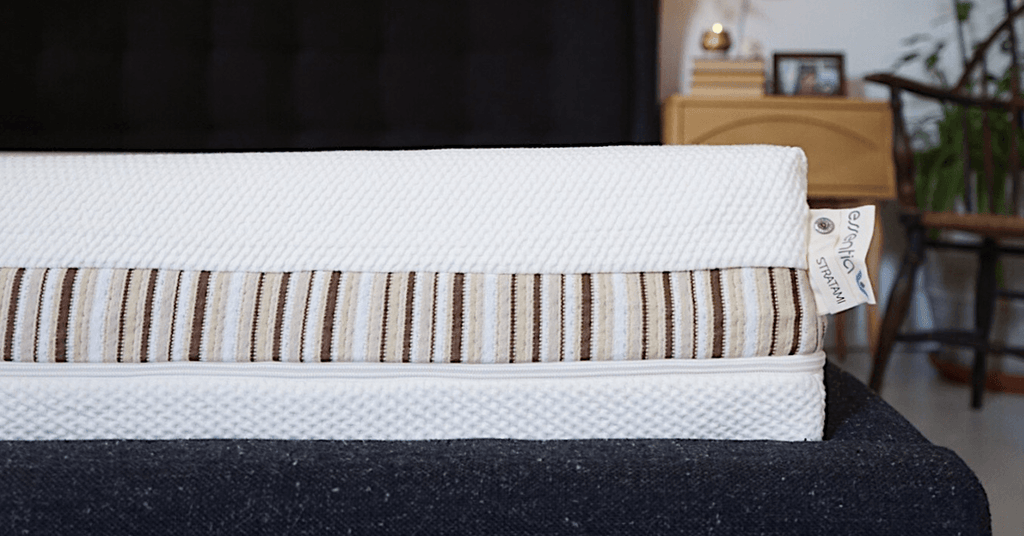
Credit: myessentia.ca
Frequently Asked Questions
How Long Does A Memory Foam Mattress Last?
A memory foam mattress typically lasts between 7 to 10 years. Its lifespan can vary based on usage, quality, and maintenance. Regularly rotating the mattress and using a good foundation can help prolong its life. Investing in a mattress protector also aids in maintaining its condition over time.
Do Memory Foam Mattresses Wear Out?
Yes, memory foam mattresses do wear out over time. Factors such as weight distribution, sleeping habits, and care impact their longevity. Signs of wear include sagging, reduced support, and discomfort. To extend the life of your mattress, ensure proper care and consider rotating it regularly.
How Can I Extend My Memory Foam Mattress Lifespan?
To extend its lifespan, rotate your memory foam mattress every 3 to 6 months. Use a mattress protector to guard against spills and allergens. Ensure your mattress is placed on a supportive foundation. Avoid jumping or placing heavy objects on it to maintain its structural integrity.
What Affects Memory Foam Mattress Longevity?
Several factors affect memory foam mattress longevity, including material quality, usage frequency, and care practices. Higher-density foams generally last longer than lower-density ones. Proper maintenance, like regular cleaning and using a mattress protector, also plays a crucial role in extending its lifespan.
Conclusion
A memory foam mattress usually lasts around 7 to 10 years. Its comfort and support may change over time. Regular care helps keep it fresh and comfy. Watch for signs like sagging or lumps. These mean it may be time to replace.
Choosing the right mattress matters for good sleep. A well-maintained mattress supports better rest and health. Remember, sleep quality affects your daily energy and mood. So, keep your mattress in good shape. It makes a big difference every night.