If you’ve invested in a memory foam mattress, you probably want to know how long it will stay comfortable and supportive. After all, your mattress affects the quality of your sleep and overall health.
But how do you tell when it’s time to replace it? You’ll discover exactly how long memory foam mattresses last, what signs to watch for, and how to get the most out of your investment. Keep reading to protect your sleep and make every night as restful as possible.

Credit: relaxonmattresses.com
Memory Foam Lifespan Basics
Memory foam mattresses are popular for comfort and support. Knowing their lifespan helps you plan for replacement.
This guide explains how long memory foam mattresses usually last and what affects their durability.
Typical Durability Span
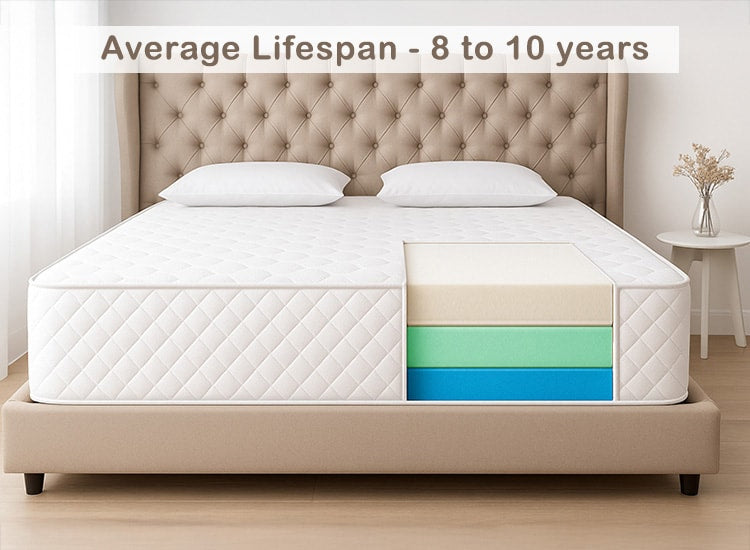
Most memory foam mattresses last between 7 and 10 years. Some high-quality models can last longer.
After this time, the foam may lose its shape and support, making the mattress less comfortable.
- Average lifespan: 7 to 10 years
- High-quality foam can last up to 12 years
- Lower quality foam may last less than 7 years
Factors Influencing Longevity
Several factors affect how long a memory foam mattress stays good. These include usage, care, and materials.
Understanding these can help you extend your mattress's life and keep it comfortable longer.
- Density:Higher density foam lasts longer and supports better.
- Weight:Heavier users may wear the mattress faster.
- Usage:Daily use shortens lifespan compared to guest room use.
- Care:Proper cleaning and rotating help maintain shape.
- Temperature:Extreme heat or cold can damage foam.
Quality And Density Impact
Memory foam mattresses last for different times based on their quality and density. These two factors affect comfort and durability.
Understanding quality and density helps you choose a mattress that stays supportive for years.
High Vs Low Density Foam
High density foam is thicker and heavier. It holds its shape longer and gives better support.
Low density foam is lighter and softer. It may feel comfy at first but wears out faster.
- High density foam lasts about 7 to 10 years.
- Low density foam lasts about 3 to 5 years.
- High density foam resists sagging better.
- Low density foam can develop dents and lose support.
Material Quality Effects
Good quality materials in memory foam improve mattress life. They also keep the mattress comfortable and supportive.
Poor quality materials break down faster. This causes the mattress to lose shape and feel less cozy.
- High quality foam resists heat and moisture.
- Low quality foam may trap heat and wear unevenly.
- Durable covers protect the foam from damage.
- Cheaper covers can tear or wear out quickly.
Usage And Maintenance Tips
Memory foam mattresses last longer with proper care. Good habits help keep them fresh and comfortable.
Cleaning and rotating your mattress can extend its life. Here are some tips to maintain your mattress well.
Proper Cleaning Methods
Keep your mattress clean by removing dust and stains regularly. Use gentle cleaning to avoid damage.
Vacuum the surface every few weeks to remove dirt and dust mites. Spot clean stains with mild soap and water.
- Use a vacuum cleaner with a soft brush attachment
- Blot stains gently; do not soak the mattress
- Allow the mattress to dry completely before use
- Avoid harsh chemicals or cleaners
Rotating And Flipping Practices
Rotate your memory foam mattress every 3 to 6 months. This helps prevent uneven wear and sagging.
Most memory foam mattresses do not need flipping. Check your mattress type before flipping to avoid damage.
- Rotate the mattress 180 degrees regularly
- Do not flip unless the mattress is double-sided
- Follow manufacturer instructions for rotation and flipping
- Use a mattress protector to reduce dirt and spills

Credit: www.bedinabox.com
Signs Of Wear And Tear
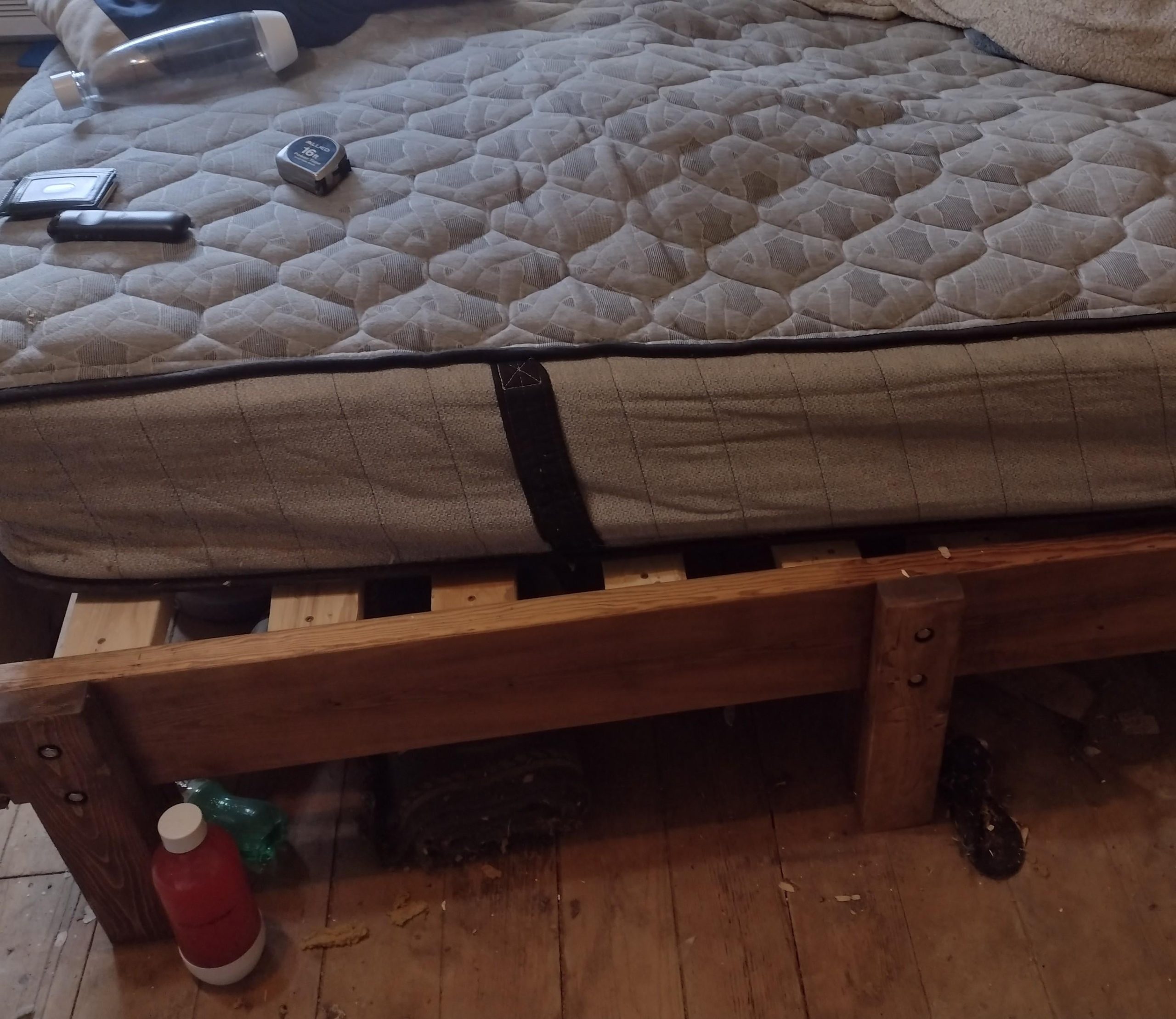
Memory foam mattresses last for many years, but they do wear out eventually. You can tell when it is time to replace your mattress by looking for signs of wear and tear.
These signs affect how comfortable and supportive your mattress feels. Watching for these changes helps keep your sleep healthy.
Indentations And Sagging
Indentations are areas where the mattress sinks down. Sagging happens when the mattress loses its shape over time.
Both indentations and sagging make sleeping uncomfortable. They also cause your body to rest unevenly.
- Indentations usually form where you lie most often.
- Sagging can appear in the middle or edges of the mattress.
- These changes reduce the mattress’s ability to support your body.
Loss Of Support And Comfort
Memory foam mattresses soften with use but should still support your body well. If you feel more pressure or pain, the mattress may be losing support.
Comfort decreases as the foam breaks down. You might notice waking up with aches or poor sleep quality.
- The mattress no longer springs back after you move.
- It feels too soft or too firm in spots.
- You wake up feeling stiff or sore.
Extending Mattress Life
Memory foam mattresses can last for many years with proper care. Taking steps to protect your mattress helps keep it comfortable and supportive.
Simple habits can reduce wear and tear on your mattress. This can extend its life and save money over time.
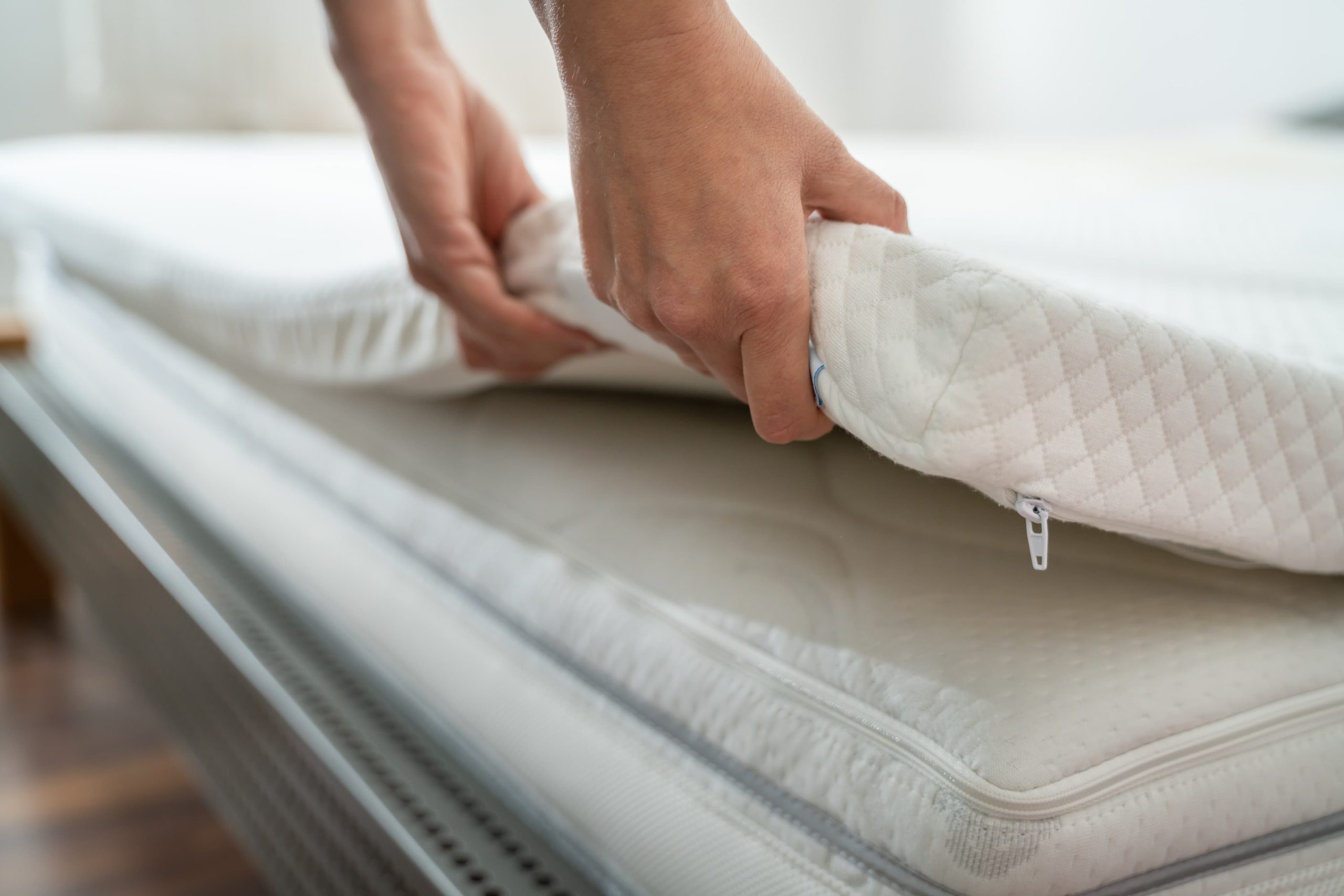
Using Mattress Protectors
A mattress protector shields your memory foam from spills, dust, and stains. This keeps the mattress clean and dry.
Protectors also prevent allergens and dust mites from building up. This helps keep your sleeping environment healthy.
- Choose a waterproof mattress protector
- Use a protector with breathable fabric
- Wash the protector regularly to keep it fresh
Optimal Sleeping Conditions
Memory foam performs best in a cool and dry room. Heat and moisture can reduce its lifespan.
Keep your bedroom well-ventilated to avoid moisture buildup. Use a fan or air conditioner if needed.
- Keep room temperature between 60-75°F (15-24°C)
- Avoid placing mattress near heaters or direct sunlight
- Use breathable bedding materials to reduce sweating
Credit: www.tomsguide.com
When To Replace Your Mattress
Memory foam mattresses usually last between 7 and 10 years. Over time, they lose support and comfort. Knowing when to replace your mattress helps you sleep better and stay healthy.
Signs like sagging, pain, or allergies mean it may be time to get a new mattress. Watching your sleep quality and health can guide your decision.
Health And Sleep Quality Indicators
If you wake up with aches or stiffness, your mattress might be worn out. Poor sleep, allergies, or feeling tired can also point to a bad mattress.
Look for these signs:
- Visible sagging or lumps on the mattress surface
- Increased allergy symptoms like sneezing or congestion
- Waking up with back, neck, or joint pain
- Difficulty falling or staying asleep
- Feeling tired despite enough sleep
Cost Vs Benefit Considerations
Memory foam mattresses cost more than some types, but they offer comfort and support. Weigh the price against how much better you sleep and feel.
Replacing an old mattress can improve sleep quality and reduce health problems. Think about:
- How much pain or discomfort your mattress causes
- How often you wake up tired or restless
- The cost of a new mattress compared to health benefits
- How long your current mattress has been used
- Potential savings on doctor visits or treatments
Frequently Asked Questions
How Long Do Memory Foam Mattresses Last?
Memory foam mattresses typically last between 7 to 10 years. Their lifespan depends on the quality and care. Regularly rotating the mattress and using a protective cover can extend its longevity. It's essential to replace it once comfort and support diminish.
Can Memory Foam Mattresses Sag Over Time?
Yes, memory foam mattresses can sag over time. Continuous use and pressure can lead to indentations. To minimize sagging, rotate your mattress regularly and use a supportive base. High-quality memory foam mattresses generally resist sagging better than lower-quality options.
Do Memory Foam Mattresses Need Flipping?
No, memory foam mattresses do not need flipping. They are designed with specific layers for optimal comfort and support. Instead, rotate your mattress every 3 to 6 months to ensure even wear. This helps maintain its shape and extends its lifespan.
How To Maintain A Memory Foam Mattress?
Maintaining a memory foam mattress involves regular rotation and using a mattress protector. Clean any spills immediately to prevent stains. Avoid exposing it to direct sunlight for prolonged periods. This will help preserve its structure and comfort.
Conclusion
Memory foam mattresses usually last about 7 to 10 years. Their lifespan depends on quality and care. Regular cleaning helps keep them fresh and supportive. Watch for signs like sagging or loss of comfort. Replacing your mattress on time improves sleep and health.
A good mattress supports your body well every night. Choose wisely and care for it to get the best use. Sleep well, feel better, and enjoy restful nights.