Your memory foam pillow is one of the most important parts of a good night’s sleep. But have you ever wondered how to clean it without ruining its shape or comfort?
Washing memory foam pillows can be tricky, and doing it the wrong way might leave you with a soggy, misshapen mess. In this guide, you’ll discover simple, effective steps to keep your pillow fresh and lasting longer. By the end, you’ll feel confident about cleaning your memory foam pillow safely—so you can sleep soundly every night.
Keep reading to learn the secrets that pillow manufacturers don’t always tell you!
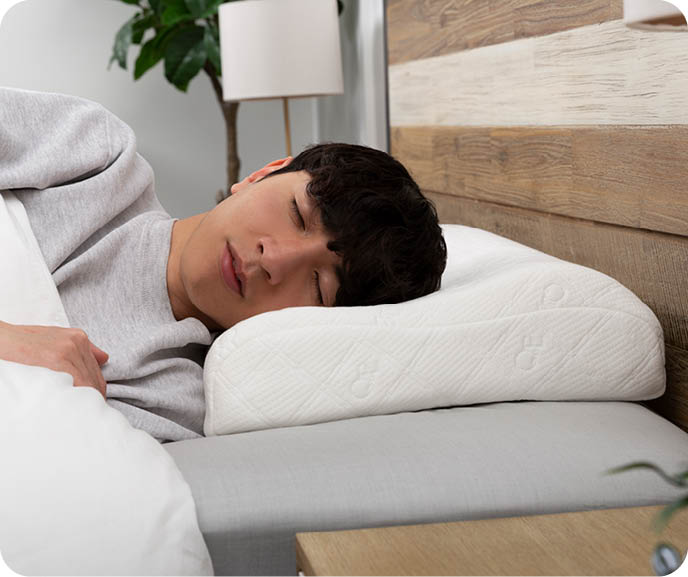
Credit: www.qehomelinens.com
Why Clean Memory Foam Pillows
Memory foam pillows collect sweat, oils, and dirt over time. Cleaning them keeps your sleep environment fresh and healthy.
Regular cleaning helps maintain the pillow’s shape and comfort. It also extends the pillow’s lifespan.
Benefits Of Regular Cleaning
Cleaning memory foam pillows often removes dust mites and allergens. This lowers the chance of allergy symptoms.
Fresh pillows improve your sleep quality. They feel softer and smell better after cleaning.
- Reduces allergens and dust mites
- Prevents bad odors
- Keeps pillow shape and softness
- Extends pillow life
Risks Of Neglecting Pillow Hygiene
Ignoring pillow cleaning causes dirt and germs to build up. This can worsen allergies and skin problems.
Dirty pillows lose their support and comfort. They may also start to smell bad, making sleep unpleasant.
- Increased allergy and asthma symptoms
- Skin irritation and acne
- Pillow loses shape and comfort
- Unpleasant odors develop
What You’ll Need
Memory foam pillows need gentle cleaning to keep their shape and comfort. Using the right supplies helps clean them safely.
Before washing, gather the items below to make the process easy and effective.
Cleaning Supplies
Use mild and safe cleaning products for your memory foam pillow. Harsh chemicals can damage the foam.
- Mild liquid detergent or gentle soap
- Cold or lukewarm water
- Clean towels for drying
- Large basin or bathtub for soaking
- Spray bottle (optional, for spot cleaning)
Preparation Tips
Prepare your pillow before washing to avoid damage. Removing covers and checking care labels helps.
- Remove any pillowcases or covers
- Read the care label for special instructions
- Spot clean stains before full washing
- Use a clean, flat surface to dry the pillow
- Avoid direct sunlight to prevent foam damage
Spot Cleaning Techniques
Memory foam pillows need gentle care to stay fresh and clean. Spot cleaning helps remove dirt and stains without soaking the foam.
Use soft cloths and mild cleaners for safe and effective cleaning. Avoid harsh chemicals or too much water.
Removing Stains Safely
Act quickly to treat stains on memory foam pillows. Blot the stain gently with a clean cloth to lift excess liquid.
Use a small amount of water and mild soap on the stain. Avoid scrubbing hard to prevent damaging the foam.
- Blot stains instead of rubbing
- Use cool or lukewarm water only
- Test cleaner on a small area first
- Let the pillow air dry completely
Using Mild Detergents
Mild detergents clean memory foam without causing harm. Choose gentle soaps or baby shampoo for spot cleaning.
Dilute the detergent with water before applying it. This reduces the risk of residue and keeps the foam soft.
- Mix a small amount of mild detergent with water
- Apply solution with a soft cloth or sponge
- Blot the area gently to clean
- Rinse with a damp cloth to remove soap
- Allow pillow to dry in open air

Credit: putnams.co.uk
Hand Washing Memory Foam Pillows
Memory foam pillows need gentle care to last longer. Hand washing is a safe way to clean them without damage.
This guide shows how to wash memory foam pillows by hand. Follow simple steps for best results.
Step-by-step Guide
Start by filling a large basin with lukewarm water. Add a small amount of mild detergent.
Gently press the pillow into the water. Avoid twisting or wringing the foam.
- Soak the pillow for about 10 minutes
- Lightly squeeze to release dirt
- Rinse with clean lukewarm water until no soap remains
- Press the pillow gently to remove excess water
Drying Tips For Hand Washed Pillows
Place the pillow on a flat, clean surface to dry. Avoid direct sunlight and heat sources.
Use a towel to press out extra water. Flip the pillow often to help it dry evenly.
- Do not use a dryer or iron
- Allow 24 to 48 hours to dry completely
- Keep the pillow in a well-ventilated area
- Ensure the pillow is fully dry before use
Machine Washing Guidelines
Memory foam pillows need gentle care when washed in a machine. Using the right settings helps avoid damage.
Follow simple rules to keep your pillow clean and lasting longer.
When To Machine Wash
Wash memory foam pillows in a machine only if the care tag allows it. Spot cleaning is better for minor stains.
Machine washing is good when the pillow smells or has heavy dirt.
Safe Washing Settings
Use a gentle cycle with cold water to protect the foam. Hot water can break down the foam material.
- Choose delicate or gentle cycle
- Use cold or lukewarm water only
- Use mild liquid detergent
- Do not use bleach or fabric softeners
Drying In A Machine
Dry memory foam pillows on low heat or air fluff setting. High heat can melt or damage the foam.
Add clean tennis balls or dryer balls to help fluff the pillow while drying.
- Set dryer to low heat or air dry
- Include dryer balls to keep pillow fluffy
- Remove pillow when slightly damp to air dry fully
- Avoid over drying to prevent foam damage
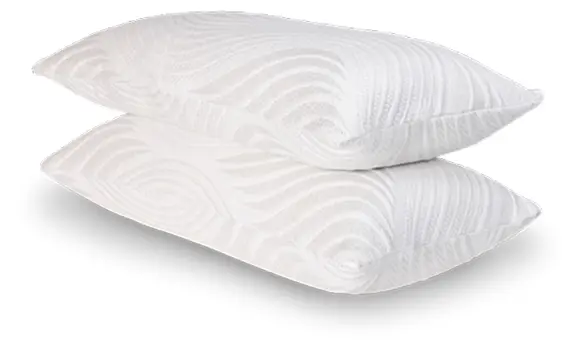
Credit: www.bigfigmattress.com
Drying Memory Foam Pillows
Drying memory foam pillows needs care. The foam can trap water inside. This makes drying slow and tricky.
Proper drying keeps the pillow fresh and long-lasting. Avoid heat that can damage the foam.
Air Drying Methods
Air drying is the safest way to dry memory foam pillows. It stops the foam from breaking down.
Place your pillow in a well-ventilated area. Keep it flat to keep its shape.
- Lay pillow flat on a clean surface
- Use a fan to speed up air flow
- Turn pillow every few hours
- Keep pillow out of direct sunlight
Avoiding Mold And Odors
Moisture inside the pillow can cause mold and bad smells. Dry it completely to prevent this.
Good air flow and patience help keep your pillow clean and fresh.
- Do not store pillow until fully dry
- Use baking soda to absorb odors
- Regularly air out pillows in fresh air
- Spot clean stains quickly to avoid moisture buildup
Maintaining Pillow Freshness
Memory foam pillows need care to stay fresh and last longer. Washing them is not always easy.
Simple habits can keep your pillow clean and smelling nice without damage.
Regular Fluffing And Airing
Fluff your memory foam pillow often to keep its shape. This helps air flow inside the pillow.
Airing the pillow outside in fresh air removes moisture and odors. Avoid direct sunlight to protect foam.
- Fluff pillow daily to keep it soft
- Air pillow outside for 1-2 hours weekly
- Keep away from strong sunlight
- Use a clean, dry area for airing
Using Pillow Protectors
Pillow protectors shield your memory foam pillow from sweat, dust, and stains. They help keep pillows fresh longer.
Choose protectors that are breathable and easy to wash. Wash protectors regularly to maintain cleanliness.
- Use a zipped pillow protector for best fit
- Pick breathable fabric like cotton or bamboo
- Wash protectors every 1-2 weeks
- Replace protectors if damaged or worn out
Signs It’s Time To Replace Your Pillow
Memory foam pillows can last a long time if cared for properly. Still, they do not last forever. It is important to know when to replace your pillow.
Replacing your pillow at the right time helps keep your sleep comfortable and healthy. Watch for signs that your pillow is worn out.
Wear And Tear Indicators
Look closely at your pillow for visible damage. Memory foam can break down over time. Cracks, lumps, or tears are signs your pillow is aging.
Also, check if the pillow has lost its shape. A flat or misshapen pillow cannot support your head well. This means it is time for a new one.
- Cracks or tears in the foam
- Flattened or misshapen areas
- Foam that breaks apart easily
- Discoloration or stains that do not wash out
Impact On Sleep Quality
Your pillow affects how well you sleep. If you wake up with neck or shoulder pain, your pillow may not be supporting you properly.
Old pillows can cause discomfort and poor sleep posture. You might toss and turn more or feel tired during the day. These are signs to replace your pillow.
- Waking up with neck or shoulder pain
- Feeling stiff or sore in the morning
- Increased tossing and turning at night
- Feeling tired even after a full night's sleep
Frequently Asked Questions
How Often Should I Wash Memory Foam Pillows?
It's best to wash memory foam pillows every 2-3 months. Regular washing helps maintain hygiene and prolongs the pillow's lifespan. Always check the manufacturer's care label for specific instructions. Spot cleaning can be done between washes for minor stains and spills.
This keeps your pillows fresh and clean.
Can I Machine Wash Memory Foam Pillows?
No, you should not machine wash memory foam pillows. The agitation can damage the foam material. Instead, spot clean stains with mild detergent and water. Use a damp cloth to gently clean the surface. For a thorough clean, consider hand washing or using a pillow cover.
How Do I Dry Memory Foam Pillows?
Air drying is the safest method for drying memory foam pillows. Lay the pillow flat on a clean, dry surface. Avoid direct sunlight and heat sources like hair dryers. Ensure the pillow is completely dry before use to prevent mold growth.
This ensures the pillow remains in good condition.
Are Memory Foam Pillows Hypoallergenic?
Yes, memory foam pillows are often hypoallergenic. They resist dust mites and allergens, making them ideal for allergy sufferers. However, regular cleaning is essential to maintain their hypoallergenic properties. Use pillow covers for added protection against allergens. This keeps your sleeping environment healthier.
Conclusion
Washing memory foam pillows keeps them fresh and comfortable. Use gentle soap and cold water to avoid damage. Never soak or twist the foam. Let pillows dry completely in open air. Proper care extends pillow life and supports good sleep.
Clean pillows feel softer and smell better. Regular cleaning helps prevent dust and allergens. Follow these simple steps for best results. Your pillow will thank you with better comfort every night.