Is your aluminum patio furniture looking dull, rusty, or worn out? You don’t have to replace it just yet.
With a few simple steps, you can bring back its shine and make it look almost new again. Imagine relaxing outside on a beautiful, refreshed set that feels inviting and comfortable. You’ll discover easy and effective ways to restore your aluminum patio furniture, saving you money and giving your outdoor space a fresh new look.
Keep reading to find out how to transform your tired furniture into the highlight of your patio.
Assessing The Condition
Before restoring aluminum patio furniture, check its current state. This helps you plan the right repair steps.
Look closely for any damage or wear. Knowing the condition saves time and effort during restoration.
Checking For Rust And Corrosion
Aluminum can develop rust or corrosion, especially in wet areas. Look for rough spots or discoloration on the metal.
Check joints and corners carefully. These areas often trap moisture and start to corrode first.
- Look for orange or brown spots
- Feel for rough or pitted surfaces
- Inspect under cushions and hidden areas
Identifying Paint Damage
Paint protects aluminum from damage. Check if paint is peeling, cracking, or fading.
Paint damage lets moisture reach the metal. Fixing paint problems early prevents bigger issues.
- Look for bubbles or blisters in paint
- Notice areas where paint has worn off
- Check for uneven color or fading
Inspecting Structural Integrity
Strong furniture feels stable and solid. Check if legs, arms, and joints are loose or bent.
Look for cracks or breaks in the metal. Damaged parts may need repair or replacement.
- Test if the furniture wobbles
- Look for bent or twisted frame pieces
- Check screws and bolts for tightness

Credit: m.youtube.com
Gathering Necessary Tools
Restoring aluminum patio furniture needs the right tools. Getting these tools ready saves time and effort.
We will look at tools for cleaning, sanding, and painting your furniture. Each group of tools has a special role.
Cleaning Supplies
Cleaning removes dirt and grime from your aluminum furniture. Clean surfaces help paint stick better.
You need gentle and strong cleaning products. A mix of supplies works best for tough dirt.
- Mild dish soap
- Bucket of warm water
- Soft scrub brush
- Clean rags or sponges
- White vinegar for stains
- Spray bottle for rinsing
Sanding Equipment
Sanding smooths rough spots and removes old paint. It helps new paint stick well to the metal.
Use the right sandpaper grit and tools for aluminum. Sanding by hand or with machines works.
- Fine and medium grit sandpaper (120 to 220 grit)
- Sandpaper block or sanding sponge
- Electric sander (optional for large areas)
- Dust mask to protect your lungs
- Protective goggles for your eyes
Painting Materials
Choose paint made for metal surfaces. Use materials that help you apply paint evenly.
Good painting tools make your furniture look fresh and protect it from weather.
- Spray paint or brush-on paint for metal
- Primer designed for aluminum
- Paint brushes or foam rollers
- Painter’s tape to cover areas
- Drop cloth to protect the floor
- Gloves to keep hands clean
Cleaning The Furniture
Cleaning aluminum patio furniture is key to restoring its look. Dirt and grime build up over time and dull the finish.
Proper cleaning helps protect the metal and keeps the furniture looking fresh and new.
Removing Dirt And Debris
Start by removing loose dirt and debris from your furniture. Use a soft brush or cloth to wipe off dust and leaves.
Pay attention to corners and crevices where dirt tends to collect. This step prevents scratches during cleaning.
Using Mild Detergents
Mix mild detergent with warm water to clean the furniture surface. Avoid harsh chemicals that can damage aluminum.
Use a soft cloth or sponge dipped in the solution to gently scrub the furniture. Rinse well with clean water after.
- Use dish soap or gentle cleaner
- Avoid bleach or ammonia
- Test cleaner on a small spot first
- Rinse thoroughly to remove all soap
Drying Thoroughly
After cleaning, dry your furniture completely. Use a clean towel or let it air dry in the shade.
Drying prevents water spots and stops rust or corrosion from forming on metal parts.
Removing Rust And Old Paint
Aluminum patio furniture can get rusty and have peeling paint. Removing rust and old paint helps restore its look. This process prepares the furniture for repainting or sealing.
Use the right tools and methods to clean the metal surface. This will make the restoration last longer and look better.
Sanding Techniques
Sanding removes rust and old paint by rubbing the surface. Use sandpaper with medium grit first to get rid of rough spots. Then, use fine grit sandpaper to smooth the metal.
Work in a circular motion to avoid scratches. Use a sanding block or power sander for larger areas. Clean the dust off with a brush or cloth before painting.
- Start with 80-120 grit sandpaper
- Finish with 220-320 grit for smoothness
- Wear a mask to avoid inhaling dust
Using Chemical Strippers
Chemical strippers dissolve old paint and rust. Apply the stripper with a brush to the furniture surface. Let it sit for the time shown on the product label.
After the paint softens, scrape it off with a plastic scraper. Rinse the furniture with water and dry it completely. Repeat if needed for thick layers.
- Choose a stripper safe for aluminum
- Apply evenly for best results
- Do not leave on too long to avoid damage
Safety Precautions
Wear gloves and eye protection when removing rust and paint. Both sanding and chemical strippers can irritate skin and eyes. Work in a well-ventilated area.
Keep children and pets away during the work. Follow the instructions on chemical products carefully. Dispose of waste safely to protect the environment.
- Use gloves, goggles, and masks
- Work outdoors or in open spaces
- Store chemicals away from children
- Clean tools after use
Repairing Damages
Aluminum patio furniture can get dents, scratches, and loose parts over time. Fixing these damages helps keep your furniture strong and looking good. Simple repairs can make your set last longer.
Use the right tools and materials for each repair. Careful work can restore your furniture’s appearance and function.
Filling Dents And Scratches
Small dents and scratches can ruin the look of aluminum furniture. Fill them to smooth the surface before painting. This stops rust and keeps the metal safe.
Use a metal filler or epoxy putty made for aluminum. Apply it with a putty knife and let it dry. Sand it smooth to match the furniture’s surface.
- Clean the damaged area well
- Mix and apply the filler carefully
- Let the filler dry fully before sanding
- Sand until smooth and even
- Paint over the area to protect it
Tightening Loose Parts
Loose screws and bolts can make furniture unstable. Tighten them to keep the pieces connected and safe. Regular checks can prevent bigger problems.
Use the correct screwdriver or wrench to avoid stripping the heads. Replace rusty or damaged fasteners with new ones of the same size.
- Locate all loose screws and bolts
- Use the right tool to tighten each fastener
- Replace any that are rusted or broken
- Test furniture stability after tightening
Replacing Broken Components
Broken parts like legs or armrests need replacement. Find matching pieces to keep the furniture usable and safe. Some parts can be ordered from the manufacturer or hardware stores.
Remove the broken part carefully. Attach the new part firmly with screws or bolts. Check that the furniture stands stable and functions well.
- Identify broken or missing parts
- Find exact or compatible replacements
- Remove damaged parts without harming the frame
- Secure new parts with the right tools
- Check that everything fits and is stable

Credit: hcluxuryoutdoor.com
Priming The Surface
Priming aluminum patio furniture is important for a smooth finish. It helps paint stick better and last longer.
Clean the furniture first. Remove dirt, dust, and old paint before priming the surface.
Choosing The Right Primer
Pick a primer made for metal, especially aluminum. This prevents rust and helps paint stick well.
Look for a rust-inhibiting primer or one labeled for outdoor metal use. These protect your furniture.
- Use an oil-based or bonding primer for aluminum
- Choose a primer that works with your paint type
- Check for weather resistance on the label
Applying Even Coats
Apply the primer in thin, even coats. This avoids drips and uneven surfaces on your furniture.
Use a brush or spray for best results. Make sure to cover all areas, including corners and crevices.
- Start with light strokes to spread the primer
- Work in one direction for smooth coverage
- Apply multiple thin coats if needed
Allowing Proper Drying Time
Let the primer dry completely before painting. This helps the paint stick and prevents peeling later.
Check the primer label for drying times. Usually, it takes a few hours to dry fully.
- Dry in a clean, dry place away from dust
- Avoid touching the surface during drying
- Wait longer if the weather is cold or humid
Painting For A Fresh Look
Aluminum patio furniture can look old and worn after many seasons. Painting it gives a fresh, new look. A good paint job also protects the metal from rust and damage.
This guide helps you choose paint and apply it well. It focuses on durable paint, spray or brush use, and how many coats to apply.
Selecting Durable Paint
Choose paint made for metal and outdoor use. It must resist weather, sun, and moisture. Look for rust-resistant and waterproof labels.
Oil-based and enamel paints work well on aluminum. They stick tightly and last longer. Avoid regular indoor paint; it will peel and fade fast.
Spray Vs. Brush Application
Spraying paint covers large areas quickly and evenly. It reaches corners and crevices easily. Use spray paint made for metal surfaces.
Brushing is slower but allows more control. Use a good brush for smooth strokes. It works well for small or detailed parts of the furniture.
- Spray: fast, even coverage, needs a well-ventilated area
- Brush: precise, good for edges, takes more time
Multiple Coats For Longevity
Apply several thin coats of paint. Thin layers dry faster and stick better. Avoid one thick coat that can drip and peel.
Wait for each coat to dry before applying the next. Two or three coats give strong protection and a smooth finish. This helps the paint last through many seasons.

Credit: serwalloutdoor.com
Sealing And Protecting
Restoring aluminum patio furniture needs sealing and protecting to keep it strong. This stops rust and damage from sun and rain.
Using the right sealant and weatherproofing helps your furniture last longer. Regular care keeps the finish fresh and clean.
Applying Clear Sealant
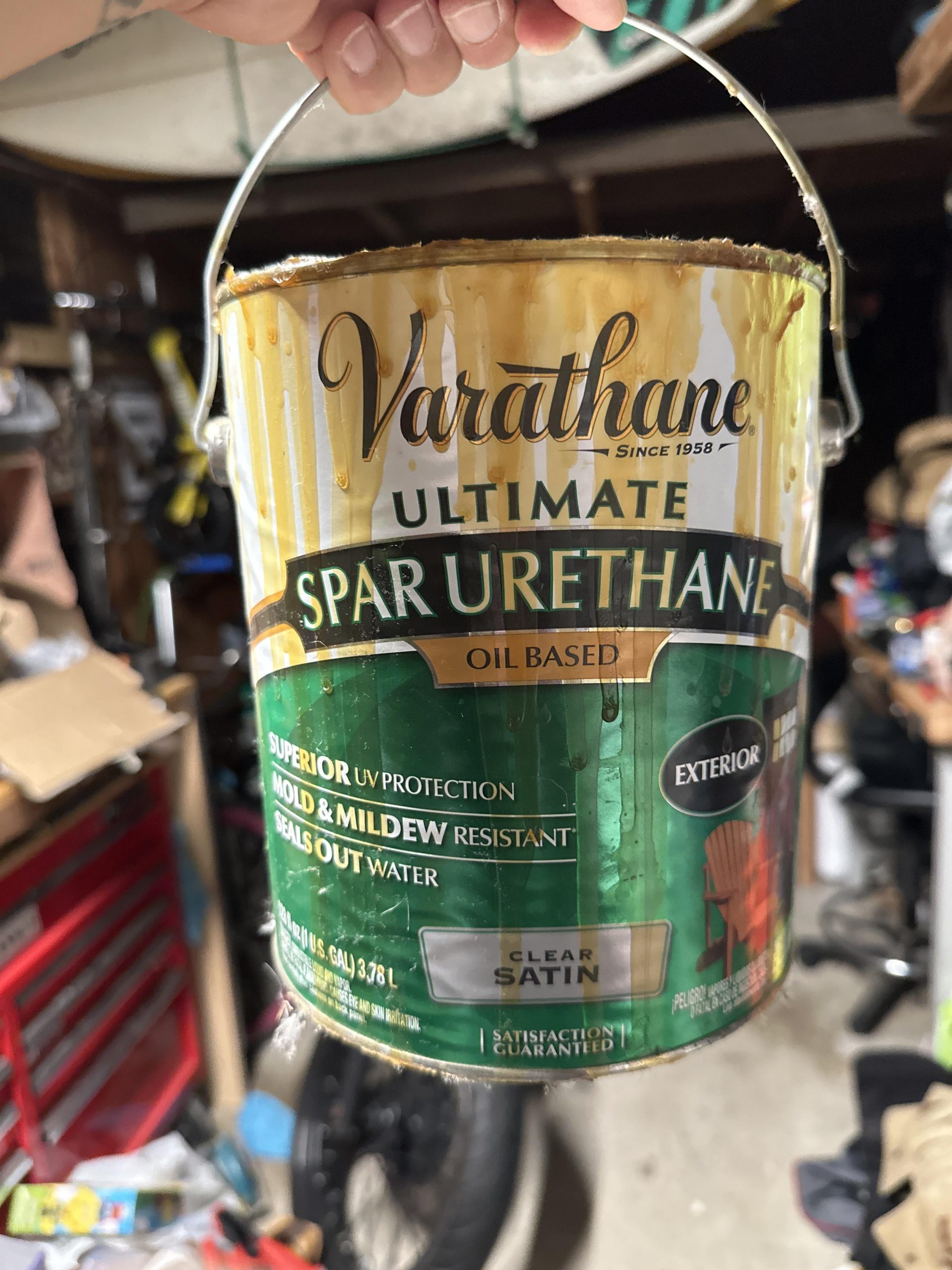
Clear sealant protects the metal and keeps the paint safe. Choose a sealant made for outdoor metal surfaces.
Clean and dry the furniture before applying the sealant. Use a brush or spray for even coverage.
- Work in a well-ventilated area
- Apply thin, even coats
- Let each coat dry fully before adding another
- Seal all exposed metal parts
Weatherproofing Tips
Keep your furniture safe from rain and sun by adding extra weatherproof layers. This reduces fading and rust.
- Use waterproof covers when not in use
- Store furniture indoors during harsh weather
- Apply UV-resistant sprays to protect from sun damage
- Raise furniture off wet ground to avoid moisture
Maintaining Finish Over Time
Check your furniture often for chips or scratches in the finish. Fix small problems fast to stop rust from forming.
Clean the furniture with mild soap and water. Avoid harsh chemicals that can damage the finish.
- Touch up paint as needed
- Reapply clear sealant every year
- Store furniture properly when not in use
- Inspect for rust spots regularly
Regular Maintenance Tips
Keeping your aluminum patio furniture in good shape needs regular care. Small efforts help stop damage and keep it looking nice.
Use simple routines to clean, check, and store your furniture. These habits save time and money later.
Cleaning Routine
Clean your aluminum furniture often to remove dirt and dust. This stops stains and rust from forming.
Use mild soap mixed with water and a soft cloth or sponge. Avoid harsh cleaners that can damage the finish.
- Rinse with clean water after washing
- Dry the furniture with a soft towel
- Clean under cushions and joints carefully
- Remove bird droppings quickly
Seasonal Checks
Check your furniture every season for signs of wear or damage. Fix small problems before they get worse.
- Look for loose screws or bolts and tighten them
- Inspect paint or coating for chips or scratches
- Check joints for rust or corrosion
- Test if all parts move smoothly
Touch up paint chips with outdoor metal paint to protect the metal. Replace broken parts quickly to keep furniture safe.
Storage Suggestions
Store your aluminum furniture properly in cold or wet months. Good storage prevents rust and fading.
- Keep furniture in a dry, covered area
- Use breathable covers to avoid moisture buildup
- Stack chairs carefully to avoid scratches
- Remove cushions and store them indoors
If you cannot store furniture indoors, use a waterproof cover but check it often for trapped moisture. Proper storage helps your furniture last longer.
Frequently Asked Questions
How Do I Clean Aluminum Patio Furniture?
To clean aluminum patio furniture, use warm water and mild dish soap. Gently scrub with a soft brush or cloth to remove dirt. Rinse thoroughly with a hose and let it dry completely. Avoid abrasive cleaners as they can damage the surface and cause scratches.
Can I Repaint Aluminum Patio Furniture?
Yes, you can repaint aluminum patio furniture. Start by cleaning and sanding the surface to remove old paint. Apply a primer suitable for metal, then use outdoor spray paint for metal surfaces. Ensure even coverage and allow it to dry completely before use.
This will refresh and protect the furniture.
How To Protect Aluminum Furniture From Oxidation?
To protect aluminum furniture from oxidation, apply a coat of car wax or metal protectant. This creates a barrier against moisture and air, preventing oxidation. Regular cleaning and covering the furniture when not in use also help maintain its appearance and prolong its life.
What Is The Best Way To Store Aluminum Furniture?
Store aluminum furniture in a dry, covered area during harsh weather or when not in use. Use furniture covers to protect it from dust and moisture. Ensure the furniture is completely dry before covering to prevent mold and mildew. This extends its lifespan and maintains its look.
Conclusion
Restoring aluminum patio furniture is easier than you think. Clean, sand, and paint to bring back its shine. Regular care keeps your furniture looking fresh longer. Small steps make a big difference in appearance. Enjoy your outdoor space with furniture that feels new.
Take time to maintain it often for best results. Your patio will look inviting and well-kept. Simple actions create lasting beauty and comfort. Start today and see the change yourself.