Is your outdoor furniture looking dull and spotted with mildew? You’re not alone—mildew can quickly take over your favorite chairs and tables, making your outdoor space less inviting.
But don’t worry, removing mildew is easier than you think. You’ll discover simple, effective ways to clean your furniture and restore its fresh, welcoming look. Keep reading, and you’ll learn how to bring your outdoor space back to life—so you can enjoy it without worrying about those stubborn mildew stains.

Credit: www.yahoo.com
Causes Of Mildew On Outdoor Furniture
Mildew grows on outdoor furniture when conditions are right. It thrives in damp, warm places.
Understanding what causes mildew helps you stop it from coming back.
Moisture And Humidity
Mildew needs moisture to grow. Rain, dew, and humidity keep furniture wet.
If furniture stays wet for a long time, mildew can form easily.
Lack Of Sunlight
Shady spots hold moisture longer. Mildew grows faster in these dark, damp areas.
Furniture in full sun dries quickly and is less likely to get mildew.
Poor Air Circulation
Furniture placed too close to walls or plants has less airflow. This keeps surfaces damp.
Good air movement helps furniture dry faster and stops mildew growth.
Organic Material On Furniture
Dirt, leaves, and pollen on furniture provide food for mildew. These materials hold moisture too.
Regular cleaning removes these materials and lowers mildew risk.
Type Of Furniture Material
Some materials, like wood and fabric, absorb water and hold moisture. This makes mildew more likely.
Plastic and metal dry faster but can still get mildew if dirty or wet too long.
Tools And Supplies Needed
Removing mildew from outdoor furniture needs the right tools and supplies. Using proper items makes cleaning easier and safer.
Gather everything before you start. This helps you clean without interruptions.
Soft Brush
A soft brush helps scrub away mildew without damaging furniture. Use one with gentle bristles for delicate surfaces.
The brush removes dirt and mildew in cracks and corners where cloths can't reach.
Mild Detergent
Mild detergent breaks down mildew and dirt safely. Avoid harsh chemicals to protect furniture materials.
Mix detergent with warm water for an effective cleaning solution.
White Vinegar
White vinegar kills mildew spores naturally. It is safe for most furniture types.
Use vinegar undiluted or mix with water for less strong cleaning power.
Spray Bottle
A spray bottle helps apply cleaning solutions evenly on furniture surfaces. It also reduces waste.
Use a clean spray bottle to avoid mixing chemicals.
Clean Cloths Or Sponges
Soft cloths or sponges wipe away loosened mildew and dirt. They prevent scratches on furniture.
Use several cloths if needed to avoid spreading mildew back on furniture.
Protective Gloves
Wear gloves to protect your hands from cleaning solutions and mildew. It keeps your skin safe and clean.
Choose gloves that fit well and are easy to move in.
Garden Hose Or Bucket Of Water
Use a garden hose or bucket of water to rinse furniture after cleaning. It removes leftover cleaning solution and mildew.
Make sure to rinse thoroughly to avoid residue buildup.
Preparing Furniture For Cleaning
Cleaning mildew from outdoor furniture starts with good preparation. Proper steps help protect the furniture and improve cleaning results.
Take time to prepare the furniture carefully. This makes mildew removal easier and safer for your furniture.
Move Furniture To A Well-ventilated Area
Place your furniture in an open space outside. Fresh air helps dry the furniture faster after cleaning.
Avoid cleaning in tight or enclosed places. This reduces the risk of breathing in mildew spores or cleaning chemicals.
Remove Cushions And Fabrics
Take off any cushions, pillows, or fabric covers. These parts need special cleaning and drying.
Check the care label on fabrics. Clean them separately to avoid damage or mildew spread.
Brush Off Loose Dirt And Mildew
Use a soft brush to remove loose dirt and mildew. This prevents dirt from spreading during cleaning.
- Wear gloves and a mask for safety
- Brush gently to avoid damaging surfaces
- Brush over trash or outside to catch debris
Protect Nearby Plants And Surfaces
Cover plants and surfaces near your furniture. Cleaning solutions can harm them.
- Use plastic sheets or old towels
- Move small plants away if possible
- Work carefully to avoid spills
Gather Cleaning Supplies
Prepare all cleaning items before starting. This keeps the process smooth and safe.
- Soft brushes or sponges
- Mild detergent or mildew cleaner
- Protective gloves and mask
- Bucket of warm water
- Old towels or cloths for drying
Natural Cleaning Solutions
Mildew grows on outdoor furniture when it stays damp. It can cause stains and smells. Natural cleaning solutions remove mildew safely.
These solutions use ingredients you can find at home. They clean well without harsh chemicals. Use them to protect your furniture and the environment.
Vinegar And Water Spray
White vinegar kills mildew spores. Mix vinegar and water in equal parts in a spray bottle. Spray the furniture well.
Let it sit for 10 minutes. Then scrub with a soft brush. Rinse with clean water and dry in the sun.
Baking Soda Paste
Baking soda gently scrubs and deodorizes mildew. Mix baking soda with a little water to make a paste. Apply it to the mildew spots.
Use a brush to scrub the paste into the furniture. Let it sit for 15 minutes. Rinse off with water and dry the furniture outside.
Lemon Juice And Salt
Lemon juice’s acidity helps remove mildew stains. Sprinkle salt on the mildew area. Then squeeze lemon juice over the salt.
Scrub the mixture with a brush. Leave it in the sun for 30 minutes. Rinse with water and wipe dry to prevent new growth.
Tea Tree Oil Solution
Tea tree oil naturally kills mildew and mold. Mix one teaspoon of tea tree oil with one cup of water. Put the mix in a spray bottle.
Spray the furniture completely. Let it dry without rinsing. Repeat weekly for best results and to stop mildew from returning.
Using Commercial Mildew Removers
Outdoor furniture often gets mildew due to moisture and shade. Commercial mildew removers help clean these surfaces effectively.
These products are made to kill mildew and remove stains safely from many furniture materials.
Select The Right Mildew Remover
Pick a mildew remover suitable for your furniture's material. Some removers work better on wood, others on plastic or metal.
Check the product label to see if it is safe for your furniture type. Using the wrong product can cause damage.
Prepare Your Furniture
Before applying the remover, clean loose dirt and dust from your furniture. Use a brush or cloth for this.
Make sure the furniture is dry and placed in a well-ventilated outdoor area for safe cleaning.
Apply The Mildew Remover
Follow the instructions on the product label carefully. Spray or apply the remover evenly over the mildew spots.
Let the remover sit for the time suggested, usually a few minutes. This allows it to break down the mildew.
Scrub And Rinse
Use a soft brush or cloth to scrub the furniture gently. This helps remove the mildew without harming the surface.
Rinse the furniture well with clean water to remove all remover residue. Allow it to dry completely in sunlight.
Safety Tips
- Wear gloves and eye protection when using mildew removers
- Keep children and pets away during cleaning
- Work in a well-ventilated area
- Test the remover on a small hidden spot first
Credit: serwalloutdoor.com
Step-by-step Cleaning Process
Mildew can damage outdoor furniture and make it look bad. Cleaning it off helps keep your furniture nice and safe.
This guide shows easy steps to remove mildew from your outdoor furniture. Follow them for a clean, fresh look.
Removing Loose Debris
Start by brushing off dirt, leaves, and loose mildew from the furniture. This clears the surface for better cleaning.
Use a soft brush or cloth to avoid scratching the material.
- Wear gloves to protect your hands
- Brush gently to remove loose dirt
- Clear hard-to-reach spots carefully
Applying Cleaner
Choose a mild cleaner safe for your furniture type. Mix it with water according to the label instructions.
Apply the cleaner evenly on the mildew spots. Let it sit for a few minutes to work effectively.
- Use a spray bottle or sponge for application
- Do not let the cleaner dry on the surface
- Test cleaner on a small area first
Scrubbing Techniques
Use a soft brush or sponge to scrub the mildew gently. Work in circular motions to lift the mildew off.
Avoid hard scrubbing to prevent damage to the furniture finish.
- Scrub all affected areas carefully
- Rinse brush or sponge often
- Focus on corners and crevices
Rinsing And Drying
Rinse the furniture with clean water to remove all cleaner and mildew residue. Use a hose or bucket of water.
Dry the furniture fully with a clean cloth or let it air dry in the sun. This stops mildew from coming back.
- Make sure no cleaner is left on the surface
- Dry cushions separately if possible
- Check for missed mildew spots and repeat if needed
Preventing Future Mildew Growth
Mildew can damage outdoor furniture and make it look bad. Preventing mildew helps your furniture last longer.
Use simple steps to keep mildew away and keep your furniture clean and safe.
Proper Storage Tips
Store outdoor furniture in dry places when not in use. Avoid damp or shady spots that hold moisture.
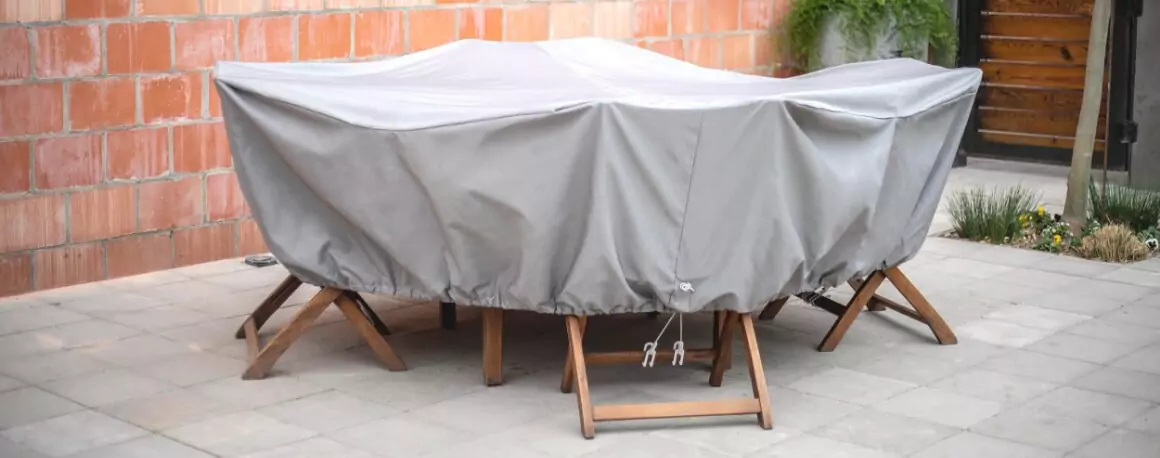
Cover furniture with breathable covers. This stops water from sitting on the surface and stops mildew growth.
- Keep furniture off the ground to avoid dampness.
- Use storage sheds or garages during wet seasons.
- Remove cushions and store them indoors.
Regular Maintenance
Clean your furniture often to stop mildew from forming. Dirt and moisture create a perfect place for mildew.
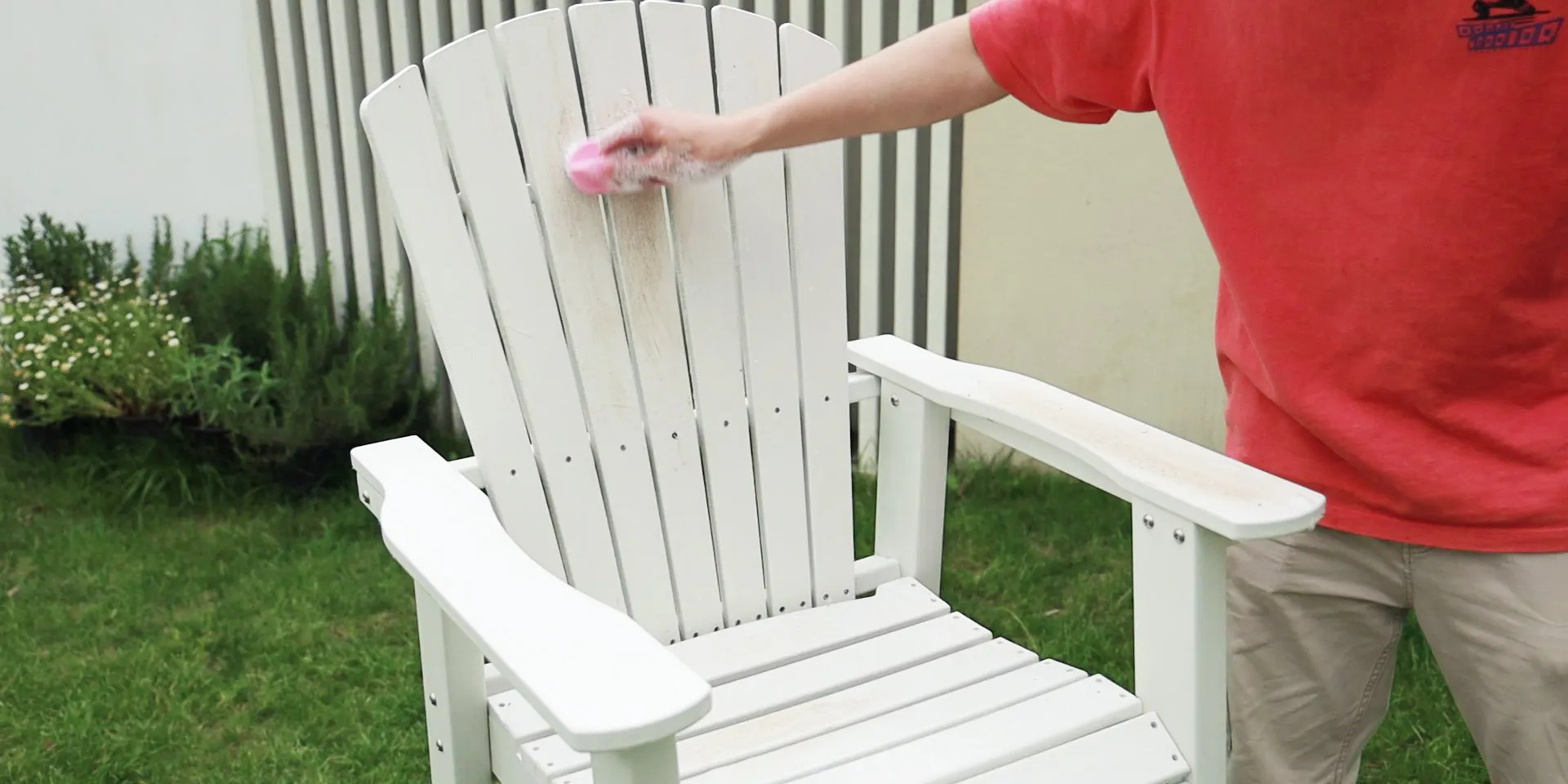
Use mild soap and water to wash furniture. Rinse well and dry completely before use or storage.
- Check furniture for mildew spots every few weeks.
- Clean cushions and fabric covers regularly.
- Allow furniture to dry fully after rain.
Protective Coatings
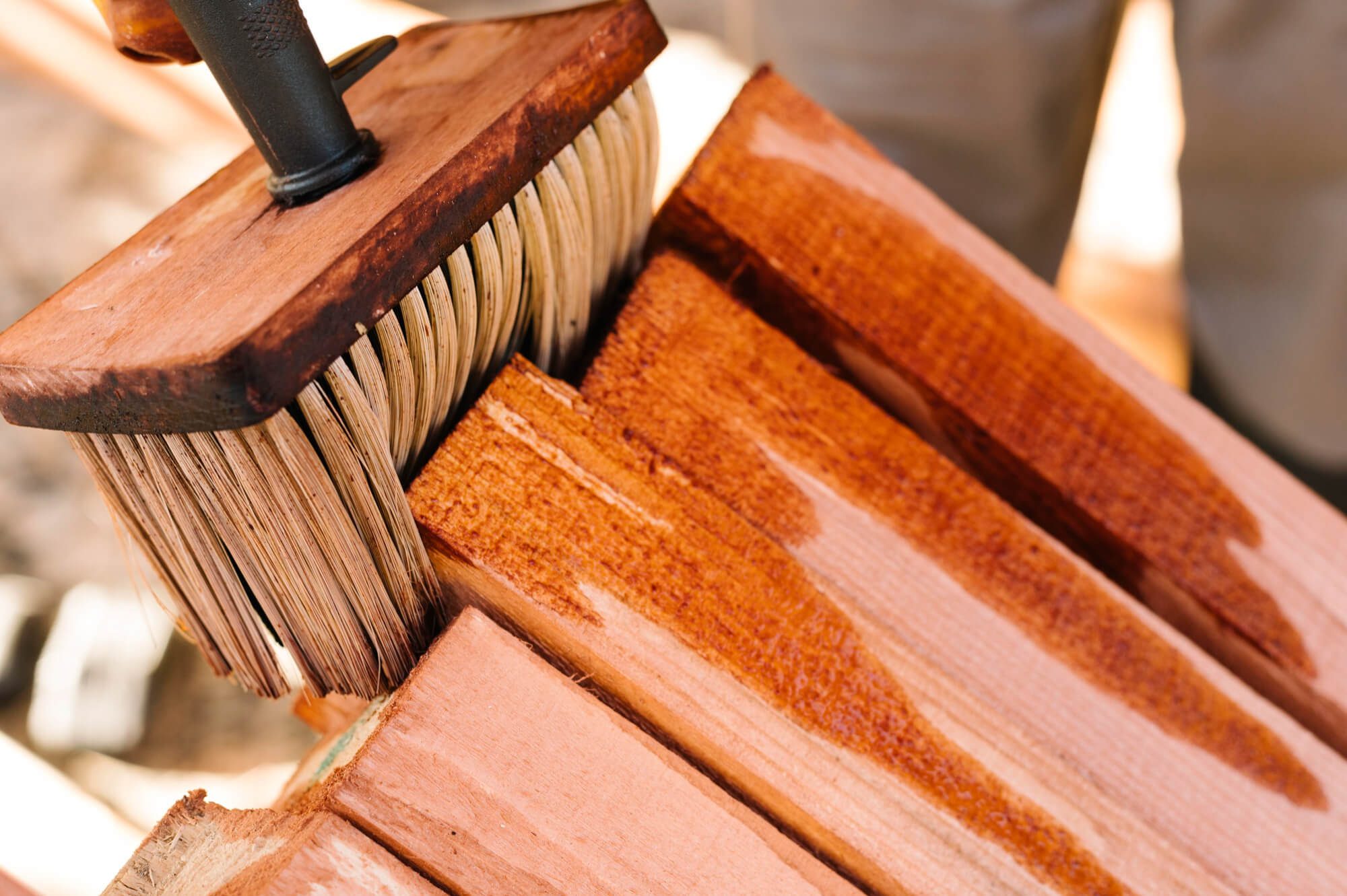
Apply protective coatings to shield furniture from moisture and mildew. These coatings create a barrier on surfaces.
Choose coatings that suit your furniture type, like sealants for wood or sprays for metal and plastic.
- Use water-repellent sealants on wooden furniture.
- Apply rust-proof sprays on metal parts.
- Reapply coatings yearly or after heavy use.
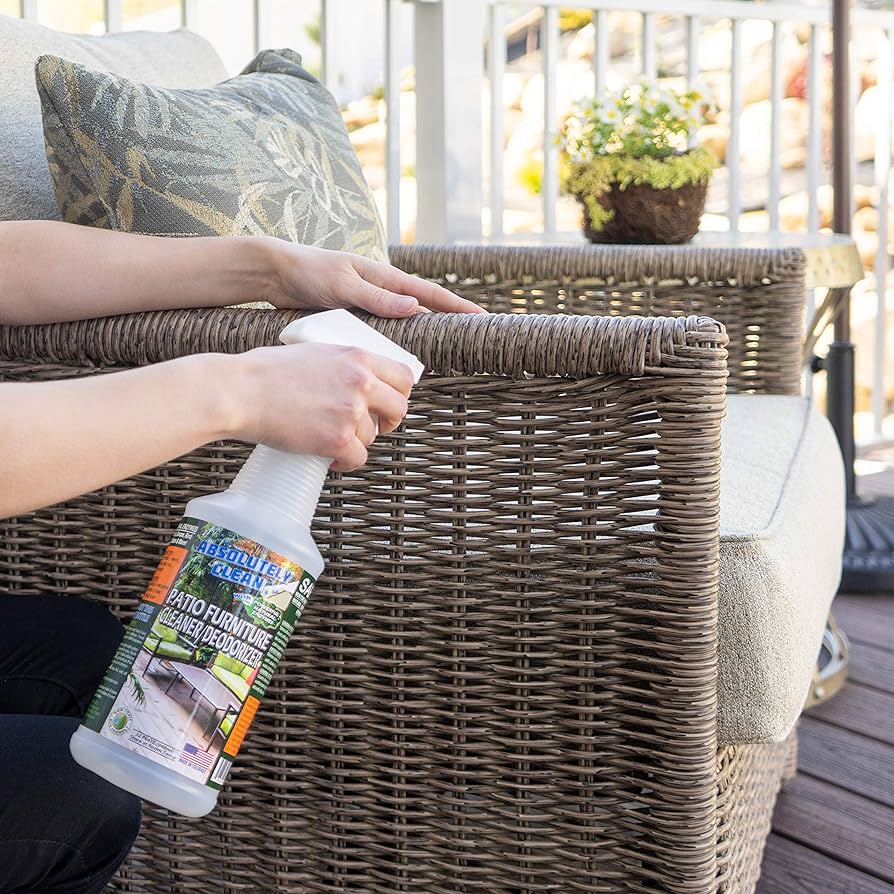
Credit: www.amazon.com
Handling Different Furniture Materials
Mildew can grow on outdoor furniture if it stays damp. Different materials need different cleaning methods. Use the right way to keep furniture safe.
Cleaning mildew helps furniture last longer. It also keeps your outdoor space looking nice. Learn how to clean wood, metal, plastic, and wicker properly.
Wood
Wood furniture needs gentle cleaning to avoid damage. Use a soft brush to remove loose mildew. Avoid soaking wood with too much water.
Make a mix of mild soap and water. Scrub the wood gently. Rinse with clean water and dry it well in sunlight to stop mildew from returning.
Metal
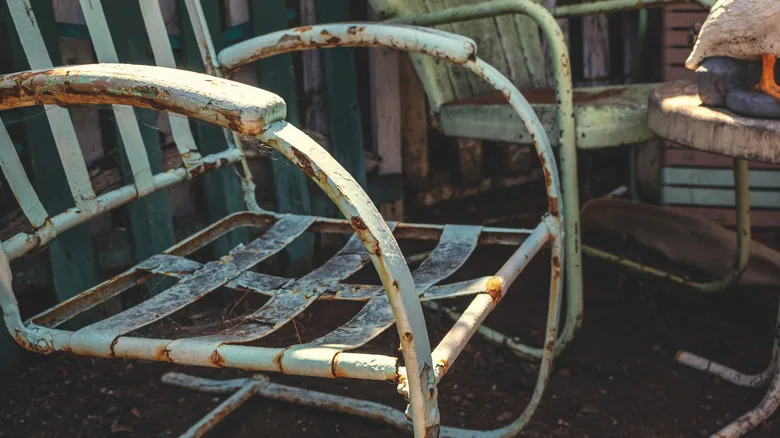
Metal furniture can get rusty if wet too long. Use a cloth or soft brush to remove mildew. Avoid harsh scrubbing that may scratch the surface.
Clean with a solution of water and mild detergent. Rinse thoroughly and dry with a towel. Check for rust spots and treat them to protect the metal.
Plastic
Plastic furniture is easy to clean. Use a sponge or brush with soap and water. Avoid using strong chemicals that can damage plastic.
Rinse the furniture well after cleaning. Let it dry in the sun. Mildew should disappear with regular cleaning and drying.
Wicker
Wicker is delicate and needs careful cleaning. Use a soft brush to remove dirt and mildew. Do not soak wicker as it can weaken the fibers.
Mix mild soap with water and gently scrub the wicker. Rinse lightly and dry quickly with a towel. Keep wicker furniture in a dry place to prevent mildew.
Frequently Asked Questions
What Causes Mildew On Outdoor Furniture?
Mildew is caused by excess moisture, poor ventilation, and humid conditions. Outdoor furniture made of wood, fabric, or wicker is particularly susceptible. Regular cleaning and ensuring proper airflow can help prevent mildew growth. It's essential to act quickly to remove mildew to avoid permanent damage to your furniture.
How Do I Prevent Mildew On Furniture?
To prevent mildew, keep your furniture dry and well-ventilated. Store cushions indoors when not in use, and cover furniture during rain. Regularly clean and treat furniture with mildew-resistant solutions. Avoid placing furniture in shaded, damp areas. Ensuring proper air circulation can significantly reduce mildew growth.
Is Vinegar Effective For Removing Mildew?
Yes, vinegar is an effective natural solution for removing mildew. Mix equal parts of vinegar and water, and apply it to the affected area. Scrub gently with a brush, then rinse thoroughly. Vinegar’s acidity helps kill mildew spores, making it a popular choice for natural cleaning.
Can Mildew Damage Outdoor Furniture?
Mildew can damage outdoor furniture by discoloring surfaces and weakening materials over time. Wood and fabric are particularly vulnerable. If left untreated, mildew can lead to permanent stains and deterioration. Regular cleaning and maintenance are crucial to preserving the appearance and longevity of your furniture.
Conclusion
Cleaning mildew from outdoor furniture keeps it looking fresh and new. Use gentle scrubbing and natural cleaners to protect the material. Dry furniture fully to stop mildew from returning. Regular care helps extend your furniture’s life and beauty. Mildew removal is simple with the right steps.
Keep your outdoor space inviting and clean all year round.