If you own metal outdoor furniture, you know how quickly rust can sneak in and ruin its look. You want your furniture to stay strong and beautiful, season after season.
But how can you stop rust from taking over? You’ll discover simple and effective ways to protect your metal furniture. These tips will save you time, money, and frustration. Keep reading to learn how to keep your outdoor space looking fresh and inviting for years to come.
Causes Of Rust On Metal Furniture
Rust forms when metal reacts with water and oxygen. This process damages outdoor furniture.
Understanding what causes rust helps protect your metal furniture better.
Effects Of Moisture And Humidity
Moisture is the main cause of rust on metal furniture. Water stays on the surface and starts the rusting process.
High humidity means more water in the air. This moisture can settle on metal and cause rust over time.
Role Of Outdoor Elements
Sun, rain, wind, and temperature changes all affect metal furniture. Rain adds water, and sun heats the metal.
Wind can blow dirt and debris that scratch the metal. These scratches let rust start more easily.
Impact Of Salt And Pollution
Salt from sea air or road treatments speeds up rust. Salt breaks down metal’s protective layers.
Pollution adds harmful chemicals. These chemicals can cause metal to corrode faster than normal.
- Salt causes fast corrosion near oceans
- Pollution weakens metal coatings
- Both increase the risk of rust damage
Choosing Rust-resistant Metals
Outdoor metal furniture faces rust risk due to rain and humidity. Picking rust-resistant metals helps keep furniture strong and good-looking.
Some metals resist rust better than others. Knowing their benefits helps you choose the best option for your outdoor space.
Benefits Of Aluminum And Stainless Steel
Aluminum and stainless steel do not rust easily. They are popular for outdoor furniture because they last longer without damage.
Aluminum is light and easy to move. Stainless steel is strong and looks shiny for years. Both need little care to stay rust-free.
- Aluminum is lightweight and corrosion-resistant.
- Stainless steel offers high strength and rust resistance.
- Both metals need less maintenance outdoors.
Powder-coated Options
Powder coating adds a hard layer on metal surfaces. It protects furniture from moisture and stops rust from forming.
This coating also comes in many colors. It keeps metal looking nice while adding strong rust protection.
- Powder coating creates a weatherproof barrier.
- It prevents scratches that lead to rust.
- Available in many attractive colors.
Galvanized Metal Advantages
Galvanized metal has a zinc coating that shields it from rust. This makes it ideal for outdoor furniture in wet places.
The zinc layer stops water and air from touching the metal. It helps furniture last longer without rust damage.
- Zinc coating protects metal from moisture.
- Galvanized furniture needs less frequent repairs.
- It works well in rainy or humid climates.
Cleaning Techniques To Prevent Rust
Metal outdoor furniture is exposed to rain, dirt, and moisture. These elements can cause rust over time. Cleaning your furniture regularly helps keep rust away.
Simple cleaning steps remove dirt and moisture that lead to rust. Using gentle cleaners protects the metal surface.
Regular Washing And Drying
Wash your metal furniture often to remove dust and dirt. Use water and a soft cloth or sponge for cleaning. Avoid harsh scrubbing that can damage the finish.
After washing, dry the furniture completely. Moisture left on metal can cause rust. Use a dry towel or let it air dry in the sun.
Removing Dirt And Debris
Dirt and debris can trap moisture on metal surfaces. Use a soft brush or cloth to clear away leaves, mud, and dust. Clean areas under cushions and in corners well.
Regular removal of debris helps stop rust from forming in hidden spots. Check your furniture weekly, especially after storms.
Using Mild Cleaners Safely
Choose mild soap or detergent when cleaning metal furniture. Harsh chemicals can strip protective coatings and cause rust.
Mix a small amount of mild cleaner with water. Use a soft cloth or sponge to clean. Rinse well and dry after washing to avoid residue buildup.
- Use dish soap or gentle outdoor cleaners
- Avoid bleach or strong acids
- Test cleaners on a small area first
- Rinse thoroughly to remove soap
- Dry furniture completely after cleaning

Credit: www.everbritecoatings.com
Protective Coatings And Treatments
Metal outdoor furniture can rust if it is left exposed to rain and humidity. Protective coatings help stop rust from forming. They create a barrier that blocks water and air from touching the metal surface.
Using the right treatments can keep your furniture looking good for years. These coatings also make cleaning easier and protect against scratches.
Applying Rust Inhibitors
Rust inhibitors are chemicals that stop rust before it starts. They work by reacting with the metal and forming a protective layer. You can find rust inhibitors in sprays or liquids.
To apply, clean the furniture well. Then spray or brush on the rust inhibitor. Let it dry completely before using the furniture outside.
- Clean metal surface thoroughly
- Apply rust inhibitor evenly
- Allow full drying time
- Reapply every 6 to 12 months
Using Paints And Sealants
Paints and sealants add a strong protective coat on metal furniture. Paint blocks moisture and air, which cause rust. Sealants add an extra clear layer for more protection.
Choose paint made for outdoor metal use. Use a brush or spray to cover all areas. Apply sealant after the paint dries to make the coat last longer.
- Pick outdoor metal paint
- Apply thin, even coats
- Let paint dry fully between coats
- Finish with a clear sealant layer
Wax And Oil Treatments
Wax and oil help protect metal by creating a water-resistant surface. They fill small scratches and prevent moisture from reaching the metal. These treatments work best on smooth, clean surfaces.
Apply wax or oil with a soft cloth. Rub it in gently and cover all metal parts. Repeat the process every few months to keep the protection strong.
- Clean furniture before applying
- Use soft cloth for application
- Cover all metal surfaces
- Reapply every 3 to 6 months
Proper Storage And Covering
Metal outdoor furniture can rust if it is not stored and covered properly. Rust weakens the metal and ruins the look. Taking care of your furniture helps it last longer.
Good storage and covering keep moisture away. This stops rust from forming on your metal furniture.
Using Furniture Covers
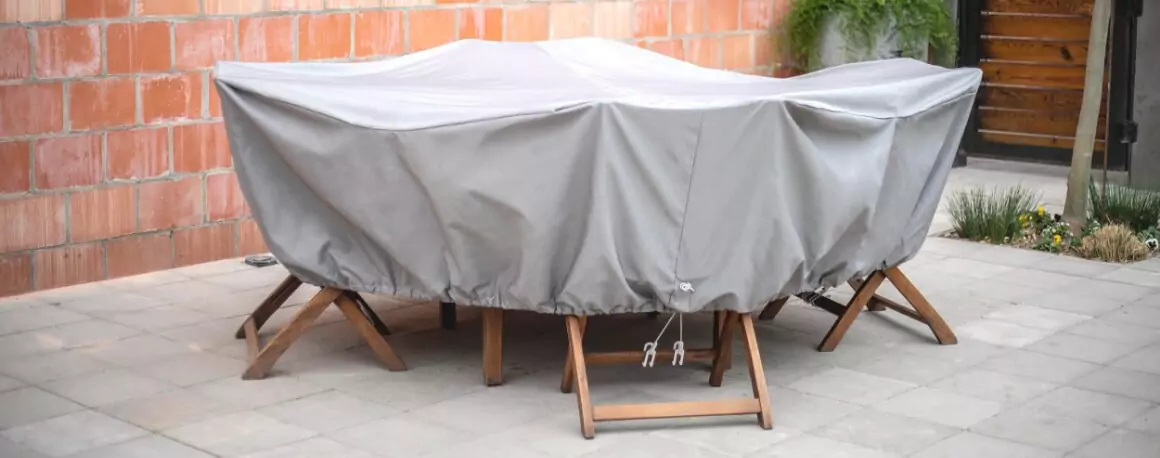
Use covers made of waterproof and breathable materials. These covers block rain and dew but let air pass through. This reduces trapped moisture that causes rust.
Make sure the cover fits well. A loose cover can let water in. A tight cover keeps dirt and water out.
- Choose covers with secure straps or ties
- Check covers regularly for holes or tears
- Remove covers on sunny days to dry the furniture
Storing Indoors During Off-season
Store your metal furniture indoors during winter or rainy seasons. Indoor storage keeps furniture dry and safe from weather damage. This prevents rust from forming.
If indoor space is limited, use a garage, shed, or basement. Clean and dry the furniture before storing it. This stops dirt and moisture from causing rust.
Avoiding Direct Ground Contact
Keep metal furniture off the ground. Direct contact with soil or grass traps moisture under the furniture. This speeds up rust and corrosion.
Use pallets, bricks, or furniture feet to raise the furniture. This lets air flow underneath and keeps metal dry.
- Place furniture on a concrete or wooden surface
- Use rubber or plastic feet to create a gap
- Check under furniture regularly for moisture buildup
Credit: www.idealhome.co.uk
Repairing Rust Spots
Rust can damage metal outdoor furniture and make it look old. Fixing rust spots helps keep your furniture strong and nice.
Repairing rust takes a few simple steps. You need to remove the rust, protect the metal, and then seal it.
Sanding And Removing Rust
Start by sanding the rust spots with sandpaper. Use medium grit to remove rust and rough edges.
For heavy rust, use a wire brush or rust remover solution. Clean the area well after sanding.
- Wear gloves and a mask to protect yourself
- Sand until metal is smooth and rust-free
- Wipe the surface with a damp cloth to remove dust
Applying Primer And Paint
Apply a rust-inhibiting primer to the cleaned metal. The primer stops rust from coming back.
After the primer dries, paint the furniture with metal paint. Use paint made for outdoor use.
- Choose primer and paint that suit metal surfaces
- Apply thin, even coats for better coverage
- Let each coat dry completely before the next
Sealing For Long-term Protection
Seal the painted surface with a clear sealant. This adds a layer of protection against weather.
Use a sealant made for metal and outdoor use. It helps keep the paint from peeling or fading.
- Apply sealant after paint is fully dry
- Use a brush or spray for even coverage
- Reapply sealant every year for best results
Routine Maintenance Tips
Metal outdoor furniture can last for years if you take good care of it. Rust can damage metal and make it weak. Routine maintenance helps keep your furniture looking nice and strong.
Simple steps like checking for rust and repainting small spots can stop bigger problems. Follow these tips to protect your metal furniture from rust.
Regular Inspections
Look over your metal furniture often to find rust early. Check joints, legs, and hidden spots where rust can start. Catching rust early saves work later.
Use a soft brush or cloth to clean dirt before inspecting. Pay close attention to scratches or chipped paint that expose metal.
Touch-up Paint Jobs
Paint helps protect metal from air and water that cause rust. Fix small paint chips or scratches quickly. This stops rust from forming under the paint.
Use rust-resistant paint made for metal furniture. Clean the area well before painting. Apply thin layers and let each layer dry fully.
- Remove rust with sandpaper before painting
- Wipe dust and grease off the surface
- Apply primer if the metal is bare
- Use paint that matches your furniture color
Seasonal Care Checklist
Take special care of your metal furniture each season. Weather changes can cause rust if you are not careful. Follow this checklist to keep your furniture safe all year.
- Spring: Clean dirt and old paint flakes
- Summer: Cover furniture when not in use
- Fall: Check for rust spots and touch up paint
- Winter: Store furniture indoors or use waterproof covers

Credit: www.mazeliving.co.uk
Frequently Asked Questions
How To Prevent Rust On Metal Furniture?
To prevent rust, regularly clean your metal furniture using mild soap and water. Apply a protective sealant or wax specifically designed for metal surfaces. Keep your furniture dry and store it indoors during harsh weather conditions. Regular maintenance will significantly extend the life of your outdoor metal furniture.
What Is The Best Rust-resistant Coating?
Powder coating is one of the best rust-resistant options for metal furniture. It provides a durable and protective layer that prevents moisture penetration. Applying a high-quality sealant or using rust-resistant paint can also add an extra layer of protection. Regular reapplication will ensure long-lasting results.
Can Vinegar Remove Rust From Metal Furniture?
Yes, vinegar can effectively remove rust from metal surfaces. Soak a cloth in white vinegar and apply it to the rusty areas. Leave it for a few hours before scrubbing with a brush. Rinse the metal thoroughly and dry it completely to prevent further rust formation.
How Often Should I Clean Metal Furniture?
Cleaning your metal furniture every two to three weeks is recommended. This prevents dirt buildup and reduces the risk of rust. Regular cleaning with mild soap and water will maintain the furniture's appearance and prolong its lifespan. Always ensure the furniture is dry after cleaning to prevent moisture-related issues.
Conclusion
Protecting metal outdoor furniture from rust takes simple steps. Clean the furniture regularly to remove dirt and moisture. Apply a rust-resistant paint or coating to block water. Store furniture in a dry place during bad weather. Check for scratches or chips and fix them quickly.
These small actions keep your furniture looking new longer. Enjoy your outdoor space without worrying about rust damage. Keep your metal furniture strong and beautiful year after year. Easy care makes a big difference.