Rust on your patio furniture can turn your relaxing outdoor space into an eyesore. You want your furniture to look inviting, not worn out or damaged.
But getting rid of rust might seem like a tough, messy job. What if you could restore your furniture to its former glory with simple, effective steps? You’ll discover easy ways to remove rust and protect your patio pieces, so you can enjoy your outdoor area without worry.
Keep reading—you’re closer than you think to having rust-free, beautiful furniture again.
Credit: www.housedigest.com
Causes Of Rust On Patio Furniture
Rust forms on patio furniture when metal reacts with water and air. This process damages the surface and weakens the furniture.
Knowing what causes rust helps you protect your outdoor furniture better. Some materials and conditions increase the risk of rust.
Common Rust Triggers
Rust happens when metal meets moisture and oxygen. Rain, humidity, and spills create this wet environment.
Salt from sea air or pool water speeds up rusting. Scratches or chips on paint let water reach the metal.
- Rain and standing water
- High humidity or damp air
- Salt from ocean air or pools
- Scratches on protective coatings
- Leaving furniture outside without cover
Materials Prone To Rust
Not all patio furniture rusts. Metals like iron and steel easily rust if unprotected. Aluminum and plastic resist rust better.
Some metals have coatings to stop rust. If the coating wears off, rust can start quickly.
- Iron and steel rust without paint or sealant
- Wrought iron furniture is prone to rust
- Aluminum rarely rusts but can corrode
- Plastic and resin do not rust
- Wood furniture does not rust but can rot
Safety Tips Before Removing Rust
Rust removal from patio furniture can be risky without the right safety steps. Protect yourself to avoid injuries and health problems.
Follow these safety tips before you start cleaning rust off your outdoor furniture.
Protective Gear
Wear protective gear to keep your skin, eyes, and lungs safe. Rust and cleaning chemicals can cause irritation or harm.
- Use gloves to protect your hands from sharp rust and chemicals.
- Wear safety goggles to shield your eyes from dust and splashes.
- Put on a mask to avoid breathing in rust particles or chemical fumes.
- Consider long sleeves and pants to protect your skin.
Workspace Preparation
Choose a safe and clean workspace. Good preparation helps you work better and prevents accidents.
Work outdoors or in a well-ventilated area. Keep children and pets away from the cleaning zone.
- Clear the area of obstacles and tripping hazards.
- Cover nearby plants or surfaces to protect them from chemicals.
- Have water or a first aid kit nearby in case of emergencies.
- Make sure you have good lighting to see rust and work safely.
Diy Rust Removal Methods
Rust can make your patio furniture look old and worn out. You can remove rust at home using simple items. These DIY methods help clean metal surfaces without harsh chemicals.
Try these easy ways to get rid of rust and make your furniture look fresh again.
Using White Vinegar
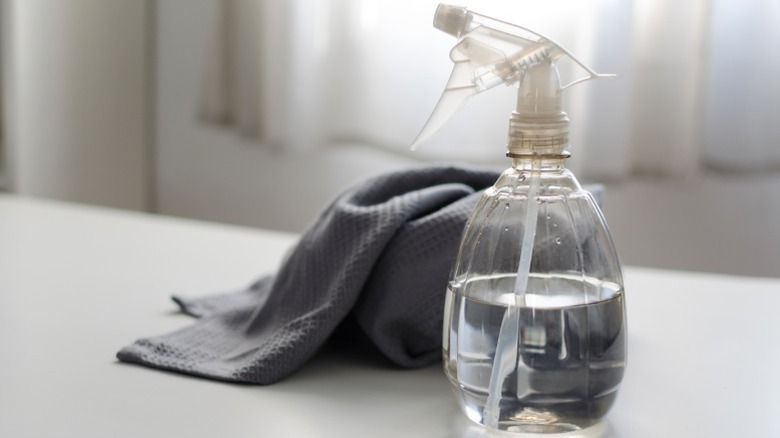
White vinegar is acidic and breaks down rust. Soak a cloth in vinegar and apply it to the rusty spots. Let it sit for a few hours or overnight for tough rust.
After soaking, scrub the rust off with a brush or sponge. Rinse with water and dry the furniture to stop more rust from forming.
Applying Baking Soda Paste
Baking soda is a mild abrasive that cleans rust gently. Mix baking soda with water to make a thick paste. Spread the paste on the rusty areas of the furniture.
Let the paste sit for about an hour. Then scrub the rust with a brush or cloth. Rinse well and dry the metal surface completely to prevent new rust.
Lemon And Salt Technique
Lemon juice is acidic and salt works as a scrub. Sprinkle salt over the rusted spots. Then squeeze lemon juice on the salt to cover the area well.
Let this mixture sit for a few hours. Use a cloth or brush to scrub the rust away. Rinse the furniture with water and dry it fully to keep rust from coming back.

Credit: m.youtube.com
Commercial Rust Removers
Rust on patio furniture can damage the metal and make it look old. Commercial rust removers help clean rust quickly and safely.
These products are made to remove rust without harming the furniture. They come in different forms and strengths for various needs.
Types Of Products
There are several types of commercial rust removers. Each works in a different way to remove rust from metal surfaces.
- Liquid rust removers: These are easy to apply with a brush or cloth.
- Gel rust removers: Thicker and stay on the surface longer for tough rust.
- Spray rust removers: Good for quick application on large areas.
- Rust converter products: Turn rust into a paintable surface to stop rust spread.
- Powdered rust removers: Mix with water to create a paste for scrubbing rust off.
How To Choose The Right Remover
Pick a rust remover that fits your furniture’s material and rust level. Some removers are better for light rust, others for heavy rust.
Check the product label to see if it is safe for outdoor furniture. Consider how easy it is to apply and clean off.
- Choose liquid or spray for quick and easy use.
- Use gel or paste for stubborn rust spots.
- Rust converters work best if you want to protect metal after removing rust.
- Look for non-toxic options if you have pets or kids nearby.
- Read reviews to see how well the product works on similar furniture.
Tools For Rust Removal
Removing rust from patio furniture needs the right tools. Using proper tools makes the job easier and faster.
Choose tools that fit the size and type of your furniture. This helps protect the metal while cleaning rust.
Scrub Brushes And Pads
Scrub brushes and pads help remove rust from small and curved areas. They work well for light rust spots.
Use brushes with stiff bristles for strong scrubbing. Pads made of steel wool or abrasive material also work well.
- Choose nylon brushes for delicate surfaces
- Use steel wool pads for tougher rust
- Apply pressure evenly to avoid scratches
- Wear gloves to protect your hands
Sandpaper And Wire Brushes
Sandpaper and wire brushes are best for heavy rust on flat surfaces. They can remove thick rust layers quickly.
Start with coarse sandpaper or wire brushes. Then use finer sandpaper to smooth the metal after rust removal.
- Use medium or coarse grit sandpaper (80-120 grit)
- Wire brushes come in handheld or drill attachment forms
- Wear eye protection to avoid rust dust
- Work in well-ventilated areas for safety
Step-by-step Rust Removal Process
Rust on patio furniture can make it look old and worn out. Removing rust helps protect the furniture and keeps it looking nice. This guide shows you how to clean rust from your patio furniture safely and easily.
Follow these simple steps to remove rust and restore your outdoor furniture. You will need some basic supplies and a little time.
Cleaning The Furniture
Start by removing dirt and dust from the furniture. Use a soft brush or cloth to wipe off loose debris. This makes rust removal more effective.
Mix warm water with mild soap in a bucket. Use a sponge or cloth to clean all surfaces. Rinse with clean water and let it dry for a few minutes.
Applying Rust Removal Solution
Use a rust remover suitable for outdoor furniture. Follow the instructions on the product label carefully. Apply the solution to all rusty areas using a brush or cloth.
Make sure to cover the rust spots fully. Let the solution sit for the time recommended by the manufacturer. This helps break down the rust for easier removal.
Scrubbing And Rinsing
Use a scrub brush or steel wool to scrub the rusty areas. Apply firm pressure but avoid scratching the furniture surface. Scrubbing removes loosened rust.
- Scrub gently to protect the paint or finish
- Focus on small areas at a time
- Rinse the furniture with clean water after scrubbing
- Repeat if some rust remains
Drying And Inspecting
Dry the furniture with a clean cloth or towel. Make sure no water stays on metal parts. This stops new rust from forming quickly.
Look over the furniture to check for any remaining rust spots. If needed, repeat the rust removal steps. Once clean, you can apply paint or sealant to protect the metal.
Preventing Future Rust
Rust can damage your patio furniture over time. Stopping rust before it starts keeps your furniture looking new.
Use simple steps to protect your furniture from moisture and air. This helps slow down rust formation.
Protective Coatings
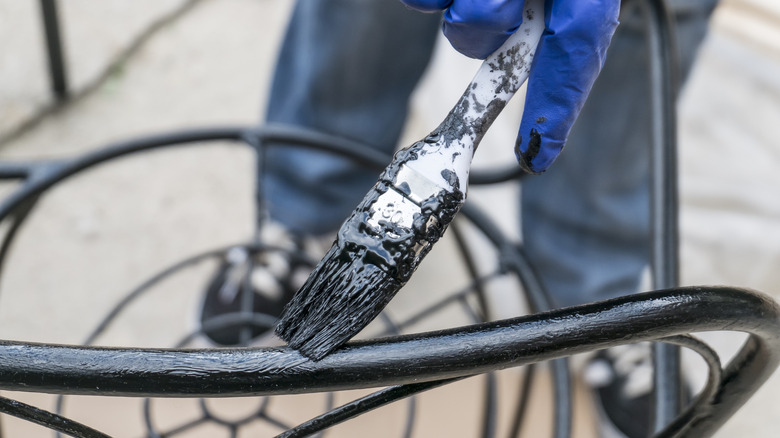
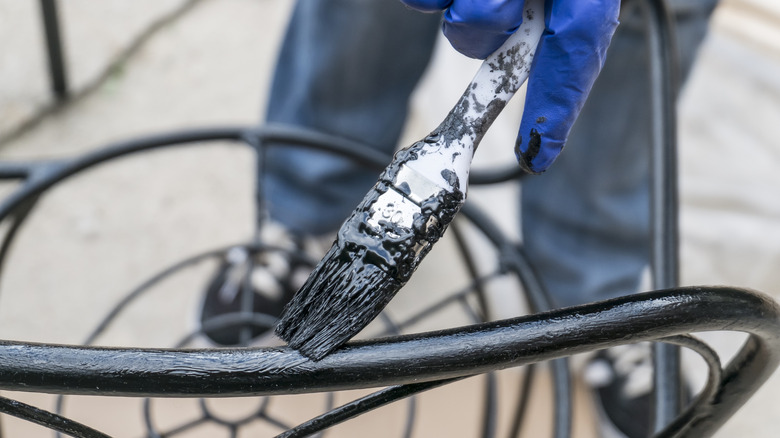
Applying a protective coating creates a shield against rust. Paints and sprays block moisture from touching metal.
Choose coatings made for outdoor metal. These last longer and resist fading or cracking.
- Use rust-resistant paint on bare metal surfaces
- Apply clear sealant sprays for extra protection
- Reapply coatings yearly for best results
- Check labels to ensure outdoor use
Regular Maintenance Tips
Clean your furniture often to remove dirt and moisture. Dry it well after rain or washing.
Look for small rust spots and fix them quickly. This stops rust from spreading and causing more damage.
- Wipe furniture with a dry cloth after rain
- Use mild soap and water to clean surfaces
- Remove rust spots with sandpaper or a wire brush
- Touch up paint or sealant on scratched areas
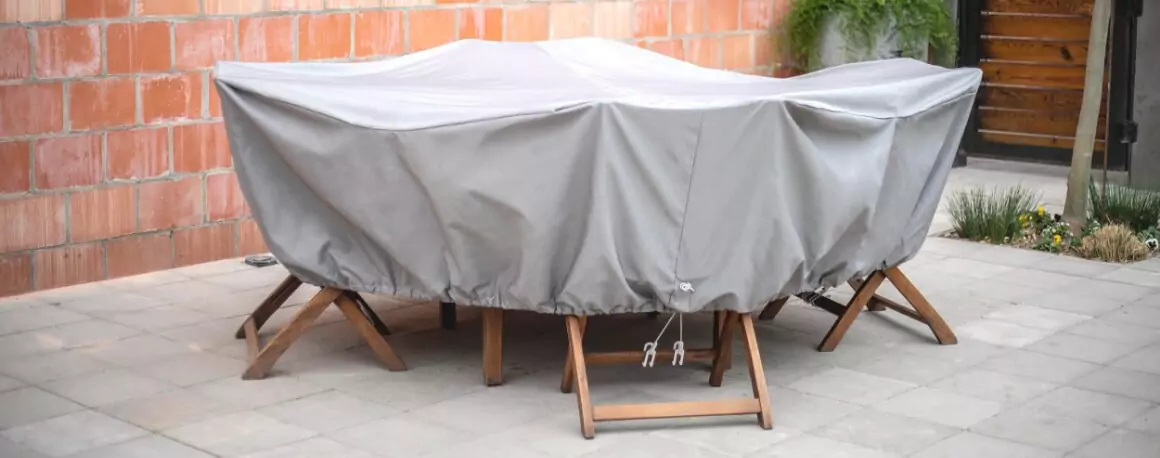
- Store furniture indoors or cover it during winter
Credit: www.housedigest.com
Frequently Asked Questions
How Do I Remove Rust From Metal Chairs?
To remove rust from metal chairs, use a mixture of vinegar and baking soda. Apply it to the rusted area and let it sit for 30 minutes. Scrub gently with a brush and rinse with water. For stubborn rust, consider using a commercial rust remover for better results.
Can Baking Soda Remove Rust From Furniture?
Yes, baking soda can remove rust from furniture. Make a paste with baking soda and water. Apply it to the rusted areas and let it sit for about 30 minutes. Scrub with a brush, then rinse with water. Baking soda is effective for light rust and safe for most surfaces.
Is Vinegar Effective For Rust Removal?
Vinegar is effective for rust removal due to its acidic nature. Soak a cloth in white vinegar and apply it to the rusted surface. Let it sit for a few hours before scrubbing with a brush. For tough rust, immerse the item in vinegar overnight for better results.
How Often Should I Clean Patio Furniture?
Clean your patio furniture every month during heavy use. Regular cleaning prevents rust and prolongs its lifespan. Use mild soap and water for routine cleaning. Inspect for rust and treat promptly. During off-seasons, cover or store your furniture to protect it from weather elements.
Conclusion
Rust on patio furniture does not have to be a problem. Use simple steps to clean and protect your items. Regular care keeps rust away longer. Clean furniture looks nice and lasts more years. Small efforts today save you money later.
Enjoy your outdoor space without worry. Keep your furniture rust-free with easy maintenance. Stay consistent and your patio will shine.