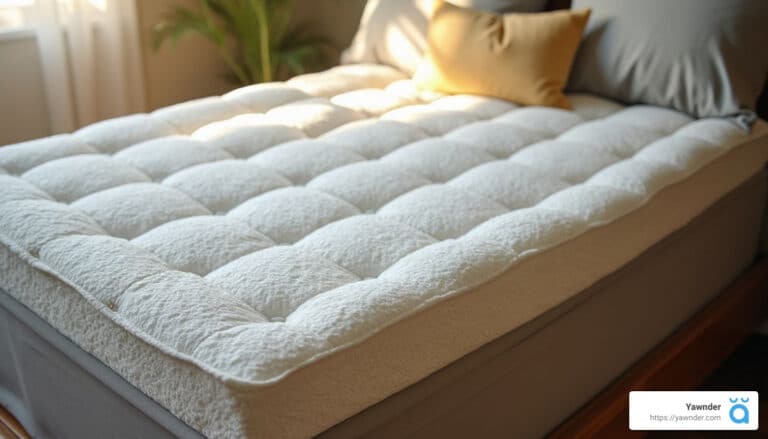
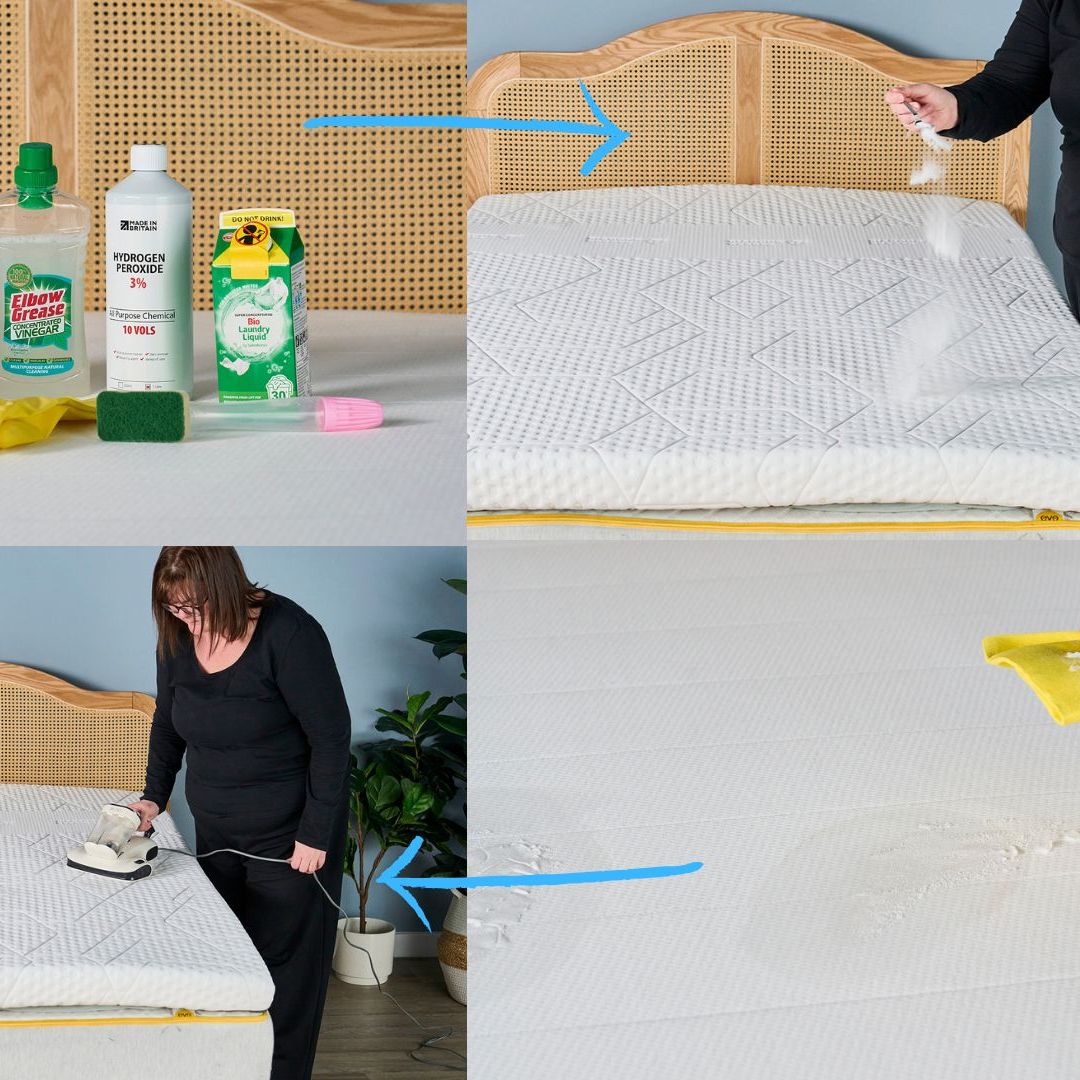
Your memory foam items—whether a mattress, pillow, or cushion—deserve the best care to stay fresh and last longer. But cleaning memory foam can feel tricky if you don’t know the right steps.
What if you could easily remove stains, odors, and dust without damaging your foam? In this guide, you’ll discover simple, effective ways to clean your memory foam safely. Keep reading to learn how to bring back that fresh, comfy feel you love—your memory foam will thank you!
Memory Foam Basics
Memory foam is a soft material that molds to your body shape. It helps reduce pressure on your muscles and joints.
This foam is popular in mattresses, pillows, and cushions because it offers comfort and support.
What Is Memory Foam Made Of
Memory foam is made from polyurethane with added chemicals. These chemicals give it its special soft and slow-moving feel.
The foam reacts to heat and pressure, so it changes shape when you lie on it. It slowly returns to its original shape after you get up.
Common Uses Of Memory Foam
Memory foam is used in many products to improve comfort. It helps reduce pain and pressure during sleep or sitting.
- Mattresses
- Pillows
- Seat cushions
- Mattress toppers
- Shoes and insoles
Why Clean Memory Foam
Memory foam products like mattresses and pillows collect dust and dirt over time. Cleaning them keeps the foam fresh and safe to use.
Regular cleaning helps memory foam last longer and keeps it comfortable for sleeping or sitting.
Benefits Of Regular Cleaning
Cleaning memory foam often removes allergens and dust mites. This helps improve air quality and reduces allergy symptoms.
Regular cleaning also stops bad smells from building up. It keeps your memory foam smelling fresh and inviting.
- Reduces allergens and dust mites
- Prevents bad odors
- Keeps foam soft and comfortable
- Extends the life of the memory foam
Signs Your Memory Foam Needs Cleaning
You should clean memory foam if you notice stains, smells, or dust. These signs mean the foam is dirty and needs care.
Also clean your memory foam if you start to sneeze or cough more while using it. This may show allergens are present.
- Visible stains or spots
- Unpleasant or musty odors
- Increased allergy symptoms
- Accumulated dust or debris on surface
Preparation Before Cleaning
Cleaning memory foam needs careful preparation. Proper steps help keep the foam safe and fresh.
Start by understanding what tools and checks you need before cleaning. This makes the process easier.
Gathering Supplies
Collect all cleaning supplies before you begin. Having everything ready saves time and avoids mess.
- Mild detergent or soap
- Clean water
- Spray bottle
- Soft cloths or sponges
- Vacuum cleaner with a soft brush
- White vinegar (optional for odor removal)
- Fan or space for drying
Spot Testing For Safety
Test cleaning solutions on a small foam area first. This prevents damage or color loss.
Apply a small amount of cleaner and wait 10-15 minutes. Check for changes or damage.
- No discoloration means it is safe
- If foam feels sticky, rinse and avoid that cleaner
- Do not soak the foam during testing
Credit: www.lemon8-app.com
Quick Cleaning Methods
Memory foam can collect dust and stains over time. Cleaning it quickly keeps it fresh and lasts longer. Use easy steps to clean without damage.
Focus on vacuuming and spot cleaning for fast results. These methods help remove dirt and stains effectively.
Vacuuming Tips
Vacuum memory foam regularly to remove dust and crumbs. Use a gentle setting or a soft brush attachment. Avoid strong suction that can damage the foam.
Vacuum both sides if possible. This helps keep the foam clean and fresh for longer.
- Use a handheld vacuum or soft brush tool
- Move vacuum slowly to pick up more dirt
- Vacuum at least once a week
- Check for any tears before vacuuming
Spot Cleaning Stains
Clean stains quickly to prevent them from setting in. Use a mild soap mixed with water. Dab the stain gently with a cloth or sponge.
Do not soak the memory foam. Use a small amount of liquid and allow the foam to dry fully in a well-ventilated area.
- Mix mild soap and warm water
- Use a clean cloth to dab the stain
- Rinse cloth and dab again with clean water
- Press with a dry towel to absorb moisture
- Let foam air dry away from direct sun
Deep Cleaning Techniques
Memory foam can trap dirt, sweat, and oils over time. Deep cleaning helps keep it fresh and comfortable.
Using safe cleaning methods protects the foam's shape and quality. Below are two effective techniques.
Hand Washing
Hand washing memory foam is gentle and removes dirt well. Use lukewarm water and mild soap for cleaning.
Soak the foam carefully, then press it to remove dirt. Avoid wringing or twisting to keep foam intact.
- Fill a tub with lukewarm water
- Add a small amount of mild detergent
- Submerge the foam and gently squeeze
- Press out water without twisting
- Air dry the foam flat in shade
Using Baking Soda And Vinegar
Baking soda and vinegar remove odors and stains from memory foam. They work well without harsh chemicals.
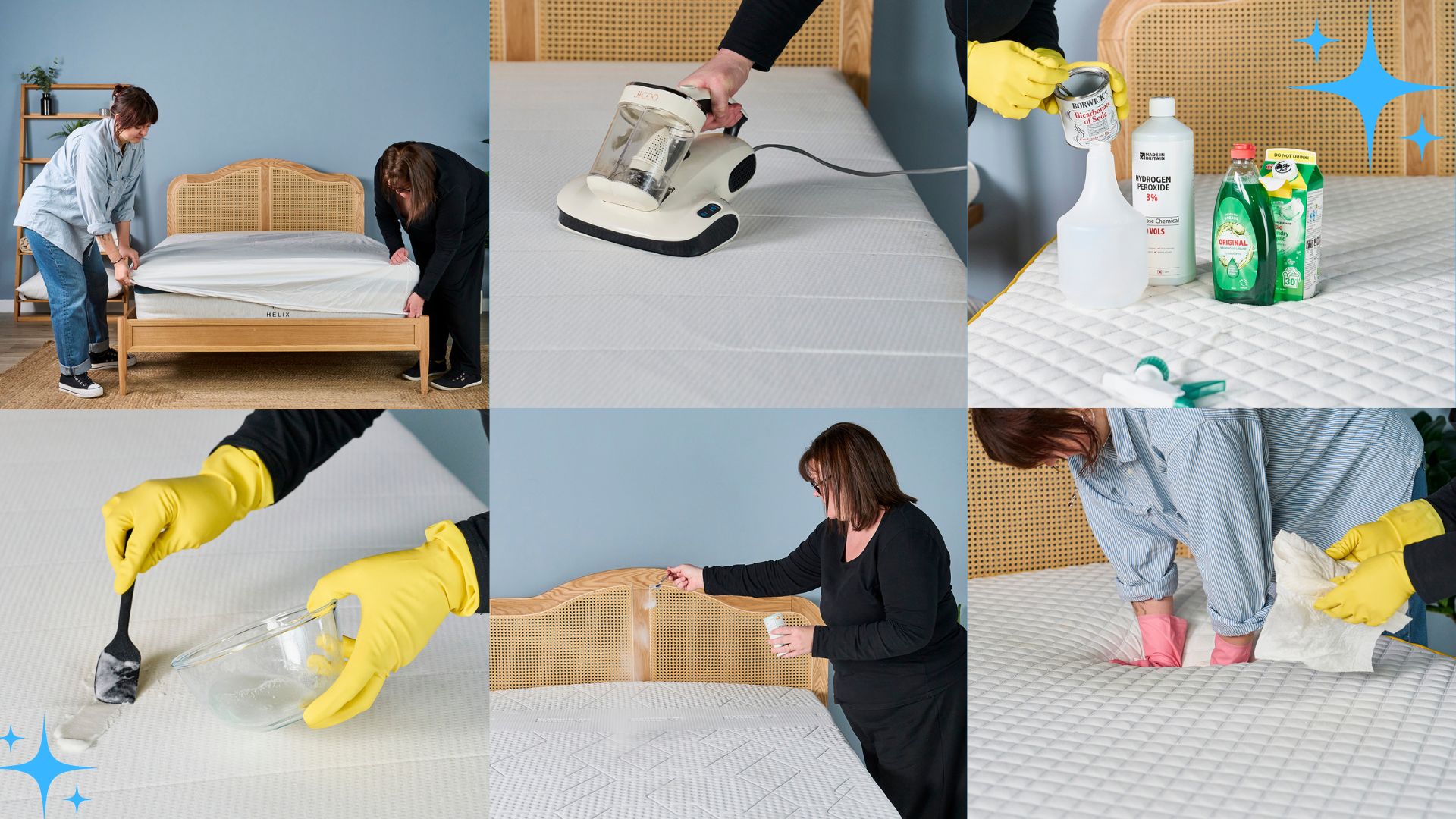
Sprinkle baking soda on the foam and let it sit. Spray vinegar lightly, then wipe with a clean cloth.
- Sprinkle baking soda evenly on foam surface
- Let it sit for 30 minutes to absorb odors
- Spray vinegar gently over the baking soda
- Wait for fizzing to stop, then wipe clean
- Let foam air dry completely before use
Credit: www.tomsguide.com
Drying Memory Foam
Memory foam absorbs water easily. Drying it properly keeps it fresh and durable. Letting memory foam dry well stops mold and bad smells.
Drying memory foam needs care. Using the right method helps keep its shape and softness. Avoid rough drying techniques.
Air Drying Steps
Air drying is the safest way to dry memory foam. It lets water evaporate slowly without damage. Follow these steps for best results.
- Place memory foam on a flat surface
- Choose a well-ventilated room or outdoor shaded area
- Keep the foam out of direct sunlight
- Flip the foam every few hours to dry both sides
- Wait at least 24 hours before use
Avoiding Heat Damage
Heat can harm memory foam by breaking its structure. Avoid using dryers, heaters, or hot water. Heat causes shrinking and loss of comfort.
- Do not use a clothes dryer on memory foam
- Keep foam away from radiators and heaters
- Never use hot water when cleaning
- Use only cool or lukewarm water for washing
- Allow natural air flow to dry foam gently
Maintenance Tips
Memory foam needs regular care to stay fresh and last longer. Cleaning and protecting it helps keep its shape and comfort.
Follow simple steps to maintain your memory foam. This guide covers cleaning schedules and protective options.
Regular Cleaning Schedule
Clean your memory foam every few months to avoid dust and dirt buildup. This keeps it fresh and healthy.
Use a vacuum with a soft brush to remove dust on the surface. Spot clean stains with a mild detergent and water.
- Vacuum memory foam every 1-3 months
- Spot clean stains immediately
- Air out foam in a dry, shaded area
- Avoid soaking or using harsh chemicals
Protective Covers And Cases
Use a protective cover to guard your memory foam from spills and dirt. Covers are easy to remove and wash.
Choose covers made of breathable fabric to keep foam dry and prevent mold growth. Change covers often for best results.
- Use zippered covers for easy removal
- Wash covers regularly in mild detergent
- Select covers with waterproof layers if needed
- Ensure covers fit snugly to avoid wrinkles
Common Mistakes To Avoid
Cleaning memory foam needs care. Using the wrong way can damage it. Avoid these common mistakes to keep your foam fresh and lasting longer.
Simple cleaning methods work best. Overdoing or using harsh products can ruin the foam's texture and support.
Using Harsh Chemicals
Harsh chemicals can break down memory foam. They remove oils but also harm the foam's structure. Avoid bleach, strong detergents, and solvents.
Use gentle cleaners made for delicate fabrics. Mild soap mixed with water is a safe choice. Always test on a small area first to check for damage.
- Do not use bleach or ammonia
- Avoid strong detergents or solvents
- Choose mild soap and water for cleaning
- Test cleaner on a small area before use
Soaking Memory Foam
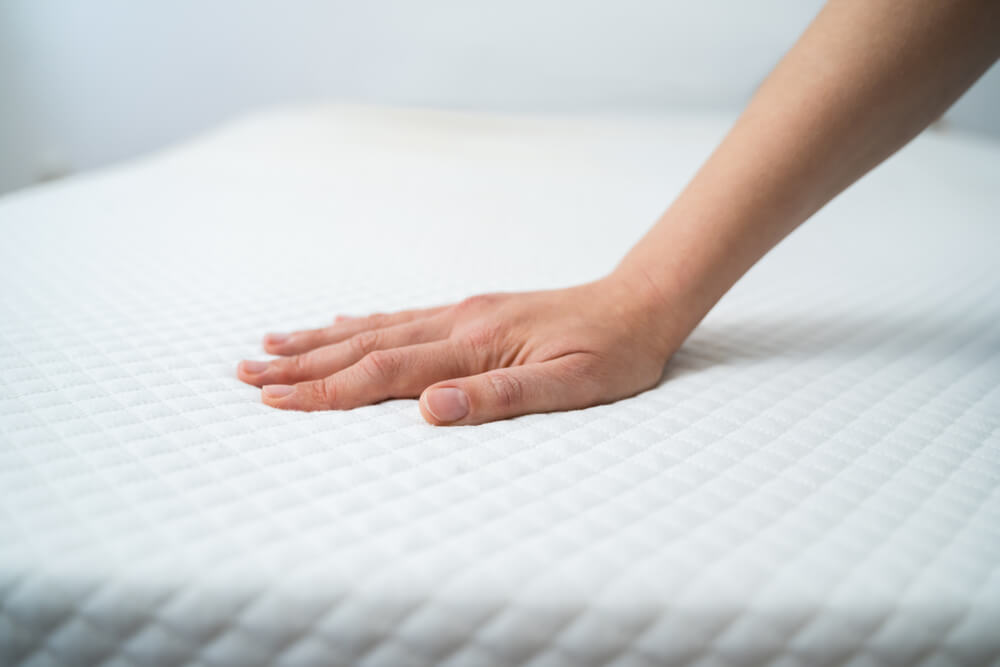
Soaking memory foam in water is a bad idea. The foam absorbs water and takes a long time to dry. This can cause mold and bad odors.
Instead, spot clean with a damp cloth. Use small amounts of water and allow the foam to air dry completely in a well-ventilated area.
- Never soak memory foam fully in water
- Use a damp cloth for spot cleaning only
- Dry foam in open air, not in a dryer
- Make sure foam is completely dry before use
Credit: mobilityfurniturecompany.co.uk
Frequently Asked Questions
How Do I Clean A Memory Foam Pillow?
To clean a memory foam pillow, gently spot-clean with mild detergent and water. Avoid soaking it entirely. Use a clean cloth to blot the area and remove excess moisture. Allow the pillow to air-dry completely in a well-ventilated space, avoiding direct sunlight or heat sources.
Can You Wash Memory Foam In A Washing Machine?
No, you should not wash memory foam in a washing machine. The agitation can damage the foam structure. Instead, spot-clean with a mild detergent and water. After cleaning, ensure it dries thoroughly to prevent mold or mildew. Hand cleaning is the safest method for maintaining memory foam integrity.
How Often Should I Clean Memory Foam?
Clean memory foam every three to six months to maintain hygiene and freshness. Regular cleaning helps prevent dust mites, allergens, and odors. Spot-clean spills immediately to avoid stains. Routine care extends the lifespan of your memory foam products, ensuring they remain comfortable and supportive.
What Is The Best Cleaner For Memory Foam?
A mild detergent mixed with warm water is ideal for cleaning memory foam. Avoid harsh chemicals and bleach, which can damage the foam. Use a soft cloth to gently clean the surface. Test cleaners on a small area first to ensure they don’t cause discoloration.
Conclusion
Cleaning memory foam keeps it fresh and lasts longer. Use gentle soap and water for stains. Avoid soaking the foam to prevent damage. Let it dry fully before use. Regular care helps maintain comfort and support. Small efforts make a big difference in memory foam care.
Stay consistent, and your foam will stay clean and cozy. Simple steps protect your investment and improve sleep quality. Remember, clean memory foam means better rest every night.