

Finding the perfect dining table for your small space can feel tricky. You want something that fits well, looks great, and makes your room feel cozy, not cramped.
The shape of your dining table plays a huge role in this. Choosing the right shape can open up your room, create better flow, and make every meal more enjoyable. If you’ve been wondering, “What shape dining table is best for small space?
” you’re in the right place. Keep reading to discover simple, smart choices that will transform your dining area without taking up too much room.
Benefits Of Choosing The Right Table Shape
Choosing the right shape for your dining table can save space in a small room. It also makes the area feel more open and comfortable.
The right table shape helps with movement and seating. It can make meals more enjoyable and the room easier to use.
Round Tables Save Space And Encourage Conversation
Round tables have no sharp corners. This makes them safe in tight spaces and easy to move around.
The round shape allows everyone to see and talk to each other easily. It creates a friendly dining experience.
Square Tables Fit Nicely In Corners
Square tables fit well against walls or in corners. This helps use space that might be wasted otherwise.
They provide a good surface for eating or working without taking too much room.
Rectangular Tables Offer Flexibility
Rectangular tables can fit along walls or in the center of a room. They work well for small spaces that need more seating.
You can also find extendable rectangular tables to add more space when needed.
Oval Tables Combine Space And Style
Oval tables have a shape similar to round ones but offer more surface area. Their smooth edges help save space and prevent bumps.
This shape looks elegant and fits well in small dining rooms or kitchens.
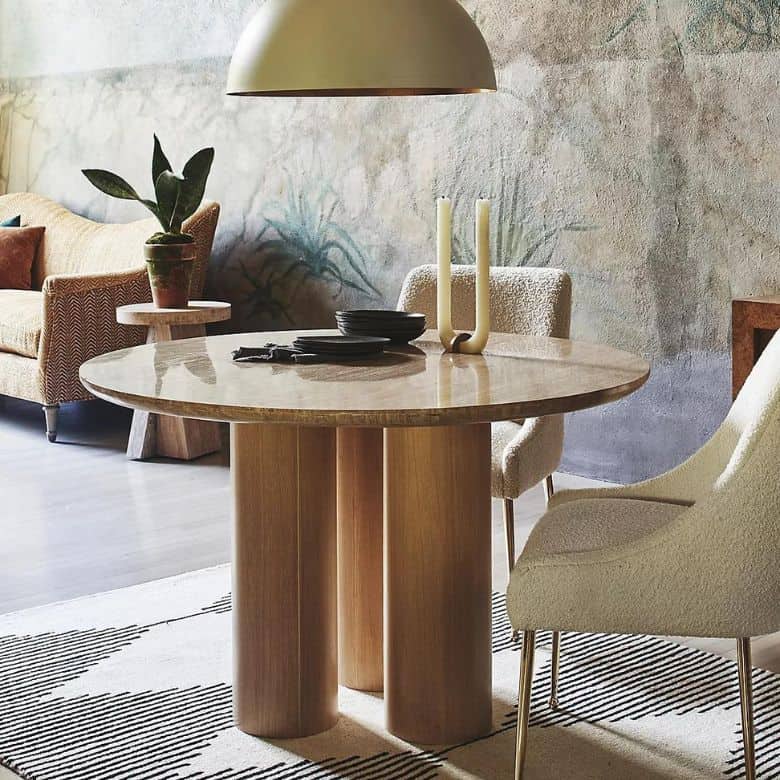
Credit: www.drewandjonathan.com
Square Tables For Compact Areas
Square dining tables are a smart choice for small spaces. Their shape fits well in tight rooms without wasting space.
These tables offer a balanced look and work well in corners or small dining areas.
Space Efficiency
Square tables use space effectively. Each side provides room for chairs and movement.
The shape allows you to place the table close to walls or in corners. This saves floor space in small rooms.
- Fits well in square or narrow rooms
- Easy to arrange chairs around
- Leaves open space for walking
Seating Capacity
Square tables usually seat four people comfortably. Each person has a side to sit on.
For very small spaces, this seating is perfect without crowding.
- Four seats fit naturally on a square table
- Allows good personal space for diners
- Chairs can be pushed in to save room
Design Styles
Square tables come in many styles. You can find modern, rustic, or classic designs.
Choose a design that matches your room’s decor and size.
- Wooden tables add warmth and charm
- Glass tops create a light, airy feel
- Metal frames offer a modern look
Round Tables For Cozy Settings
Round dining tables fit well in small spaces. They create a warm and inviting place to eat.
Their shape helps people sit close, making meals feel friendly and cozy.
Maximizing Space Flow
Round tables allow easy movement around the room. They have no sharp corners to block pathways.
This design helps open up the space. It keeps small rooms from feeling crowded.
- Place the table near a wall or window for extra space
- Use smaller round tables to fit tight spots
- Choose tables with slim legs to avoid bulkiness
Ideal Seating Arrangements
Round tables work well for four to six people in small rooms. Everyone can see and talk to each other.
Use chairs without arms to save room. You can also add benches for flexible seating.
- Four chairs fit comfortably around a 36–48 inch table
- Benches can slide under the table when not used
- Keep enough space between seats for comfort
Material And Finish Options
Light wood or glass tops make small rooms feel larger. Dark colors can make the space look tight.
Choose smooth finishes that are easy to clean. Materials like metal or laminate add durability.
- Light oak or pine wood creates a bright look
- Glass tops reflect light and add openness
- Metal legs add a modern touch and support

Credit: dutchcraftfurniture.com
Oval Tables For Versatility
Oval dining tables work well in small spaces. Their shape fits rooms where square or round tables may not.
These tables offer style and function. They help make the most of limited dining areas.
Soft Edges For Safety
Oval tables have smooth, rounded edges. This design reduces sharp corners that can cause injuries.
Soft edges are especially good for homes with children or pets. They create a safer dining space.
Adaptable Sizes
Oval tables come in many sizes. You can find small ones that fit tight spaces well.
Some oval tables also extend. This helps when you want to seat more guests.
- Small ovals fit compact kitchens
- Medium sizes suit apartments
- Extendable options add flexibility
Blending With Decor
Oval tables match many decorating styles. Their shape works with modern and classic rooms.
You can choose wood, glass, or metal finishes. This lets you blend the table easily with your decor.
Rectangular Tables In Small Spaces
Rectangular tables fit well in small rooms. They use space efficiently with their straight edges.
These tables offer enough surface area without crowding the room. They are easy to place against walls.
Slim Profiles
Slim rectangular tables have narrow widths to save space. They keep the room open and less crowded.
Look for tables with thin legs and slim tops. This style fits small dining areas well.
- Easy to walk around
- Does not block pathways
- Fits narrow dining rooms or kitchens
Extendable Features
Extendable tables offer flexibility in small spaces. Use them small daily and extend for guests.
Choose tables with leaves or fold-out sides. These add space only when you need it.
- Compact when closed
- Extra seating for visitors
- Good for apartments or small homes
Placement Tips
Place rectangular tables along walls to save space. This keeps the center open for movement.
Leave enough space for chairs and walking paths. Avoid blocking doors or windows.
- Use corners or narrow areas
- Keep walkways at least 30 inches wide
- Consider floating the table if space allows
Alternative Table Shapes To Consider
Choosing the right dining table shape helps save space in small rooms. Some shapes fit better in tight areas than the usual rectangular table.
Here are some alternative dining table shapes that work well in small spaces. These options offer flexibility and style without crowding the room.
Drop-leaf Tables
Drop-leaf tables have sides that fold down. This makes the table smaller when you do not need a big surface.
You can open the leaves when more space is needed for guests or meals. When folded, the table fits into tight corners.
- Saves space by folding down sides
- Easy to expand for extra seating
- Fits well in narrow rooms or hallways
Pedestal Tables
Pedestal tables have a single central support instead of four legs. This design gives more legroom around the table.
They often come in round or oval shapes. These shapes fit better in small spaces and encourage conversation.
- More legroom for diners
- Round or oval shapes save corner space
- Easy to move and fit in different areas
Wall-mounted Options
Wall-mounted tables attach directly to a wall. They fold up when not in use, saving floor space.
These tables work well in very small kitchens or dining areas. You can pull them down for meals and fold them back up to open the room.
- Folds flat against the wall
- Great for tiny apartments or kitchens
- Easy to install and use
Materials And Finishes For Small Spaces
Choosing the right materials and finishes for a dining table helps save space. The look and feel of the table can make a small room appear larger or smaller.
Light materials and finishes often open up the space. The right finish can also protect the table from daily wear and tear.
Light Vs Dark Surfaces
Light surfaces reflect more light, making the room feel bigger. They add a fresh and airy look to small spaces.
Dark surfaces can make a space feel cozy but may seem heavy in a small room. Dark finishes show dust and scratches more clearly.
- Light wood or white finishes brighten the room
- Dark wood or black finishes add warmth but shrink visual space
- Choose based on room lighting and personal style
Reflective Materials
Reflective materials bounce light around the room. This makes small spaces feel less cramped and more open.
Glass tops and glossy finishes are good examples. They create a sleek, modern look and make the table less bulky.
- Glass tabletops add lightness and shine
- Glossy finishes reflect light and hide smudges
- Metal legs or frames add strength without visual weight
Durability Factors
Durability matters in small spaces where furniture gets frequent use. Strong materials last longer and resist damage.
Wood, metal, and tempered glass are durable choices. Finishes that resist scratches and stains keep the table looking good.
- Solid wood offers strength and longevity
- Metal frames provide sturdy support
- Tempered glass resists cracks and chips
- Scratch-resistant finishes reduce wear
Tips For Choosing And Arranging
Picking the right dining table shape helps save space in small rooms. It also makes the area look neat and inviting.
Good arrangement of the table allows easy movement and comfortable seating. Use these tips to find the best shape for your space.
Measuring Your Space
Start by measuring your dining area. Know the exact length and width before choosing a table shape.
Leave enough room around the table for chairs and walking paths. At least 36 inches of clearance is ideal.
- Measure the total space available
- Mark where the table will go
- Check clearance for chairs and people
- Consider other furniture in the room
Balancing Function And Style
Choose a table shape that fits your daily needs and looks good. Round and square tables work well in small spaces.
Think about how many people usually sit at the table. Pick a shape that fits your family size and guest needs.
- Round tables create a cozy feel
- Square tables fit well in corners
- Oval tables offer a soft look with more seating
- Rectangular tables suit narrow rooms
Optimizing Traffic Flow
Arrange the table to keep walkways clear. Avoid blocking doors and pathways with furniture.
Use smaller tables or those with slim legs to allow easy movement. Keep enough space for people to pass without bumping.
- Place the table away from doors
- Keep at least 36 inches between table edge and walls
- Use chairs that slide under the table
- Consider foldable or extendable tables
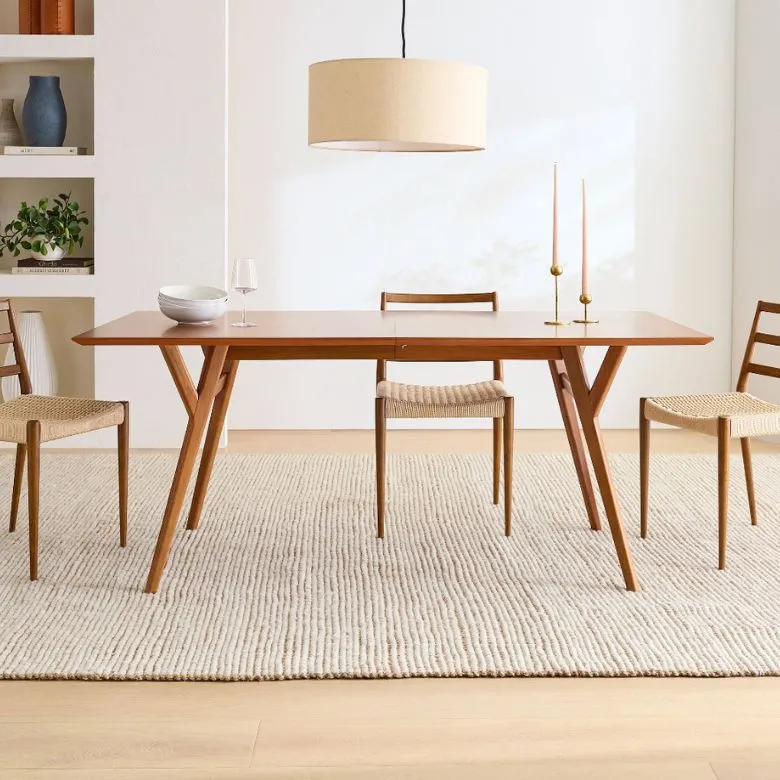
Credit: www.drewandjonathan.com
Frequently Asked Questions
What Is The Best Dining Table Shape For Small Spaces?
Round and square tables are ideal for small spaces. They maximize seating without crowding the room. Their compact shapes fit well in tight corners and allow easy movement around the table.
How Do Round Tables Benefit Small Dining Rooms?
Round tables eliminate sharp corners, improving flow in small rooms. They promote conversation and allow more flexible seating arrangements. This shape fits well in cramped spaces by creating a balanced, open feel.
Are Extendable Tables Good For Small Spaces?
Yes, extendable tables offer versatility for small areas. They save space daily and expand for guests. This functionality balances compact living with occasional larger gatherings efficiently.
Can A Square Table Fit Better Than A Rectangular One?
Square tables often fit better in small spaces due to symmetry. They use corner space effectively and allow easier movement. Rectangular tables can feel bulky in tight rooms.
Conclusion
Choosing the right dining table shape can save space and add style. Round tables fit small rooms well, offering smooth edges and easy movement. Square or rectangular tables work if placed carefully against walls. Consider how many people use the table daily.
Think about your room’s layout and walking paths. Small spaces need smart furniture choices. A well-chosen table makes meals and gatherings more comfortable. Keep it simple and functional for the best use of space. This way, your dining area feels open and inviting every day.


