Choosing the right size area rug can completely change the look and feel of your space. But how do you know which size fits perfectly?
If your rug is too small, your room might feel disconnected. Too big, and it can overwhelm your furniture and space. You want your rug to tie everything together, making your room cozy and inviting. In this guide, you’ll discover simple tips and tricks to find the perfect rug size for your room.
Keep reading to transform your space effortlessly and avoid common mistakes that most people make. Your ideal rug is just a few steps away!
Choosing Rug Size For Each Room
Choosing the right rug size can change how a room feels. The right size fits the furniture and space well.
Each room needs a different rug size. Look at the room’s use and furniture before picking a rug.
Living Room Rug Sizes
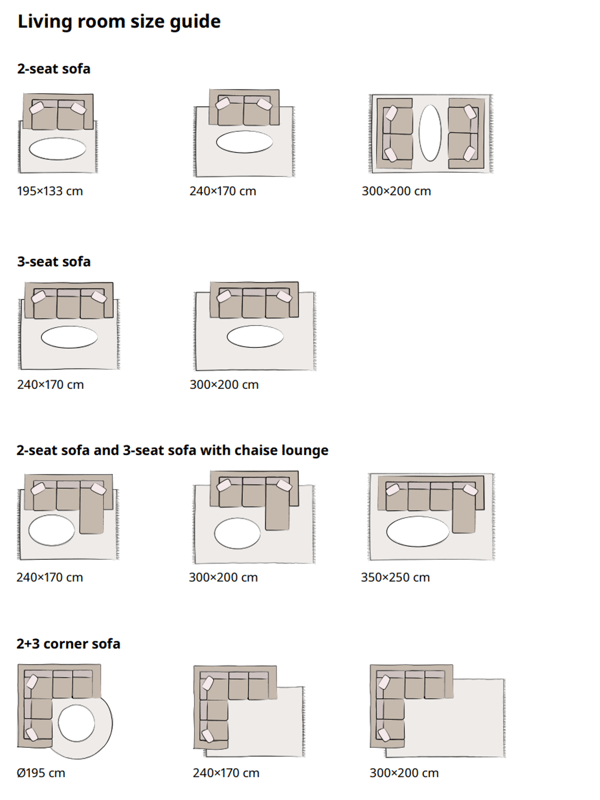
In the living room, a rug anchors the furniture. It should be large enough to hold the front legs of sofas and chairs.
Common sizes for living room rugs are 8x10 feet or 9x12 feet. Smaller rooms may use 5x8 feet rugs.
- Place the rug under the coffee table.
- Keep at least the front legs of seating on the rug.
- Leave some floor space around the rug edges.
Bedroom Rug Dimensions
A bedroom rug should fit under the bed and extend beyond it. This adds softness and warmth underfoot.
Typical sizes include 8x10 feet for queen beds and 9x12 feet for king beds. Smaller rugs can go on each side of the bed.
- Rug extends 18-24 inches beyond the bed sides.
- Leave space at the foot of the bed for walking.
- Use runners if the room is narrow.
Dining Room Rug Options
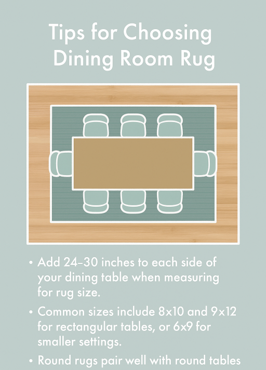
Dining room rugs must hold the table and chairs. Chairs should stay on the rug even when pulled out.
Choose rugs at least 24 inches larger than the table on all sides. Common sizes are 8x10 feet or 9x12 feet.
- Measure the table plus space for chairs.
- Keep the rug centered under the table.
- Pick materials that are easy to clean.
Entryway Rug Selection
Entryway rugs should fit the space and catch dirt from shoes. They need to be easy to clean and durable.
Smaller rugs or runners work well in entryways. Sizes like 2x3 feet or 3x5 feet are common choices.
- Choose rugs that cover the main walking area.
- Make sure the rug does not block doors.
- Pick sturdy rugs that handle heavy foot traffic.

Credit: www.slumberland.com
Measuring Your Space
Choosing the right rug size starts with measuring your room. Accurate measurements help the rug fit well.
Measure your space carefully to avoid rugs that are too big or too small.
Tools Needed For Measuring
Use the right tools to get exact measurements. This makes rug sizing easier and more accurate.
- Tape measure or measuring wheel
- Pencil and paper to note dimensions
- Level or laser measure for straight lines
- Furniture templates or masking tape (optional)
Measuring Room Dimensions
Start by measuring the length and width of your room. Measure from wall to wall.
Write down the dimensions clearly. Measure more than once to check accuracy.
- Measure along the longest points of the room
- Note any irregular shapes or alcoves
- Account for doors and windows
Considering Furniture Placement
Think about where your furniture will sit on the rug. This affects the rug size you need.
Measure the space around key furniture pieces like sofas and tables. Leave space for walking.
- Measure the seating area if placing rug under furniture
- Leave at least 18 inches of rug beyond furniture edges
- Ensure enough rug space for foot traffic
Rug Shapes And Their Impact
Choosing the right rug shape helps define the room’s look. It also guides how furniture fits around it.
Each rug shape changes the room’s feel and flow. Knowing these effects helps you size your rug better.
Rectangular Rugs
Rectangular rugs are the most common shape. They work well in living rooms, dining rooms, and bedrooms.
This shape fits nicely under tables and sofas. It creates a clear boundary for seating areas.
- Leave at least 18 inches of floor showing around the rug
- Make sure the rug is large enough for all furniture legs to sit on it
- Use smaller rectangles to define smaller spaces within a room
Round Rugs
Round rugs add softness and flow to a space. They are great for small rooms or corners.
This shape works well under round tables or in entryways. It draws attention to the center.
- Choose a size that extends 24 inches beyond the table edge
- Use round rugs to break up straight lines in a room
- Place chairs fully on the rug for balance and comfort
Square Rugs
Square rugs create a balanced, formal look. They fit well in square rooms or seating areas.
This shape frames furniture symmetrically. It works best when centered under a coffee table.
- Ensure the rug extends at least 18 inches beyond furniture edges
- Use square rugs to highlight a specific area or pattern
- Place rugs so all furniture legs rest on or off the rug evenly
Runner Rugs
Runner rugs are long and narrow. They fit well in hallways, kitchens, and stairs.
This shape helps guide movement through tight spaces. It adds warmth and style along paths.
- Pick a runner that leaves at least 4-6 inches on each side
- Make sure it is long enough to cover the walking area fully
- Use non-slip pads to keep runners in place safely

Credit: shopping.yahoo.com
Rug Placement Tips
Choosing the right size for an area rug makes a room look better. Proper placement helps the rug fit well with your furniture.
This guide gives tips on how to place rugs with your furniture and create balance in the room.
Aligning Rugs With Furniture
Place rugs so they match your furniture layout. Rugs should connect the pieces to create a cozy space.
Make sure at least the front legs of sofas and chairs rest on the rug. This keeps the furniture from feeling separate.
- Center the rug under the main furniture group
- Leave equal space around furniture edges
- Use larger rugs for bigger furniture sets
Creating Visual Balance
A rug should balance the size of the room and furniture. Too small rugs make spaces feel empty.
Pick a rug that fills the area without crowding. This gives a neat and inviting look.
- Leave about 18 inches of floor space around the rug edges
- Match rug size to the seating or dining area
- Use rugs to define separate zones in large rooms
Layering Rugs
Layering rugs adds texture and style. Place a smaller rug on top of a larger, plain rug to create interest.
Make sure layered rugs have colors or patterns that work well together. This avoids a messy look.
- Use a large neutral rug as the base
- Place a colorful or patterned rug on top
- Keep layered rugs clean and flat
Material And Texture Considerations
Choosing the right material and texture is key when sizing an area rug. These factors affect comfort, style, and durability.
Think about how the rug feels underfoot and how it fits with your room’s design. The right choice can improve your space.
Durability Factors
Durability depends on the rug’s material and how often the area sees foot traffic. Some materials last longer than others.
Wool is strong and holds up well. Synthetic fibers like nylon resist stains and wear. Cotton rugs are softer but less durable.
- Wool: durable and stain-resistant
- Nylon: strong and easy to clean
- Polypropylene: affordable and moisture-resistant
- Cotton: soft but wears quickly
Comfort And Style
Soft textures add comfort, making a room feel cozy. Plush rugs work well in living rooms and bedrooms.
Flat-weave rugs have less padding but add modern style. Choose a texture that matches your room’s look and use.
- Plush rugs feel soft and warm
- Flat-weave rugs are sleek and easy to clean
- Shag rugs add a fun, thick texture
- Natural fibers like jute offer a rustic look
Maintenance Tips
Some materials need more care than others. Consider how much cleaning you can do before choosing a rug.
Wool rugs shed but resist dirt. Synthetic rugs clean easily with a vacuum. Cotton rugs may stain fast.
- Vacuum regularly to remove dust
- Spot clean spills quickly
- Rotate rugs to avoid uneven wear
- Use rug pads to protect floors and keep rugs in place

Credit: www.slumberland.com
Common Mistakes To Avoid
Choosing the right size for an area rug can change the look of your room. Many people make simple errors that affect the style and comfort. Avoid these common mistakes to get the best results.
Knowing what not to do helps you pick the perfect rug size. Read on to learn about common errors and how to avoid them.
Choosing Rugs Too Small
Picking a rug that is too small can make your space feel unbalanced. Small rugs look lost under furniture and do not cover enough floor.
When a rug is too small, it breaks the flow of the room. It can also make the area seem cramped or cluttered.
- Small rugs may not fit under all furniture legs
- They can create awkward empty spaces around
- Small rugs often fail to tie the room together
Ignoring Room Proportions
Not paying attention to room size leads to poor rug choices. A rug too large or too small can throw off the room’s balance.
Measure your space before buying a rug. Match the rug size to your room’s shape and furniture layout for the best look.
- Large rugs work best in big rooms with open space
- Small rooms need smaller rugs to avoid crowding
- Square rooms suit square or round rugs
- Long rooms look better with rectangular rugs
Overcrowding With Rugs
Using too many rugs in one room can make it feel messy. Overlapping or placing rugs too close causes visual clutter.
Limit the number of rugs to keep the space clean and simple. Use one large rug or a few small rugs placed with space between.
- Too many rugs can confuse the room’s style
- Overlap can cause tripping hazards
- Rugs too close together reduce floor visibility
- Keep enough floor space clear for balance
Frequently Asked Questions
What Size Rug Is Best For A Living Room?
The ideal rug size for a living room depends on the room's dimensions. Typically, a rug should be large enough to fit the front legs of all furniture pieces. This creates a cohesive look. Standard sizes like 8x10 or 9x12 feet often work well.
Always ensure the rug complements the room's layout.
How Do I Measure For An Area Rug?
To measure for an area rug, first determine the room's dimensions. Decide how much floor space you want exposed. Measure the area where the rug will sit. Ensure the rug fits well under furniture, leaving some exposed floor. Accurate measurements ensure the rug enhances the room's aesthetic.
Should A Rug Be Larger Than The Dining Table?
Yes, a rug should extend beyond the dining table. Ideally, it should be large enough to accommodate chairs when pulled out. This prevents chairs from catching on the rug's edges. A good rule is to add 24 inches to each side of the table's dimensions for perfect sizing.
Can A Small Rug Make A Room Look Bigger?
Yes, a strategically placed small rug can make a room appear bigger. Use a small rug to define spaces, creating visual separation. Choose lighter colors and simple patterns for an expansive feel. However, ensure the rug complements the room's layout for the best effect.
Conclusion
Choosing the right area rug size changes a room’s feel. It helps create balance and comfort. Measure your space before buying any rug. Think about furniture placement and walking paths. A well-sized rug ties the room together. It makes your space look neat and cozy.
Take your time to find the best fit. Small steps lead to big style changes. Your room will feel inviting with the right rug. Enjoy decorating with confidence and ease.