Choosing the perfect area rug for your living room can transform the entire space. But before you shop, you need to know exactly how to measure your room to find a rug that fits just right.
If your rug is too small, it can look lost; too big, and it can overwhelm your furniture. You don’t want to guess and end up with a rug that doesn’t suit your space. In this guide, you’ll learn simple, step-by-step tips to measure your living room for an area rug that complements your style and layout perfectly.
Keep reading, and you’ll be confident in picking the ideal rug size every time.
Choosing The Right Rug Size
Choosing the right rug size is important for your living room. The right size helps your space feel balanced and cozy.
Measuring your living room carefully can make picking a rug easier. This guide will help you find the perfect fit.
Consider Room Dimensions
Start by measuring your living room's length and width. Know the total space where the rug will go.
Leave some floor space visible around the rug. This keeps the room from feeling crowded.
- Measure the full room size
- Decide how much floor you want to show
- Choose a rug smaller than the room
Match Furniture Layout
Look at how your furniture sits in the room. The rug should fit well with the furniture setup.
For example, the rug can go under the front legs of sofas and chairs. This links the furniture together.
- Place rug under key furniture pieces
- Make sure furniture does not crowd the rug edges
- Leave enough space for furniture movement
Account For Traffic Flow
Think about how people walk through the room. The rug should not block paths or feel like a trip hazard.
Keep rugs away from doorways or high traffic spots unless they are low profile and secure.
- Leave clear walking paths around the rug
- Choose rugs that lie flat and do not slip
- Avoid rugs that block doors or hallways
Tools Needed For Measuring
Measuring your living room for an area rug is easy with the right tools. These tools help you get accurate sizes.
Using simple tools saves time and avoids mistakes. Let's look at the best tools for measuring.
Tape Measure Essentials
A tape measure is a basic tool for measuring room space. It is flexible and easy to use on floors.
Choose a tape measure at least 12 feet long to cover most living rooms. Look for one with clear numbers.
- Use the metal end to hook on walls or furniture edges
- Keep the tape flat on the floor for accuracy
- Read measurements in inches or centimeters
- Lock the tape to keep it steady while measuring
Using A Laser Measure
A laser measure is a modern tool that gives fast and exact readings. It works well in large rooms.
Point the laser at the opposite wall or corner. The device shows the distance on a screen.
- Hold the device steady for the best results
- Use it to measure long distances without help
- Check the battery before starting
- Some models store measurements for easy review
Marking The Area
Marking the rug area helps visualize the size before buying. Use tape or chalk to outline the space.
Measure and mark each corner carefully. This shows how the rug fits with your furniture.
- Use painter’s tape to avoid floor damage
- Mark the corners at the exact measurement points
- Check the marked area by walking around it
- Adjust marks if the rug needs to fit under furniture
Measuring The Living Room Space
Choosing the right area rug starts with measuring your living room. Accurate measurements help pick a rug that fits well.
Take your time to measure carefully. This avoids buying a rug that is too big or too small.
Measure Length And Width
Use a tape measure to find the length and width of your living room floor. Write down these numbers.
Measure from wall to wall where you want the rug to go. This shows the available floor space.
Identify Focal Points
Look for key spots in your living room like the fireplace or TV area. These are focal points where the rug can sit.
Place the rug near furniture that draws attention. This helps the room feel balanced and cozy.
- Center rug under the coffee table
- Align rug edges with seating area
- Keep focal points visible and clear
Note Doorways And Obstructions
Check where doors open and close near the rug space. Make sure the rug does not block these paths.
Also, note furniture legs, vents, or other obstacles. The rug should fit around these without getting bunched up.
- Leave space for door clearance
- Avoid covering heating vents
- Fit rug around furniture legs

Credit: www.jaipurrugs.com
Determining Rug Placement
Choosing the right place for your area rug makes your living room look great. It also keeps the room balanced and cozy.
Knowing where to put your rug helps you pick the right size. This guide covers three common rug placements.
Under Furniture
Placing a rug under furniture helps tie the room together. It creates a clear space for seating.
Make sure the rug is big enough to fit at least the front legs of your sofa and chairs. This keeps furniture stable and looks balanced.
- Rug should extend beyond furniture edges by 6 to 12 inches
- Front legs on the rug, back legs off, for most layouts
- Use larger rugs for bigger furniture groups
Floating Rug Style
A floating rug sits away from furniture, creating a separate area. This style works well in open rooms.
Choose a rug size that fits the open space. Keep furniture off the rug to make it stand out.
- Rug size smaller than furniture group
- Leave at least 18 inches of floor around the rug
- Works well for defining reading or conversation spots
Centering In The Room
Centering the rug in the room creates a balanced look. It works best for symmetrical spaces.
Measure the room and place the rug so it sits in the middle. Align rugs with key furniture or architectural features.
- Find the room’s midpoint by measuring length and width
- Place the rug so it centers under a coffee table or seating
- Keep equal space around the rug edges for neatness
Calculating Ideal Rug Dimensions
Choosing the right rug size can change the look of your living room. The rug should fit well with your space and furniture.
Measuring your area rug helps create a balanced and comfortable room. Use simple steps to find the best dimensions.
Leave Space Around Edges
Leave some space between the rug and the walls. This space frames the rug and shows off the floor.
Typically, leaving 12 to 18 inches around the rug edges works well. It stops the rug from feeling too crowded.
- Measure your room width and length
- Subtract 24 to 36 inches total for edge space
- Choose a rug size that fits inside this area
Balance With Furniture Size
The rug should match the size of your furniture. It ties the room together and defines seating areas.
If your furniture is large, pick a bigger rug. Small furniture looks best with a smaller rug that fits under key pieces.
- Rug should fit under front legs of sofas and chairs
- Keep all seating on the rug if possible
- Leave space to walk around the furniture comfortably
Adjust For Room Shape
Room shape affects how the rug looks and fits. Rectangular rooms suit rectangular rugs better.
For square or irregular rooms, choose a rug that fills the center well. You can also try layering rugs for style.
- Match rug shape to room shape for balance
- Use larger rugs in open rooms
- Consider layering smaller rugs in unique spaces
Tips For Visualizing Rug Size
Choosing the right rug size for your living room can be tricky. Visualizing the rug helps avoid buying one that looks too small or too large.
Use simple tools and tricks to see how the rug will fit. This saves time and effort before making a purchase.
Use Painter’s Tape
Painter’s tape helps mark the rug size directly on your floor. It shows the exact space the rug will cover.
Measure the rug size you want and place tape on the floor in the shape of the rug. This visual guide helps you see the fit clearly.
- Choose tape that won’t damage your floor
- Mark edges and corners precisely
- Step back and check the proportions
Lay Out Cardboard Cutouts
Cut cardboard pieces to match the rug size you want. Lay them on the floor to mimic the rug’s shape and size.
This method gives a three-dimensional feel of the rug. You can even move furniture around the cutout to test the layout.
- Use large cardboard sheets for bigger rugs
- Tape pieces together for accurate size
- Place cutouts in different spots to compare
Take Photos For Reference
Take photos of your room with tape or cardboard outlines. This helps you review the rug size later.
Photos give a clear view of how the rug fits with furniture and space. You can share these images with others for opinions.
- Use natural light for clear images
- Take pictures from different angles
- Compare photos with rug size options
Common Mistakes To Avoid
Choosing the right size area rug for your living room can be tricky. Many people make mistakes that affect the room’s look and feel.
Knowing what to avoid helps you pick the perfect rug size. This guide covers common errors to watch out for.
Choosing Rugs Too Small
Picking a rug that is too small can make your living room look unbalanced. Small rugs often get lost under furniture.
A small rug may not cover enough floor space. This leaves your room feeling disconnected and less cozy.
- Small rugs can make the room seem cluttered
- They do not anchor furniture well
- Small rugs reduce comfort underfoot
Ignoring Furniture Placement
Not considering where your furniture sits is a common mistake. Rugs should fit with the layout of your room.
If you place a rug without thinking about furniture, it may look awkward. The rug should connect your seating area.
- Measure the space around sofas and chairs
- Rugs should fit under the front legs of furniture
- Leave enough floor space around the rug edges
Overlooking Room Function
Each living room has a unique purpose. Ignoring how you use your space can lead to wrong rug size.
Think about how people move and gather in the room. The rug should support these activities comfortably.
- For heavy traffic, choose durable and larger rugs
- In small rooms, avoid oversized rugs that crowd space
- Match rug size to how the room is used daily
Credit: ruggallery.net
Credit: ruggallery.net
Frequently Asked Questions
How Do I Measure The Area Rug Size?
To measure an area rug for your living room, first measure the length and width of the space. Ensure the rug fits the room’s dimensions and leaves some floor visible around it. Consider furniture placement to ensure proper coverage and visual balance.
What Size Rug Is Best For A Living Room?
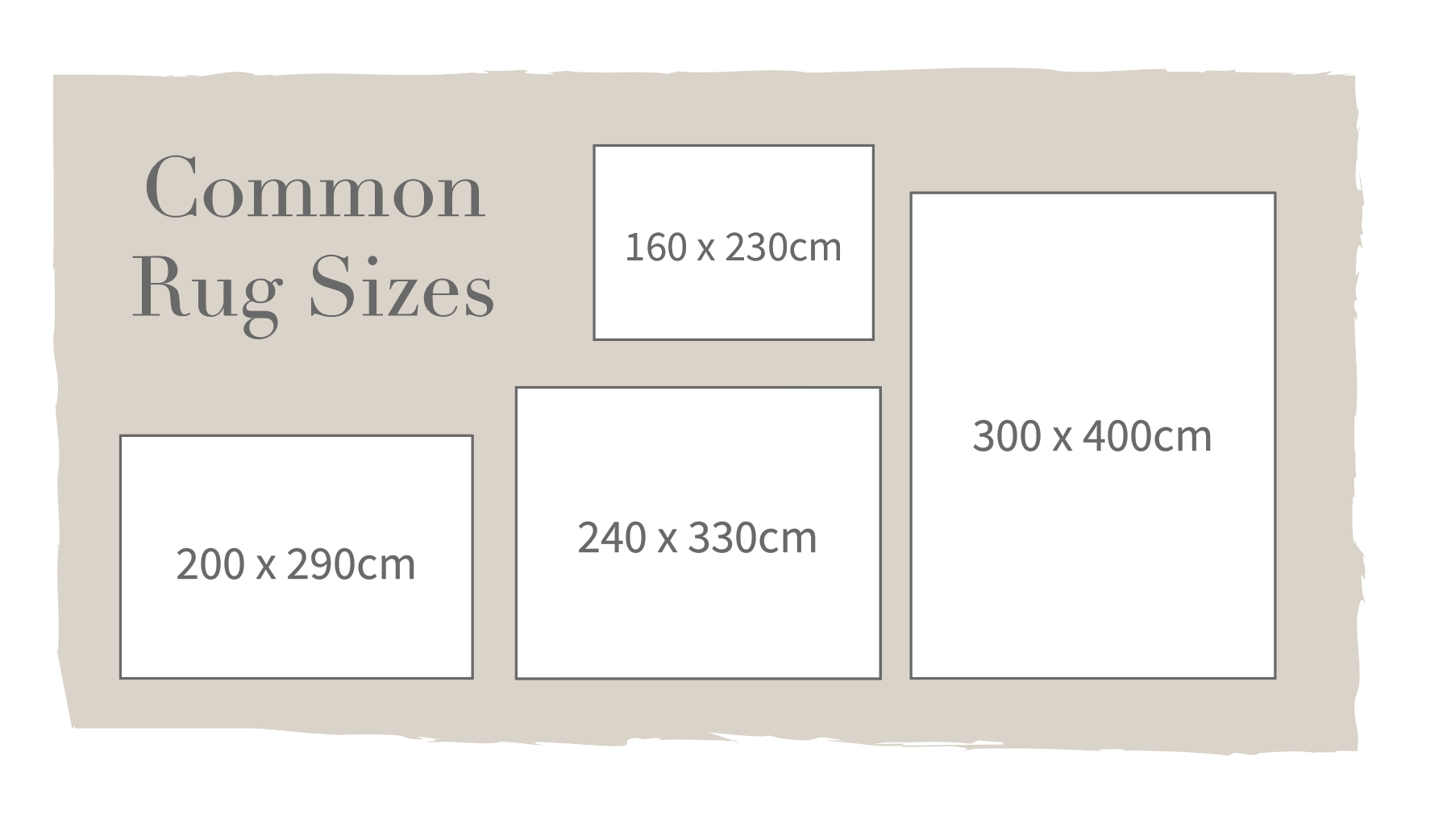
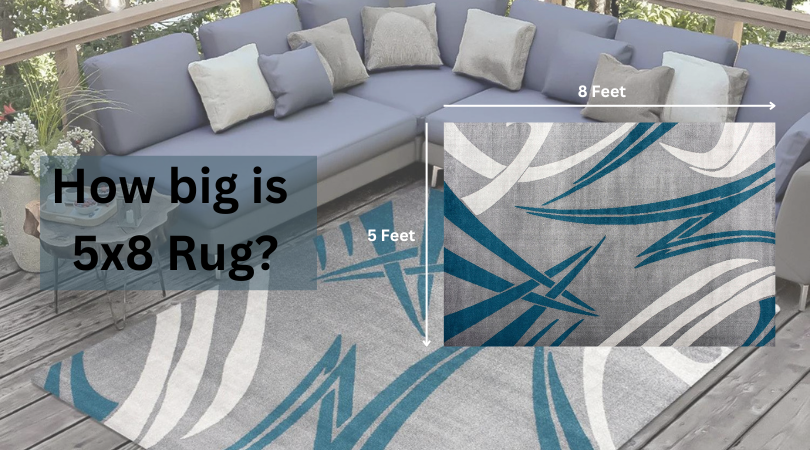
The best size for a living room rug depends on the room's dimensions and furniture arrangement. Typically, an 8x10 or 9x12 rug fits most spaces well. Ensure the rug accommodates all furniture pieces, or at least the front legs of sofas and chairs.
Should A Rug Go Under The Couch?
Yes, placing a rug under the couch enhances the room's design and creates a cohesive look. Ideally, the rug should extend at least six inches under the couch. This helps anchor the space and defines the seating area effectively.
How Much Floor Should Show Around A Rug?
It's best to leave 12 to 18 inches of floor space around the rug's edges. This frame of visible floor space creates a balanced look. It helps define the area while maintaining a sense of openness and structure in the room.
Conclusion
Measuring your living room rug is simple with the right steps. Start by knowing your room’s size and layout. Choose a rug that fits well under furniture and leaves space around edges. Remember to measure twice for accuracy. A well-sized rug can make your room feel cozy and balanced.
Take your time and enjoy the process. Your living room will look inviting and stylish with the perfect rug size.