Choosing the right rug size for your dining table might seem simple, but it can change the entire look and feel of your dining space. You want a rug that fits perfectly—big enough to hold your chairs even when they’re pulled out, but not so big that it overwhelms the room.
Getting this just right makes your dining area more comfortable, stylish, and inviting. Keep reading, and you’ll discover easy tips to pick the perfect rug size that suits your table and your space perfectly.

Credit: www.sisalcarpet.com
Choosing Rug Size For Dining Tables
Choosing the right rug size for your dining table is important. The rug should fit the table and chairs well.
A properly sized rug helps protect the floor and adds style to the room.
Standard Rug Dimensions
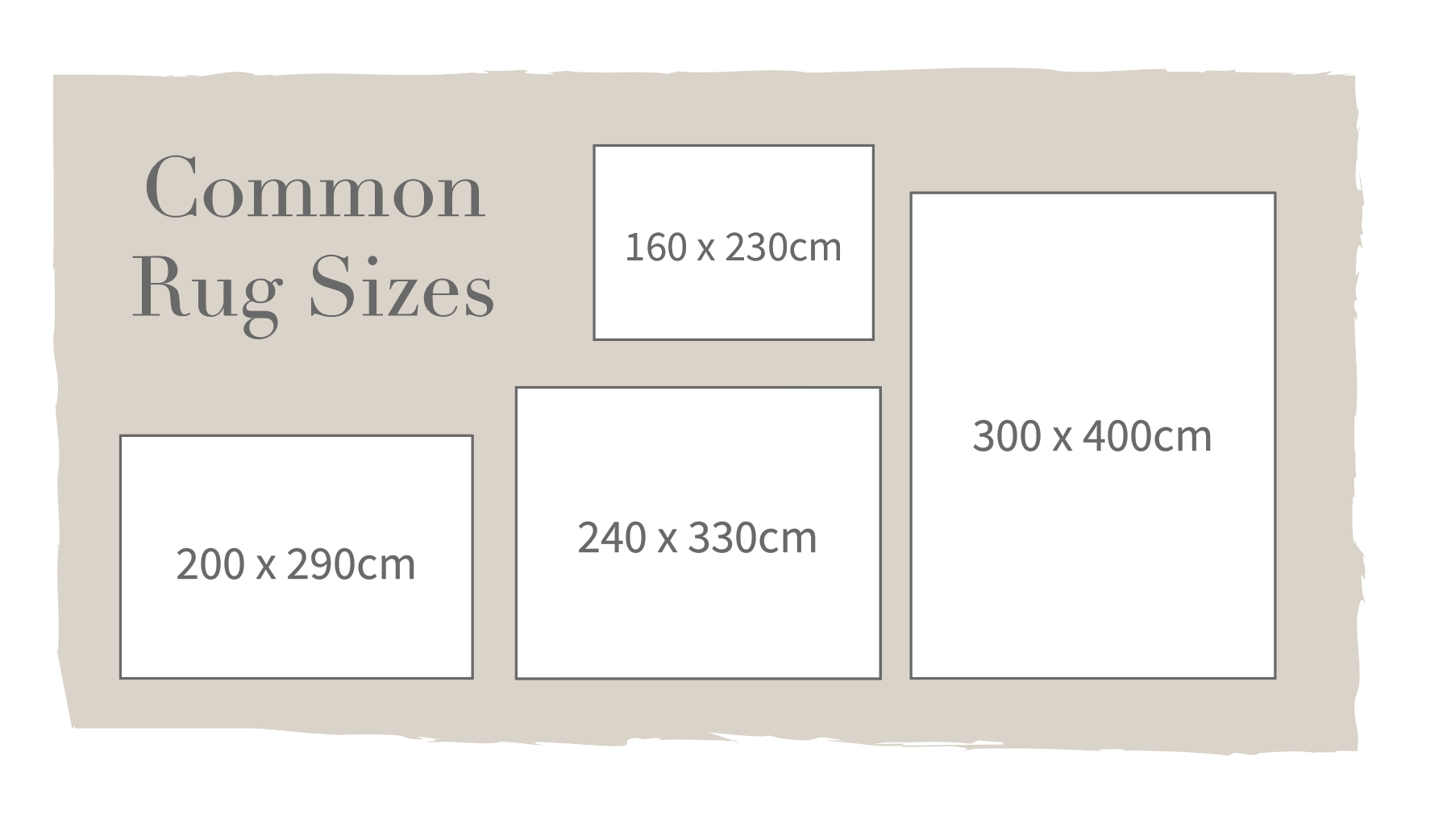
Rugs under dining tables usually come in standard sizes. These sizes depend on the table shape and number of seats.
- For a 4-6 seat rectangular table, a 6x9 or 8x10 feet rug works well.
- Round tables with 4-6 seats look good with a 6 to 8 feet round rug.
- Large tables with 8 or more seats need rugs 9x12 feet or bigger.
Factors Affecting Rug Size
The rug size depends on how much space the chairs need to move. Chairs should stay on the rug even when pulled out.
- Allow at least 24 inches of rug beyond the table edge for chair space.
- Choose a rug shape that matches the table shape for balance.
- Think about traffic flow around the dining area when picking rug size.
Room Size Considerations
The room size also guides the rug choice. The rug should not cover the whole floor or be too small for the space.
- Make sure the rug fits the dining area without blocking doorways or walk paths.
- In small rooms, use a rug that fits under the table and chairs but leaves space around edges.
- Large rooms can handle bigger rugs that define the dining space clearly.
Matching Rug Size To Table Shape
Choosing the right rug size under a dining table improves the room's look. The rug should fit well with the table shape.
This guide helps you pick the best rug size for different dining table shapes.
Rectangular Tables
Rectangular tables need rugs that extend beyond the table edges. This creates balance and space for chairs.
Choose a rug that is at least 24 inches longer and wider than the table size.
- If your table is 6 feet by 3 feet, pick a rug at least 10 feet by 7 feet.
- This size lets chairs move without falling off the rug.
Round Tables
Round tables look best on round or square rugs. The rug should allow room for chairs.
Pick a rug that is at least 24 inches wider than the table diameter.
- For a 4-foot round table, choose a rug at least 8 feet in diameter.
- Extra space helps chairs stay on the rug when pulled out.
Square Tables
Square tables work well with square rugs of similar shape. The rug should extend beyond the table sides.
Allow at least 24 inches of rug beyond each side of the table.
- A 5-foot square table needs a rug at least 9 feet square.
- This size keeps chairs on the rug when moved.
Oval Tables
Oval tables pair well with oval or rectangular rugs. The rug should give enough space for chairs.
Pick a rug that is 24 inches longer and wider than the table dimensions.
- A 6-foot by 4-foot oval table needs a rug about 10 feet by 8 feet.
- This size lets chairs move without catching the rug edges.
Rug Placement Tips
Choosing the right rug size for under your dining table is important. It affects comfort and room style.
Proper rug placement helps keep chairs on the rug and balances the room visually.
Allowing Chair Movement
Your rug should be large enough to allow chairs to move without falling off. This keeps the floor protected and the space tidy.
Make sure the rug extends at least 24 inches beyond the table edges. This space lets people pull out chairs easily.
- Measure your dining table size first
- Add 24 inches on all sides for chair space
- Choose a rug that meets these dimensions
Centering The Rug
Place the rug centered under your dining table to create balance. This makes the area look neat and well-planned.
Align the rug so the table legs sit evenly on it. This keeps the furniture stable and the rug in place.
- Measure the room and table center points
- Lay the rug so it is centered with the table
- Adjust chairs to keep them on the rug
Spacing Around The Table
Leave enough space between the rug edge and room walls. This prevents the room from looking cramped.
At least 18 inches of clear floor space around the rug helps people move around the table comfortably.
- Measure at least 18 inches from rug edge to walls
- Choose rug size based on room space available
- Avoid rugs that are too close to doorways

Credit: maiahomes.com
Material And Style Choices
Choosing the right rug size under a dining table depends on material and style. These factors affect comfort, durability, and look.
Picking materials and patterns that suit your space helps keep the dining area neat and welcoming.
Durable Materials For Dining Areas
Dining areas need rugs that can handle spills and heavy use. Some materials last longer and clean easier.
Natural fibers and synthetics each offer benefits for durability and style.
- Wool: Soft, strong, and hides dirt well
- Nylon: Resists stains and easy to clean
- Polypropylene: Water-resistant and budget-friendly
- Jute: Natural look but less stain-resistant
- Leather: Durable and easy to wipe clean
Colors And Patterns
Colors and patterns affect the dining room’s mood and style. Choose shades that match your furniture and walls.
Patterns can hide stains and wear from chair movement.
- Dark colors hide food spills better
- Bold patterns mask dirt and wear
- Light colors brighten small rooms
- Geometric designs add a modern look
- Floral patterns create a cozy feel
Maintenance And Cleaning
Rugs under dining tables need regular cleaning. This keeps them fresh and looking good.
Choose materials that fit your cleaning habits and time.
- Vacuum weekly to remove crumbs and dust
- Blot spills immediately with a clean cloth
- Use mild soap for spot cleaning
- Consider rugs that can be washed or steam cleaned
- Rotate the rug to avoid uneven wear
Common Mistakes To Avoid
Choosing the right rug size for under a dining table is important. The wrong size can make the room look odd and feel uncomfortable.
Many people make simple mistakes that affect how the dining area looks and works. This guide will help you avoid those errors.
Rug Too Small
Using a rug that is too small can cause problems. Chairs may fall off the edge when people sit down or stand up.
A small rug also makes the space feel cramped and less balanced. It can break the flow of the room.
- Chairs should stay on the rug even when pulled out
- Leave at least 24 inches of rug beyond the table on all sides
- A small rug looks disconnected from the dining set
Rug Too Large
A rug that is too large can overwhelm the room. It may cover too much floor and hide key features.
Large rugs can also make the dining area feel lost inside a big space. It may look like the rug belongs somewhere else.
- Make sure the rug fits the dining area size
- Leave some floor space visible around the rug edges
- Oversized rugs can make cleaning harder under the table
Ignoring Room Layout
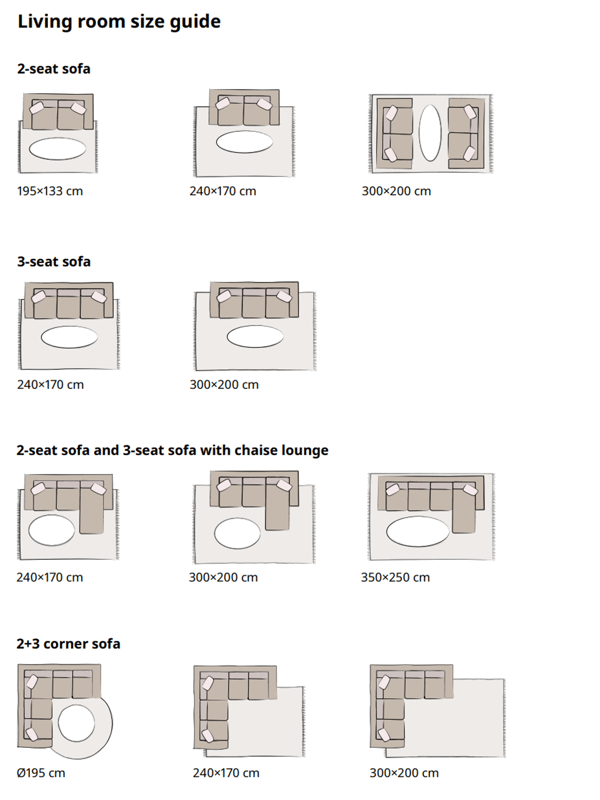
Not considering the room layout leads to bad rug placement. The rug should fit well with walls and furniture.
Ignoring pathways and space around the table causes the rug to block walking areas or look awkward.
- Check for enough space to walk around the rug comfortably
- Align the rug with the shape of the table and room
- Avoid blocking doors or high-traffic areas with the rug edges
Credit: www.ikea.com
Frequently Asked Questions
What Size Rug Fits Under Dining Tables?
Choosing the right rug size depends on your dining table's dimensions. Ideally, a rug should extend 24-30 inches beyond the table edges. This allows chairs to stay on the rug when pulled out. A standard 8x10 or 9x12 rug works well for most dining tables, providing a balanced look.
Should The Rug Match Dining Room Size?
Yes, the rug should complement the dining room size. Ensure there's ample space around the rug for movement. A too-small rug can make the space feel cramped. Choose a rug that harmonizes with room dimensions, ensuring it extends beyond the table to accommodate chairs comfortably.
How To Choose Rug Shape For Dining Tables?
The rug shape should complement the table shape. Rectangular rugs suit rectangular tables, while round rugs pair well with round tables. Oval rugs work with both oval and rectangular tables. Matching shapes create visual harmony, enhancing the room's aesthetic and ensuring functional space around the dining area.
What Material Is Best For Dining Room Rugs?
Opt for durable materials like wool or synthetic fibers. These materials withstand spills and frequent use. Wool is stain-resistant and offers a plush feel. Synthetic fibers are easy to clean and budget-friendly. Consider low-pile or flatweave rugs for easy chair movement and maintenance.
Conclusion
Choosing the right rug size makes your dining area look neat and cozy. A rug that fits well keeps chairs on the rug even when pulled out. It also protects your floor and adds style to the room. Measure your table and leave space around it for comfort.
This simple step helps your dining space feel complete and inviting. A good rug size brings balance and warmth to your home. Keep these tips in mind for a perfect dining room look.