Imagine stepping into your garden, ready to enjoy a peaceful afternoon, only to be greeted by unsightly green patches covering your beloved furniture. Algae can be a persistent problem, turning your outdoor paradise into an eyesore.
But don't worry, you're not alone, and there's a simple solution. In this guide, you'll discover effective techniques to restore your garden furniture to its former glory. Picture yourself once again enjoying your outdoor space, free of that pesky green invader.
Keep reading to learn how you can effortlessly reclaim your garden's charm and make your furniture look brand new again.
Credit: www.idealhome.co.uk
Causes Of Algae Growth
Algae often grow on garden furniture left outside. They appear as green, slimy patches. This growth happens when certain conditions are met. Understanding these causes helps keep furniture clean.
Moisture, shade, and dirt create a perfect place for algae. These tiny plants use sunlight and water to grow on surfaces. Garden furniture can become a common target.
Common Conditions For Algae
Algae grow best in wet and shady places. Garden furniture that stays damp or is in shade often gets algae faster. Dirt and organic matter also help algae stick and grow.
- High humidity or frequent rain
- Shaded areas with little sunlight
- Furniture made of porous materials
- Nearby plants or soil that splash water
- Irregular cleaning or maintenance
Types Of Algae On Furniture
Algae on garden furniture come in several types. Each type looks different and grows under certain conditions. Knowing the types helps choose the right cleaning method.
| Type of Algae | Appearance | Common Surfaces |
| Green Algae | Bright green, slimy layer | Plastic, wood, metal |
| Blue-Green Algae | Blue-green or dark patches | Wood, stone, concrete |
| Red Algae | Reddish or pink spots | Wood and older furniture |
| Black Algae | Black or dark green streaks | Plastic and metal |
Tools And Materials Needed
Removing algae from garden furniture keeps it clean and safe to use. You need the right tools and materials to do the job well.
Gathering supplies before you start saves time. It also helps protect the furniture from damage.
Cleaning Supplies
Cleaning supplies help remove algae and dirt from your garden furniture. Use gentle products to avoid damage.
- Soft-bristle brush to scrub surfaces
- Mild detergent or dish soap
- White vinegar or diluted bleach solution
- Bucket for mixing cleaning liquids
- Garden hose or spray bottle for rinsing
- Clean cloths or sponges
Protective Gear
Wear protective gear to keep yourself safe from cleaning chemicals and algae spores. This gear also prevents skin irritation.
- Rubber gloves to protect your hands
- Safety goggles to shield your eyes
- Old clothes that can get dirty
- Face mask to avoid breathing in spores
Pre-cleaning Preparation
Removing algae from garden furniture starts with good preparation. This makes cleaning easier and safer.
Prepare your outdoor space and gather supplies before you begin. This saves time and protects your furniture.
Moving And Inspecting Furniture
Move your garden furniture to a clean, shaded area. This helps the cleaning solution work better without drying too fast.
- Check for loose screws or broken parts before cleaning.
- Look for any damage or cracks that need repair.
- Remove cushions or fabric covers to clean separately.
- Place furniture on a tarp or plastic sheet to protect the ground.
Safety Precautions
Wear gloves and safety glasses to protect your skin and eyes from cleaning products. Avoid strong chemicals if possible.
| Safety Item | Purpose |
| Gloves | Protect hands from chemicals and algae |
| Safety Glasses | Prevent splashes from reaching eyes |
| Mask | Reduce inhaling fumes or dust |
| Old Clothes | Wear clothes you don’t mind getting dirty |
Natural Cleaning Methods
Algae can make garden furniture look dirty and slippery. Using natural cleaning methods keeps your furniture safe and clean.
These methods use common household ingredients. They are gentle and eco-friendly, perfect for outdoor furniture.
Vinegar Solution
White vinegar is a natural cleaner that kills algae. Mix equal parts of vinegar and water in a spray bottle.
Spray the solution on the algae spots. Let it sit for 15 minutes, then scrub gently with a brush.
- Use white vinegar for best results
- Wear gloves to protect your skin
- Rinse furniture with water after cleaning
Baking Soda Paste
Baking soda helps scrub away algae without harsh chemicals. Mix baking soda with a little water to form a paste.
Apply the paste to algae-covered areas. Use a soft brush to scrub gently, then rinse with water.
- Make a thick paste for better cleaning
- Use a soft brush to avoid damage
- Rinse well to remove all residue
Lemon Juice Treatment
Lemon juice is acidic and kills algae naturally. Squeeze fresh lemon juice on the affected spots.
Let the juice sit for 10 minutes. Wipe or scrub the area, then rinse with clean water.
- Use fresh lemon juice for stronger effect
- Test on a small area first
- Rinse to avoid sticky residue
Chemical Cleaners For Tough Algae
Algae can make garden furniture look dirty and slippery. Strong chemical cleaners help remove tough algae stains quickly. Using the right product protects your furniture and cleans it well.
Before applying any chemical cleaner, it is important to understand which one fits your furniture type and how to use it safely. This guide covers choosing the right cleaner and tips for applying it.
Choosing The Right Cleaner
Not all chemical cleaners work the same on all furniture. Some chemicals can damage wood or plastic. Pick a cleaner that suits your furniture material and the severity of algae growth.
| Cleaner Type | Best For | Notes |
| Oxygen-based bleach | Wood and plastic furniture | Safer for plants and surfaces |
| Chlorine bleach | Plastic and metal furniture | Strong but may cause discoloration |
| Commercial algae removers | All furniture types | Follow label instructions carefully |
| Vinegar solution | Light algae on wood | Natural but less powerful |
Application Tips
- Wear gloves and eye protection before use.
- Test the cleaner on a small hidden area first.
- Apply the cleaner evenly using a spray bottle or brush.
- Let it sit for 10 to 15 minutes to break down algae.
- Scrub gently with a soft brush if needed.
- Rinse thoroughly with water to remove all residue.
- Repeat if algae remain after drying.
Always follow the instructions on the cleaner label. Avoid mixing chemicals. Keep pets and children away during cleaning. Proper use ensures a clean and safe garden space.
Cleaning Techniques
Algae can make garden furniture slippery and unsightly. Cleaning it regularly keeps your furniture safe and fresh. Using the right methods removes algae effectively without damage.
This guide covers scrubbing methods and using pressure washers for algae removal. Each method suits different furniture types and algae severity.
Scrubbing Methods
Scrubbing is a simple way to remove algae from garden furniture. Use soft brushes or sponges to avoid scratches. Clean with water and mild detergent for best results.
- Mix warm water with mild soap in a bucket.
- Dip a soft brush or sponge in the solution.
- Scrub the algae-covered areas gently.
- Rinse thoroughly with clean water.
- Let the furniture dry in the sun to prevent regrowth.
Using Pressure Washers
Pressure washers can remove tough algae stains quickly. Use low pressure to protect your furniture’s surface. Keep the nozzle moving to avoid damage.
| Pressure Level | Recommended Use | Notes |
| Low (under 1200 PSI) | Plastic and painted furniture | Safe and effective without damage |
| Medium (1200-1900 PSI) | Wooden furniture | Use carefully to avoid splinters |
| High (above 1900 PSI) | Metal furniture | Can damage wood or plastic |
Post-cleaning Care
After removing algae from your garden furniture, it is important to care for it properly. Good care helps keep the furniture clean longer.
Taking the right steps after cleaning protects the furniture from damage and future algae growth.
Drying Furniture Properly
Dry your garden furniture completely after cleaning. Wet furniture can grow algae again quickly.
Move the furniture to a sunny, ventilated place to help it dry faster. Avoid leaving it in damp or shaded spots.
- Use a clean towel to remove excess water
- Place furniture under direct sunlight if possible
- Ensure good air flow around the furniture
- Do not cover furniture until fully dry
Applying Protective Coatings
Apply a protective coating to stop algae from growing again. Coatings also protect furniture from weather damage.
Choose a coating suitable for your furniture material. Follow the product instructions for the best results.
- Use wood sealant for wooden furniture
- Apply plastic or resin protectors on synthetic furniture
- Consider water-repellent sprays to keep moisture out
- Reapply coatings every season or as needed

Credit: www.lazysusanfurniture.co.uk
Prevention Tips
Algae can make garden furniture look old and slippery. Preventing algae helps keep furniture clean and safe.
Simple care and smart placement reduce algae growth. Use these tips to protect your outdoor furniture.
Regular Maintenance
Clean garden furniture often to stop algae from building up. Use mild soap and water for washing.
Dry furniture after rain or cleaning. Wet surfaces help algae grow quickly.
- Brush off dirt and leaves regularly
- Wash furniture every few weeks
- Keep furniture dry after cleaning or rain
Optimal Furniture Placement
Place furniture in sunny spots. Sunlight stops algae from growing on surfaces.
Avoid placing furniture near water sources or shaded areas. These places stay damp and encourage algae growth.
- Choose areas with good sunlight
- Keep furniture away from garden ponds or sprinklers
- Allow air to circulate around furniture to dry it
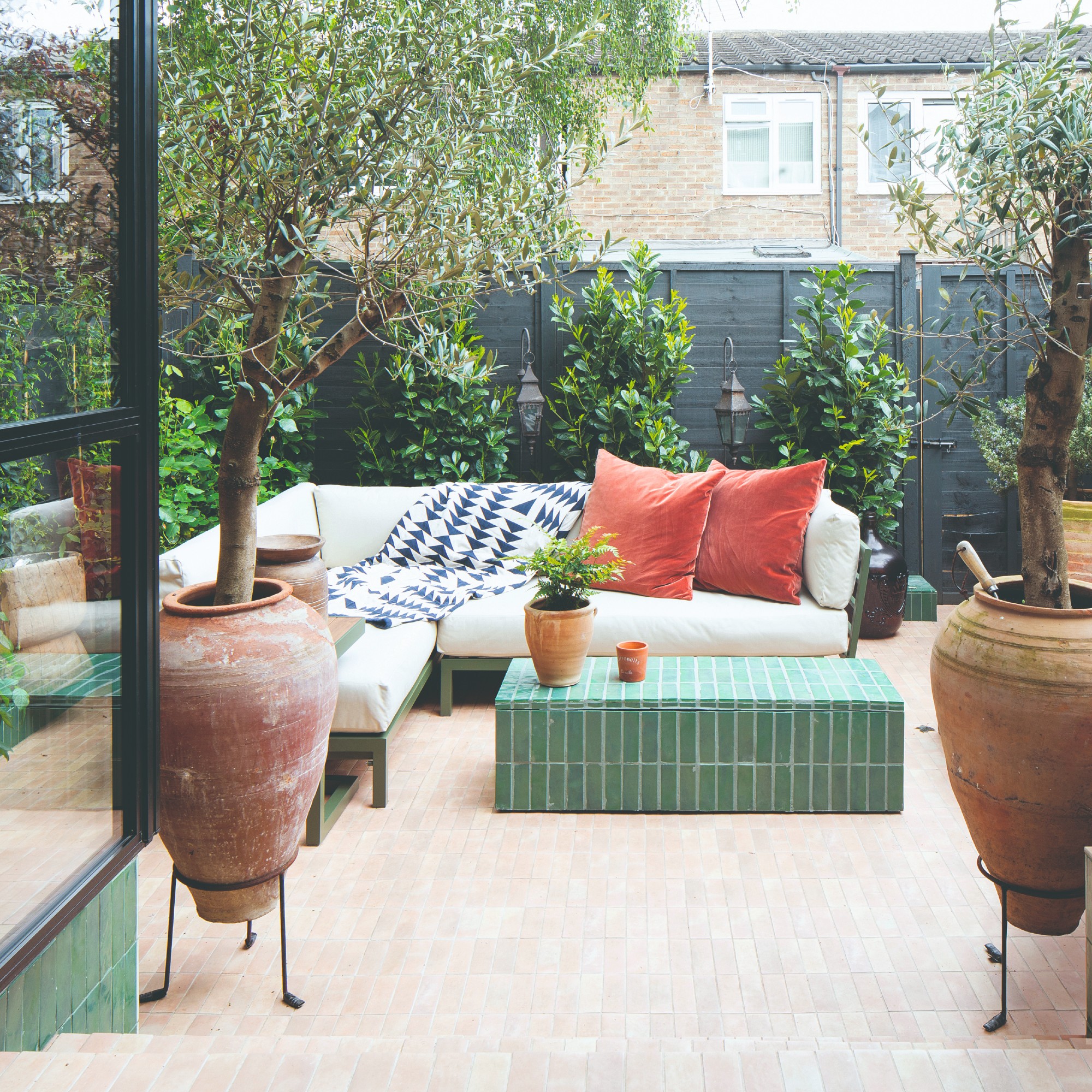
Credit: www.idealhome.co.uk
Frequently Asked Questions
How Do I Safely Remove Algae From Garden Furniture?
Use a mixture of water and mild detergent to scrub algae gently. Avoid harsh chemicals to protect furniture surfaces. Rinse thoroughly and dry completely to prevent regrowth and damage.
What Natural Remedies Remove Algae From Outdoor Furniture?
White vinegar and baking soda are effective natural cleaners. Apply vinegar, scrub with a brush, then rinse. These options are eco-friendly and safe for most materials.
Can Pressure Washing Clean Algae Off Garden Furniture?
Yes, pressure washing removes algae quickly but use low pressure. High pressure may damage delicate furniture surfaces. Test a small area first to avoid harm.
How Often Should I Clean Algae From Garden Furniture?
Clean your garden furniture every 2-3 months during damp seasons. Regular maintenance prevents algae buildup and extends furniture life. Immediate cleaning after rain helps reduce algae growth.
Conclusion
Removing algae from garden furniture keeps it clean and safe. Regular cleaning stops algae from growing back fast. Use gentle scrubbing with soap and water for good results. Avoid harsh chemicals that can damage your furniture. Dry the furniture well after cleaning to prevent moisture.
A clean garden space feels fresh and inviting. Keep your outdoor area ready for relaxing or fun times. Simple care extends your furniture’s life and beauty. Try these easy steps to enjoy your garden more.