Are you tired of finding your outdoor furniture covered in dog hair or scratched up after your furry friend’s playtime? Keeping dogs off outdoor furniture can feel like a constant battle, but it doesn’t have to be.
Imagine enjoying your patio without worrying about damage or mess every time your dog hops up. You’ll discover simple, effective ways to protect your furniture while keeping your dog happy and safe. Keep reading to learn how you can create a peaceful outdoor space for both you and your pet.
Credit: www.amazon.ca
Reasons Dogs Love Outdoor Furniture
Dogs are drawn to outdoor furniture for many reasons. It offers a special place that feels safe and cozy.
Understanding why dogs like outdoor furniture helps you keep them off it. Let’s explore some key reasons.
Comfort And Warmth
Outdoor furniture often has soft cushions or warm surfaces. Dogs love lying on these comfy spots.
The warmth from the sun or cozy fabric makes furniture a perfect resting place for dogs.
Scent Marking
Dogs use scent to mark their territory. Outdoor furniture holds many smells from people and pets.
By sitting on furniture, dogs leave their scent and feel more secure in their space.
Seeking Attention
Dogs want to be close to their owners. Outdoor furniture is often where people relax.
They jump on the furniture to get attention and feel part of the family activities.

Credit: funnyfuzzy.com
Training Techniques To Deter Dogs
Keeping dogs off outdoor furniture protects your belongings and keeps your space clean. Training your dog takes patience and clear communication.
Using simple techniques helps your dog learn what is allowed and what is not. This guide covers easy ways to train your dog.
Consistent Commands
Use the same words every time you tell your dog to stay off the furniture. Consistency helps dogs understand what you expect.
Pick a short command like "off" or "no." Say it firmly but kindly whenever your dog tries to climb on the furniture.
- Choose one clear command
- Use it every time without changing words
- Speak calmly but firmly
- Practice often in different situations
Positive Reinforcement
Reward your dog when they follow your command and stay off the furniture. This helps them learn good behavior.
Use treats, praise, or petting to show your dog they did the right thing. Rewards make training easier and fun.
- Give a treat right after good behavior
- Use happy words like "good dog"
- Offer petting or a favorite toy
- Be consistent with rewards
Using Deterrent Sounds
Use sounds that dogs dislike to stop them from jumping on furniture. This helps get their attention quickly.
Try clapping your hands, shaking a can with coins, or using a whistle. Stop the sound as soon as your dog moves away.
- Use loud but safe sounds
- Make the sound when dog approaches furniture
- Stop the sound when dog moves away
- Do not scare or hurt your dog
Physical Barriers And Furniture Protection
Outdoor furniture can be a favorite spot for dogs. Keeping dogs off the furniture helps protect it. Physical barriers and special protection tools work well.
These simple steps stop damage and keep outdoor areas clean. Using covers, guards, fences, and sprays makes a big difference.
Pet Covers And Furniture Guards
Pet covers protect furniture from dirt, hair, and scratches. They are easy to put on and remove. Covers made from durable fabric work best.
Furniture guards add a layer of protection. They stop dogs from chewing or sitting on the edges. Guards come in different shapes and sizes.
- Use waterproof pet covers to keep furniture dry.
- Choose guards that fit your furniture type.
- Secure covers and guards tightly to avoid slips.
Fencing And Gates
Fences and gates create a clear boundary for dogs. They keep dogs away from outdoor furniture areas. This method is safe and effective.
Use tall fences or gates with secure locks. The barriers should be strong enough to hold excited dogs. This limits access without hurting pets.
- Install fences around patios or decks.
- Use gates to block furniture zones.
- Check fences regularly for damage or gaps.
Using Repellent Sprays
Repellent sprays keep dogs away by using smells they dislike. These sprays are safe and do not harm pets. Apply sprays to furniture or nearby areas.
Test sprays on a small fabric area first. Reapply sprays after rain or cleaning. Repellents help train dogs to avoid furniture.
- Choose pet-safe, non-toxic sprays.
- Spray furniture edges and legs.
- Use regularly for best results.
&qlt=85&resMode=sharp2&op_usm=1.75,0.3,2,0)
Credit: www.orvis.com
Alternative Comfortable Spaces For Dogs
Dogs often jump on outdoor furniture because they want a cozy place to rest. Giving them their own comfy spaces outside can keep them off your furniture. This helps protect your furniture and keeps your dog happy.
There are many ways to create inviting outdoor spots for your dog. These spots should be comfortable, safe, and fun. This guide covers cozy beds, shaded areas, and outdoor toys for dogs.
Creating Cozy Dog Beds
A soft bed outside gives your dog a special place to relax. Choose weather-resistant materials to keep the bed dry and clean. Place the bed in a quiet spot away from strong winds.
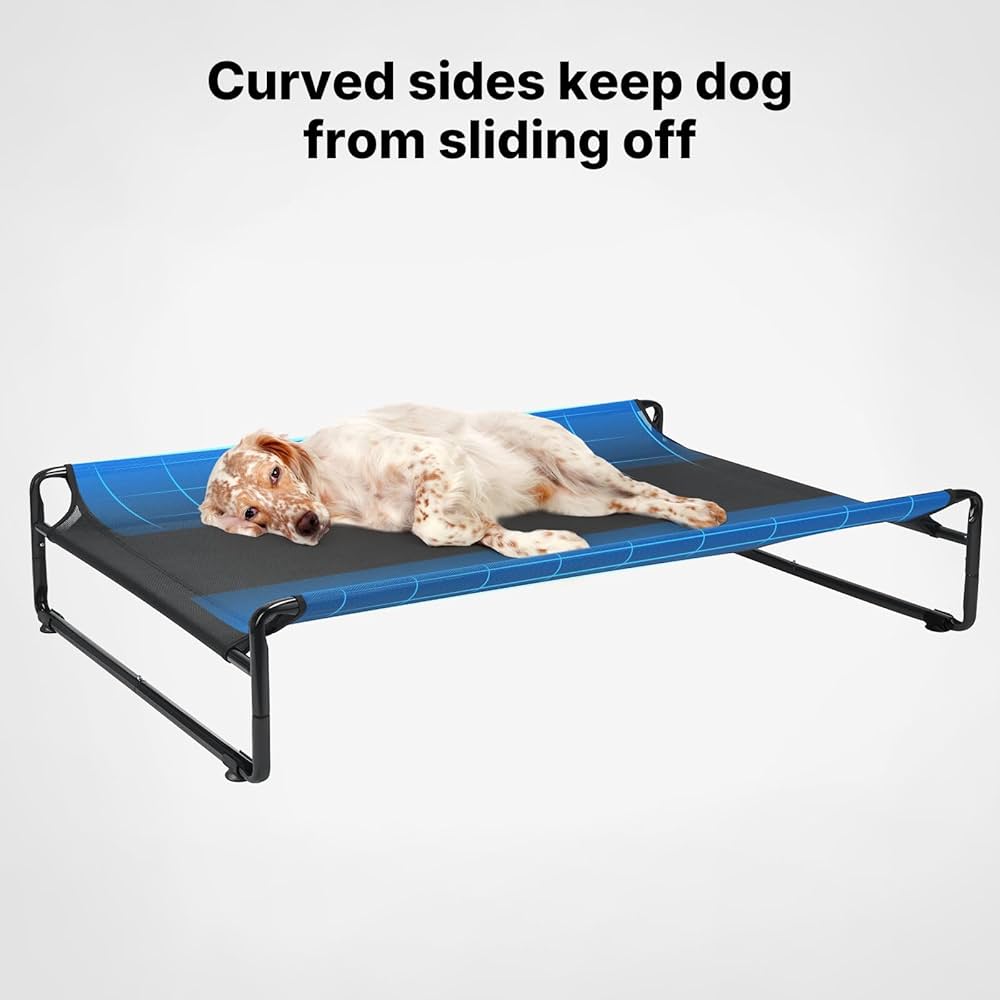
Use cushions or blankets designed for pets. Make sure the bed is big enough for your dog to stretch out. Adding a raised edge can give your dog a sense of security.
- Pick waterproof covers for easy cleaning
- Use padding to keep the bed soft
- Place the bed on a flat surface
- Check the bed regularly for wear
Shaded Outdoor Zones
Dogs need protection from the sun while outside. Create shaded areas with umbrellas, tents, or natural trees. Shade helps keep your dog cool and comfortable.
Place your dog’s bed or resting spot in the shade. Make sure the shade moves as the sun changes. This keeps the area cool all day long.
- Use a canopy or shade sail for large areas
- Plant bushes or small trees for natural shade
- Set up a doghouse with good ventilation
- Check for shaded spots throughout the day
Interactive Outdoor Toys
Outdoor toys keep dogs busy and happy. Toys that move or make noise can distract your dog from furniture. Use toys that are safe and made for outdoor use.
Rotate the toys to keep your dog interested. Choose toys that encourage exercise and play. This helps your dog enjoy time outside without jumping on furniture.
- Use balls and frisbees for fetch games
- Try treat-dispensing toys for mental play
- Include chew toys to satisfy chewing needs
- Supervise playtime to keep toys safe
Lifestyle Adjustments To Reduce Furniture Access
Dogs often climb on outdoor furniture out of boredom or habit. Changing daily routines helps keep them off the furniture. Simple lifestyle adjustments can make a big difference.
These changes focus on giving your dog proper attention and activities. This reduces their need to explore or jump on outdoor furniture.
Scheduled Outdoor Time
Setting regular times for your dog to be outside helps control their behavior. Dogs feel more secure with a routine. This lowers the chance they will jump on furniture.
Try to take your dog out at the same times every day. Consistent outdoor time can reduce restlessness and curiosity about furniture.
Supervised Play Sessions
Watch your dog closely during outdoor play. Supervision prevents unwanted furniture climbing. You can gently redirect your dog to toys or open spaces.
Use playtime to teach your dog where it is okay to be. Positive attention during play helps your dog learn good habits.
- Bring favorite toys outside
- Use commands like "off" gently
- Reward your dog when they avoid furniture
Regular Exercise And Mental Stimulation
Dogs need both physical and mental exercise to stay happy. Tired dogs less often climb on furniture. Exercise includes walks, runs, and play.
Mental activities like puzzle toys or training keep your dog's mind busy. This reduces boredom, a common reason for furniture climbing.
- Take daily walks or runs
- Use treat puzzles or chew toys
- Practice simple commands outdoors
Frequently Asked Questions
How Can I Prevent Dogs From Jumping On Furniture?
Use deterrents like pet-safe sprays to keep dogs away. Train your dog with commands like "off" or "down. " Provide comfortable alternatives like a dog bed nearby. Consistent training and positive reinforcement are key. Cover outdoor furniture with protective covers when not in use.
What Are Dog-friendly Furniture Alternatives?
Consider providing a designated dog bed or mat. Choose materials like durable outdoor fabrics for their comfort. Elevated dog beds are great for airflow and comfort. Ensure the alternative is placed in a shaded area. Regularly clean and maintain these alternatives for hygiene.
Are There Scents That Repel Dogs From Furniture?
Yes, dogs dislike certain scents like citrus, vinegar, and chili. Use these scents in diluted sprays on furniture. Ensure sprays are non-toxic and pet-safe. Reapply regularly to maintain effectiveness. Always test a small area first to avoid damage.
Why Do Dogs Like Sitting On Outdoor Furniture?
Dogs enjoy outdoor furniture for comfort and warmth. They seek higher vantage points to observe their surroundings. Furniture often carries familiar scents of their owners. Dogs may also mimic human behaviors. Providing alternatives can help redirect this behavior.
Conclusion
Keeping dogs off outdoor furniture takes patience and consistency. Use clear boundaries and gentle training every day. Provide your dog with their own comfortable space outside. Protect your furniture with covers or sprays dogs dislike. Remember, kindness helps dogs learn better and faster.
Small steps lead to big changes over time. Enjoy your clean, pet-friendly outdoor space together.