Are you wondering how long your memory foam topper will really last? You’ve probably invested in one to improve your sleep, and now you want to know when it might lose its comfort and support.
Understanding the lifespan of your memory foam topper can save you money and help you get the best rest every night. You’ll discover the key factors that affect its durability and learn simple tips to extend its life. Keep reading to make sure your sleep stays cozy for years to come.
Factors Affecting Memory Foam Topper Lifespan
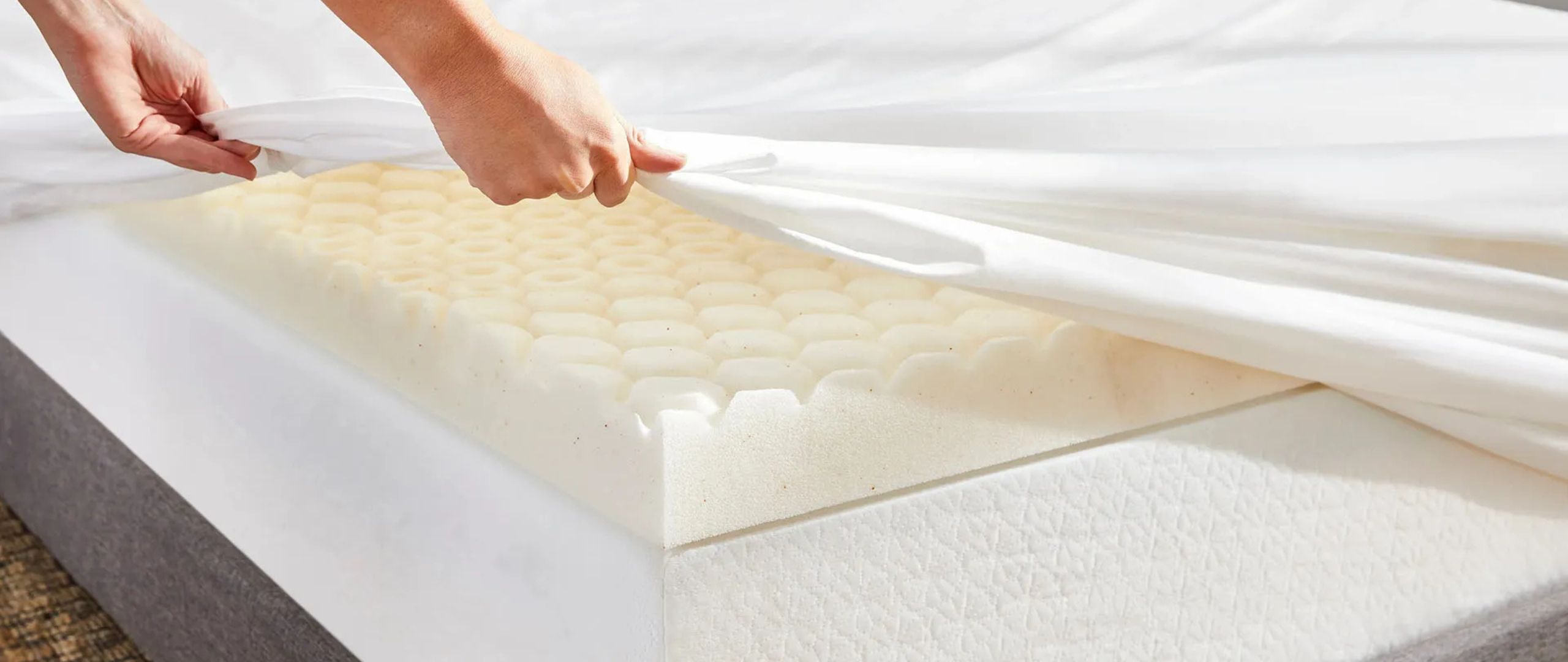
Memory foam toppers improve mattress comfort. Their lifespan varies based on several factors. Understanding these factors helps you get the best use.
Knowing what affects the topper’s durability can help you maintain it well. Let’s explore the main factors that influence how long your memory foam topper lasts.
Quality Of Materials
High-quality memory foam lasts longer. It keeps its shape and support better than low-quality foam. Cheaper materials may break down faster.
Look for toppers made with dense, durable foam. These use better chemical blends and manufacturing processes. They resist sagging and crumbling.
Thickness And Density
Thicker toppers usually last longer because they have more material. Thinner toppers wear out faster under pressure. Density also matters.
Foam density means how much foam is packed per cubic foot. Higher density means firmer and more durable foam. Lower density breaks down quicker.
- Low density: 2 to 3 pounds per cubic foot, less durable
- Medium density: 3 to 5 pounds, balanced durability and comfort
- High density: 5+ pounds, very durable and supportive
Usage Frequency
How often you use the topper affects its lifespan. Daily use causes faster wear than occasional use. Pressure and body weight also impact durability.
Memory foam compresses with heavy or constant pressure. If used by multiple people or for long hours, it may lose shape sooner.
Care And Maintenance
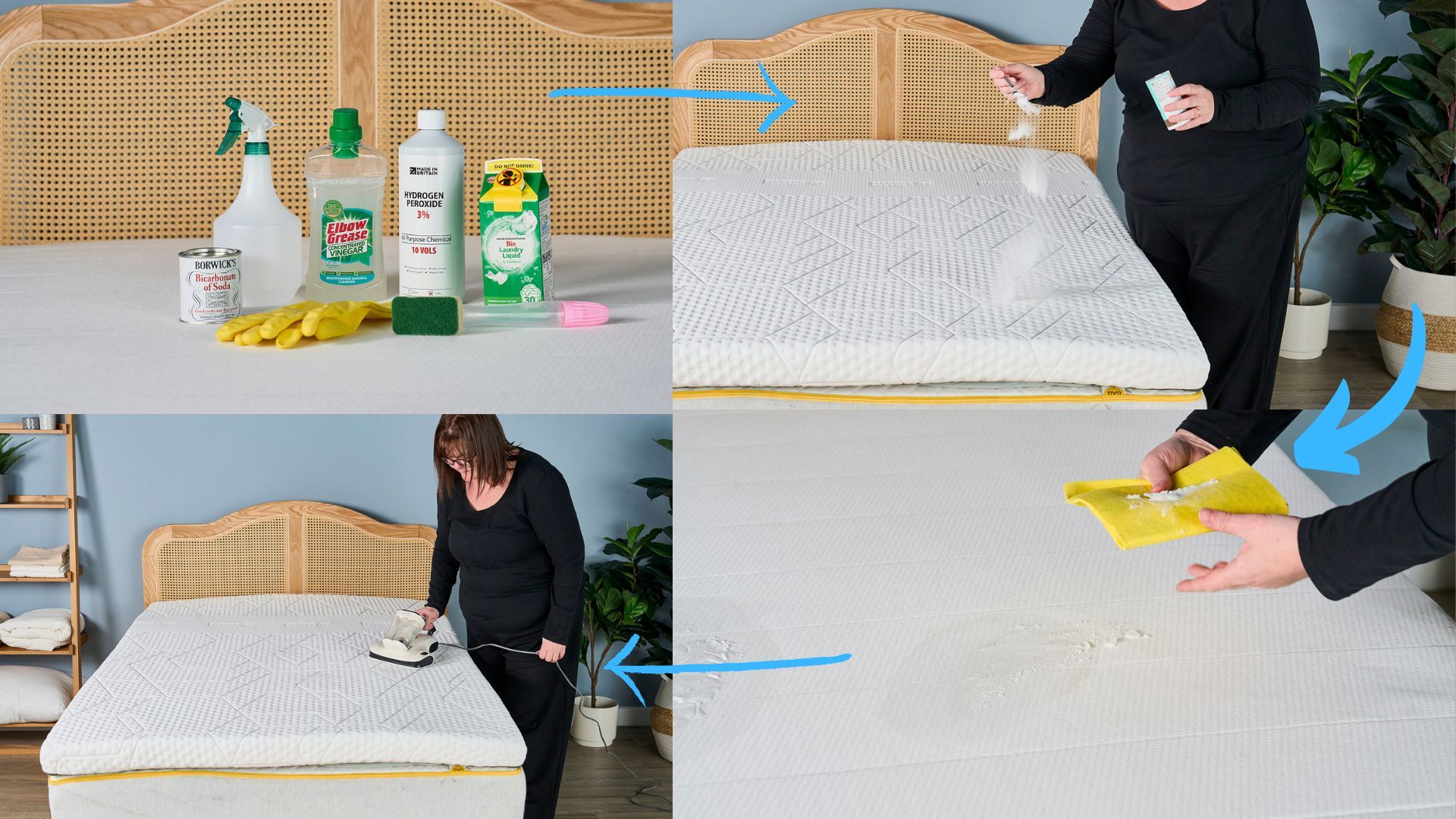
Proper care helps memory foam toppers last longer. Regular cleaning and rotating prevent uneven wear and dirt buildup. Avoid moisture to stop mold growth.
- Vacuum regularly to remove dust
- Spot clean stains with mild detergent
- Rotate topper every few months
- Keep away from direct sunlight and heat
- Use a mattress protector for added defense
Average Lifespan Of Memory Foam Toppers
Memory foam toppers add comfort to your mattress. They help improve sleep quality by adding a soft layer. Many people want to know how long these toppers last.
The lifespan depends on use, quality, and care. Knowing when to replace your topper keeps your bed comfortable.
Typical Duration In Years
Most memory foam toppers last about 3 to 5 years. High-quality toppers may last up to 7 years. Low-quality ones can wear out faster, around 2 years.
Heavy use or poor care can shorten the life. Light use and regular cleaning help toppers last longer.
- Average lifespan: 3-5 years
- High quality: up to 7 years
- Low quality: about 2 years
- Heavy use shortens life
- Good care extends life
Signs Of Wear And Tear
Look for changes in comfort to spot wear. Memory foam that no longer springs back is worn out. You may feel lumps or uneven areas.
Other signs include a bad smell and visible damage. These signs mean it is time to replace the topper.
- Foam does not return to shape
- Lumps or uneven spots
- Loss of softness
- Unpleasant odors
- Visible tears or cracks
Extending Memory Foam Topper Life
Memory foam toppers add comfort to your mattress. Taking care of them helps them last longer.
Simple habits can keep your topper fresh and supportive for many years.
Proper Cleaning Techniques
Cleaning your memory foam topper correctly prevents damage. Avoid soaking or harsh chemicals.
Use mild soap and water with a soft cloth. Spot clean stains gently and let it air dry.
- Vacuum regularly to remove dust and dirt
- Spot clean with mild detergent
- Do not machine wash or dry
- Allow to dry fully before use
Regular Rotation
Rotating your topper helps it wear evenly. This keeps the foam from sagging in one spot.
Turn it end to end every few months. Flip it over if the design allows.
- Rotate every 3 to 6 months
- Flip if the topper is double-sided
- Check for uneven areas while rotating
Using Protective Covers
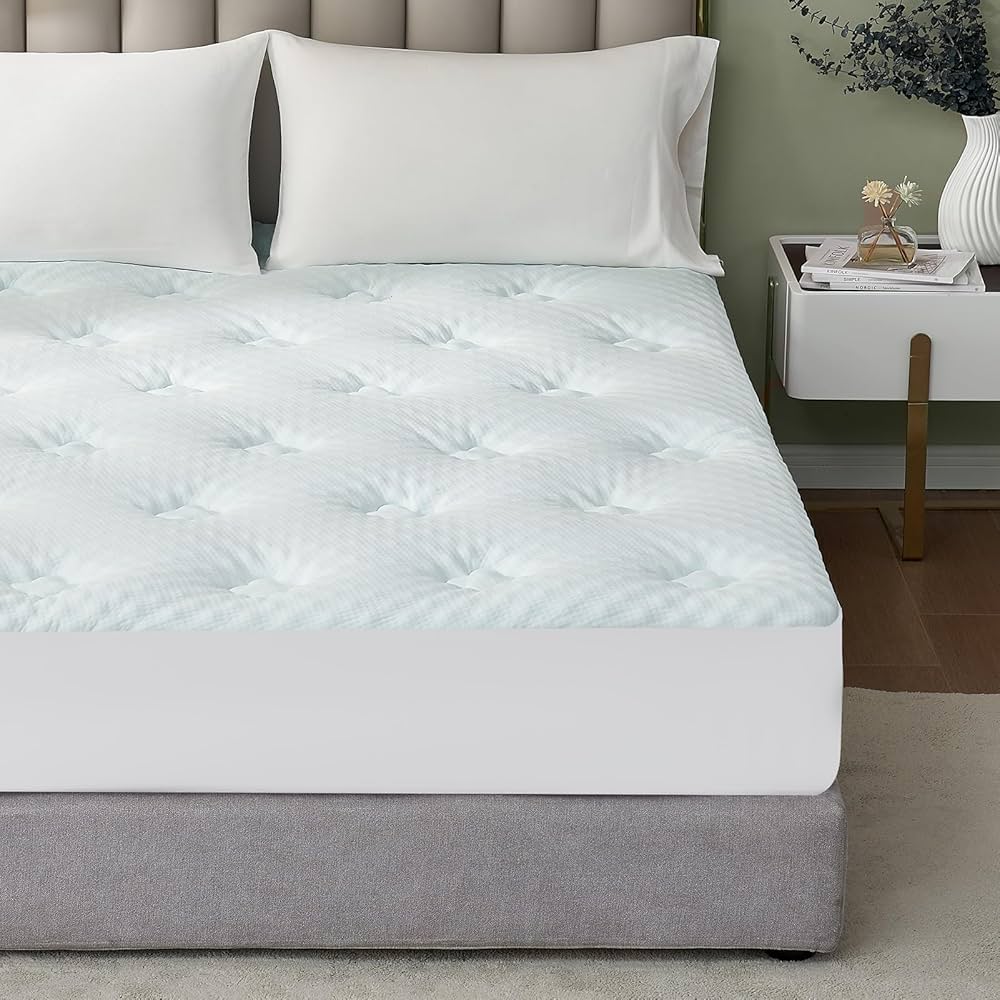
Protective covers guard the topper from spills and stains. They keep it clean and dry.
Choose covers that are breathable and washable. This helps prevent moisture buildup and odors.
- Use a waterproof or water-resistant cover
- Pick breathable fabrics like cotton
- Wash covers regularly to stay fresh
Credit: www.tomsguide.com
When To Replace Your Memory Foam Topper
Memory foam toppers improve mattress comfort. They do not last forever. Knowing when to replace them helps you sleep better.
Several signs show it is time to get a new memory foam topper. Look for changes in comfort, damage, or smell.
Comfort And Support Decline
Memory foam softens with use. It loses its ability to support your body well. You may feel more pressure points or aches.
If your topper feels flat or uneven, it does not give good support. This means it is time for a replacement.
- Topper feels less soft or too firm
- You wake up with pain or stiffness
- Foam does not bounce back after use
Visible Damage
Check your topper for tears, cracks, or holes. These damages reduce comfort and can get worse over time.
Broken foam pieces inside the topper also mean you should replace it. Damage lowers the lifespan and feels uncomfortable.
- Rips or tears on the cover or foam
- Foam crumbles or breaks apart
- Uneven surface or lumps
Odor And Hygiene Issues
Memory foam can absorb sweat, dust, and smells. Over time, these odors may not go away with cleaning.
If your topper smells bad or looks stained, it may affect your sleep quality. Bad hygiene is a sign to replace it.
- Persistent unpleasant smells
- Visible stains or discoloration
- Allergy or skin irritation symptoms
Comparing Memory Foam To Other Mattress Toppers
Memory foam toppers are popular for comfort and support. Many people wonder how long they last compared to other toppers.
This guide looks at how memory foam holds up against different mattress toppers. We focus on durability and cost versus lifespan.
Durability Differences
Memory foam toppers usually last 3 to 5 years. They keep their shape well and resist sagging.
Other toppers like latex can last longer, around 5 to 7 years. Feather and down toppers tend to wear out faster, about 1 to 2 years.
- Memory foam: 3-5 years
- Latex: 5-7 years
- Feather/down: 1-2 years
- Polyester: 1-3 years
Cost Vs. Longevity
Memory foam toppers cost more than basic polyester but less than latex. Their lifespan offers good value for comfort.
Latex toppers cost the most but last the longest. Feather and polyester toppers are cheaper but wear out quickly.
| Topper Type | Average Cost | Typical Lifespan | Value |
|---|---|---|---|
| Memory Foam | Medium | 3-5 years | Good balance |
| Latex | High | 5-7 years | High value if budget allows |
| Feather/Down | Low to Medium | 1-2 years | Low |
| Polyester | Low | 1-3 years | Low |
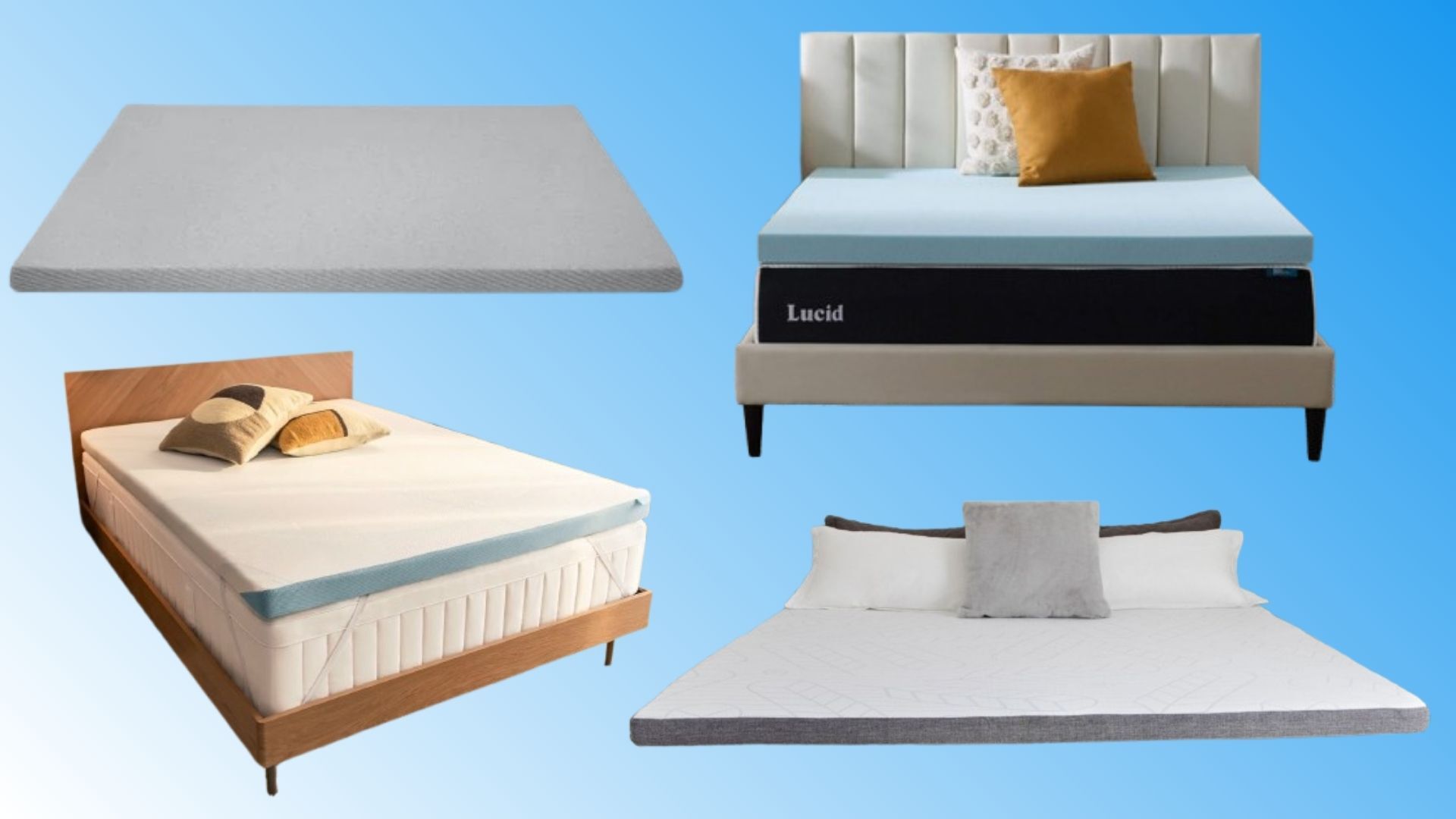
Credit: www.tomsguide.com

Credit: www.turmerry.com
Frequently Asked Questions
How Long Do Memory Foam Toppers Typically Last?
Memory foam toppers usually last between 3 to 5 years. Longevity depends on usage and care. Regular maintenance, such as rotating and airing out, can extend their lifespan. Investing in a high-quality topper can also ensure a longer-lasting product.
What Affects The Lifespan Of A Memory Foam Topper?
The lifespan of a memory foam topper is affected by usage, weight, and care. Frequent use, heavier weight, and lack of maintenance can shorten its life. Proper care, including regular cleaning and rotation, can help maintain its condition.
How Can I Extend My Memory Foam Topper's Life?
To extend your memory foam topper's life, rotate it regularly and use a mattress protector. Avoid jumping or placing heavy objects on it. Clean it periodically by airing it out and spot-cleaning any stains.
When Should I Replace My Memory Foam Topper?
Replace your memory foam topper when it loses support or becomes uncomfortable. Signs include sagging, lumps, or persistent odors. Typically, replacement is needed every 3 to 5 years, but it varies based on individual use and care.
Conclusion
Memory foam toppers usually last about 3 to 5 years. Their lifespan depends on use and care. Regular cleaning helps keep them fresh and comfy. Avoid heavy weight to prevent quick wear. Choose a good quality topper for longer use.
Replace it when you feel less support or sagging. A well-maintained topper can improve your sleep for years. Keep these tips in mind to enjoy comfort longer. Simple care makes a big difference in durability.