Are you tired of waking up with aches and pains? Your mattress might be the reason.
A memory foam bed could be the solution you've been searching for. But what exactly is a memory foam bed, and how can it change the way you sleep? Keep reading to discover how this special mattress adapts to your body, supports your spine, and helps you get the deep, restful sleep you deserve.
Understanding this could be the key to transforming your nights—and your days.
Credit: myessentia.com
Memory Foam Basics
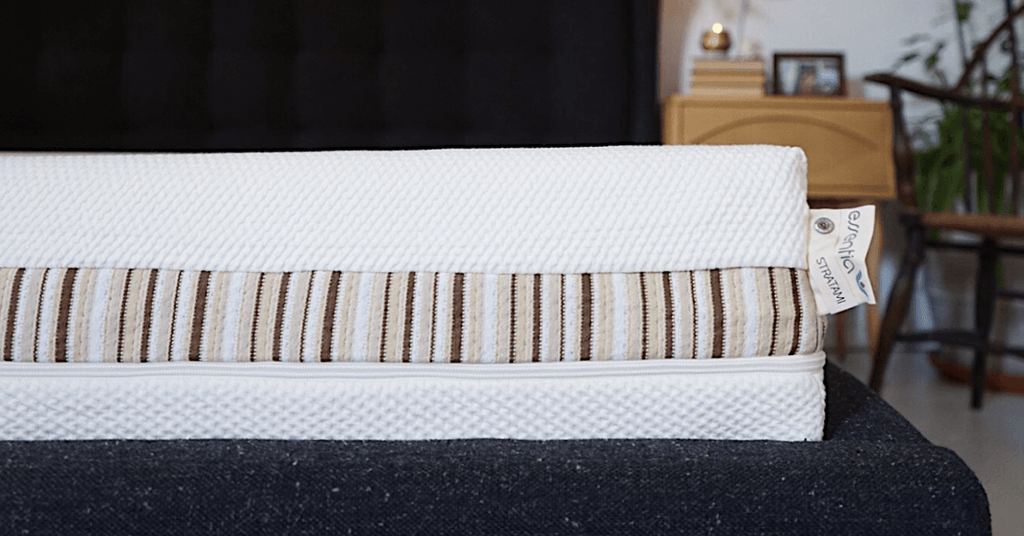
A memory foam bed uses a special type of foam that molds to your body. It feels soft but also supports your shape.
This foam reacts to heat and pressure, making it popular for better sleep comfort.
Material Composition
Memory foam is made from polyurethane and other chemicals. These chemicals give it its unique soft and slow response.
The foam has tiny open cells. These cells help the foam compress and bounce back slowly.
How It Works
The foam reacts to your body heat and weight. It softens and shapes to your body as you lie down.
This helps reduce pressure points on your body. It supports your spine by keeping it aligned.
Types Of Memory Foam
There are several types of memory foam. Each type offers different feel and support levels.
- Traditional Memory Foam: Soft and molds slowly to the body.
- Gel-Infused Memory Foam: Contains gel to keep the mattress cool.
- Plant-Based Memory Foam: Uses natural oils to replace some chemicals.
- Open-Cell Memory Foam: Has more air pockets for better breathability.
Comfort Benefits
A memory foam bed shapes to your body for a cozy sleep. It offers many comfort benefits that help you rest well.
These beds reduce pressure, support your spine, and limit motion disturbance. Let’s explore these benefits.
Pressure Relief
Memory foam spreads your body weight evenly. It stops pressure points from forming on shoulders and hips.
This relief helps reduce pain and soreness. You wake up feeling refreshed and less stiff.
- Distributes weight to avoid pressure spots
- Reduces pain in sensitive areas
- Improves blood flow for better rest
Support And Alignment
Memory foam supports your body’s natural shape. It keeps your spine aligned while you sleep.
Good alignment reduces back pain and improves posture. Your body stays in a healthy position all night.
- Conforms to your body curves
- Keeps spine straight and aligned
- Helps prevent aches and pains
Motion Isolation
Memory foam absorbs movement to stop it from spreading. You won’t feel your partner move at night.
This makes sleeping easier for couples. Less disturbance means deeper and longer sleep.
- Reduces motion transfer between sleepers
- Improves sleep quality for partners
- Minimizes wake-ups from tossing and turning
Health And Sleep Quality
A memory foam bed can improve your health and sleep quality. It supports your body and helps you rest well.
This type of mattress adapts to your shape, easing pressure points and promoting better sleep.
Reducing Pain And Discomfort
Memory foam molds to your body, reducing stress on joints and muscles. It can help ease back and neck pain.
By spreading your weight evenly, it lowers the chance of waking up with aches or stiffness.
Allergy Resistance
Memory foam is resistant to dust mites and allergens. This makes it a good choice for people with allergies.
The dense material blocks common irritants, helping you breathe easier while you sleep.
Temperature Regulation
Some memory foam beds have cooling technology to control heat. This helps keep your body temperature balanced.
Good temperature regulation reduces night sweats and helps you stay comfortable all night.
Choosing The Right Memory Foam Bed
Memory foam beds offer comfort and support by molding to your body. Picking the right one improves your sleep quality.
Think about your personal needs before buying. This helps you find a bed that fits your body and sleep style.
Density And Firmness Levels
Memory foam density shows how much material is in the foam. Higher density means better support and durability.
Firmness affects how soft or hard the bed feels. Choose firmness based on your comfort and body type.
- Low density: softer, less support, less durable
- Medium density: good balance of comfort and support
- High density: firm, strong support, lasts longer
- Soft firmness: suits side sleepers
- Medium firmness: good for combination sleepers
- Firm: best for back and stomach sleepers
Size And Thickness Options
Memory foam beds come in many sizes, from twin to king. Pick a size that fits your room and sleeping habits.
Thickness impacts comfort and support. Thicker beds usually offer better pressure relief but cost more.
- Standard sizes: Twin, Full, Queen, King
- Common thickness: 6 to 12 inches
- Thicker beds suit heavier people
- Thinner beds work for lighter sleepers or bunk beds
Budget Considerations
Memory foam beds have different prices. Set a budget before shopping to narrow your choices.
Higher price usually means better materials and longer life. Look for the best value within your budget.
- Basic models: affordable but less durable
- Mid-range: good quality and comfort
- Premium: high density, extra features, longer warranty
- Watch for sales and discounts
Maintenance And Longevity
Memory foam beds give great comfort and support. Taking care of them keeps them fresh and lasting longer.
Good maintenance helps avoid damage and keeps the bed in top shape for years.
Cleaning Tips
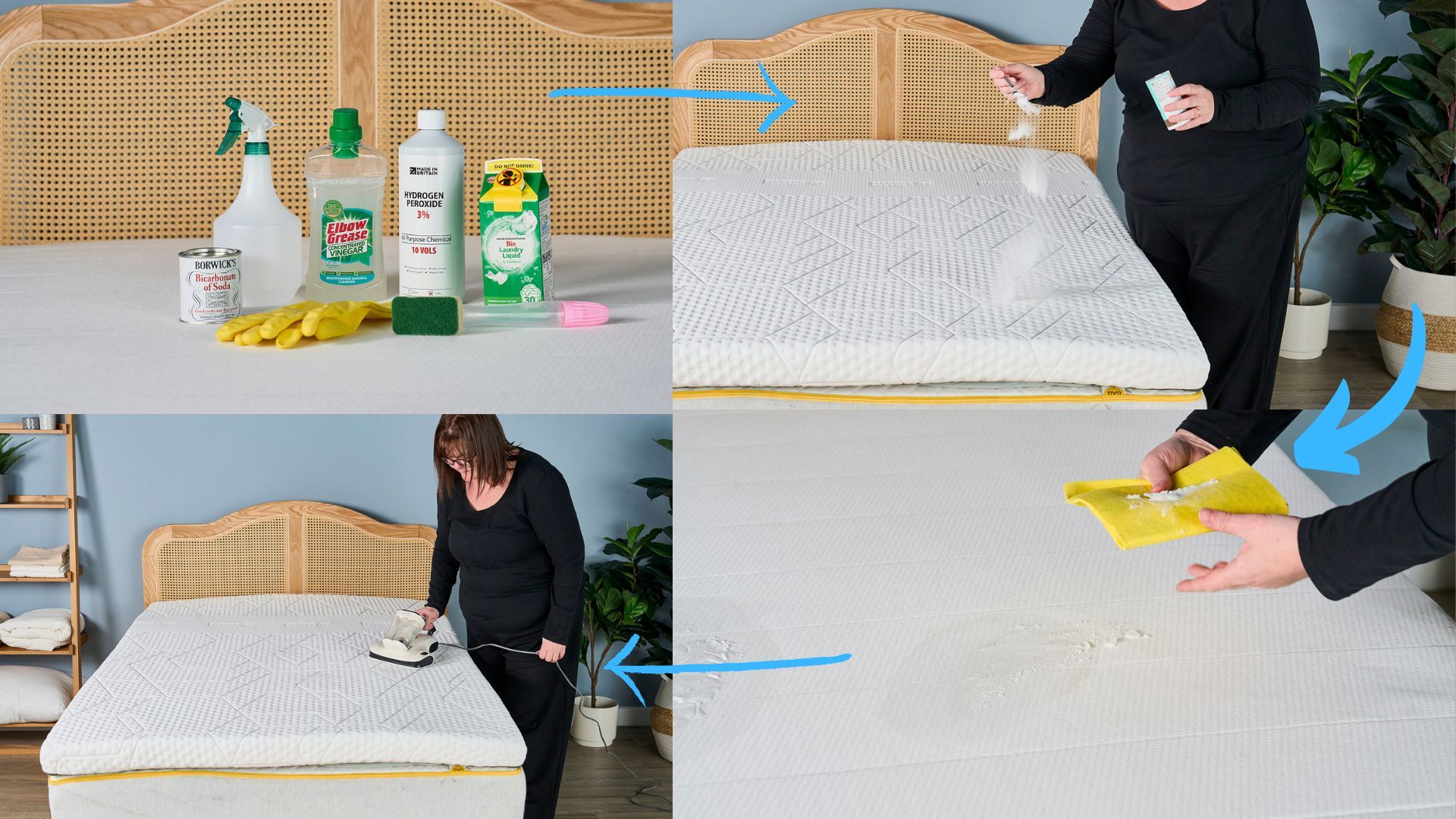
Cleaning your memory foam bed regularly stops dust and sweat from building up. Use gentle methods to avoid damage.
- Remove the cover and wash it as the label says
- Spot clean stains with mild soap and water
- Use a vacuum with a soft brush to clean the foam surface
- Keep the mattress dry to avoid mold and mildew
- Avoid harsh chemicals and soaking the foam
Extending Mattress Life
Proper use and care help your memory foam bed last longer. Small actions make a big difference.
- Use a mattress protector to guard against spills and dirt
- Rotate the mattress every 3 to 6 months to prevent uneven wear
- Keep pets off the bed to avoid damage from claws and hair
- Air the mattress occasionally by removing sheets and letting it breathe
- Avoid jumping or standing on the mattress to protect the foam
Signs To Replace
Knowing when to replace your mattress helps you sleep well and avoid pain. Watch for these signs.
- The mattress feels lumpy or uneven
- You wake up with aches or stiffness
- There are visible tears or foam breakdown
- The mattress sags or loses shape
- You notice increased allergies or odors

Credit: customsizebeds.co.uk
Credit: www.amazon.com
Frequently Asked Questions
What Is A Memory Foam Bed Made Of?
A memory foam bed is made of viscoelastic foam. This foam responds to heat and pressure, molding to the sleeper's shape. It provides excellent support and pressure relief. The material is known for its durability and comfort, making it a popular choice for mattresses.
How Does Memory Foam Improve Sleep Quality?
Memory foam improves sleep by contouring to your body. This reduces pressure points and improves spinal alignment. It also minimizes motion transfer, allowing for undisturbed sleep. These qualities contribute to better sleep quality and overall comfort.
Is A Memory Foam Bed Good For Back Pain?
Yes, memory foam beds are good for back pain. They provide excellent support and contouring to the body. This helps in maintaining proper spinal alignment and reduces pressure on the back. Many people with back pain find relief using memory foam mattresses.
How Long Does A Memory Foam Bed Last?
A memory foam bed typically lasts 7 to 10 years. Its durability depends on the quality of the foam and usage. Proper care and maintenance can extend its lifespan. Regularly rotating the mattress also helps in maintaining its shape and longevity.
Conclusion
A memory foam bed offers comfort by shaping to your body. It helps reduce pressure points for better sleep. Many people find it good for back and joint pain. This type of mattress can last several years with care. Choosing the right bed improves your rest and daily energy.
Think about your needs before buying a memory foam mattress. Sleep well, feel better, and enjoy your nights more.