Are you tired of finding your outdoor furniture scratched, dirty, or even damaged by stray cats? You’re not alone.
Stray cats love to lounge on patios and garden chairs, turning your relaxing space into their personal playground. But what if you could enjoy your outdoor area without worrying about unwanted feline visitors? You’ll discover simple and effective ways to keep stray cats off your outdoor furniture—methods that protect your space and keep the cats safe too.
Keep reading, and you’ll learn how to take back your outdoor comfort today.
Common Reasons Cats Target Furniture
Cats often choose outdoor furniture as a spot to rest or explore. Understanding why they do this helps find ways to keep them away.
Many cats look for comfort, mark their territory, or satisfy their curiosity. These reasons explain why furniture is a favorite place for them.
Shelter And Comfort
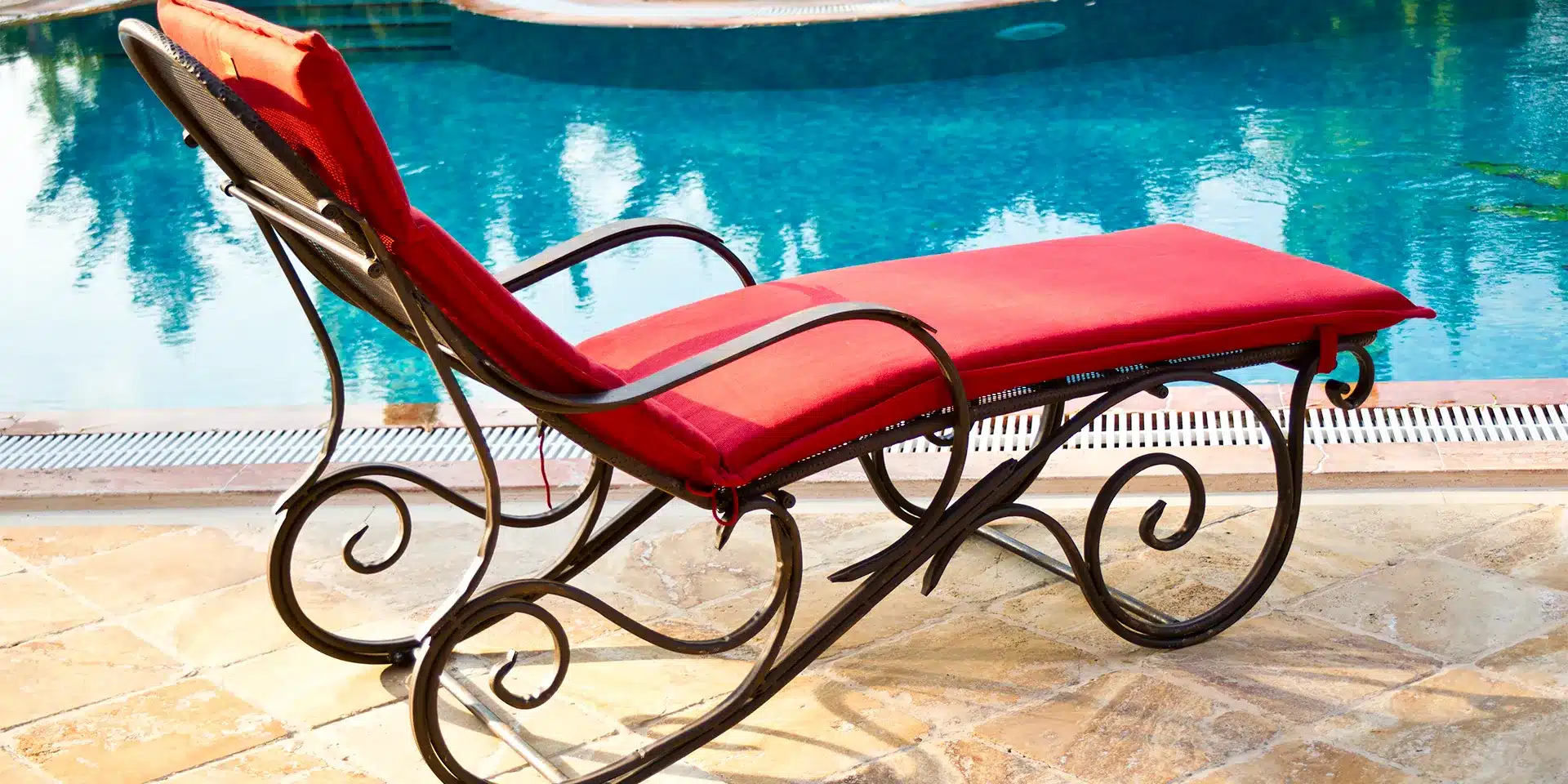
Outdoor furniture offers cats a cozy shelter from weather. They like soft cushions and shaded areas to relax.
Furniture can feel safe and warm, making it a perfect resting spot for stray cats. They may also hide there from other animals or noise.
Scent Marking
Cats use scent to mark places as their own. Furniture is an easy target to leave their scent behind.
This marking helps cats feel more secure and tells other cats to stay away. Scratching furniture also spreads their scent.
- Rubbing their face on furniture
- Scratching surfaces
- Spraying urine in some cases
Curiosity And Exploration
Cats are curious animals that like to explore new places. Outdoor furniture is interesting because it has different smells and textures.
They climb, jump, and sniff furniture to learn about their surroundings. This behavior keeps them active and entertained.

Credit: serwalloutdoor.com
Physical Barriers To Protect Furniture
Stray cats often jump on outdoor furniture. This can cause damage or leave dirt. Using physical barriers helps keep cats away.
Physical barriers block cats from reaching your furniture. They are safe and easy to install. Here are some effective options.
Using Covers And Tarps
Covers and tarps protect furniture from cats and weather. They create a smooth surface cats do not like. Choose strong, waterproof covers.
Secure covers tightly around furniture. This stops cats from slipping underneath. Clean or replace covers regularly to keep them effective.
Installing Fencing Or Screens
Fencing or screens create a barrier cats cannot cross. Use mesh or wire fences that are tall enough to block jumping. Place fences around seating areas or furniture.
Screens can be added to patios or decks. Choose materials that blend with your outdoor space. Check fences often to fix any gaps or holes.
Applying Deterrent Spikes
Deterrent spikes stop cats from sitting on furniture. They are plastic or rubber spikes that are safe but uncomfortable for cats. Place spikes on flat surfaces like armrests or table tops.
Spikes do not hurt cats but make surfaces hard to use. They work best if combined with covers or screens. Clean spikes regularly to keep them visible and effective.
Scent-based Deterrents
Stray cats often use outdoor furniture as resting spots. Scent-based deterrents can keep them away. Cats dislike certain smells that make them avoid areas.
Using scents is a gentle way to protect your furniture without harming the cats. Different scents work in different ways to discourage cats.
Natural Repellents
Natural repellents use smells from things found around your home or garden. These scents bother cats and stop them from coming near.
Common natural repellents include vinegar, citrus peels, and coffee grounds. These items give off strong smells cats do not like.
- Spray vinegar around furniture legs and cushions
- Scatter orange or lemon peels on your patio
- Sprinkle used coffee grounds near seating areas
Commercial Sprays
Commercial sprays contain scents made to repel cats. You can buy them in garden or pet stores. These sprays are safe and designed for outdoor use.
Apply sprays to furniture surfaces and nearby ground. The smell keeps stray cats away without hurting them. Follow the instructions on the label for best results.
- Look for cat repellent sprays labeled safe for outdoor use
- Spray furniture cushions and frames lightly
- Reapply after rain or watering plants
Herbs And Plants Cats Avoid
Some herbs and plants have scents that stray cats do not like. Planting these near your outdoor furniture helps keep cats away naturally.
These plants also add beauty to your garden while deterring cats. They are easy to grow and maintain.
- Rue – has a strong smell cats avoid
- Lavender – fragrant but disliked by cats
- Peppermint – leaves a scent cats find unpleasant
- Rosemary – aromatic and keeps cats away
- Citronella – known to repel many animals including cats

Credit: www.beanbagsrus.com.au
Sound And Motion Deterrents
Keeping stray cats off outdoor furniture can protect your space. Sound and motion deterrents are useful tools to keep cats away. These devices use noise or movement to scare cats without harming them.
They activate only when cats approach, making them effective and safe. Here are some common sound and motion deterrents you can try.
Ultrasonic Devices
Ultrasonic devices emit high-frequency sounds that cats dislike. These sounds are usually not heard by humans. The noise startles cats and makes them leave the area quickly.
These devices often have motion sensors. They turn on only when a cat comes near. This saves energy and prevents constant noise.
Motion-activated Sprinklers
Motion-activated sprinklers spray water when they detect movement. Cats dislike sudden water sprays and avoid the area. These sprinklers protect your furniture without harming cats.
You can adjust the spray range and sensitivity. This helps target only the areas where cats visit. The sprinklers also help keep other animals away.
- Set the sensor height to match cat size
- Adjust spray distance to cover furniture
- Check water levels regularly
Noise Makers
Noise makers create sudden sounds to scare cats away. These can be wind chimes, bells, or electronic alarms. The unexpected noise makes cats feel unsafe near your furniture.
Placing noise makers near furniture can reduce cat visits. Choose sounds that are loud enough to startle cats but not disturb neighbors.
Alternative Attractions For Cats
Stray cats often climb on outdoor furniture. This can cause damage and discomfort. You can keep cats away by giving them better places to visit.
Creating new attractions helps cats enjoy your yard without bothering your furniture. This guide shows easy ways to do that.
Creating Cat-friendly Zones
Make special areas just for cats in your yard. These zones can include soft grass, low bushes, or safe places to climb.
By giving cats a space to explore, they will prefer it over your furniture. Place the zone away from your seating areas.
- Use natural plants cats like, such as catmint
- Add logs or shelves for climbing
- Keep the area quiet and safe
Providing Shelter And Food Elsewhere
Stray cats visit furniture for comfort and food. Offer a shelter and food station in a different spot outside.
Place a small shelter with soft bedding and fresh water. Feed cats regularly at the shelter to keep them nearby.
- Use a weatherproof shelter box
- Keep food and water clean
- Place shelter in a quiet, hidden spot
Using Catnip And Toys
Catnip and toys attract cats to specific spots. Use these to draw cats away from your furniture.
Sprinkle catnip in the cat-friendly zone. Add toys like balls or dangling strings to keep cats entertained there.
- Use dried or fresh catnip plants
- Provide safe, lightweight toys
- Rotate toys to keep cats interested
Maintenance And Cleaning Tips
Outdoor furniture can attract stray cats. Keeping it clean helps keep cats away. Regular care protects your furniture.
Cleaning and maintenance remove smells and marks left by cats. This makes your space less inviting for them.
Removing Cat Scents
Cats mark places with their scent. Removing these smells stops them from returning. Use safe cleaners to remove odors.
Vinegar and baking soda are good natural options. They neutralize smells without harsh chemicals. Avoid ammonia-based cleaners.
- Spray vinegar solution on furniture and let it dry
- Sprinkle baking soda on cushions and vacuum after 15 minutes
- Use enzyme cleaners designed for pet odors
- Wash removable covers regularly
Regular Furniture Cleaning
Clean your outdoor furniture often. Dirt and food crumbs attract cats. Remove these to keep cats away.
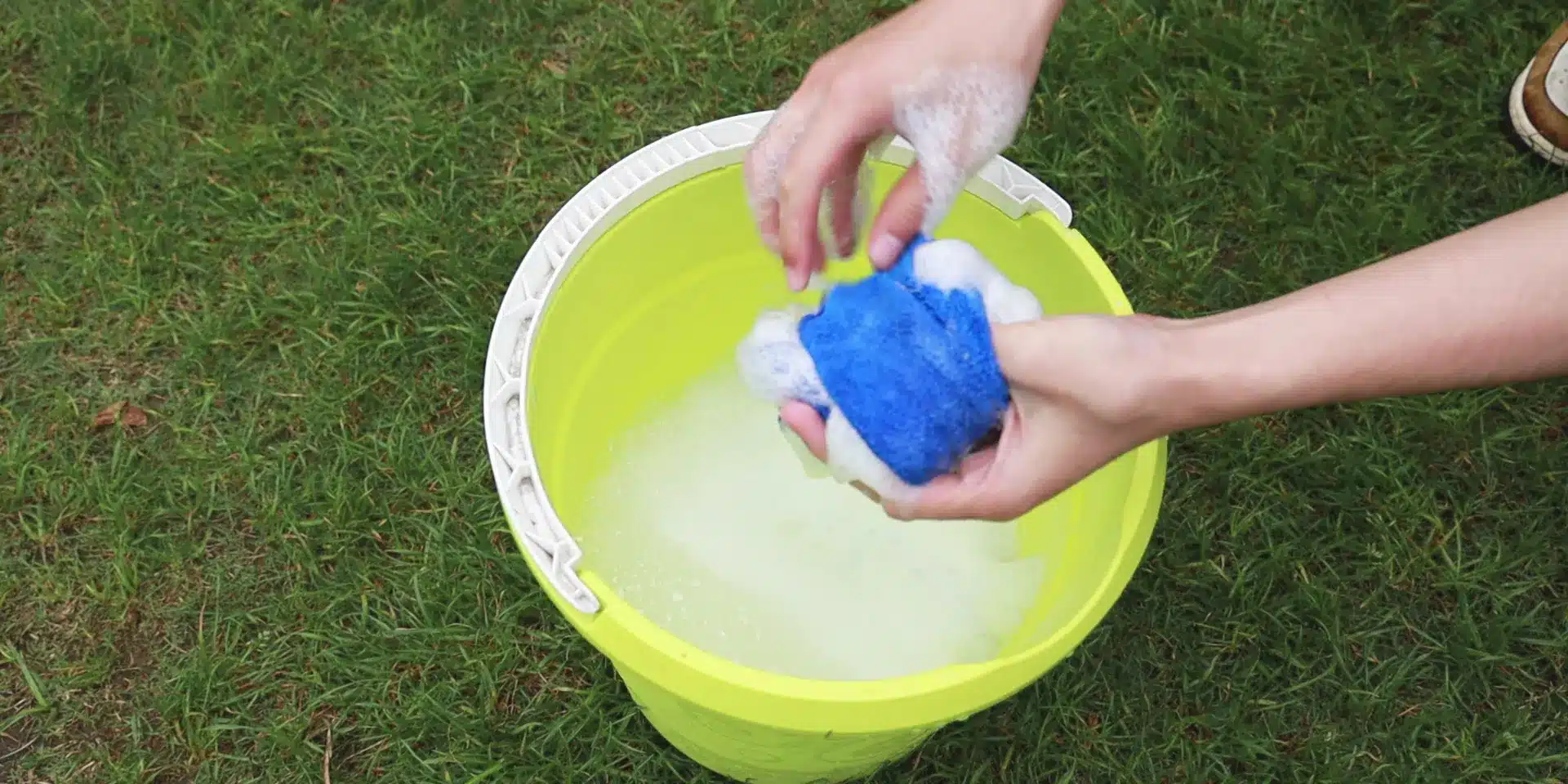
Use mild soap and water for routine cleaning. Dry furniture well to prevent mold. Clean under cushions and in corners.
- Wipe surfaces weekly with a damp cloth
- Wash cushions and fabric covers monthly
- Keep the area free from food scraps
- Store furniture during bad weather to reduce dirt buildup
Promptly Addressing Damage
Fix any damage caused by cats quickly. Scratches and tears invite more cats. Repair or replace damaged parts.
Use protective covers or sprays on vulnerable areas. Keep furniture in good condition to reduce cat interest.
- Patch torn fabric or cushions
- Sand and repaint scratched wood
- Replace broken parts promptly
- Use covers to protect surfaces
Legal And Ethical Considerations
Keeping stray cats off outdoor furniture is important for comfort and cleanliness. It is also important to follow laws and treat animals with care.
Understanding legal rules and ethical practices helps protect both cats and property owners.
Local Animal Control Laws
Every area has rules about stray animals. These laws help control the stray cat population safely.
Check with local authorities to learn about rules for feeding, trapping, or removing stray cats.
- Some places prohibit feeding stray cats without permission.
- Trapping or relocating cats may require a permit.
- Animal control may provide advice or help with stray cats.
Humane Treatment Of Stray Cats
Treat stray cats kindly and avoid causing them harm. Use gentle ways to keep them off furniture.
Avoid harmful chemicals or traps that can injure cats. Use safe deterrents like scents or physical barriers.
- Do not use poisons or harmful sprays.
- Try motion-activated devices that scare cats without hurting them.
- Provide water and shelter away from furniture if possible.
Working With Animal Welfare Organizations
Animal welfare groups can help manage stray cats in your area. They promote safe and kind treatment.
These organizations offer advice, help with traps, and support trap-neuter-return programs.
- Contact local shelters for help with stray cat problems.
- Ask about neutering to reduce stray cat numbers.
- Learn about safe ways to keep cats away from furniture.

Credit: serwalloutdoor.com
Frequently Asked Questions
How Can I Deter Stray Cats From My Outdoor Furniture?
Use natural repellents like citrus peels or vinegar around furniture. Ultrasonic cat repellents also work well. Regularly clean the area to remove scents attracting cats.
What Natural Methods Keep Stray Cats Away?
Plant cat-repellent herbs like lavender or rosemary near furniture. Use coffee grounds or citrus peels as natural deterrents. These scents discourage cats without harming them.
Are Commercial Cat Repellents Effective For Outdoor Furniture?
Yes, many commercial repellents use safe chemicals or ultrasonic sounds to keep cats away. Choose pet-safe products and follow instructions for best results.
Can Physical Barriers Prevent Cats From Sitting On Furniture?
Yes, placing plastic mats with nubs or chicken wire on furniture can deter cats. These barriers make the surface uncomfortable without causing harm.
Conclusion
Keeping stray cats off your outdoor furniture takes patience and care. Use natural repellents and cover furniture when not in use. Place plants cats dislike nearby for added protection. Regularly clean the area to remove scents that attract cats. Small changes can make a big difference over time.
Enjoy your outdoor space without unwanted visitors. Stay consistent with your efforts for best results. Your furniture will stay clean and safe for everyone. Simple steps lead to a peaceful outdoor environment.