Your plastic outdoor furniture can brighten up your patio, but dirt and grime can quickly take away its charm. If you want your chairs and tables to look fresh and inviting all season long, knowing how to clean plastic outdoor furniture the right way is a must.
Imagine relaxing outside on spotless, gleaming furniture without spending hours scrubbing. In this guide, you’ll discover simple, effective cleaning tips that save you time and effort. Ready to bring your outdoor space back to life? Let’s dive in.
Choosing The Right Cleaning Supplies
Cleaning plastic outdoor furniture is easy when you use the right supplies. Using safe and proper cleaners protects the furniture and keeps it looking new.
Choosing the right tools helps you clean better and faster. This guide covers safe cleaners and useful tools for plastic furniture care.
Safe Cleaners For Plastic Furniture
Use gentle cleaners to avoid damage. Harsh chemicals can make plastic dull or crack over time.
Common safe cleaners include mild soap and water. You can also use a mixture of vinegar and water to remove stains.
- Mild dish soap mixed with warm water
- White vinegar diluted with water
- Baking soda paste for tough spots
- Commercial cleaners labeled safe for plastic
Tools You’ll Need
Having the right tools makes cleaning easier and more effective. Soft tools protect the plastic surface from scratches.
Use brushes and cloths that can reach dirt without harming the furniture.
- Soft-bristled brush for scrubbing
- Microfiber cloths for wiping
- Bucket for mixing cleaning solutions
- Garden hose or spray bottle for rinsing
Credit: serwalloutdoor.com
Preparing Your Furniture For Cleaning
Cleaning plastic outdoor furniture starts with proper preparation. This helps to get better results and protects your furniture.
Taking the right steps before cleaning saves time and avoids damage to your furniture and surroundings.
Removing Loose Dirt And Debris
First, clear off any loose dirt, leaves, or dust on the furniture. This prevents scratching the plastic during cleaning.
Use a soft brush, broom, or a dry cloth to gently remove the dirt from all surfaces and corners.
- Brush off dust and dirt with a soft broom
- Use a handheld vacuum for small crevices
- Shake off loose leaves or debris
- Wipe with a dry cloth if needed
Protecting Surrounding Areas
Cover nearby plants, floors, or walls to protect them from cleaning solutions. This avoids stains or damage.
Use plastic sheets or old towels to shield areas close to your furniture. Move items that might get wet or dirty.
- Lay plastic sheets under and around the furniture
- Cover plants with cloth or plastic covers
- Move rugs and cushions away from cleaning area
- Keep pets and children away while cleaning
Step-by-step Cleaning Process
Cleaning plastic outdoor furniture keeps it looking fresh and lasts longer. Dirt and grime can build up from weather and use. Regular cleaning removes these layers.
This guide shows simple steps to clean your plastic furniture. Use common household items and easy methods.
Washing With Soap And Water
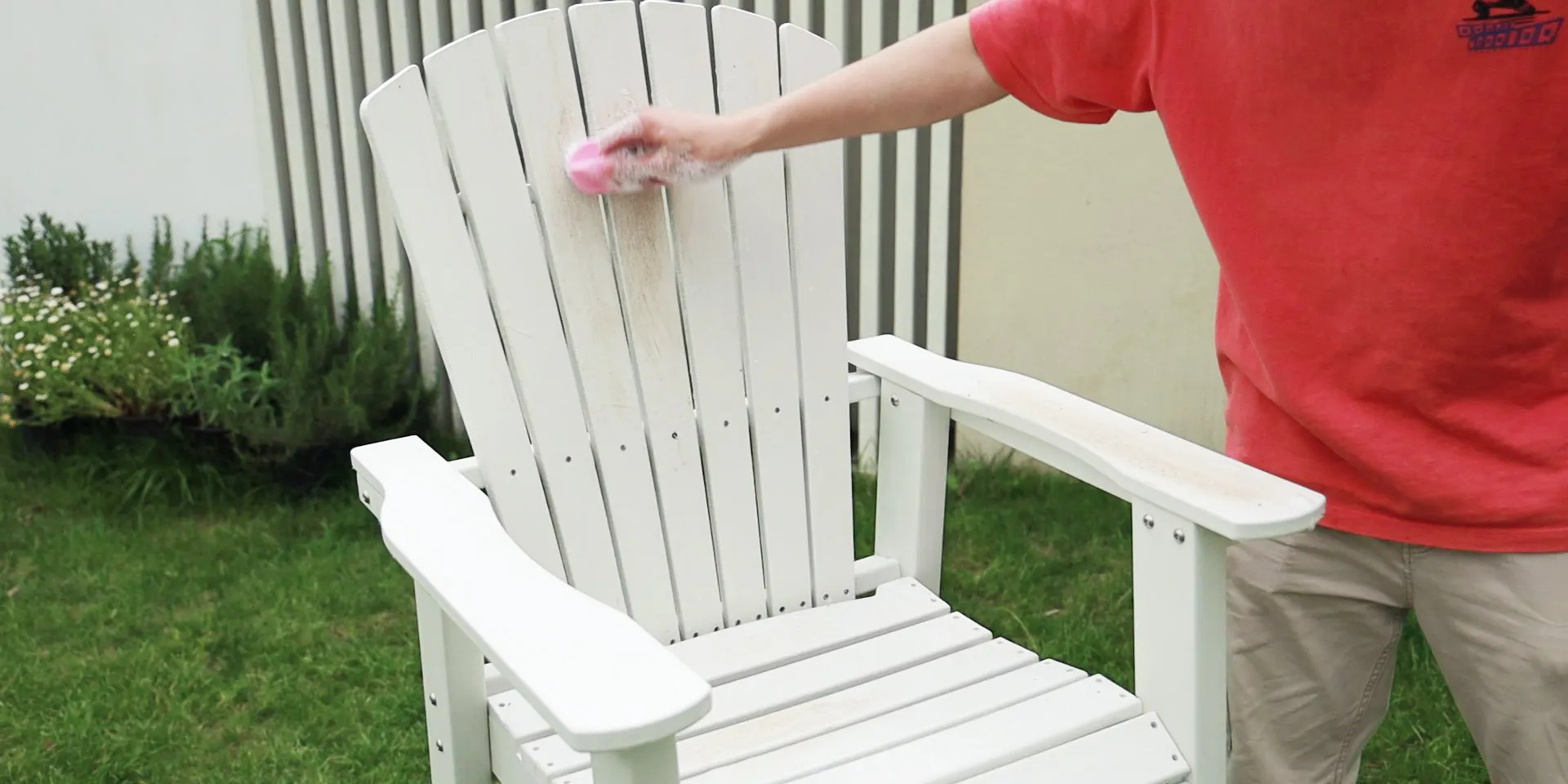
Start by mixing mild dish soap with warm water in a bucket. Use a soft cloth or sponge to wash the furniture.
Gently scrub all surfaces, including legs and undersides. This removes dust and light dirt without scratching the plastic.
- Fill a bucket with warm water
- Add a few drops of mild dish soap
- Dip a sponge or cloth into the soapy water
- Wipe all furniture surfaces carefully
- Focus on areas with visible dirt
Dealing With Stubborn Stains
For tough stains, use a paste made from baking soda and water. Apply it to the stain and let it sit for 10 minutes.
Scrub gently with a soft brush or cloth. Avoid harsh tools that can damage the plastic. Repeat if needed until the stain fades.
- Mix baking soda with water to form a paste
- Apply paste to stained areas
- Wait about 10 minutes
- Gently scrub with a soft brush or cloth
- Rinse and repeat if stains remain
Rinsing And Drying
Rinse the furniture with clean water to remove soap and residue. Use a garden hose or a bucket of water for rinsing.
Dry the furniture with a clean towel or let it air dry in the sun. Make sure it is completely dry before using or storing it.
- Use clean water to rinse off soap and paste
- Remove all cleaning residues
- Dry with a soft towel or let air dry
- Check all spots to avoid moisture buildup
Credit: www.idealhome.co.uk
Tips For Preventing Damage
Plastic outdoor furniture is easy to clean but can get damaged if you are not careful. Protect your furniture by using safe cleaning methods and taking good care of it.
Preventing damage helps your furniture last longer and look nice. Use these tips to keep your plastic outdoor furniture in good shape.
Avoiding Harsh Chemicals
Harsh chemicals can harm plastic furniture. They may cause discoloration or make the surface rough. Use gentle cleaners to keep your furniture safe.
Choose mild soap and water for cleaning. Avoid bleach, ammonia, or strong solvents. These can break down the plastic and cause cracks.
- Use mild dish soap mixed with warm water
- Test cleaners on a small hidden area first
- Rinse well after cleaning to remove soap
- Never use abrasive scrubbers or steel wool
Protecting Against Sun And Weather
Sunlight and weather can fade and weaken plastic furniture. Use covers or move furniture to shaded areas to protect it from damage.
Store furniture inside during harsh weather. This prevents cracking and keeps the plastic strong and bright.
- Use UV-resistant covers when not in use
- Keep furniture in shade during peak sun hours
- Bring furniture indoors during heavy rain or snow
- Apply plastic-safe protectants to reduce fading
Maintaining A Sparkling Shine
Plastic outdoor furniture can lose its shine over time. Dirt, dust, and weather make it look dull. Cleaning regularly keeps your furniture bright and fresh.
Using the right cleaning methods helps protect the plastic. It also makes the furniture last longer and look new.
Regular Cleaning Schedule
Clean your plastic furniture every few weeks. This stops dirt buildup and keeps the surface smooth. Use a soft cloth or sponge with mild soap and water.
Rinse with clean water and dry with a towel to avoid water spots. For tough stains, use a mixture of vinegar and water. Avoid harsh chemicals that can damage the plastic.
- Wipe off dust and dirt weekly
- Wash with soap and water every 2-4 weeks
- Use vinegar solution for stubborn stains
- Dry furniture completely after cleaning
Using Protective Coatings
Apply protective coatings to keep the shine longer. These coatings create a barrier against dirt and UV rays. Use products made for plastic outdoor furniture.
Reapply the coating every few months. This helps prevent fading and cracking. Always follow the instructions on the product label for best results.
- Choose plastic-safe protective sprays or waxes
- Apply on clean, dry furniture
- Use a soft cloth to spread evenly
- Reapply every 3-6 months

Credit: serwalloutdoor.com
Frequently Asked Questions
How Do You Clean Plastic Outdoor Furniture?
To clean plastic outdoor furniture, mix warm water with mild detergent. Use a soft brush or sponge to scrub the surface. Rinse thoroughly with a garden hose and let it air dry. Avoid using harsh chemicals or abrasive materials, as they can damage the plastic.
Can Vinegar Clean Plastic Furniture?
Yes, vinegar can clean plastic furniture effectively. Mix equal parts of water and white vinegar in a spray bottle. Spray the solution on the furniture and wipe it with a soft cloth. Vinegar is a natural cleaner and helps remove grime and mildew without harming the plastic.
How Often Should You Clean Outdoor Plastic Furniture?
You should clean outdoor plastic furniture every few weeks. Regular cleaning prevents the buildup of dirt and grime. If your furniture is exposed to harsh weather, consider cleaning it more frequently. Regular maintenance keeps your furniture looking new and extends its lifespan.
What Removes Mildew From Plastic Furniture?
To remove mildew from plastic furniture, use a mixture of vinegar and water. Spray the solution onto the affected areas and scrub with a soft brush. Rinse thoroughly with water and let it dry. For stubborn mildew, consider using a bleach solution, but test on a small area first.
Conclusion
Cleaning plastic outdoor furniture keeps it looking fresh and inviting. Use mild soap and water for regular cleaning. Avoid harsh chemicals that can damage the plastic surface. Rinse well and dry to prevent spots or mildew. Regular care helps your furniture last longer and stay comfortable.
A clean space invites relaxation and fun outside. Keep these simple steps in mind for easy maintenance. Enjoy your outdoor furniture every season with little effort.