Choosing the right material for your outdoor patio furniture can make all the difference in creating a comfortable and stylish space you’ll love. You want something that looks great, lasts through the seasons, and feels just right when you relax or entertain.
But with so many options out there, how do you know which one is truly the best for your patio? Keep reading, because we’re breaking down the top materials so you can find the perfect fit for your outdoor oasis.
Your ideal patio setup is closer than you think!
Popular Patio Furniture Materials
Choosing the right material for outdoor patio furniture is important. It affects how long the furniture lasts and how it looks.
Different materials work well in different weather and styles. Here are some popular patio furniture materials to consider.
Wood Types
Wood is a classic choice for patio furniture. It gives a natural and warm look to outdoor spaces.
Some wood types resist weather and insects better than others. They usually need regular care like sealing or oiling.
- Teak: Very durable and weather-resistant
- Cedar: Naturally repels insects and rot
- Eucalyptus: Affordable and strong with good resistance
- Acacia: Hard wood, lasts well outside
Metal Options
Metal furniture is strong and can have sleek designs. It often lasts a long time outdoors.
Some metals need coatings to stop rust. Metals like aluminum are light and easy to move.
- Aluminum: Lightweight and rust-resistant
- Steel: Strong but may rust without protection
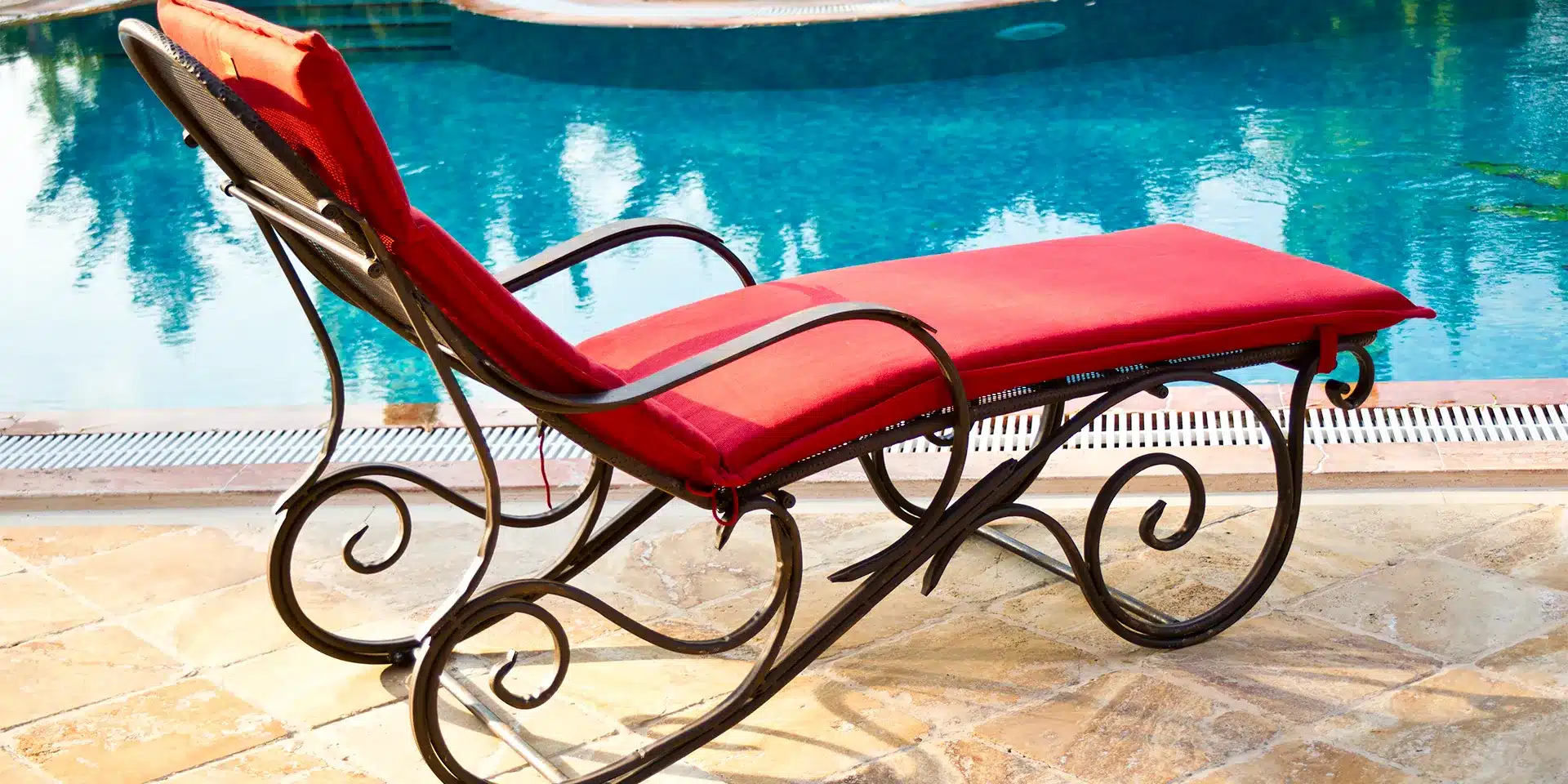
- Wrought Iron: Heavy and very durable
- Cast Aluminum: Stylish and weatherproof
Synthetic Materials
Synthetic materials include plastics and resins. They are often weatherproof and low maintenance.
These materials can look like wood or wicker but last longer. They resist fading and moisture well.
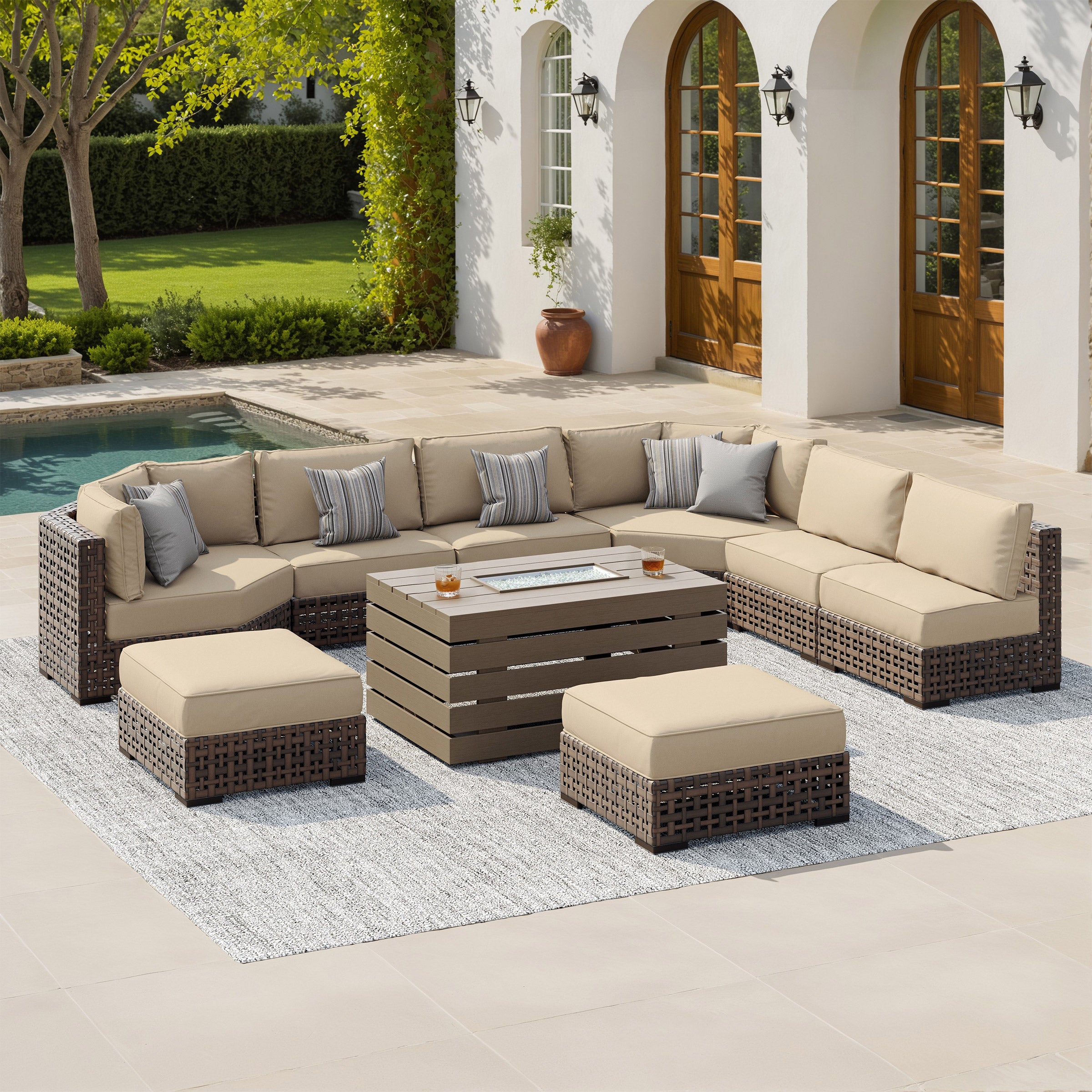
- Resin wicker: Lightweight and weatherproof
- Plastic: Inexpensive and easy to clean
- Polypropylene: Strong and UV resistant
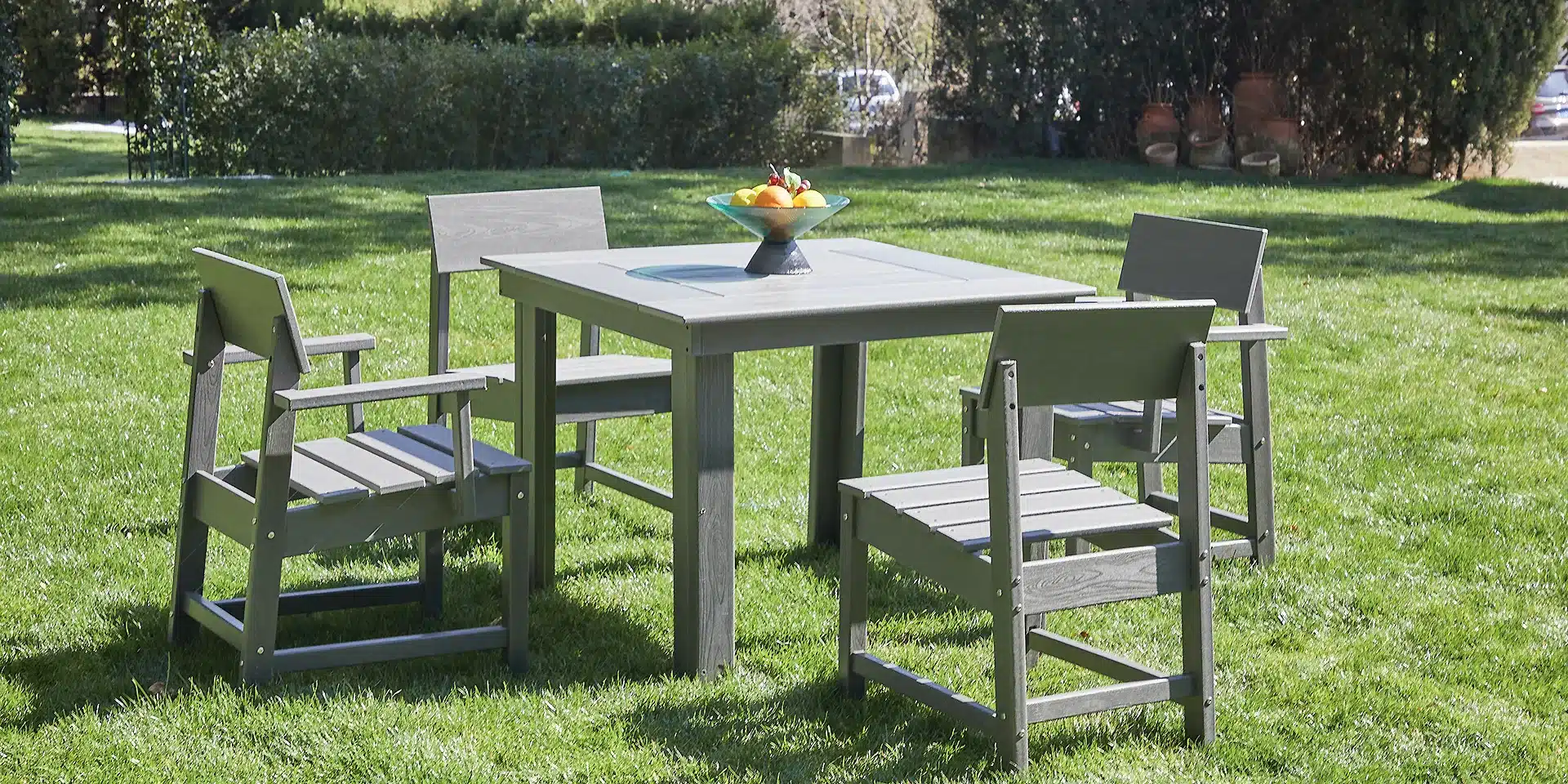
- High-Density Polyethylene (HDPE): Durable and eco-friendly
Natural Fibers
Natural fibers give a cozy and organic feel to patio furniture. They are lightweight but need care.
These materials work best in covered outdoor spaces to avoid damage from rain or sun.
- Rattan: Flexible and stylish but not very weatherproof
- Bamboo: Strong and eco-friendly
- Seagrass: Adds texture but can wear quickly outside
- Jute: Natural and soft but needs protection from moisture
Durability Factors
Choosing the right material for outdoor patio furniture depends mostly on durability. Strong materials last longer and resist damage better.
Durability depends on several factors like weather resistance, maintenance needs, and how long the material lasts.
Weather Resistance
Outdoor furniture faces rain, sun, wind, and cold. Weather resistance means the material can handle these conditions without breaking.
Materials like teak, aluminum, and synthetic wicker resist water and sun damage well. They do not fade or rust easily.
- Teak has natural oils that protect it from water.
- Aluminum does not rust even in wet weather.
- Synthetic wicker is made to resist UV rays and moisture.
Maintenance Needs
Some materials need more care to stay strong and look good. Low-maintenance materials save time and effort.
Teak needs occasional oiling to keep its color. Aluminum and plastic require only simple cleaning. Wood can need sanding and sealing.
- Teak: oil once or twice a year.
- Aluminum: wipe with soapy water.
- Plastic: clean with mild detergent.
- Wood: may need sanding and sealing yearly.
Longevity
Longevity means how long the furniture lasts before it breaks or looks bad. Strong materials last many years.
Teak and aluminum can last over 20 years with good care. Plastic and wicker usually last 5 to 10 years. Wood varies a lot based on type and treatment.
- Teak: 20+ years
- Aluminum: 15-20 years
- Synthetic wicker: 5-10 years
- Plastic: 5-10 years
- Wood: varies from 5 to 15 years
Comfort And Style
Choosing the best material for outdoor patio furniture affects both comfort and style. The right material makes your patio inviting and elegant.
Comfort means sitting with ease. Style means looking great in your outdoor space. Both matter when picking furniture materials.
Design Versatility
Some materials fit many design styles. They work well with different shapes and colors. This helps you change your patio look anytime.
Materials like aluminum and synthetic wicker offer many design options. They can be made into modern or classic furniture styles.
- Aluminum: lightweight, easy to shape
- Synthetic wicker: flexible, natural look
- Wood: classic, suits rustic designs
- Plastic: simple, budget-friendly
Cushion Compatibility
Cushions add comfort and style to patio furniture. The material should hold cushions well without slipping or damage.
Materials like teak and aluminum work great with cushions. They provide good support and stay stable under cushion weight.
- Teak: strong frame, cushion-friendly
- Aluminum: stable, works with many cushion types
- Synthetic wicker: holds cushions securely
- Plastic: less stable, cushion slips possible
Aesthetic Appeal
Material looks affect your patio's beauty. Some materials look natural and warm, others sleek and modern.
Wood offers warmth and tradition. Metal gives a clean, modern look. Synthetic wicker blends natural feel with durability.
- Wood: warm, natural, timeless
- Metal: sleek, modern, strong
- Synthetic wicker: natural look, weather-resistant
- Plastic: bright colors, casual style

Credit: www.patioproductions.com
Cost Considerations
Choosing the best material for outdoor patio furniture means thinking about costs. Cost affects your budget and how long the furniture lasts.
We will look at the initial investment, long-term value, and repair or replacement costs. This helps you make a smart choice.
Initial Investment
Initial investment means the price you pay when buying patio furniture. Some materials cost more upfront than others.
Wood like teak or cedar usually costs more. Metal and plastic options can be cheaper. Think about your budget first.
- Wood: higher price, natural look
- Metal: moderate price, strong
- Plastic: low price, lightweight
Long-term Value
Long-term value means how long the furniture lasts and stays nice. Some materials last many years without damage.
Teak and metal furniture can last a long time with little care. Plastic may fade or crack faster. Think about how long you want to keep it.
- Wood: lasts long, needs maintenance
- Metal: durable, can rust if not treated
- Plastic: less durable, easy to replace
Repair And Replacement
Repair and replacement costs can add up over time. Some materials are easier and cheaper to fix.
Wood furniture may need sanding or sealing. Metal may need rust removal or repainting. Plastic is usually replaced instead of repaired.
- Wood: moderate repair cost, needs upkeep
- Metal: can be repaired but may be costly
- Plastic: low repair options, often replaced
Environmental Impact
Outdoor patio furniture can affect the environment in many ways. The materials used make a big difference. Some materials harm nature more than others.
Choosing the right material helps protect the planet. It lowers pollution and saves resources.
Sustainability Of Materials
Sustainable materials come from sources that can renew quickly. They do not run out or cause damage to nature.
Wood from well-managed forests is a good example. It grows back and supports wildlife. Some synthetic materials use less energy to make and last long.
- Teak and eucalyptus wood from certified forests
- Recycled metal like aluminum and steel
- Natural fibers like rattan and wicker
Eco-friendly Options
Eco-friendly furniture uses materials that harm the earth less. These options reduce waste and pollution.
Some furniture is made with recycled plastics or metals. Others use natural oils and water-based paints to avoid chemicals.
- Furniture made from recycled plastic lumber
- Powder-coated metal to avoid toxic paints
- Natural wood treated with eco-friendly finishes
Recycling And Disposal
Recycling patio furniture helps reduce landfill waste. Some materials are easier to recycle than others.
Wood and metal parts can often be recycled or reused. Plastic furniture may be harder to recycle but some types can be processed.
- Separate metal and wood for recycling
- Look for furniture marked as recyclable
- Avoid furniture with mixed materials that cannot be taken apart
Best Material For Different Climates
Choosing the right material for outdoor patio furniture depends on the climate. Different materials perform better in different weather conditions.
Picking the right material helps your furniture last longer and stay looking good outside.
Hot And Humid Areas
In hot and humid climates, furniture needs to resist moisture and heat. Materials that do not absorb water or crack easily work best.
Teak wood and synthetic wicker are good choices. They handle humidity well and stay strong over time.
- Teak wood resists moisture and insects
- Synthetic wicker is lightweight and dries fast
- Aluminum frames work well with cushions
Cold And Snowy Regions
Furniture in cold areas must handle freezing temperatures and snow. Materials that do not crack or rust are best.
Metal with powder coating and resin wicker are strong choices. They resist cold damage and are easy to clean.
- Powder-coated steel or aluminum resists rust
- Resin wicker handles cold without cracking
- Plastic and synthetic materials resist moisture
Coastal Environments
Coastal areas have salty air that can damage many materials. Furniture must resist corrosion and salt damage.
Teak wood and powder-coated aluminum work well near the sea. They resist salt and last longer without rust.
- Teak wood is naturally resistant to salt and moisture
- Powder-coated aluminum does not rust easily
- Plastic and synthetic wicker also resist salt damage
Tips For Choosing Patio Furniture Material
Choosing the right material for outdoor patio furniture is important. It affects how long the furniture lasts and how comfortable it is.
Different materials suit different needs. This guide helps you pick the best material for your patio furniture.
Assessing Your Needs
Think about how you will use your patio furniture. Will it stay outside all year or be stored indoors?
Consider how many people will use it and how often. This helps choose durable materials that fit your lifestyle.
- Frequent use needs strong, weatherproof materials
- Occasional use allows lighter, less durable options
- Think about ease of cleaning and maintenance
Matching Style And Function
Your furniture should match your outdoor space style. Some materials fit modern looks, others fit classic designs.
Choose materials that offer the comfort and function you want. For example, cushions need frames that hold them well.
- Wood offers a natural, warm look
- Metal gives a sleek, modern feel
- Wicker is casual and cozy
- Plastic or resin is easy to clean and light
Budget Planning
Set a budget before buying patio furniture. Some materials cost more but last longer.
Think about price and upkeep costs. Low-cost materials might need more repairs or replacement.
| Material | Cost | Maintenance |
| Wood | Medium to High | Needs regular sealing or staining |
| Metal | Medium | May need rust protection |
| Wicker | Low to Medium | Protect from moisture |
| Plastic/Resin | Low | Easy to clean |

Credit: nypost.com
Credit: serwalloutdoor.com
Frequently Asked Questions
What Materials Are Best For Patio Furniture?
The best materials for patio furniture include teak, aluminum, and wrought iron. Teak is durable and weather-resistant, while aluminum is lightweight and rust-proof. Wrought iron offers classic style and durability. Each material has unique benefits, so choose based on your climate, style, and maintenance preferences.
How Does Weather Affect Patio Furniture Materials?
Weather can significantly impact patio furniture materials. Moisture can cause rust or decay in certain materials. UV rays can fade colors and weaken fabrics. Opt for weather-resistant materials like teak or aluminum. Regular maintenance and protective covers can help extend the lifespan of your outdoor furniture.
Is Teak Good For Outdoor Furniture?
Yes, teak is excellent for outdoor furniture. It's naturally resistant to water, insects, and decay. Teak's high oil content makes it durable and long-lasting. It ages beautifully, developing a silver patina over time. Minimal maintenance is required, making it a popular choice for outdoor settings.
Can Aluminum Patio Furniture Rust?
No, aluminum patio furniture does not rust. Aluminum is naturally resistant to rust and corrosion. This makes it ideal for outdoor use in various climates. It's also lightweight and easy to move. Regular cleaning with mild soap and water will help maintain its appearance and longevity.
Conclusion
Choosing the best material for outdoor patio furniture depends on your needs. Consider durability, style, and care before deciding. Aluminum and teak resist weather well and last long. Wicker offers a cozy look but needs more care. Think about your climate and how often you use the space.
The right furniture makes your patio inviting and comfortable. Take time to pick what fits your lifestyle best. Enjoy your outdoor space with furniture that suits you perfectly.