You love your memory foam mattress—it’s soft, comfortable, and helps you sleep better. But what happens when stains appear?
They can be frustrating and make your mattress look old and dirty. You might worry that the stains are impossible to remove without damaging the foam. The good news is, you don’t have to replace your mattress or live with those marks.
In this guide, you’ll discover simple, effective ways to get stains out of your memory foam mattress and keep it looking fresh. Keep reading, and you’ll learn easy steps that anyone can follow to protect your mattress and enjoy a clean, comfortable sleep every night.
Common Causes Of Stains
Memory foam mattresses can get stained from many daily activities. Knowing what causes stains helps you clean them faster.
Some stains are easy to spot, while others may take time to appear. Understanding these causes keeps your mattress fresh.
Food And Drink Spills
Spills from food and drinks are common causes of mattress stains. Drinks like coffee, juice, and soda can leave dark marks.
Sticky foods also create tough stains. Cleaning spills quickly lowers the chance of permanent damage.
Sweat And Body Oils
Sweat and natural body oils soak into the mattress over time. These stains often cause yellow or dark patches.
Using a mattress protector can reduce these stains. Regular cleaning also helps prevent buildup.
Pet Accidents
Pets sometimes have accidents on mattresses. Urine and other messes create strong stains and odors.
Cleaning pet stains quickly stops smells and damage. Special cleaners can break down tough pet stains.
Mold And Mildew
Mold and mildew form if the mattress stays damp too long. These stains look dark and smell musty.
Good air flow and drying help stop mold growth. Clean mold stains carefully to protect your health.
Essential Cleaning Supplies
Cleaning stains on a memory foam mattress needs the right supplies. Using gentle and effective items keeps the mattress safe.
Below are key supplies that help remove stains without damaging the foam.
Mild Detergents And Cleaners
Choose mild detergents that do not contain bleach or strong chemicals. These cleaners remove stains softly and protect the foam.
Look for gentle liquid dish soap or laundry detergent. Avoid harsh stain removers that can harm the mattress.
- Liquid dish soap
- Mild laundry detergent
- Enzyme-based cleaners (safe for foam)
Baking Soda And Vinegar
Baking soda helps absorb odors and loosen stains. White vinegar breaks down tough spots and disinfects the area.
Use them together for a natural and effective stain remover. They are safe for memory foam and easy to find.
- Baking soda for odor absorption
- White vinegar for stain removal
- Mix with water to apply gently
Soft Cloths And Brushes
Soft cloths help blot stains without pushing them deeper. Use microfiber cloths for gentle cleaning.
Soft-bristled brushes can loosen dirt from the foam surface. Avoid stiff brushes that may damage the mattress.
- Microfiber cloths for blotting
- Soft-bristled brush for scrubbing
- Clean towels for drying
Protective Gloves
Wear protective gloves to keep your hands safe from cleaning agents. Gloves also stop oils from your skin from transferring to the mattress.
Use disposable or reusable gloves. Choose gloves that fit well and allow good hand movement.
- Disposable latex or nitrile gloves
- Reusable rubber cleaning gloves
- Gloves that fit snugly
Prepping The Mattress For Cleaning
Cleaning a memory foam mattress needs careful preparation. This helps protect the foam and removes dirt.
Start by getting the mattress ready. This makes stain removal easier and safer for the material.
Removing Bedding And Covers
Take off all sheets, pillowcases, and mattress protectors. Wash these separately to avoid spreading stains.
Check for any small debris or dirt on the covers before washing. This keeps your washing machine clean.
Vacuuming Surface Debris
Use a vacuum with a soft brush attachment. Gently vacuum the mattress surface to remove dust and crumbs.
Vacuuming stops loose dirt from mixing with cleaning solutions. It also helps the mattress dry faster.
Testing Cleaning Solutions
Before using any cleaner, test it on a small hidden spot. This avoids damage or discoloration.
Apply a small amount and wait 10 minutes. Check if the foam changes color or texture.

Credit: www.sweetnight.com
Removing Fresh Stains
Fresh stains on a memory foam mattress need quick attention. Acting fast helps prevent the stain from setting deep.
Use gentle cleaning methods to protect the mattress foam. Harsh chemicals can damage the material.
Blotting Techniques
Start by blotting the stain with a clean cloth or paper towel. Do not rub the stain, as rubbing spreads it further.
Gently press the cloth onto the stain to absorb the liquid. Replace the cloth if it becomes dirty or wet.
- Use a white cloth to avoid color transfer
- Press gently instead of scrubbing
- Work from the outside of the stain inward
Using Mild Soap Solutions
Mix a small amount of mild soap with warm water to clean the stain. Avoid strong detergents that can harm the foam.
Dampen a clean cloth in the soapy water and gently blot the stained area. Do not soak the mattress with water.
- Use mild dish soap or gentle laundry soap
- Prepare a diluted solution with warm water
- Apply with a soft cloth, not directly on the mattress
Avoiding Excess Moisture
Memory foam absorbs water easily, so use as little liquid as possible. Excess moisture can cause mold or mildew.
After cleaning, let the mattress dry completely in a well-ventilated area. Use fans if needed to speed drying.
- Do not pour water directly on the mattress
- Blot with dry towels to remove moisture
- Air dry for several hours before use
Treating Dried Or Set-in Stains
Dried or set-in stains on memory foam mattresses can be tough to clean. These stains need special care to remove them without damaging the foam.
Using gentle cleaning methods helps keep your mattress fresh and safe. Here are some ways to treat these stains effectively.
Applying Baking Soda Paste
Baking soda paste works well for removing stains and odors from memory foam. It is gentle and natural, making it safe for the mattress.
Mix baking soda with a small amount of water to make a thick paste. Apply it directly to the stain and let it sit for at least 30 minutes.
- Mix 3 parts baking soda with 1 part water
- Spread the paste over the stained area
- Let it dry completely before vacuuming off
Using Enzyme Cleaners
Enzyme cleaners break down proteins in stains like sweat, blood, and food. They are effective for deep, set-in stains on memory foam.
Apply the cleaner to the stain and let it sit for 15 to 30 minutes. Dab gently with a clean cloth to lift the stain without rubbing.
- Choose an enzyme cleaner safe for foam
- Test on a small area first
- Use a spray bottle or dropper to apply
- Pat the stain, avoid harsh scrubbing
Gentle Scrubbing Methods
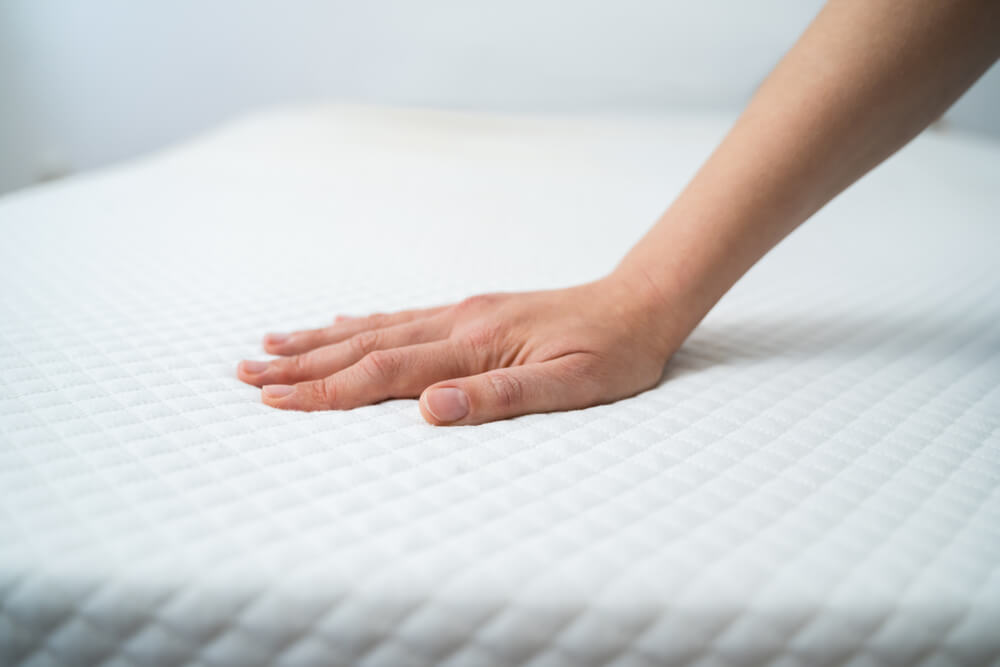
Light scrubbing helps remove dirt and loosen stains. Use a soft brush or cloth to avoid damaging memory foam.
Work in small circles and be patient. Avoid soaking the mattress with water, as memory foam absorbs moisture easily.
- Use a soft-bristled brush or microfiber cloth
- Apply gentle pressure when scrubbing
- Clean in small, circular motions
- Blot excess moisture with a dry towel
Credit: mobilityfurniturecompany.co.uk
Deodorizing And Refreshing
Memory foam mattresses can absorb odors and stains over time. It is important to deodorize and refresh them regularly to keep them smelling fresh and clean.
This guide shares simple ways to deodorize and refresh your memory foam mattress safely at home.
Sprinkling Baking Soda
Baking soda is a natural deodorizer. Sprinkle a thin, even layer over the mattress surface to absorb odors and moisture.
Let the baking soda sit for several hours or overnight. Then, vacuum it up carefully using a brush attachment.
- Use about half a cup for a twin mattress
- Spread evenly to cover all areas
- Vacuum thoroughly to remove baking soda
Air Drying Tips
Fresh air helps remove odors and moisture from memory foam. Open windows and let fresh air flow in the room.
If possible, place the mattress outside in a shaded area. Avoid direct sunlight to protect the foam.
- Air the mattress for at least 4 hours
- Keep it in a dry, well-ventilated space
- Turn the mattress to air both sides
Using Mattress Protectors
Mattress protectors help keep stains and odors away from your memory foam. They act as a barrier to spills and dirt.
Choose a breathable, waterproof protector that fits your mattress size for the best results.
- Wash protectors regularly to maintain freshness
- Use materials like cotton or bamboo for breathability
- Replace worn-out protectors to keep protection strong
Preventing Future Stains
Stains can damage a memory foam mattress and reduce its life. Taking steps to stop stains helps keep your mattress clean and fresh.
Simple habits and protective tools make it easier to avoid stains. Here are some ways to protect your mattress from future spills and dirt.
Using Waterproof Covers
Waterproof covers protect your mattress from liquids and stains. They form a barrier that stops spills from reaching the foam.
Choose covers that fit your mattress well. Look for breathable materials to keep the mattress fresh and dry.
- Protects against sweat, spills, and accidents
- Easy to remove and wash regularly
- Extends mattress life by preventing damage
- Available in different sizes and materials
Regular Cleaning Routine
Cleaning your mattress often helps stop stains before they form. Dust, dirt, and sweat can build up without regular care.
Use a vacuum cleaner with a soft brush to clean the mattress surface. Air out the mattress by opening windows or using a fan.
- Vacuum the mattress every 1-2 weeks
- Spot clean small stains quickly
- Let the mattress dry completely after cleaning
- Wash bedding and covers regularly
Avoiding Eating In Bed
Eating in bed can cause crumbs and spills that stain your mattress. Avoid food and drinks on your mattress to keep it clean.
If you must eat in bed, use trays and clean up immediately. This helps prevent stains and keeps bugs away.
- Keep food away from the mattress surface
- Clean any spills or crumbs right away
- Use trays or tables for eating in bed
- Drink carefully to avoid leaks and spills
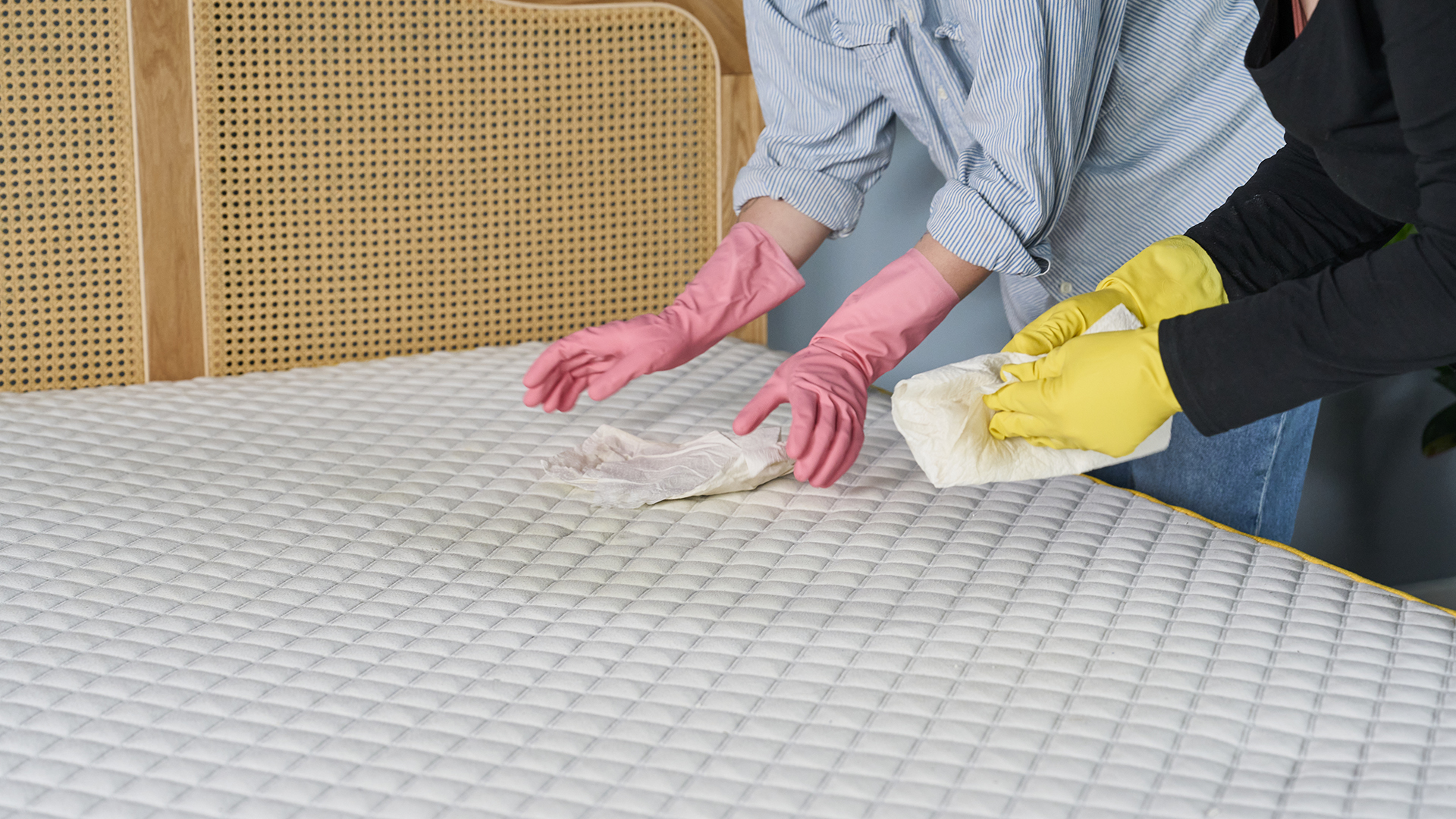
Credit: www.tomsguide.com
Frequently Asked Questions
How Do You Remove Stains From Memory Foam?
To remove stains from a memory foam mattress, mix mild detergent with water. Gently blot the stain with a cloth. Avoid soaking the foam. Rinse with a damp cloth and let it air dry. This method helps in maintaining the mattress's integrity and keeps it fresh.
Can You Use Vinegar On Memory Foam?
Yes, vinegar can be used on memory foam mattresses. Mix equal parts water and vinegar. Blot the stain gently without soaking the foam. Rinse with a damp cloth and let it air dry. Vinegar is effective for removing odors and minor stains from your mattress.
What Happens If Memory Foam Gets Wet?
If memory foam gets wet, it can develop mold or mildew. It's crucial to dry it quickly. Use towels to absorb excess moisture. Place the mattress in a well-ventilated area or use a fan. Ensure it's completely dry before using it again to prevent damage.
Are Enzyme Cleaners Safe For Memory Foam?
Enzyme cleaners are generally safe for memory foam mattresses. They effectively break down organic stains. However, always test a small area first. Follow the product instructions and avoid over-saturating the mattress. These cleaners help in maintaining the cleanliness and longevity of your memory foam mattress.
Conclusion
Cleaning stains from a memory foam mattress is easier than you think. Use gentle cleaners and soft cloths to avoid damage. Act quickly to stop stains from setting deep. Regular care keeps your mattress fresh and comfortable. Small steps protect your investment and help you sleep better.
Remember, patience and care make a big difference. A clean mattress means a healthier sleep space. Keep these tips handy for any future stains. Your mattress will thank you with many good nights.