Your memory foam mattress is where you recharge every night, but have you ever wondered how often you should change it? Using the same mattress for too long can affect your sleep quality and even your health.
You might not notice the wear and tear right away, but your body feels it every morning. You’ll discover the signs that tell you it’s time for a new mattress and how changing it at the right time can transform your sleep.
Keep reading to learn how to protect your investment and wake up feeling truly refreshed.

Credit: www.sweetnight.com
Lifespan Of Memory Foam Mattresses
Memory foam mattresses are popular for their comfort and support. Knowing how often to change them helps keep your sleep quality high.
This guide explains the average durability of memory foam mattresses and factors that affect their lifespan.
Average Durability
Most memory foam mattresses last between 7 to 10 years. This depends on the mattress quality and how it is used.
Over time, the foam may lose its shape and support. This can cause discomfort and reduce sleep quality.
Factors Affecting Longevity
Several factors affect how long a memory foam mattress lasts. These include weight, usage, and care.
- Weight:Heavier people may wear the foam faster.
- Usage:Daily use wears out the mattress quicker than occasional use.
- Care:Proper cleaning and rotating extend mattress life.
- Quality:Higher quality foam lasts longer.

Credit: www.restedpillow.com
Signs It's Time To Replace
Memory foam mattresses do not last forever. Over time, they lose comfort and support. Knowing when to replace yours can improve your sleep quality.
Look for clear signs that your mattress needs changing. These signs help you avoid poor sleep and back pain.
Visible Wear And Tear
Check your mattress for cracks, rips, or thinning foam. These are signs the material is breaking down. A damaged mattress can cause discomfort and reduce support.
Look closely at the surface and edges. If you see sagging or lumps, it means the foam is wearing out unevenly.
- Cracks or splits in the foam
- Surface sagging or lumps
- Foam thinning in spots
- Frayed or torn cover fabric
Loss Of Support
If your mattress no longer supports your body well, it’s time to replace it. You may feel pain or stiffness after sleeping. This happens when the foam loses its shape and firmness.
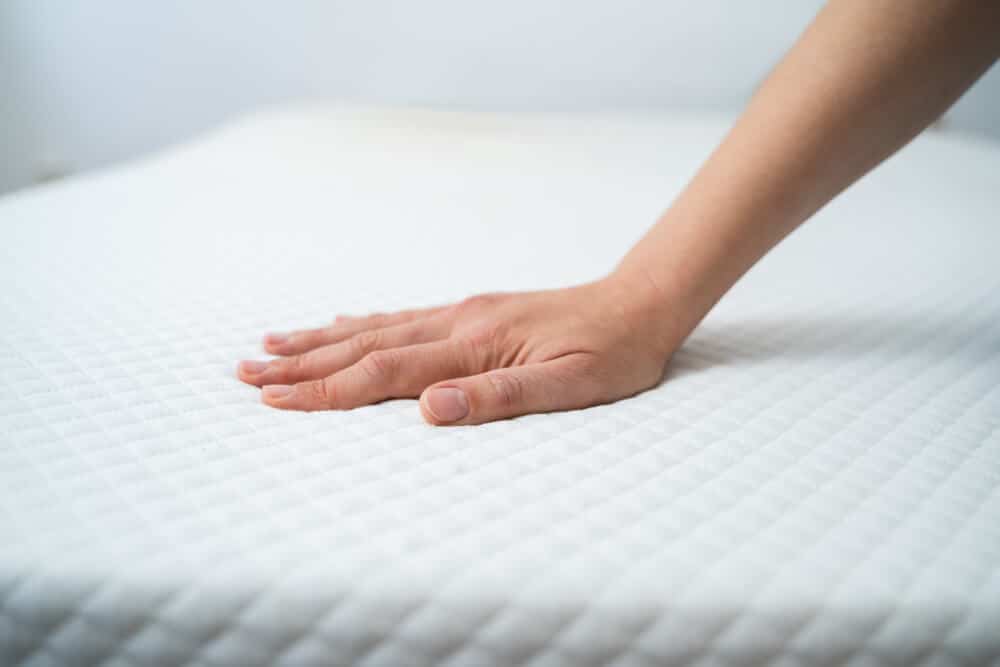
Test your mattress by pressing down with your hand. If it feels too soft or does not spring back, it has lost support.
- Feeling of sinking too deep
- Back or joint pain after sleep
- Mattress does not bounce back
- Uneven surface when lying down
Unusual Odors
Memory foam mattresses can develop smells over time. These odors may come from trapped sweat, dust, or mold. A bad smell means the mattress is no longer fresh or clean.
If airing the mattress does not remove the odor, consider replacing it. Smells can affect your sleep and health.
- Musty or moldy smells
- Strong chemical odors
- Odors that do not fade after airing
Impact Of Usage Habits
How often you change your memory foam mattress depends on how you use it. Different habits affect its lifespan.
Understanding these habits helps you know when to replace your mattress for good sleep.
Sleeping Positions
Your sleeping position changes how your mattress wears out. Side sleepers press on different spots than back sleepers.
More pressure in one area causes faster sagging. Changing positions can help spread out the wear.
- Side sleepers may notice faster mattress dips on the shoulders and hips
- Back sleepers put weight more evenly, which can help mattress last longer
- Stomach sleepers might wear out the middle area quickly due to pressure
Weight Considerations
Heavier people often compress memory foam more. This can reduce the mattress's lifespan.
Lighter users usually put less strain on the foam, so their mattress lasts longer before needing replacement.
- More weight causes faster foam breakdown and sagging
- Memory foam may lose support sooner under heavier pressure
- Mattress warranty and lifespan estimates often assume average weight use
Maintenance Practices
Good care helps your mattress last longer. Cleaning and rotating it reduces uneven wear.
Skipping maintenance can cause the foam to break down faster and lose support.
- Rotate your mattress every 3 to 6 months
- Use a mattress protector to avoid stains and dirt
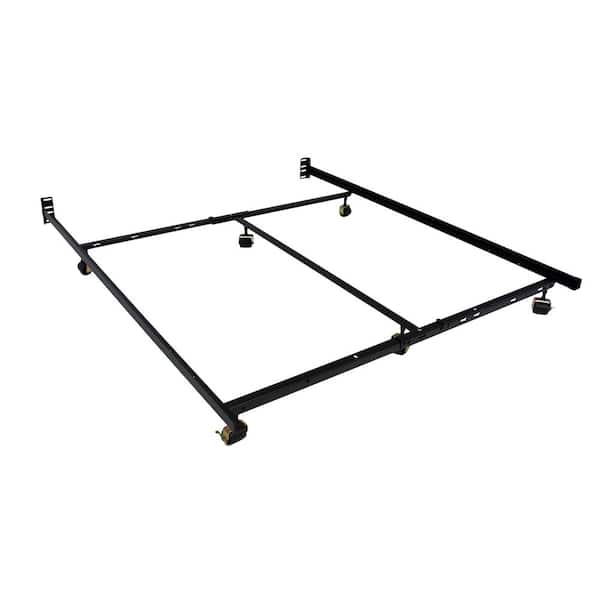
- Keep your bed frame solid to prevent sagging
- Air out the mattress to reduce moisture buildup

Credit: otty.com
Cleaning And Care Tips
Memory foam mattresses need regular care to stay fresh and last longer. Proper cleaning helps remove dust, sweat, and stains.
Following simple steps can keep your mattress clean without damaging the foam.
Regular Cleaning
Vacuum your memory foam mattress every few weeks. Use a soft brush attachment to avoid damage.
Air out the mattress by removing bedding and letting fresh air in. This reduces moisture and odors.
- Vacuum to remove dust and dirt
- Air mattress in a well-ventilated room
- Flip or rotate mattress if recommended by manufacturer
Spot Treatments
For stains, use mild soap and water. Dab the area gently with a clean cloth.
Avoid soaking the mattress. Excess water can damage memory foam.
- Mix a small amount of mild detergent with water
- Dab the stained spot carefully, do not rub
- Use a dry cloth to remove excess moisture
- Allow mattress to air dry completely
Protective Covers
Use a waterproof mattress protector to prevent stains and spills. It adds a layer of defense.
Protective covers also reduce dust and allergens. Wash them regularly for best results.
- Choose a breathable, waterproof cover
- Wash covers every 1 to 2 months
- Replace covers if torn or worn out
Benefits Of Timely Replacement
Changing your memory foam mattress on time brings many benefits. It helps keep your sleep comfortable and healthy.
Old mattresses lose support and can cause problems. Replacing them at the right time improves your daily life.
Improved Sleep Quality
A fresh memory foam mattress gives better support. It helps your body stay aligned and reduces pressure points.
This leads to deeper and more restful sleep. You wake up feeling refreshed and ready for the day.
Better Health
Old mattresses collect dust, dirt, and allergens. These can trigger allergies and breathing issues.
Replacing your mattress on time lowers these risks. It supports your immune system and overall health.
Cost Efficiency
Using a worn-out mattress can cause back pain and other problems. These may lead to costly doctor visits.
Timely replacement reduces health costs. It also prevents spending on quick fixes like mattress toppers.
- Less money spent on medical bills
- Fewer purchases of temporary comfort aids
- Longer-lasting comfort from a new mattress
Choosing A New Memory Foam Mattress
Knowing when to change your memory foam mattress helps you sleep better. A new mattress supports your body and improves comfort.
Choosing the right mattress means thinking about quality, comfort, and policies. These help you pick a mattress that fits your needs.
Material Quality
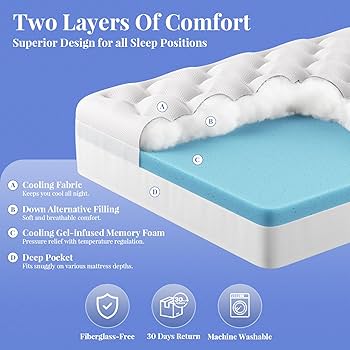
High-quality memory foam lasts longer and feels better. Look for dense foam that keeps its shape over time.
Good materials reduce pressure points and help your body rest well. Avoid cheap foams that sag quickly.
- Look for foam density above 4 pounds per cubic foot
- Choose CertiPUR-US certified foam for safety
- Check for open-cell designs for better airflow
Firmness Levels
Firmness affects how your mattress supports your body. Pick a firmness that matches your sleeping style.
Side sleepers usually need softer mattresses. Back and stomach sleepers often prefer firmer ones for better support.
- Soft foam eases pressure on shoulders and hips
- Medium firmness suits most people
- Firm foam keeps your spine aligned
Warranty And Return Policies
A good warranty protects your investment. It covers defects and foam breakdown for several years.
Return policies let you try the mattress risk-free. Make sure you understand the trial period and return costs.
- Choose mattresses with at least 10 years warranty
- Check if the warranty covers sagging and indentations
- Look for trial periods of 90 days or more
Frequently Asked Questions
How Long Does A Memory Foam Mattress Last?
A memory foam mattress typically lasts between 7 to 10 years. Longevity depends on usage, quality, and maintenance. Regularly rotating your mattress can help extend its lifespan. Always follow manufacturer care instructions for best results.
What Are Signs To Replace A Memory Foam Mattress?
Signs include sagging, lumps, and discomfort during sleep. Persistent back pain or allergies may also indicate it's time for a new mattress. If the mattress no longer supports your body, consider replacing it.
Can A Memory Foam Mattress Be Flipped?
Most memory foam mattresses are designed for one-sided use. Flipping can damage the structure and comfort layers. Instead, rotate the mattress every six months to ensure even wear and extend its lifespan.
How Do I Maintain My Memory Foam Mattress?
Use a protective cover to guard against spills and allergens. Regularly rotate the mattress and vacuum it to remove dust. Avoid direct sunlight exposure, as it can degrade the foam over time.
Conclusion
A memory foam mattress usually lasts about 7 to 10 years. Signs like sagging or discomfort mean it may need replacing. Keep your mattress clean and use a protector to extend life. Regularly check for lumps or loss of support.
Sleeping well affects your health and mood. Changing your mattress on time helps you rest better. A good mattress supports your body and improves sleep quality. Choose quality and care for longer comfort. Your sleep matters—give your mattress the attention it needs.