Choosing the right size for your area rug can change the entire look and feel of your space. But how big should an area rug be to make your room feel cozy, balanced, and stylish?
You might think it’s just about filling the floor, but there’s a bit more to it. Picking the perfect rug size can highlight your furniture, create harmony, and even make your room look bigger. If you’ve ever felt unsure whether your rug is too small or too large, this guide is made for you.
Keep reading, and you’ll learn simple tips that make choosing the right rug size easy and stress-free.

Credit: www.reddit.com
Choosing Rug Sizes For Living Rooms
Picking the right rug size helps your living room look balanced and inviting. Rugs add comfort and style to your space.
Choose a rug size that fits your furniture and room size. This guide helps you find the best rug for your living room.
Small Living Room Rugs
In small rooms, pick rugs that do not crowd the space. A rug around 4x6 feet works well for small living rooms.
Place the rug under the front legs of your sofa or just in the seating area. This creates a cozy look without making the room look smaller.
- Rug size: 4x6 feet or smaller
- Place under front sofa legs or coffee table
- Keep some floor visible to avoid crowding
Medium Living Room Rugs
For medium rooms, rugs between 5x8 and 6x9 feet fit well. They cover more floor and tie furniture together.
Try to have all main furniture legs on the rug. This creates a unified seating area and makes the room feel connected.
- Rug size: 5x8 to 6x9 feet
- Place all front legs of furniture on the rug
- Center rug under seating for balance
Large Living Room Rugs
Large living rooms need rugs that can hold all furniture. Rugs 8x10 feet or bigger work best for big spaces.
Put the entire sofa, chairs, and tables on the rug. This helps the room feel warm and well-arranged.
- Rug size: 8x10 feet or larger
- All furniture legs rest on the rug
- Leave equal space around the rug edges
Ideal Rug Dimensions For Bedrooms
Choosing the right size rug makes your bedroom look cozy and balanced. The rug should fit the room and the furniture well.
Too small rugs can look lost, while too big rugs can crowd the space. It is important to find the right size for comfort and style.
Rugs For Under The Bed
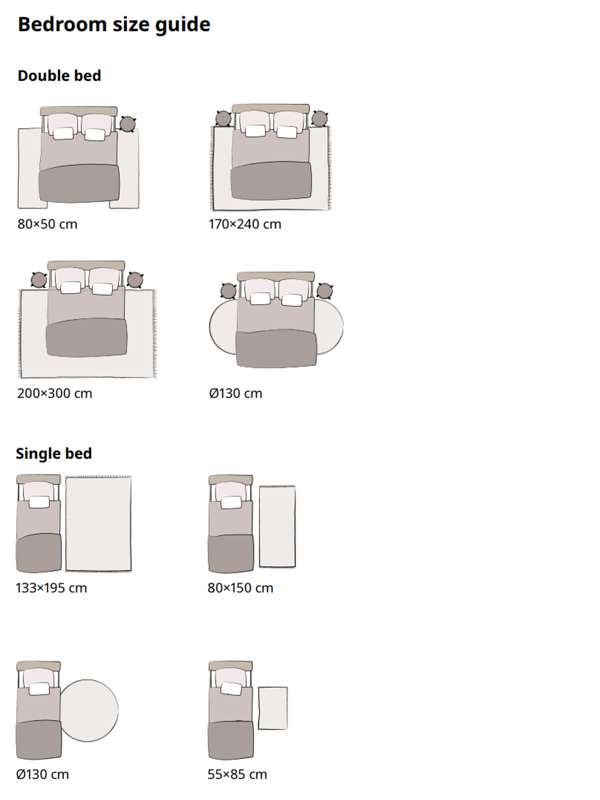
Placing a rug under the bed adds warmth and softness. The rug should extend beyond the bed edges to create a balanced look.
For a queen bed, a 8x10 feet rug works well. For a king bed, choose a 9x12 feet rug or larger.
- Rug should extend 18-24 inches beyond the bed on all sides
- Leave enough floor space for walking around the bed
- Use thin rugs to avoid uneven surfaces under the bed
Rugs For Side And Foot Placement
You can place smaller rugs on each side of the bed or at the foot. These rugs offer comfort when you get out of bed.
Side rugs should be about 2x3 feet or 3x5 feet. The foot rug can be larger if space allows, like 4x6 feet.
- Side rugs: place one on each side for balance
- Foot rug: place at the end of the bed for extra style
- Choose rugs that match the room’s colors and texture
Master Bedroom Rug Sizes
Master bedrooms often have more space, so you can use larger rugs. The rug size depends on bed size and room layout.
Common sizes for master bedrooms are 9x12 feet or 10x14 feet. These rugs cover a large area and anchor the furniture.
- For king beds, use 9x12 or larger rugs
- For queen beds, 8x10 rugs work well
- Rugs should extend beyond furniture edges for a unified look
Dining Room Rug Sizing Tips
Choosing the right rug size can change the look of your dining room. The rug should fit the table and chairs well.
A good-sized rug adds comfort and style without making the space feel crowded.
Rug Size For Small Dining Areas
Small dining areas need rugs that do not overwhelm the space. Pick a rug that leaves some floor space around the edges.
A rug about 6 feet by 9 feet often works well for smaller tables and rooms.
- Leave at least 18 inches of floor visible around the rug
- Choose a rug that fits under the table and chairs
- Keep the size proportional to the room
Rug Size For Large Dining Tables
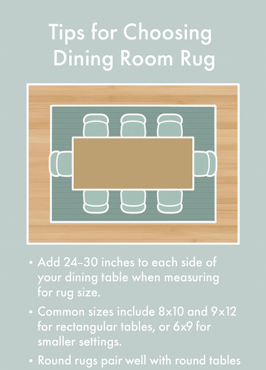
Large dining tables need bigger rugs to hold the table and chairs. The rug should extend well beyond the table edges.
A rug size of 9 feet by 12 feet or larger usually fits big tables and chairs comfortably.
- Ensure the rug covers the entire dining set area
- Leave enough space for chairs to move without leaving the rug
- Match rug size with room size to keep balance
Preventing Chair Snagging
Chair legs can catch on rug edges if the rug is too small. This causes discomfort and damage to both rug and chairs.
Choose a rug that allows chairs to stay on the rug even when pulled out.
- Make sure the rug extends 24 inches beyond the table on all sides
- Use rugs with low pile to reduce chair catching
- Check rug edges for secure binding to prevent fraying

Credit: www.slumberland.com
Rugs For Entryways And Hallways
Choosing the right size rug for entryways and hallways helps make these spaces look neat and welcoming. Rugs protect floors and add style to narrow or busy areas.
The size of the rug depends on the area and how much floor you want to cover. Let’s look at runner rug lengths, entryway rug widths, and durability tips.
Runner Rug Lengths
Runner rugs are long and narrow, perfect for hallways. The length should match the hallway length but leave some floor visible at both ends.
Leaving 6 to 12 inches of floor at each end keeps the rug balanced and safe. Too short or too long rugs may look odd or cause tripping.
- Measure your hallway length first
- Choose a runner 12 to 24 inches shorter than the hallway
- Make sure the rug lies flat and fits well
Entryway Rug Widths
Entryway rugs should be wide enough to cover the floor but not block doors. A good width leaves some floor space on each side.
Most entryway rugs are between 24 and 36 inches wide. The width depends on your door size and the entryway space.
- Measure the width of your entryway
- Pick a rug at least as wide as the door
- Leave 6 to 12 inches of floor visible on each side
Durability Considerations
Entryways and hallways have heavy foot traffic. Choose rugs made from strong materials that can handle wear and dirt.
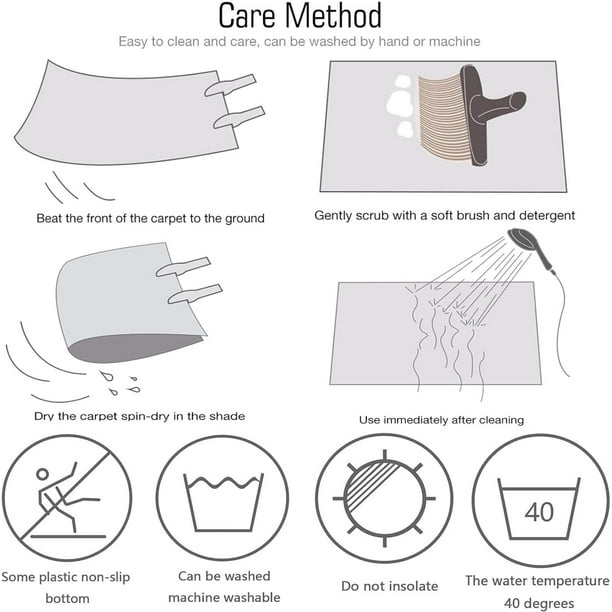
Look for rugs that are easy to clean and resist stains. Flatweave and low-pile rugs work well in these busy spots.
- Pick rugs with durable fibers like wool or synthetic blends
- Choose low-pile rugs for easier cleaning
- Consider rugs with stain-resistant finishes
- Use rug pads to prevent slipping and protect floors
Rug Placement Rules
Choosing the right size for an area rug changes how a room feels. Rugs add warmth and style. The way you place your rug matters a lot.
Good rug placement helps connect furniture and defines spaces. It makes rooms look balanced and inviting. Follow simple rules to place rugs well.
Spacing Around Furniture
Leave some space between the rug and furniture legs. This space keeps the room from feeling crowded. Usually, 8 to 18 inches of space works well.
If the rug is under a table, make sure it is large enough. Chairs should stay on the rug even when pulled out.
- Keep 8-18 inches between rug edge and walls or furniture
- All front legs of furniture should rest on the rug
- For dining tables, extend the rug 24 inches beyond chairs
Layering Rugs
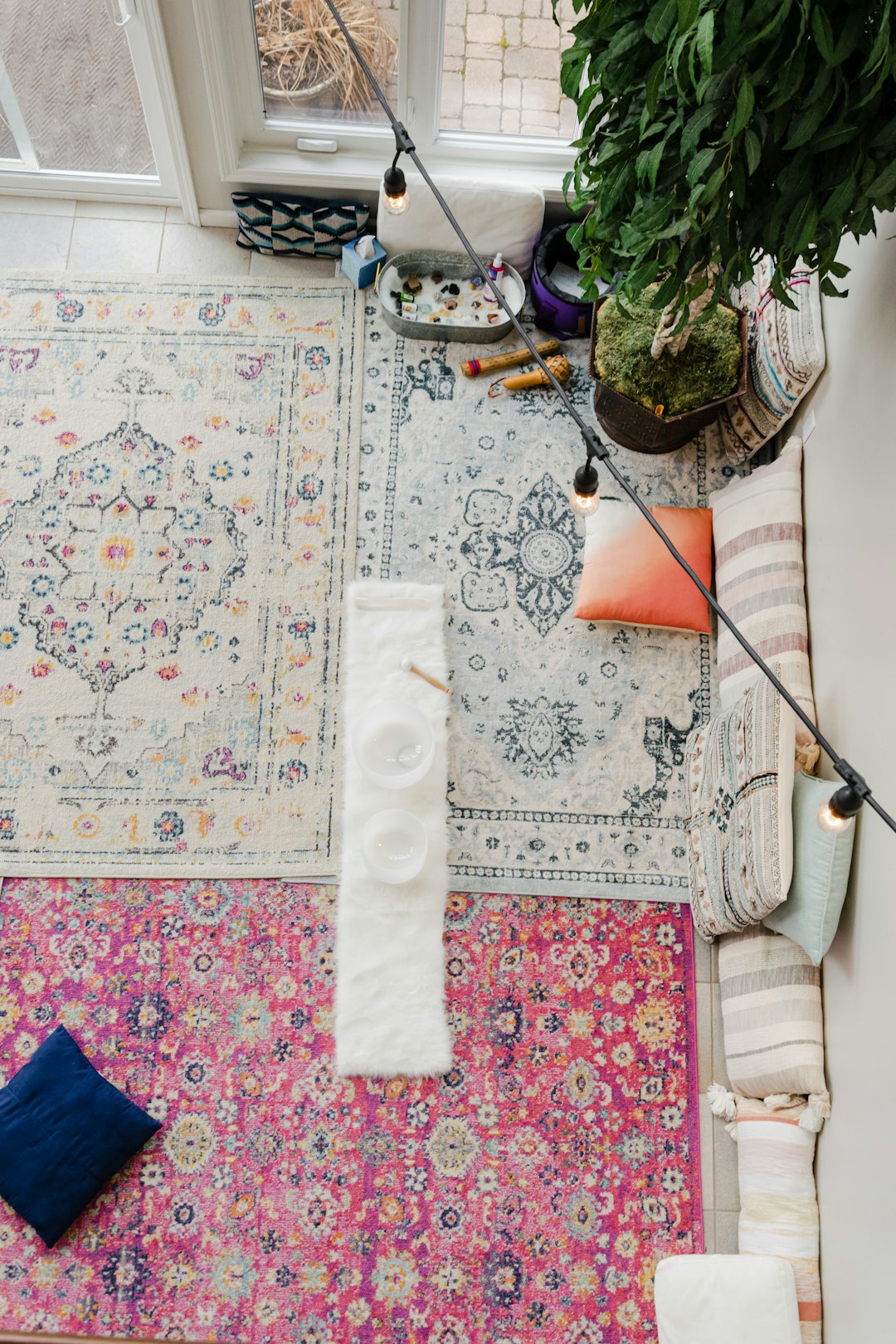
Layering rugs adds texture and interest to a room. Use a large, neutral rug as the base. Then add a smaller, patterned rug on top.
Make sure the rugs complement each other. The bottom rug should be big enough to hold the furniture. The top rug can be a decorative accent.
- Start with a large base rug
- Add a smaller rug on top for contrast
- Keep furniture legs on the base rug
- Use rugs with different textures or patterns
Balancing Room Proportions
Choose a rug size that fits the room. Too small rugs make spaces feel disconnected. Too big rugs can overwhelm the room.
Match the rug size to the seating area. Leave some floor space visible around the rug edges. This balance makes the room look neat and cozy.
- Rug should cover at least the front legs of furniture
- Leave 12-24 inches of floor visible around the rug
- Use larger rugs in bigger rooms
- Smaller rugs work well in compact spaces
Credit: www.ikea.com
Common Rug Shapes And Sizes
Area rugs come in many shapes and sizes. Choosing the right size helps your room look balanced.
Different shapes fit different spaces better. This guide covers rectangular, round, oval, and square rugs.
Rectangular Rugs
Rectangular rugs are the most common shape. They work well in living rooms, dining rooms, and bedrooms.
Typical sizes include 5x8 feet, 8x10 feet, and 9x12 feet. Choose a size that fits under key furniture.
- 5x8 feet fits small to medium rooms
- 8x10 feet suits larger living areas
- 9x12 feet works well with big furniture sets
Round Rugs
Round rugs add softness to a room. They are great for small spaces or under round tables.
Common sizes include 4 feet, 6 feet, and 8 feet diameter. Pick a size that fits the room shape.
- 4 feet diameter fits small chairs or corners
- 6 feet diameter works under dining tables for four
- 8 feet diameter suits larger round tables or seating areas
Oval And Square Options
Oval rugs offer a unique shape that blends well with many furniture layouts. They soften sharp corners.
Square rugs are less common but work well in modern rooms. They fit well under square tables or in small spaces.
- Oval rugs often come in sizes like 5x8 feet or 6x9 feet
- Square rugs commonly appear as 6x6 feet or 8x8 feet
- Choose based on the furniture and room shape
Measuring Tips Before Buying
Choosing the right size area rug can change how your room feels. Measuring your space helps you pick a rug that fits well.
Use simple tools and ideas to see what size looks best before buying a rug.
Using Tape Measures
Start by measuring the floor space where you want the rug. Use a tape measure to get exact lengths and widths.
Write down the measurements to compare with rug sizes. Measure both the width and length of the area.
- Measure from wall to wall if the rug covers the whole floor
- Measure under furniture if the rug goes beneath it
- Note any shapes like corners or curves
Visualizing Rug Size
Imagine how the rug will look in your room. Use painter’s tape on the floor to mark the rug’s edges.
This helps you see if the size feels right before buying. It also shows how much space the rug will cover.
- Mark the rug’s length and width on the floor
- Walk around the taped area to check flow
- Adjust the tape size if it feels too big or small
Testing Layouts
Try placing smaller rugs or blankets on the floor to test different sizes. This helps you see how the rug fits with furniture.
Move furniture slightly to find the best look. Testing layouts prevents buying a rug that does not fit well.
- Use old rugs or blankets to mimic sizes
- Arrange sofas and chairs around the test rug
- Check walking space around the rug edges
Matching Rugs To Room Style
Choosing the right rug size depends on your room style. The rug should fit well with your furniture and decor.
This guide helps you pick the best rug size for modern, traditional, and eclectic rooms.
Modern Spaces
Modern rooms have clean lines and minimal furniture. Rugs should be large enough to hold key pieces.
Place the front legs of sofas and chairs on the rug. This creates a connected and open look.
- Choose rugs that extend beyond furniture edges
- Use simple patterns or solid colors
- Keep the rug size proportional to the room size
Traditional Rooms
Traditional rooms often have many pieces of furniture. A larger rug helps unify the space.
Make sure all furniture legs rest on the rug. This adds warmth and balance to the room.
- Use rugs that cover most of the floor
- Choose classic patterns like florals or oriental designs
- Match rug colors to wood tones and upholstery
Eclectic Designs
Eclectic rooms mix styles and colors. Rugs can be bold and playful in size and shape.
Try different rug sizes to define areas or add interest. Layer rugs for texture and depth.
- Use rugs to highlight unique furniture pieces
- Mix patterns but keep a consistent color scheme
- Experiment with odd shapes and sizes
Frequently Asked Questions
What Size Rug For A Living Room?
For a living room, the rug should fit under the front legs of your furniture. Typically, an 8x10 or 9x12 rug suits most living rooms. Ensure there's 18 inches of floor exposed around the rug's perimeter for balance.
How To Choose Rug Size For Dining Room?
Choose a rug large enough for the dining table and chairs. Ideally, the rug should extend at least 24 inches beyond the table edges. This ensures chairs remain on the rug even when pulled out, enhancing comfort and aesthetic appeal.
Should An Area Rug Cover The Entire Floor?
No, an area rug should leave some floor exposed. Typically, aim for 18 inches of exposed floor around the rug. This creates a border that frames the room, adding depth and dimension to your space while maintaining balance.
What Size Rug For Under A Queen Bed?
For a queen bed, a rug should measure 8x10 feet. This size provides coverage for the bed and nightstands. It extends beyond the foot and sides of the bed, creating a cozy and well-proportioned look.
Conclusion
Choosing the right rug size shapes your room’s look and feel. Rugs that fit well make spaces feel cozy and balanced. Small rugs can make rooms look scattered and empty. Large rugs create a unified, warm atmosphere. Measure your space first, then pick a rug that fits.
Remember, the rug should match your furniture layout and room size. A well-chosen rug ties your room together beautifully. Keep these tips in mind for a comfortable, stylish space.