Is your memory foam bed feeling too warm at night? You’re not alone.
Many people love the comfort of memory foam but struggle with overheating while they sleep. If you’ve been tossing and turning, waking up sweaty, or just can’t get comfortable, you need simple, effective ways to cool down your bed—and get the restful sleep you deserve.
Keep reading, because this guide will show you easy tips and tricks to make your memory foam bed feel fresh and cool all night long. Your best night’s sleep is just a few steps away.
Credit: www.tomsguide.com
Causes Of Heat In Memory Foam Beds
Memory foam beds are popular for comfort but can feel warm at night. Many people notice heat builds up while they sleep. Understanding why memory foam retains heat helps improve sleep quality.
This article explains the main causes of heat in memory foam beds. It covers how the foam and environment affect temperature.
How Memory Foam Retains Heat
Memory foam is dense and soft, which helps it mold to your body. This density also traps heat inside the material. Unlike other mattresses, memory foam does not allow air to flow easily.
The slow response of memory foam means it holds on to heat longer. Once warmed, the foam takes time to cool down. This can make the mattress feel hotter during the night.
- Dense foam blocks air circulation
- Slow cooling due to material properties
- Heat stays trapped inside the foam layers
Impact Of Body Heat And Environment
Your body produces heat while sleeping. This heat transfers to the mattress and raises its temperature. Memory foam absorbs this body heat quickly.
The room temperature and bedding also affect how warm the mattress feels. Warm rooms or heavy blankets add extra heat. Poor airflow around the bed makes cooling harder.
- Body heat warms the memory foam
- High room temperature increases mattress heat
- Thick blankets trap heat inside the bed
- Limited airflow slows heat dissipation

Credit: www.amazon.com
Choosing The Right Mattress Topper
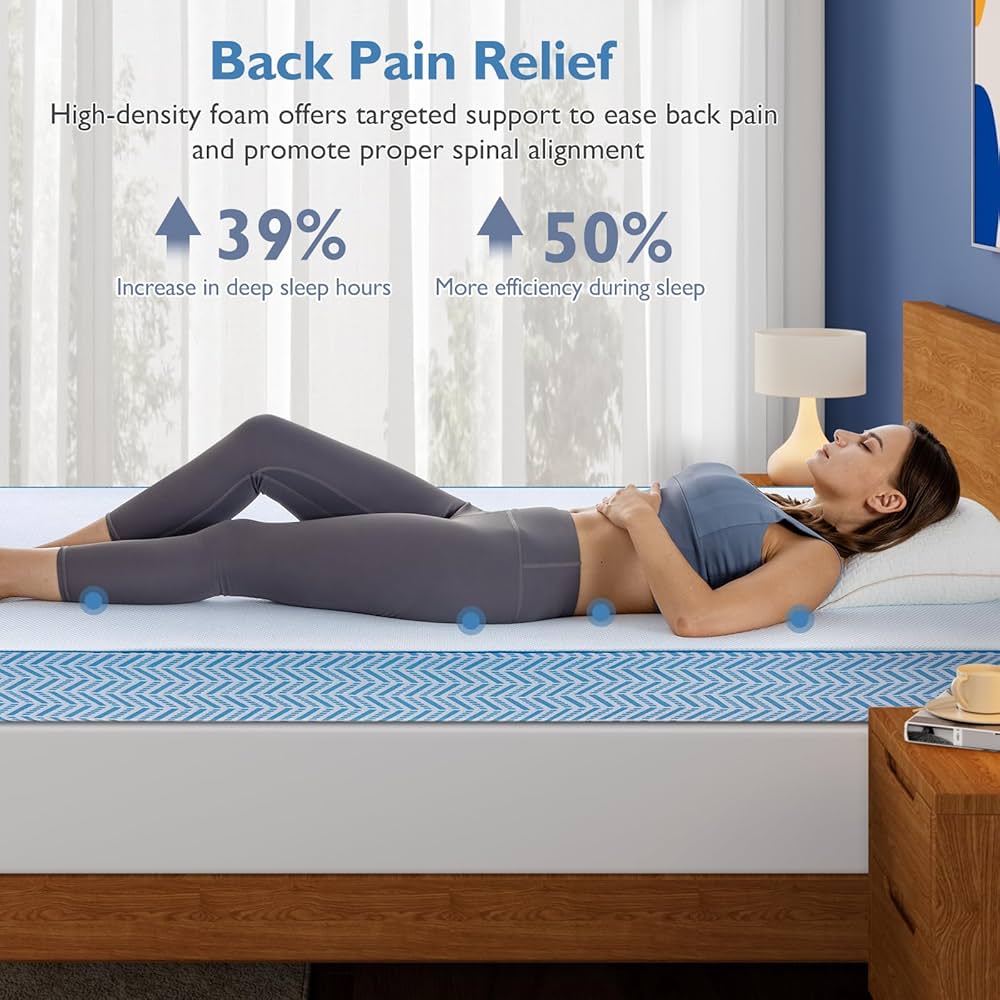
Memory foam beds can get warm while you sleep. A good mattress topper helps cool down your bed. It adds comfort and improves airflow.
Selecting the right topper can make your bed feel cooler and more comfortable. Look for materials that reduce heat buildup.
Cooling Gel And Latex Options
Cooling gel toppers have gel beads or layers that absorb heat. They help keep your body cool all night. Latex toppers are naturally breathable and stay cooler than memory foam.
Gel toppers work well if you feel hot often. Latex is a good choice if you want a soft but cool surface that lasts a long time.
- Gel toppers pull heat away from your body
- Latex allows air to flow through its open cells
- Both reduce pressure points and improve comfort
Breathable Materials To Consider
Look for toppers made with breathable covers and fillings. Natural fibers like cotton or bamboo help air move. Some toppers use shredded foam for better airflow.
Breathable materials prevent heat from trapping inside the bed. They also reduce sweat and keep your sleeping space fresh.
- Natural cotton or bamboo covers increase airflow
- Shredded foam toppers allow heat to escape
- Open-cell foam improves breathability
- Materials that wick moisture keep you dry
Improving Bedroom Ventilation
Memory foam beds can trap heat, making sleep uncomfortable. Good bedroom ventilation helps cool the bed down. It lets fresh air flow and removes warm air.
Improving air movement in your room can lower temperature. This keeps you cooler and improves your sleep quality.
Using Fans And Air Circulation
Fans help move air around the bedroom. This stops hot air from staying near the bed. Use ceiling fans or portable fans for better airflow.
Place a fan near your bed to push cool air under and around it. This helps cool the memory foam faster.
- Use a ceiling fan to circulate air evenly.
- Position a floor fan to direct air under the bed.
- Try a small desk fan if space is limited.
- Keep fans running while you sleep for steady air flow.
Optimal Window Placement
Windows let fresh air enter and warm air exit. Open windows on opposite walls to create a cross breeze. This air movement cools the room and your bed.
Keep windows clear of obstructions. This allows air to flow freely and improves ventilation.
- Open windows on opposite sides for best airflow.
- Use window screens to keep bugs out.
- Clear curtains or blinds to allow air movement.
- Open windows during cooler parts of the day.
Selecting Breathable Bedding
Cooling a memory foam bed starts with choosing the right bedding. Breathable bedding helps air flow and reduces heat buildup.
Good bedding keeps you cool and comfortable through the night. It works well with the mattress to improve your sleep.
Natural Fibers Vs Synthetic
Natural fibers like cotton and linen let air pass through easily. They absorb moisture and help keep you dry.
Synthetic fibers such as polyester trap heat more than natural fibers. They may feel less cool, but some can wick moisture well.
- Cotton is soft and breathable, good for warm nights.
- Linen is strong, cool, and dries quickly.
- Polyester can trap heat but dries fast.
- Blends mix natural and synthetic for balance.
Benefits Of Moisture-wicking Sheets
Moisture-wicking sheets pull sweat away from your skin. This helps you stay dry and cool while you sleep.
These sheets speed up drying and reduce the feeling of dampness. They work well with memory foam beds that can trap heat.
- Keep skin dry to prevent overheating.
- Improve comfort by reducing stickiness.
- Help maintain a cooler sleeping surface.
- Are often made from special synthetic fibers.
Temperature Control Techniques
Memory foam beds tend to hold heat more than other beds. This can make sleeping uncomfortable on warm nights. Using temperature control techniques helps keep the bed cool.
Cooling a memory foam bed improves sleep quality. Simple changes in your room and bedding can make a big difference.
Adjusting Room Temperature
Keeping the room cool helps lower the temperature of your memory foam bed. Air conditioning and fans are good tools to control room temperature.
Open windows at night if the weather is cool. Use blackout curtains to block sunlight and heat during the day.
- Set thermostat between 60-67°F (15-19°C) for better sleep
- Use a fan to circulate air around the bed
- Close curtains to reduce heat from sunlight
- Open windows for fresh, cool air when possible
Using Cooling Pads And Devices
Cooling pads can help draw heat away from the memory foam. These pads often have gel or water to absorb heat and keep the surface cool.
Other devices like air circulators or cooling mattress toppers can improve airflow and reduce heat buildup on your bed.
- Gel cooling pads absorb and spread heat evenly
- Water-based cooling pads use circulation to cool the bed
- Cooling mattress toppers add breathability to memory foam
- Air circulators increase air flow under the mattress
Routine Maintenance Tips
Keeping your memory foam bed cool starts with regular care. Small habits can help air flow and reduce heat buildup.
Follow these simple tips to keep your mattress fresh and comfortable for a better night's sleep.
Regular Cleaning For Better Airflow
Dust and dirt can block air from moving through your mattress. Clean it often to keep air flowing well.
Use a vacuum with a soft brush to remove dust from the surface. Air your mattress by removing sheets and covers daily.
- Vacuum mattress once a week
- Air mattress by removing bedding daily
- Spot clean spills immediately
- Avoid using heavy mattress pads that trap heat
Flipping And Rotating The Mattress
Turning your mattress helps it wear evenly and cool down. Flip and rotate it often to prevent hot spots.
Flip the mattress head to foot and rotate it 180 degrees every few months. This improves comfort and airflow.
- Flip mattress every 3 to 6 months
- Rotate mattress 180 degrees when flipping
- Check mattress tags for specific care instructions

Credit: www.thewoolroom.com
Frequently Asked Questions
How Can I Cool My Memory Foam Bed?
To cool your memory foam bed, use breathable bedding materials. Add a cooling mattress topper for extra comfort. Ensure proper air circulation in your bedroom. Lower the room temperature with a fan or air conditioning. Try moisture-wicking sheets to keep you cool throughout the night.
Do Cooling Mattress Toppers Work?
Yes, cooling mattress toppers can effectively reduce heat retention. They are designed with cooling gel or breathable materials. These features help dissipate heat and regulate temperature. Toppers provide an additional layer of comfort. They can significantly improve your sleeping experience by keeping you cool.
What Are The Best Sheets For Cooling?
The best sheets for cooling are made from natural fibers. Consider materials like cotton, bamboo, or linen. These materials are breathable and moisture-wicking. They help regulate your body temperature during sleep. Choose sheets with a lower thread count for better airflow.
Why Does Memory Foam Retain Heat?
Memory foam retains heat due to its density. Its structure absorbs and traps body heat. This can lead to a warmer sleeping surface. While it's known for comfort, its heat retention can be a downside. Adding cooling accessories can help mitigate this issue.
Conclusion
Cooling down a memory foam bed helps you sleep better and feel rested. Use breathable sheets and a cooling mattress protector. Keep your room cool and well-ventilated. Try placing a fan nearby for extra airflow. Avoid heavy blankets that trap heat.
Small changes make a big difference in comfort. Stay cool, sleep well, and enjoy your nights more. Simple steps lead to a cooler, more refreshing bed.