Have you ever wondered how to make your bed feel more comfortable without buying a whole new mattress? A mattress topper might be the simple solution you need.
It can transform your sleep experience, improve your comfort, and even protect your mattress—all without spending a fortune. You’ll discover exactly what a mattress topper is, how it works, and why it could be the key to better sleep for you.
Keep reading to find out how to upgrade your rest with just one easy addition.
Credit: www.leesa.com
Mattress Topper Basics
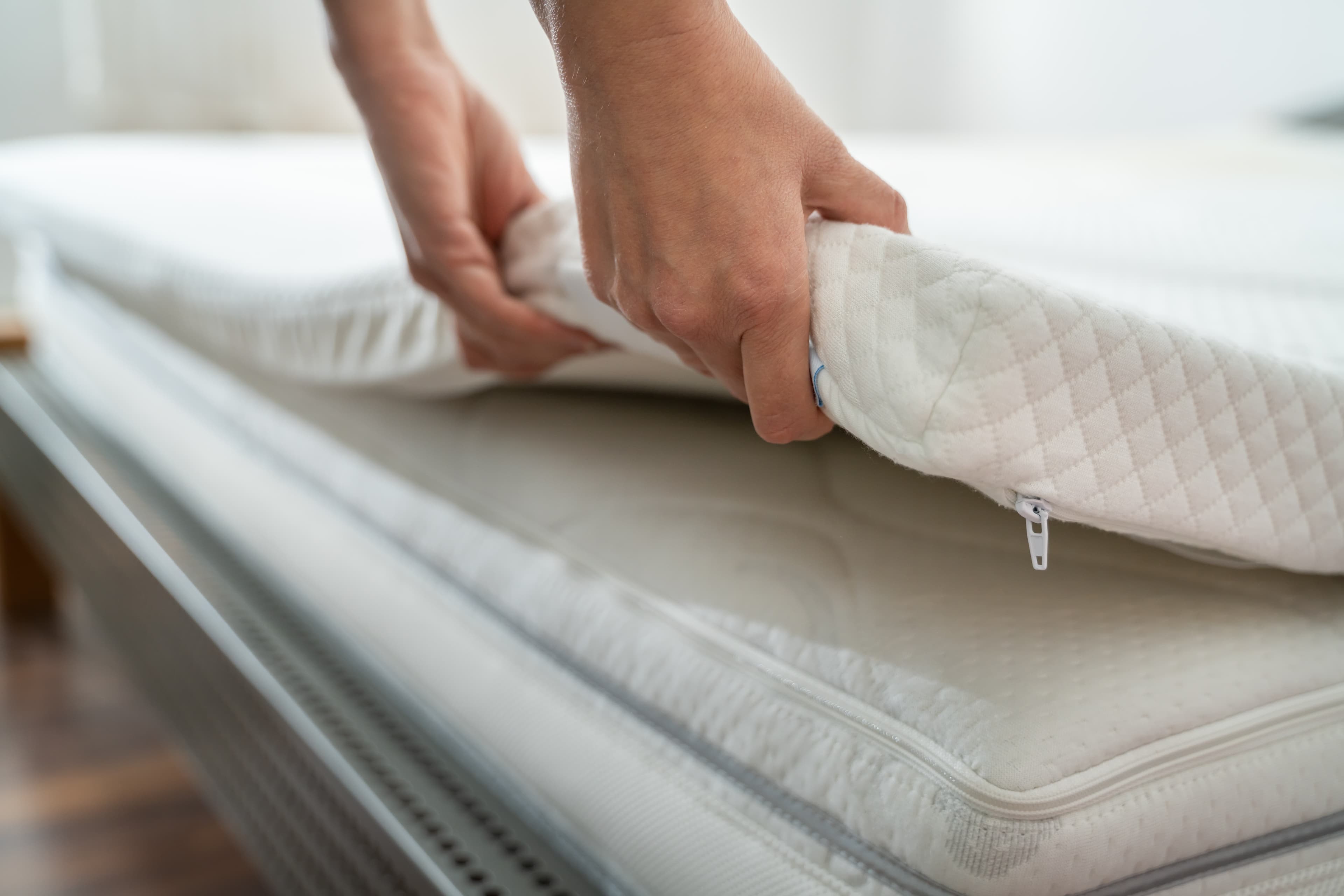
A mattress topper is a thin layer placed on top of a mattress. It changes how the mattress feels and adds comfort.
People use mattress toppers to improve sleep quality without buying a new mattress. They are easy to add or remove.
Purpose And Benefits
A mattress topper adds extra softness or support to your bed. It can fix a mattress that feels too hard or too soft.
It also protects your mattress from stains and wear. This helps the mattress last longer and stay clean.
- Improves comfort by adding softness or firmness
- Protects mattress from spills and stains
- Can reduce pressure points on your body
- Helps with temperature control during sleep
- Extends mattress life by reducing wear
Common Materials
Mattress toppers come in different materials. Each type offers unique comfort and support features.
Choosing the right material depends on your needs for softness, support, and temperature control.
- Memory Foam:Soft, molds to your body shape for pressure relief.
- Latex:Firm and bouncy, offers good support and stays cool.
- Feather or Down:Soft and fluffy, adds plush comfort.
- Polyester Fiberfill:Affordable and soft, but less durable.
- Gel-Infused Foam:Memory foam with gel for better cooling.
Types Of Mattress Toppers
Mattress toppers add comfort and support to your bed. They come in many materials and styles.
Choosing the right type helps improve your sleep and mattress life.
Memory Foam
Memory foam toppers mold to your body shape. They relieve pressure points and reduce pain.
This type is good for people who want extra support and softness.
Latex
Latex toppers are made from natural or synthetic rubber. They feel bouncy and responsive.
They resist dust mites and mold, making them good for allergy sufferers.
Feather And Down
Feather and down toppers are soft and fluffy. They add a plush layer to your mattress.
They may need regular fluffing to keep their shape and loft.
- Lightweight and breathable
- Provide gentle cushioning
- May not suit people with allergies
Polyester And Fiberfill
Polyester and fiberfill toppers are affordable and easy to clean. They offer soft comfort.
They come in many thicknesses but may wear out faster than other types.
Choosing The Right Thickness And Density
A mattress topper can make your bed softer or firmer. Picking the right thickness and density helps you sleep better.
Thickness and density affect comfort, support, and durability. Knowing what to choose improves your rest.
Understanding Mattress Topper Thickness
Thickness is how tall the mattress topper is. It usually ranges from 1 to 4 inches.
Thicker toppers add more softness and cushioning. Thin toppers give slight comfort and keep support.
- 1 to 2 inches: Adds light comfort without changing bed feel much
- 2 to 3 inches: Offers good softness and pressure relief
- 3 to 4 inches: Gives plush feel and more body contouring
Choosing The Right Density
Density shows how heavy or firm the topper feels. It affects support and how long it lasts.
Higher density means more support and durability. Lower density feels softer but may wear out faster.
- Low density (2 to 3 lbs/ft³): Soft and less durable, good for light sleepers
- Medium density (3 to 5 lbs/ft³): Balanced comfort and support for most people
- High density (5+ lbs/ft³): Firm and very supportive, ideal for heavy sleepers
How Thickness And Density Work Together
Thickness and density combine to give your bed the right feel. Both matter for comfort and support.
Thick and dense toppers offer strong support and softness. Thin and low-density toppers add slight comfort.
| Thickness | Density | Feel |
|---|---|---|
| 1-2 inches | Low | Light comfort, soft feel |
| 2-3 inches | Medium | Balanced softness and support |
| 3-4 inches | High | Plush, firm, and supportive |
Tips For Choosing Thickness And Density
Think about your sleeping style and body weight. These help pick the best topper.
- Side sleepers may like thicker, softer toppers
- Back and stomach sleepers often need firmer, thinner toppers
- Heavier people should pick higher density for better support
- Lighter people can choose lower density for more softness

Credit: www.amazon.ca
How Mattress Toppers Improve Sleep
A mattress topper is a soft layer placed on top of your mattress. It adds extra comfort and support to your bed.
Many people use mattress toppers to improve how they sleep. They can make a bed feel softer or firmer.
Pressure Relief
Mattress toppers help reduce pressure on your body. They spread your weight evenly across the surface.
This can ease pain in areas like shoulders, hips, and back. It helps you feel more comfortable while sleeping.
Temperature Regulation
Some mattress toppers improve airflow and keep you cool. They stop heat from building up as you sleep.
Other toppers keep warmth during cold nights. This helps maintain a steady temperature for better rest.
Motion Isolation
Mattress toppers can reduce movement transfer on the bed. This means less disturbance if your partner moves.
They absorb motion so you can sleep more peacefully. This is helpful for light sleepers or couples.
Installation And Maintenance Tips
A mattress topper adds extra comfort and support to your bed. Installing and caring for it properly helps it last longer.
This guide gives simple tips for placing and cleaning your mattress topper.
Proper Placement
Place the mattress topper on a clean, flat mattress surface. Make sure it fits well without wrinkles or folds.
Align the topper edges with the mattress edges to avoid shifting during sleep.
- Remove bedding before placing the topper
- Lay the topper evenly across the mattress
- Smooth out any lumps or wrinkles
- Use straps or non-slip pads if needed
Cleaning And Care
Keep your mattress topper clean by following the care instructions on the label. Regular cleaning prevents dust and allergens.
Use a vacuum to remove dust and debris. Spot clean stains with mild detergent and water.
- Vacuum the topper every few weeks
- Spot clean stains quickly
- Air out the topper to reduce moisture
- Use a mattress protector for extra defense
- Follow washing instructions if machine washable
Common Mistakes To Avoid
Mattress toppers can improve your sleep comfort. Avoid mistakes that reduce their benefits.
Choosing or using a mattress topper wrongly can waste money and cause discomfort.
Ignoring Mattress Size Compatibility
Many people buy a mattress topper that does not fit their mattress size. A wrong size can cause slipping or bunching.
Always check your mattress dimensions before selecting a topper. A perfect fit stays in place and feels better.
Choosing The Wrong Thickness
Too thick or too thin toppers may not offer the comfort you expect. Thick toppers can make your bed feel too soft.
Thin toppers may not provide enough support or cushioning. Pick a thickness based on your comfort needs and mattress firmness.
Overlooking Material Differences
Mattress toppers come in many materials like memory foam, latex, or feather. Each feels different and suits different sleepers.
Ignoring material features can lead to heat buildup or lack of support. Choose a material that matches your sleep style and allergies.
Not Checking Care Instructions
Some mattress toppers need special cleaning or care. Ignoring this can damage the topper or cause stains.
Always read the care label before buying. Proper care keeps your topper fresh and extends its life.
Ignoring Your Sleeping Position
Your sleeping position affects the type of topper you need. Side sleepers may need more cushioning for shoulders and hips.
Back and stomach sleepers need firmer support. Choose a topper that supports your natural sleep posture.
Budgeting For A Mattress Topper
A mattress topper adds comfort to your bed without buying a new mattress. It can improve sleep quality and support.
Knowing how to budget for a mattress topper helps you find the best option for your needs and wallet.
Price Ranges
Mattress toppers come in many price ranges. Low-cost options start around $30. Mid-range toppers cost between $50 and $150. High-end toppers can go over $200.
The price depends on size, material, and thickness. Memory foam and latex toppers tend to be pricier. Polyester and fiberfill toppers are cheaper.
- Budget: $30 to $50 – Basic comfort, thinner materials
- Mid-range: $50 to $150 – Better quality and durability
- High-end: $150 and above – Premium materials and support
Value Considerations
Think about what you need from a topper before buying. Comfort and support are key. A more expensive topper might last longer.
Check the materials used and customer reviews. Sometimes a mid-range topper offers the best balance of price and quality.
- Material quality affects comfort and lifespan
- Thickness impacts support and pressure relief
- Durability helps save money over time
- Return policies and warranties add security

Credit: www.amazon.ca
Frequently Asked Questions
What Is A Mattress Topper Used For?
A mattress topper enhances comfort by adding an extra layer of cushioning. It can improve support, adjust firmness, and extend the life of your mattress. Toppers are also great for addressing specific sleep issues, like back pain, by offering targeted support and relief.
How Does A Mattress Topper Work?
A mattress topper sits atop your mattress, providing additional comfort and support. It adapts to your body, reducing pressure points and improving sleep quality. Different materials offer unique benefits, such as memory foam for contouring or latex for breathability.
Are Mattress Toppers Worth It?
Yes, mattress toppers are worth the investment for many. They can extend your mattress's life, improve comfort, and address specific sleep issues. Toppers are a cost-effective solution for upgrading your sleep environment without purchasing a new mattress.
Which Material Is Best For A Mattress Topper?
The best material depends on your needs. Memory foam offers contouring support, while latex provides breathability and resilience. Wool is ideal for temperature regulation, and feather toppers add plushness. Consider your preferences for comfort and support when choosing.
Conclusion
A mattress topper adds comfort and support to your bed. It can make an old mattress feel new again. You can choose from many types and materials. Some toppers help with pressure relief and temperature control. They are easy to use and affordable.
A good topper can improve your sleep quality. Sleep better, wake up refreshed. Try a mattress topper to feel the difference.