Are you tired of sinking too deep into your memory foam mattress every night? It can feel like you’re stuck in quicksand, making it hard to move or get comfortable.
If your mattress is causing you discomfort instead of restful sleep, you’re not alone. The good news is, you don’t have to accept this sinking feeling as your new normal. You’ll discover simple and effective ways to stop sinking into your memory foam mattress and finally enjoy the support and comfort you deserve.
Keep reading to transform your sleep experience tonight!

Credit: deskelly.ie
Causes Of Sinking In Memory Foam
Memory foam mattresses can sink over time. This makes sleeping less comfortable and can cause pain.
Understanding why sinking happens helps you fix or avoid the problem. Three main causes are material breakdown, weight effects, and poor support.
Material Breakdown Over Time
Memory foam wears out as you use it. The foam loses its shape and support after many years.
Heat and pressure make the foam break down faster. This causes soft spots and sagging areas.
- Foam cells collapse and lose bounce
- Foam becomes thinner and less firm
- Surface shows dents where you lie most
Weight Distribution Effects
Your body weight pushes down on the mattress. If the weight is not spread evenly, the foam sinks more in some spots.
People who weigh more or sleep in one position a lot see faster sinking. Uneven weight creates deep impressions.
- Heavy parts press foam more
- Pressure points cause deep dents
- Side sleepers may see sinking on edges
Improper Mattress Support
Memory foam needs a strong base to work well. Weak or broken bed frames let the mattress sag.
Using the mattress on the floor or a bad foundation reduces its lifespan. Proper support keeps the foam firm and flat.
- Slats too far apart cause sagging
- Broken frames create uneven pressure
- Wrong foundation types reduce foam support
Choosing The Right Memory Foam
Memory foam mattresses can feel soft and comfy. Sometimes, they can feel like you are sinking too much. Choosing the right type of memory foam helps avoid this problem.
Look at the density, firmness, temperature factors, and thickness. These features affect how much you sink into the mattress.
Density And Firmness Levels
Density shows how heavy the foam is per cubic foot. Higher density means firmer support and less sinking. Lower density feels softer but may sink too much.
Firmness levels range from soft to extra firm. Choose a firmness that keeps your body lifted. Medium-firm foams often balance comfort and support well.
- Low density (3-4 lb/ft³): soft and sinks more
- Medium density (4-5 lb/ft³): medium firmness and support
- High density (5+ lb/ft³): firm and less sinking
- Soft firmness: more body contouring
- Medium firmness: balanced comfort and support
- Firm firmness: minimal sinking, strong support
Temperature Sensitivity Factors
Memory foam reacts to heat and softens as your body warms it. This can cause more sinking if foam is very temperature sensitive. Look for foams with lower temperature sensitivity.
Foams with gel or open-cell technology stay cooler and firmer. These types reduce the feeling of sinking too much during sleep.
- Standard memory foam softens with body heat
- Gel-infused foam stays cooler and firmer
- Open-cell foam allows airflow and less heat buildup
- Lower temperature sensitivity means firmer feel
Thickness Considerations
Thicker memory foam layers can feel softer and cause more sinking. Thinner layers offer firmer support and less sinkage. Choose thickness based on your comfort and support needs.
Mattresses with multiple layers can balance softness and support. The top foam layer affects comfort while bottom layers provide firmness.
- 3 inches or less: firmer feel, less sinking
- 4 to 5 inches: medium softness and support
- 6 inches or more: softer feel, more sinking
- Layered foams mix soft top and firm bottom
Enhancing Mattress Support
Memory foam mattresses can feel very soft and cozy. Sometimes, you might sink too much into them. This can cause discomfort and affect your sleep quality.
Improving the support of your mattress helps you sleep better. You can use a few simple ways to stop sinking too deep into memory foam.
Using A Solid Foundation
A strong base supports your mattress well. It stops the mattress from sagging and keeps it firm. Solid foundations include platform beds, slatted frames with close slats, or bunkie boards.
Check if your bed frame has wide slats spaced closely together. If the slats are too far apart, the mattress can sink between them. Adding a bunkie board helps create a flat, sturdy surface.
- Use a platform bed or solid wood base
- Ensure slats are no more than 3 inches apart
- Add a bunkie board under the mattress if needed
Adding A Mattress Topper
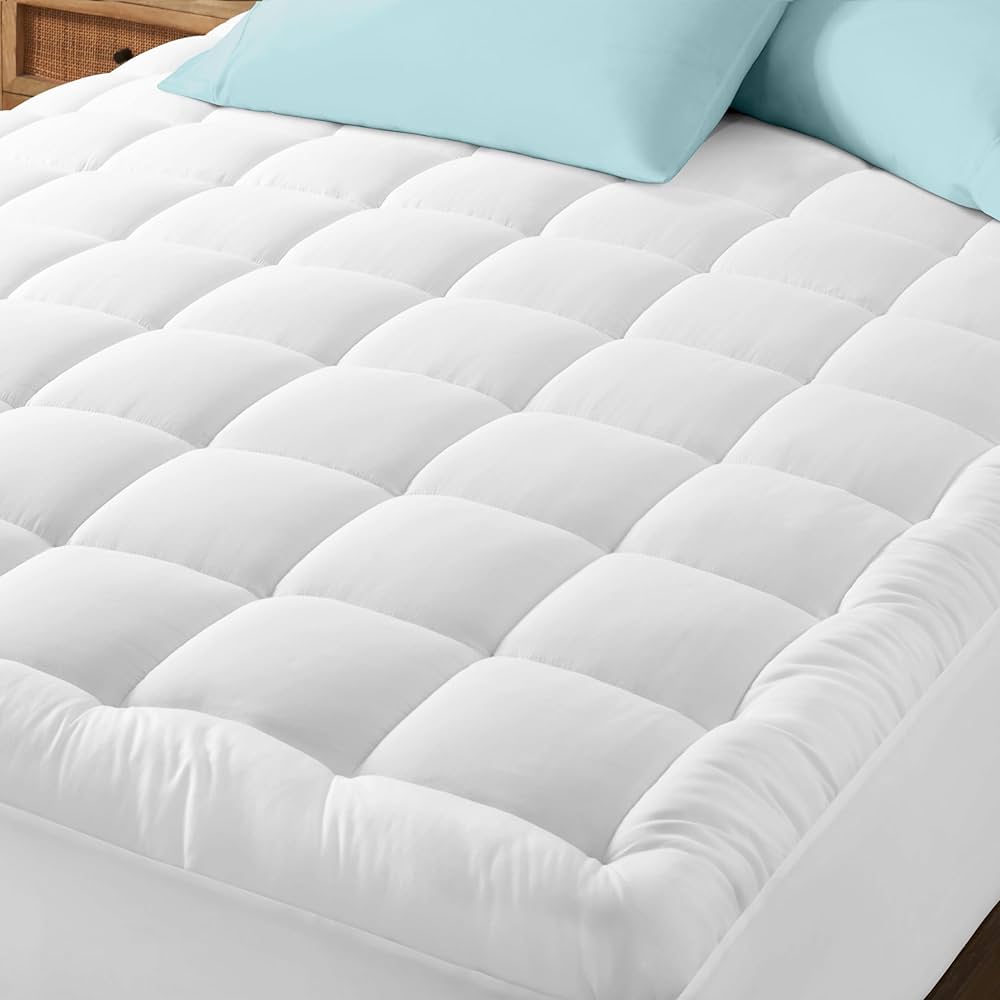
A mattress topper adds an extra layer of support or firmness. Firm toppers can reduce the feeling of sinking. Look for toppers made from latex or firm foam for better support.
Top your memory foam mattress with a firm topper. This helps distribute your weight more evenly. It also makes the bed feel less soft and more supportive.
- Choose firm or latex mattress toppers
- Avoid soft, plush toppers if you want more support
- Replace toppers every few years for best results
Rotating And Flipping Techniques
Rotating your mattress regularly helps it wear evenly. This stops certain areas from sinking more than others. Turning the mattress head to foot is a good practice.
If your mattress is double-sided, flip it over every few months. This spreads the pressure evenly on both sides. For single-sided mattresses, just rotate them regularly.
- Rotate mattress 180 degrees every 3 months
- Flip mattress if it is double-sided
- Check mattress care instructions before flipping
Lifestyle Adjustments For Better Comfort
Sinking into a memory foam mattress can feel cozy but may cause discomfort. Making lifestyle changes can help you sleep better.
Simple habits and small adjustments improve how you rest on your mattress. This helps reduce sinking and adds support.
Adjusting Sleep Positions
Your sleep position changes how your body presses into the mattress. Some positions cause you to sink more than others.
Try to sleep on your back or side, where your weight spreads evenly. Avoid curling too tightly or lying on your stomach.
- Back sleeping helps keep your spine aligned
- Side sleeping spreads weight across hips and shoulders
- Stomach sleeping puts extra pressure on your body
Weight Distribution Tips
How you place your body affects how much you sink into memory foam. Even weight helps reduce deep sinking.
Use pillows to support areas that carry more weight. This helps balance your body and reduces pressure points.
- Put a pillow under your knees if you sleep on your back
- Use a pillow between your knees for side sleeping
- Add small cushions to support your lower back
Maintaining Proper Sleep Hygiene
Good sleep habits improve your overall comfort on any mattress. They help your body relax and rest well.
Keep a regular sleep schedule and create a calm bedroom environment. This supports better sleep and less tossing.
- Go to bed and wake up at the same time every day
- Keep your bedroom cool, dark, and quiet
- Avoid screens and caffeine before bedtime
When To Replace Your Memory Foam Mattress
Memory foam mattresses provide good comfort by molding to your body. Over time, they can start to sink or lose support. Knowing when to replace your mattress helps keep your sleep healthy.
This guide explains key signs that show your mattress needs replacing. It looks at sagging, sleep quality, and mattress lifespan.
Signs Of Excessive Sagging
Sagging means your mattress has deep dips where your body rests. This can cause discomfort and poor support. Check your mattress surface for uneven areas or soft spots.
- Noticeable body impressions deeper than 1.5 inches
- Edges that feel much softer or collapse easily
- Uneven surface that does not bounce back
Impact On Sleep Quality
A sinking mattress can cause poor spine alignment. This leads to back or neck pain. You may wake up feeling tired or sore. Sleep can become restless due to discomfort.
If you notice more tossing and turning or morning aches, your mattress might be the cause. Good support is key for deep, refreshing sleep.
Evaluating Mattress Lifespan
Memory foam mattresses usually last 7 to 10 years. This depends on foam quality and how you care for it. Older mattresses lose their shape and support over time.
- Check the purchase date to know mattress age
- Look for signs of wear like sagging or lumps
- Consider replacing if mattress is older than 8 years

Credit: kurlon.com

Credit: www.thewoolroom.com
Frequently Asked Questions
Why Do Memory Foam Mattresses Sink?
Memory foam mattresses sink due to prolonged pressure and heat. Over time, the foam loses its resilience. This often results in body impressions forming where you sleep. Regularly rotating the mattress and using a mattress topper can help reduce sinking.
Proper care and maintenance can extend the mattress's lifespan.
How Can I Prevent Mattress Sinking?
To prevent mattress sinking, rotate your mattress every 3-6 months. Use a sturdy bed frame to support evenly. Adding a high-quality mattress topper can distribute weight better. Avoid sitting on the edges, as it can cause uneven wear. Proper care ensures longevity and comfort.
Does Mattress Firmness Affect Sinking?
Yes, mattress firmness affects sinking. A firmer mattress provides better support and reduces sinking. Softer mattresses conform more to the body, increasing the chance of sinking. Choose a firmness level that aligns with your body type and sleep preferences for optimal comfort and support.
Can A Mattress Topper Help With Sinking?
Yes, a mattress topper can help with sinking. It adds an extra layer of support and comfort. This can help distribute your weight more evenly and extend the mattress's life. Choose a dense topper for better support. Regular maintenance of both topper and mattress is essential.
Conclusion
Stopping your mattress from sinking improves your sleep quality. Choose a firmer mattress or add a mattress topper. Rotate your mattress regularly to keep it even. Use a solid bed frame for better support. These steps help your mattress last longer.
Enjoy a comfortable and restful night every time. Small changes make a big difference in comfort. Sleep well and wake up refreshed each day.