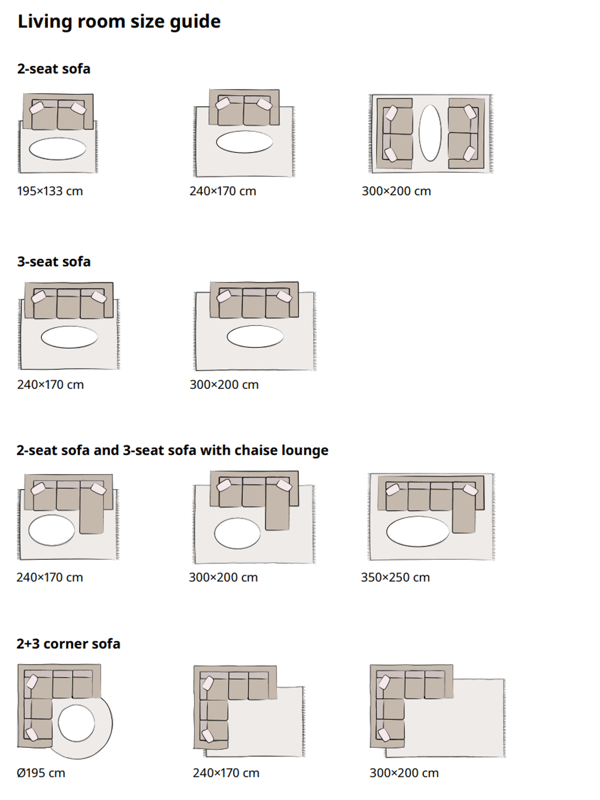
Choosing the perfect area rug can transform your space, but getting the size right is key. Have you ever picked out a rug that looked great online, only to find it too small or too big when it arrived?
That frustration is common—but it doesn’t have to be your story. Measuring for an area rug is easier than you think, and doing it correctly will make your room feel balanced and inviting. Keep reading, and you’ll learn simple, foolproof steps to measure your space like a pro.
Your perfect rug is just a few measurements away.
Choosing The Right Rug Size
Choosing the right rug size makes your room look balanced and cozy. A rug that is too small or too big can change the feel of the space.
To find the perfect rug size, you need to measure your room carefully. Think about the room shape and how you use the space.
Consider Room Dimensions
Measure the length and width of your room first. This helps you see how much space you have for a rug.
Leave some floor space around the rug. This makes the room look larger and keeps the rug from crowding the walls.
- In large rooms, leave 18-24 inches of floor space around the rug.
- In smaller rooms, leave about 8-12 inches around the rug.
- Use a tape measure for exact room size.
Account For Furniture Placement
Think about where your furniture sits before choosing a rug size. The rug should fit under key pieces like sofas or tables.
A rug that fits well with furniture creates a neat and inviting look. It also helps define areas in open rooms.
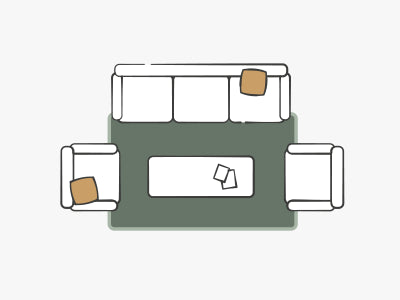
- In living rooms, place the rug under the front legs of sofas and chairs.
- In dining rooms, pick a rug that fits all chairs even when pulled out.
- Make sure the rug is large enough so furniture does not hang off edges.
Common Rug Sizes And Uses
Rugs come in many sizes. Knowing common sizes helps you match the rug to your room and furniture.
| Rug Size | Best Use | Room Type |
|---|---|---|
| 4x6 feet | Small areas or under small furniture | Entryway, bedroom |
| 5x8 feet | Under coffee tables or medium seating | Living room, office |
| 8x10 feet | Large seating areas, dining tables | Living room, dining room |
| 9x12 feet | Big rooms with full furniture sets | Living room, large bedrooms |
Credit: ruggallery.net
Tools Needed For Measuring
Measuring an area rug correctly starts with having the right tools. These tools help you get exact measurements for the perfect fit.
Using the proper tools makes the process easier and reduces mistakes. Let’s look at the essential tools for measuring.
Measuring Tape Essentials
A measuring tape is the most common tool for measuring rugs. It is flexible and easy to use for both small and large areas.
Choose a tape that is at least 12 feet long. This length covers most room sizes and rug dimensions.
- Use a metal or fiberglass tape for durability
- Make sure the tape has clear, easy-to-read numbers
- Lock feature helps hold the tape in place while measuring
Using A Laser Measure
A laser measure works well for quick and precise measurements. It uses a laser beam to measure distances.
This tool is good for large rooms or hard-to-reach places. It saves time and gives accurate results.
- Point the laser at the wall or floor edge
- Read the measurement on the device screen
- Use it for straight lines and corners
Marking Tools For Accuracy
Marking tools help you note the exact spots to measure. They ensure you measure the correct area without guessing.
Use tools that do not damage your floor or walls. Chalk, painter’s tape, or removable stickers work well.
- Chalk leaves temporary marks on hard floors
- Painter’s tape sticks without leaving residue
- Removable stickers show exact points clearly
Step-by-step Measuring Process
Measuring for an area rug helps you find the right size. A well-sized rug fits your space and furniture well.
This guide shows how to measure your room and furniture for the perfect rug placement.
Measure Room Length And Width
Start by measuring the room's length and width in feet or inches. Use a tape measure for accuracy.
Write down these numbers to compare with rug sizes. This helps avoid buying a rug that is too big or small.
- Place the tape measure along one wall for length
- Stretch it across the opposite wall for width
- Note the measurements carefully
Mark Furniture Boundaries
Mark where your furniture sits on the floor. This shows where the rug will go under or around furniture.
Use painter’s tape or paper to outline the furniture edges. This helps you see the open floor space.
- Mark sofa, chairs, and tables on the floor
- Leave space between furniture and walls
- Check if rug should fit under legs or stop before furniture
Calculate Rug Placement Space
Decide how much floor space you want the rug to cover. This depends on room size and furniture layout.
Measure the open area inside your furniture boundaries. Add extra inches for a balanced look.
- Measure space between furniture marks
- Add 12 to 24 inches around furniture legs if desired
- Choose a rug size that fits this space
Tips For Different Rooms
Measuring for an area rug needs care. Different rooms need different sizes and shapes.
Knowing the right rug size helps make your room look better and feel cozy.
Living Room Rug Placement
In the living room, choose a rug that fits under your furniture. It should connect the space.
Make sure the rug is big enough for the front legs of your sofa and chairs to rest on it.
- Measure the seating area first.
- Leave space between the rug edge and walls.
- Common rug sizes: 5x8, 8x10, 9x12 feet.
Bedroom Rug Sizing
In the bedroom, place rugs so you step on something soft when getting out of bed.
Rugs can go under the bed or beside it, depending on the size of the room and bed.
- For queen or king beds, use rugs at least 8x10 feet.
- Make sure rugs extend 18-24 inches beyond the bed sides.
- Smaller rugs work well on each side of the bed.
Dining Room Rug Considerations
Pick a rug size that fits the dining table and chairs. It should hold the chairs even when pulled out.
Make sure there is enough space to move chairs without leaving the rug.
- Add at least 24 inches of rug around the table on all sides.
- Choose a rug shape that matches the table shape.
- Measure the dining area before buying a rug.
Adjusting For Rug Shape
Measuring an area rug is different for each shape. The shape changes how you find the right size.
Knowing the shape helps you measure the space correctly. It also makes sure the rug fits well.
Rectangular Rugs
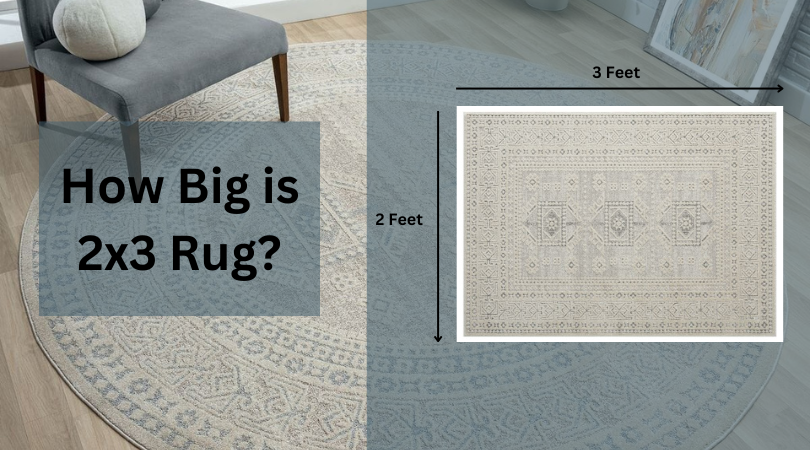
Rectangular rugs are the most common shape. Measure the length and width of your space first.
Leave extra space on all sides for balance. Usually, 12 to 18 inches of floor shows around the rug.
- Measure the room length and width
- Decide how much floor to show around the rug
- Subtract the border space to get rug size
Round And Oval Rugs
Round and oval rugs need a different approach. Measure the diameter for round rugs.
For oval rugs, measure the longest length and the widest width. Add space around for better fit.
- For round rugs, measure straight across the center
- For oval rugs, measure length and width at the widest points
- Plan for extra space around the rug edges
Custom Shaped Rugs
Custom rugs have unique shapes like hexagons or freeform designs. Measure the widest and longest points.
Use paper or string to trace the shape on the floor. This helps see how the rug fits the space.
- Measure widest and longest parts of the rug
- Trace the rug shape on floor with string or paper
- Check if the traced shape fits the room well

Credit: www.dormtherapy.com
Common Measuring Mistakes
Measuring for an area rug seems simple but many make mistakes. These errors affect how the rug fits your space.
Knowing common measuring mistakes helps you avoid buying the wrong rug size. It improves your room’s look and feel.
Ignoring Traffic Flow
People often forget to consider how people walk through the room. A rug blocking paths causes discomfort and wear.
Measure the main walking areas and leave enough space for easy movement. Rugs should not block doorways or hallways.
- Measure clear paths in the room
- Choose a rug that fits without blocking walkways
- Keep enough space for doors to open freely
Overlooking Furniture Legs
Some people do not check where furniture legs sit in relation to the rug. This mistake can make the room look unbalanced.
Measure with furniture in place. Decide if all legs or just front legs will be on the rug. This affects rug size.
- Measure furniture width and length
- Check if legs fit on the rug edges
- Plan rug size to include furniture legs properly
Choosing Rugs Too Small Or Large
Rugs that are too small or large can make a room look awkward. Too small rugs feel lost, too large rugs crowd the space.
Measure your room carefully. Compare rug sizes to your room dimensions and furniture layout before buying.
- Measure room length and width
- Match rug size to furniture arrangement
- Leave some floor space around the rug edges
Finalizing Your Rug Choice
Choosing the right rug size is important for your space. Measuring carefully helps you pick a rug that fits well.
Use simple tools and clear steps to see how the rug will look. This helps avoid buying a rug that is too big or small.
Visualizing With Tape Or Paper
Use painter’s tape or paper to mark the rug size on your floor. This shows the exact area the rug will cover.
Cut paper to the rug’s dimensions or outline with tape. Walk around to check if the size fits your room and furniture.
- Use painter’s tape for easy removal
- Place paper shapes to match rug size
- Move furniture around the marked area
- Check for clear walking paths
Ordering The Rug
After measuring, choose a rug that matches your room’s style and size. Confirm the exact measurements before ordering.
Look for rugs with clear size details. If possible, order a rug sample or check return policies in case it does not fit well.
- Double-check the rug dimensions
- Note the rug’s shape and pattern
- Review return and exchange options
- Confirm delivery times and costs
Placement And Adjustment Tips
Place the rug carefully in your room. Center it with furniture to create balance and harmony.
Adjust the rug if needed. Small changes can improve the room’s look and make walking paths clear.
- Keep rug edges straight with walls
- Ensure furniture legs sit on the rug
- Leave enough space around the rug edges
- Use a rug pad to prevent slipping
Credit: boutiquerugs.com
Frequently Asked Questions
What Is The Standard Size For An Area Rug?
The standard size for an area rug varies based on the room. Common sizes include 5x8, 8x10, and 9x12 feet. For living rooms, choose a rug that fits under the furniture. In dining areas, ensure the rug extends beyond the table by at least 24 inches for chairs.
How Do I Measure My Room For A Rug?
To measure your room for a rug, start by measuring the length and width of the space. Decide where you'd like the rug to sit. Consider leaving 12 to 18 inches of bare floor around the rug's edges. This creates a balanced look in the room.
Should An Area Rug Cover The Entire Floor?
An area rug should not cover the entire floor. Ideally, leave a border of bare floor visible. This adds definition and highlights the rug as a focal point. A small border of 12 to 18 inches around the rug is generally recommended for a balanced appearance.
How Do I Choose The Right Rug Size?
Choose the right rug size by considering room dimensions and furniture layout. In living rooms, the rug should anchor seating arrangements. For dining rooms, ensure the rug extends beyond the table. In bedrooms, place the rug under the bed, leaving room on all sides.
Conclusion
Measuring an area rug is easier than it seems. Use a tape measure to find the length and width of your space. Think about how the rug fits with your furniture. Leave some space around the edges for balance. Take notes to avoid mistakes.
Choosing the right size makes your room look tidy and cozy. Take your time and measure twice. This simple step helps you pick the perfect rug every time.