Is your outdoor furniture looking worn out or broken? Don’t rush to buy new pieces just yet.
You can save money and bring your favorite chairs, tables, or benches back to life with simple repairs. Imagine enjoying your garden or patio with furniture that feels fresh and sturdy again. You’ll discover easy and effective ways to fix your outdoor furniture yourself.
Ready to make your outdoor space inviting and comfortable again? Let’s get started!
Assessing Damage
Before fixing outdoor furniture, check the damage carefully. This helps you know what repairs are needed.
Look closely at all parts to find problems. This saves time and ensures better results.
Identifying Common Issues
Outdoor furniture faces many problems from weather and use. Spotting these issues early helps you fix them easily.
Check for broken parts, loose joints, rust, and cracks. Also look for faded paint or torn fabric.
- Cracks or splits in wood or plastic
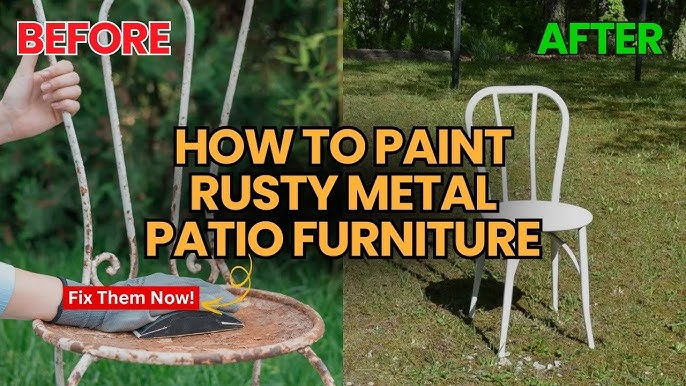
- Rust or corrosion on metal parts
- Loose screws or nails
- Faded or chipped paint
- Torn cushions or fabric
- Wobbly legs or frames
Evaluating Material Type
Know what material your furniture is made of. Different materials need different repair methods.
Wood, metal, plastic, and wicker each react differently to damage. Use the right tools and supplies for each.
- Wood: Check for rot, cracks, and splinters
- Metal: Look for rust and bent parts
- Plastic: Find cracks and discoloration
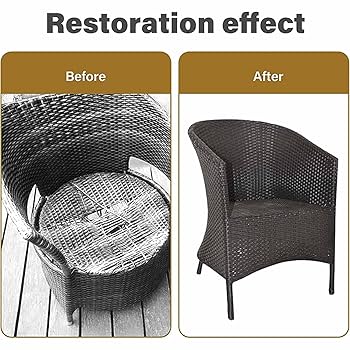
- Wicker: Inspect for broken or loose weaves
Cleaning Outdoor Furniture
Outdoor furniture gets dirty from dust, rain, and bird droppings. Cleaning it helps keep it strong and nice.
Regular cleaning stops damage and makes your furniture last longer in all weather conditions.
Removing Dirt And Grime
Use a soft brush or cloth to remove loose dirt and dust. This makes deep cleaning easier.
Rinse furniture with water before scrubbing to soften grime. Clean all corners and under seats.
- Brush off leaves and debris
- Rinse with garden hose or bucket
- Scrub gently with a soft brush
- Focus on joints and crevices
Using Safe Cleaning Solutions
Choose cleaning solutions that do not harm your furniture’s material. Avoid harsh chemicals that cause damage.
Mild soap mixed with water works well for most outdoor furniture. Test on a small spot first.
- Use mild dish soap and warm water
- Try vinegar and water for mildew
- Rinse thoroughly after cleaning
- Dry furniture with a soft cloth
Fixing Wooden Furniture
Outdoor wooden furniture can get damaged by weather and use. Fixing it helps keep it strong and good-looking.
Simple repairs can save money and extend the furniture's life. Follow easy steps to restore your wood pieces.
Sanding And Smoothing Surfaces
Start by sanding the wood to remove old paint or rough spots. Use sandpaper with a medium grit for best results.
Smooth the surface with fine grit sandpaper after the rough sanding. This prepares the wood for finishing.
- Use a sanding block or electric sander for even pressure
- Sand along the wood grain, not against it
- Wear a mask to avoid breathing dust
- Wipe the surface with a damp cloth after sanding
Filling Cracks And Holes
Check the wood for cracks and holes that could get worse. Fill them with wood filler or putty.
Apply the filler with a putty knife, pressing it into the cracks. Let it dry fully before sanding smooth.
- Choose filler that matches your wood color
- Remove loose wood debris before filling
- Sand the filled area to blend with the surface
- Repeat filling if cracks remain after sanding
Applying Stain Or Paint
Apply stain or paint to protect and beautify the wood. Use a brush or cloth for even coverage.
Let the stain or paint dry completely before adding a second coat. This helps the finish last longer.
- Choose stain or paint made for outdoor use
- Apply thin, even coats to avoid drips
- Follow the product instructions for drying times
- Seal with a clear outdoor finish for extra protection

Credit: serwalloutdoor.com
Repairing Metal Furniture
Metal outdoor furniture can last many years with proper care. Repairing it helps keep it strong and looking good.
Fixing metal furniture includes removing rust, touching up paint, and tightening loose parts. These tasks protect the metal and improve safety.
Removing Rust
Rust can damage metal furniture and make it weak. Removing rust stops it from spreading and keeps the metal safe.
Use a wire brush or sandpaper to scrub off rust spots. Clean the area well before painting.
- Wear gloves to protect your hands
- Scrub rust spots with a wire brush
- Sand rough areas smooth
- Wipe clean with a damp cloth
- Let dry completely before painting
Touching Up Paint
Paint protects metal from water and sun damage. Touch up paint helps stop rust and keeps furniture looking nice.
Use outdoor metal paint and apply thin coats. Let each coat dry before adding another.
- Choose paint made for metal and outdoors
- Use a small brush for detailed spots
- Apply thin and even coats
- Wait for paint to dry fully between coats
- Check for missed spots and cover them
Tightening Loose Parts
Loose screws or bolts make metal furniture unsafe. Tightening these parts keeps furniture steady and secure.
Check all joints, screws, and bolts. Use the right tools to tighten them without damaging the metal.
- Find a screwdriver or wrench that fits the hardware
- Check all screws, bolts, and nuts for looseness
- Tighten parts carefully but firmly
- Replace any missing or damaged hardware
- Test furniture stability after tightening
Restoring Plastic And Resin Pieces
Plastic and resin outdoor furniture can get dirty and damaged over time. Fixing these pieces can save money and keep them looking nice.
Simple cleaning and repairs help extend the life of your furniture. This guide shows how to clean stains and fix cracks and breaks.
Cleaning Stains
Stains on plastic and resin furniture come from dirt, food, and weather. Cleaning them is the first step in restoration.
Use mild soap and warm water to wash the surface. A soft brush or cloth helps remove dirt without scratching.
- Mix mild dish soap with warm water
- Use a soft cloth or sponge to scrub stains
- Rinse with clean water
- Dry with a soft towel to avoid water spots
- For tough stains, try a mixture of baking soda and water
Fixing Cracks And Breaks
Cracks and breaks weaken the furniture and can get worse over time. Repairing them restores strength and usability.
Use plastic glue or epoxy made for outdoor use. Clean the area before applying the adhesive for better bonding.
- Clean the cracked area and let it dry
- Apply plastic glue or epoxy carefully on the crack
- Press the parts together and hold firmly
- Let the glue dry as per instructions (usually 24 hours)
- Sand the repaired spot gently to smooth rough edges
Replacing Hardware And Cushions
Outdoor furniture often needs repairs to stay comfortable and safe. Two common repairs are replacing hardware and cushions.
Fixing these parts can make old furniture look and feel new again. It also helps protect your investment from weather damage.
Choosing Suitable Replacements
Pick hardware made for outdoor use. Look for rust-resistant materials like stainless steel or brass.
Choose cushions with water-resistant fabric and quick-dry foam. This prevents mold and mildew.
- Check the size and style of original hardware
- Match cushion size and shape to your furniture
- Pick colors and patterns that fit your outdoor space
- Consider UV protection for fabrics
Installing New Parts
Remove old hardware carefully to avoid damage. Use tools like screwdrivers or pliers as needed.
Attach new hardware firmly and test stability. Replace cushions by sliding them into place or securing them with ties.
- Clean the furniture before installing new parts
- Tighten screws and bolts properly
- Use weatherproof glue if needed for cushions
- Test for comfort and safety after installation
Protecting Furniture For Longevity
Outdoor furniture faces sun, rain, and wind every day. These elements can damage the furniture over time. Protecting your furniture helps it last longer and look better.
Simple steps like using sealants and covers keep your furniture safe. Regular care also stops small problems from growing.
Applying Sealants And Covers
Sealants create a strong layer that stops water and dirt from getting in. They also protect wood and metal from weather damage. Use the right sealant for your furniture material.
Covers block dust, rain, and sun when furniture is not in use. Choose covers that fit well and are made for outdoor use. This helps keep your furniture dry and clean.
- Apply sealants in dry weather for best results
- Use waterproof covers with ventilation
- Check covers for holes or tears often
Regular Maintenance Tips
Check your furniture regularly for signs of damage. Clean dirt and debris to prevent stains and rot. Tighten screws and fix loose parts to keep furniture safe.
Store cushions and pillows indoors during bad weather. This keeps them dry and mold-free. Small repairs done early save money and effort later.
- Clean furniture with mild soap and water
- Dry furniture completely before covering
- Replace broken parts quickly
- Store cushions in a dry place

Credit: www.sunnilandpatio.com

Credit: www.youtube.com
Frequently Asked Questions
How Do I Fix Broken Outdoor Chair Slats?
To fix broken outdoor chair slats, first remove the damaged slats. Replace them with new ones of the same size and material. Secure them using weather-resistant screws or adhesive. Sand and finish the new slats to match the existing ones for a seamless look.
Can Rusted Metal Furniture Be Repaired?
Yes, rusted metal furniture can be repaired. Begin by sanding away the rust using sandpaper or a wire brush. Apply a rust-inhibiting primer, then repaint with a suitable metal paint. Ensure the paint is weather-resistant to prevent future rusting, thus prolonging the furniture's life.
What Materials Are Best For Outdoor Furniture Repairs?
For outdoor furniture repairs, use weather-resistant materials. Teak and cedar are excellent for wood repairs due to their durability. For metal repairs, stainless steel or aluminum are good choices. Always opt for UV-resistant finishes and sealants to protect against weather elements and prolong the life of your furniture.
How Do I Repair Wicker Furniture?
To repair wicker furniture, replace damaged weaves using matching wicker fibers. Soak the new fibers in water to increase flexibility. Weave them into the existing pattern, securing loose ends with glue. Allow it to dry completely. This method restores the furniture's appearance and maintains its structural integrity.
Conclusion
Repairing outdoor furniture saves money and extends its life. Small fixes can stop bigger problems fast. Clean and protect your furniture to keep it strong. Use simple tools and materials for easy repairs. Regular care makes your outdoor space look fresh and inviting.
Keep checking for damage before it gets worse. Enjoy your repaired furniture for many seasons ahead.