Are you wondering how long your memory foam mattress will truly last? You’ve invested in comfort and support, so it’s important to know when it’s time to replace it.
Keeping an old mattress too long can affect your sleep quality and even your health. You’ll discover the key signs that tell you when your memory foam mattress has reached the end of its lifespan—and what you can do to get the best rest every night.
Keep reading to protect your sleep and make the most of your mattress investment.

Credit: sleepopolis.com
Lifespan Of Memory Foam Mattresses
Memory foam mattresses offer good comfort and support. Many people wonder how long they can use these mattresses.
Knowing the lifespan helps you plan when to replace your mattress. It keeps your sleep healthy and comfortable.
Typical Durability Span
Most memory foam mattresses last about 7 to 10 years. This depends on the mattress quality and use.
Some mattresses may wear out sooner if they are low quality or used heavily. High-quality foam lasts longer.
- Average lifespan: 7 to 10 years
- High-quality foam may last over 10 years
- Lower quality foam may last less than 7 years
Factors Influencing Longevity
Several things affect how long your memory foam mattress lasts. These include usage, care, and environment.
Proper care and use can extend mattress life. Poor care and heavy use shorten it.
- Weight and Sleep Position:Heavier people or those who sleep in one position more may wear the mattress faster.
- Quality of Foam:Higher density foam lasts longer and supports better.
- Use of Mattress Protector:Protectors keep the mattress clean and dry, preventing damage.
- Cleaning and Maintenance:Regular cleaning helps remove dirt and moisture that cause wear.
- Room Temperature and Humidity:Extreme heat or moisture can break down foam faster.
Signs To Replace Your Mattress
A memory foam mattress can last many years, but it won't last forever. Knowing when to replace it helps you sleep better. Watch for clear signs that your mattress is worn out.
Some signs show your mattress no longer supports your body well. Others affect your health or comfort. Check your mattress regularly for these issues.
Visible Wear And Tear
Look closely at your mattress surface. Small holes, tears, or cracks mean the foam is breaking down. The cover might also look faded or stained.
Worn-out foam can lose its shape. You may see lumps or flat spots. These signs mean the mattress cannot support you properly.
- Rips or tears in the mattress cover
- Cracks or holes in the foam
- Lumps or uneven surfaces
- Discoloration or stains
Loss Of Support And Comfort
Your mattress should keep your body aligned and comfortable. If you wake up with aches or pains, it may be losing support. Sinking too deep or feeling hard spots are warning signs.
Memory foam loses its shape over time. It may not bounce back or hold your weight well. This affects how well you rest and recover overnight.
- Waking up with back or neck pain
- Feeling pressure points on hips or shoulders
- Mattress feels too soft or too firm
- Foam does not bounce back after pressing
Increased Allergies Or Odors
Old mattresses can collect dust, mold, and allergens. These can cause sneezing, coughing, or skin irritation. A musty or strange smell also means it’s time to change your mattress.
Memory foam can trap moisture inside. This creates a good place for bacteria and dust mites. Regular cleaning helps but cannot fix an old mattress completely.
- More allergy or asthma symptoms in bed
- Bad or moldy smells from the mattress
- Visible dust or mold spots
- Skin irritation after sleeping
Care Tips To Extend Mattress Life
Memory foam mattresses can last many years with proper care. Taking steps to maintain your mattress helps keep it comfortable and supportive.
Follow simple care tips to extend the life of your memory foam mattress. Regular attention can prevent damage and wear.
Regular Cleaning And Maintenance
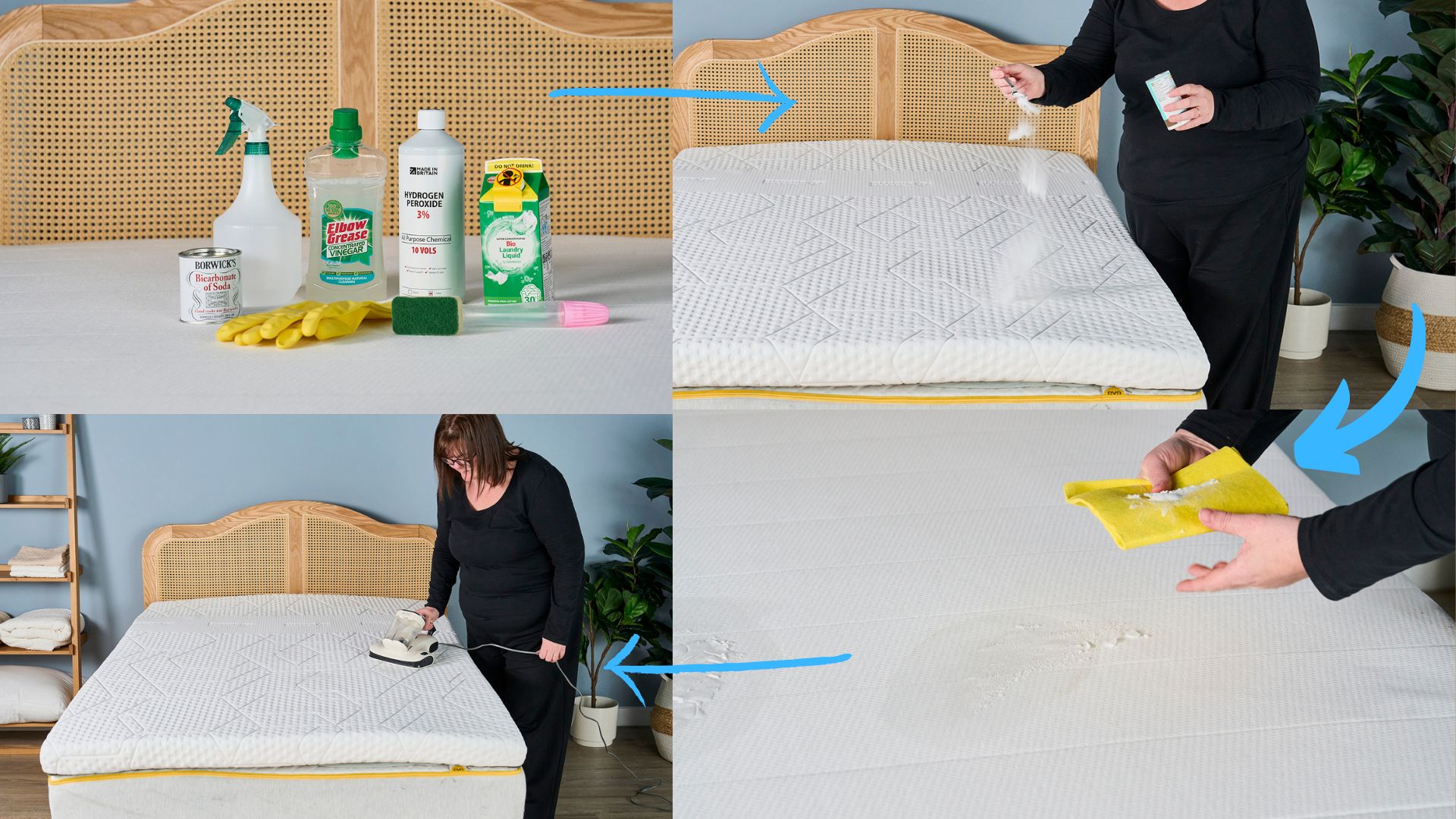
Clean your mattress often to remove dust and allergens. Use a vacuum with a soft brush to clean the surface gently.
Spot clean stains with mild soap and water. Avoid soaking the mattress to prevent mold growth.
- Vacuum mattress every 1-2 months
- Use a mattress protector to avoid spills
- Air out mattress by removing bedding regularly
- Clean stains promptly with gentle cleaners
Proper Support And Frame Use
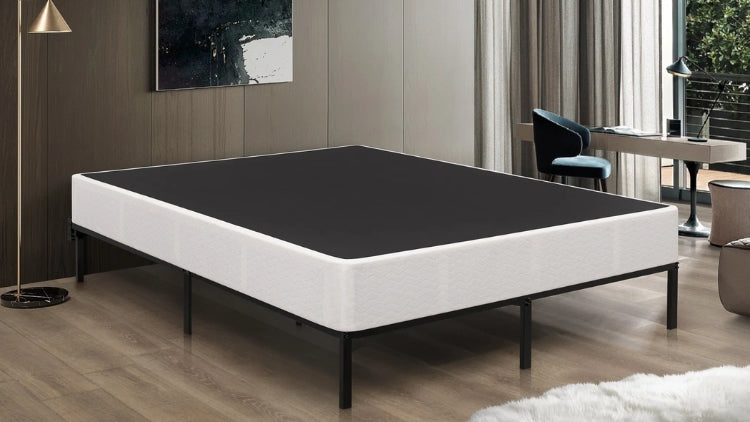
Memory foam needs a solid, flat base for the best support. Use a sturdy frame or platform to hold the mattress evenly.
A weak or uneven frame can cause the mattress to sag or wear out faster. Avoid placing the mattress directly on the floor.
- Use a solid platform or slatted bed frame
- Ensure slats are close together (less than 3 inches apart)
- Check frame for damage or warping regularly
- Avoid box springs not designed for memory foam
Rotating And Flipping Practices
Rotate your mattress every 3-6 months to even out wear. This helps prevent sagging in certain areas.
Most memory foam mattresses do not require flipping. Check the mattress design before flipping to avoid damage.
- Rotate mattress 180 degrees regularly
- Flip only if mattress is double-sided
- Follow manufacturer instructions on flipping
- Use rotation to reduce body impression spots
Comparing Memory Foam With Other Mattresses
Memory foam mattresses feel different from other mattress types. People choose them for comfort and support. It helps to know how long they last compared to others.
This guide looks at durability and comfort differences between memory foam and other mattresses. It helps you decide when to replace your mattress.
Durability Differences
Memory foam mattresses usually last 7 to 10 years. They keep their shape well over time. Other mattresses vary in how long they last.
Innerspring mattresses may wear out faster because springs can lose tension. Latex mattresses often last longer than memory foam. Hybrid mattresses combine features and durability varies.
- Memory foam: 7–10 years
- Innerspring: 5–8 years
- Latex: 10–12 years
- Hybrid: 6–10 years
Comfort And Support Variations
Memory foam adapts to your body shape. It offers good pressure relief and support. Other mattresses feel different and offer varied support.
Innerspring mattresses give a bouncier feel but less contouring. Latex is firm yet responsive. Hybrid mattresses mix foam and springs for balanced comfort.
- Memory foam: body contouring, pressure relief
- Innerspring: bouncy, less contouring
- Latex: firm, responsive support
- Hybrid: mixed comfort and support
Environmental And Health Considerations
Memory foam mattresses last many years but need care when old. Keeping them too long can affect health and the environment.
Knowing when to replace and how to recycle helps you stay safe and protect nature.
Recycling Old Mattresses
Memory foam mattresses contain materials that do not break down easily. Throwing them in the trash adds to landfill waste.
Many parts of old mattresses can be recycled, such as foam, metal springs, and fabric. Recycling reduces pollution and saves resources.
- Foam can be reused in carpet padding or cushions
- Metal springs can be melted and made into new products
- Fabric covers can be processed into cleaning rags or insulation
Health Impact Of Worn Mattresses
Old memory foam mattresses may lose support and collect dust mites and allergens. This can cause allergies and breathing problems.
Worn mattresses can also cause poor sleep and body pain. It is important to replace them once they no longer provide comfort and support.

Credit: sleepopolis.com
When To Upgrade Your Mattress
Memory foam mattresses can last many years. But over time, they may lose comfort and support.
Knowing when to replace your mattress helps you sleep better and avoid pain.
Changes In Sleep Quality
If you wake up tired or with aches, your mattress may be worn out. It might not support your body well anymore.
Look for sagging, lumps, or areas that feel softer than before. These signs affect how well you rest.
- Frequent tossing and turning
- Morning stiffness or pain
- Feeling uncomfortable during the night
Personal Comfort Preferences
Your comfort needs can change over time. You might want a firmer or softer mattress as you age.
Try to match your mattress to your current sleep style and comfort preferences for better rest.
- Switch to firmer foam for more support
- Choose softer foam for pressure relief
- Consider mattress thickness and temperature control
Budget And Investment Timing
Memory foam mattresses are an investment. Plan your budget to replace it before problems get worse.
Replacing a mattress at the right time avoids extra costs from poor sleep and body pain.
- Set aside funds yearly for mattress replacement
- Look for sales or discounts
- Balance cost with quality and durability

Credit: naplab.com
Frequently Asked Questions
How Long Does A Memory Foam Mattress Last?
A memory foam mattress typically lasts 7 to 10 years. Its lifespan depends on quality, usage, and maintenance. Regularly rotating the mattress and using a protective cover can extend its life. Always follow the manufacturer's care instructions to ensure durability and comfort over time.
When Should You Replace Your Memory Foam Mattress?
Replace your memory foam mattress when it shows signs of wear, sagging, or discomfort. If you experience back pain or disturbed sleep, it might be time for a new one. Generally, replacing it every 8 to 10 years is recommended for optimal support and hygiene.
How Can You Extend Your Memory Foam Mattress Lifespan?
To extend your memory foam mattress's lifespan, use a mattress protector. Rotate it regularly and avoid jumping on it. Clean spills immediately to prevent damage. Following the manufacturer’s care instructions and ensuring proper support with a suitable bed frame can also help.
What Are Signs Your Mattress Needs Replacing?
Signs you need a new mattress include sagging, lumps, or discomfort. Waking up with aches or poor sleep quality are indicators too. If your mattress is over 10 years old, consider replacing it for improved comfort and support.
Conclusion
Memory foam mattresses usually last around 7 to 10 years. Check for sagging or lumps to know when to replace. A worn mattress can cause poor sleep and body pain. Keep it clean and rotate it often to extend life.
Trust your comfort and health to decide the right time. Good sleep matters, so choose wisely and rest well.