Is your bed frame creaking, wobbly, or showing signs of wear? You don’t have to replace it just yet.
Fixing your bed frame can save you money, time, and the hassle of shopping for a new one. In this guide, you’ll discover simple, step-by-step ways to repair your bed frame quickly and effectively. Whether it’s loose screws, broken slats, or a shaky headboard, you’ll learn how to bring stability and comfort back to your bed.
Keep reading, and take control of your bedroom’s comfort today.
Common Bed Frame Issues
Bed frames can face many problems over time. These problems can make your bed uncomfortable or unsafe.
Fixing common bed frame issues helps keep your bed strong and stable. This guide covers some usual problems.
Loose Joints
Loose joints happen when screws or bolts get weak or fall out. This makes the bed frame shaky and unsafe.
Tightening the screws or adding wood glue can fix loose joints. Check all connections regularly to avoid problems.
Broken Slats
Slats support the mattress. Broken slats can cause the mattress to sag or feel uneven.
Replace broken slats with new wood pieces of the same size. Use screws to secure them firmly in place.
Wobbly Legs
Wobbly legs make the bed unstable. This often happens when legs loosen or the floor is uneven.
Check if the legs are tight. Use furniture pads or levelers to fix uneven floors and stop wobbling.
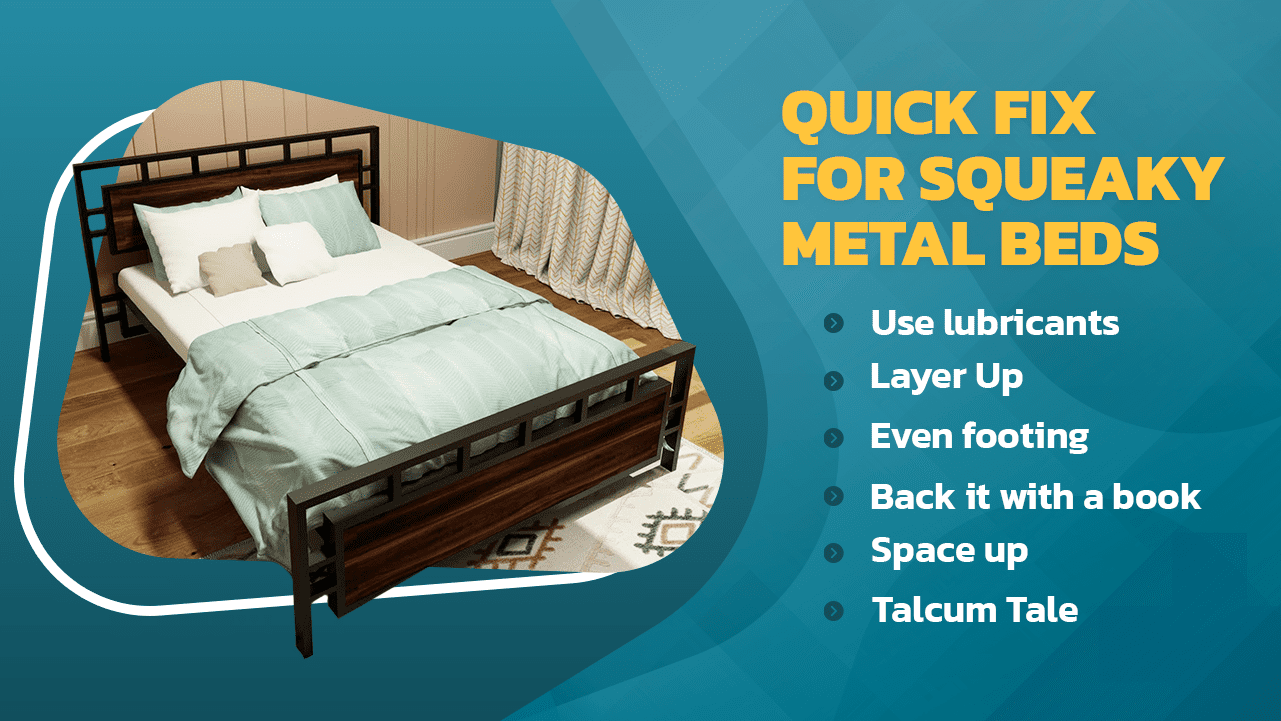
Squeaky Noises
Squeaks come from friction between bed parts. Dust and dry joints can make noises worse.
Apply lubricant like WD-40 to joints and screws. Tighten loose parts to reduce or stop squeaking sounds.

Credit: www.reddit.com
Tools And Materials Needed
Repairing a bed frame requires some basic tools and materials. Having the right items makes the job easier and faster.
Below are the main categories of tools and parts you will need for most bed frame repairs.
Basic Tools
These tools help you take apart and put back together the bed frame. They are common in most toolboxes.
- Screwdrivers (Phillips and flathead)
- Hammer
- Wrench or adjustable spanner
- Measuring tape
- Rubber mallet
- Allen keys (hex wrenches)
- Power drill (optional but helpful)
Replacement Parts
Old or broken parts may need to be replaced. Having these parts ready saves time during repair.
- Wooden slats or boards
- Metal brackets or corner braces
- Screws and bolts matching the frame
- Wood blocks or shims for support
- Plastic or rubber feet
Adhesives And Fasteners
Strong adhesives and fasteners keep the bed frame sturdy. Use the right type for your bed’s material.
- Wood glue for wooden frames
- Epoxy glue for metal parts
- Wood screws in different sizes
- Machine screws and nuts
- Washers to prevent damage
- Finish nails for small fixes
Fixing Loose Joints
Loose joints in a bed frame can cause noise and instability. Fixing them helps keep your bed safe and strong.
There are simple ways to repair loose joints. You can tighten screws, use wood glue, or add corner brackets.
Tightening Screws And Bolts
Check all screws and bolts on your bed frame. Use a screwdriver or wrench to tighten any that are loose.
Do not overtighten screws. Tight screws hold the frame parts together firmly and stop movement.
Using Wood Glue
Wood glue can fix joints that are loose because of worn wood. Apply glue to the joint surfaces.
Clamp the parts together until the glue dries. This creates a strong bond and stops wobbling.
Adding Corner Brackets
Corner brackets add extra support to bed frame joints. Attach them inside the frame corners using screws.
Brackets help keep the frame square and reduce joint movement over time.

Credit: www.youtube.com
Repairing Broken Slats
Bed slats hold up your mattress and provide support. Broken slats can cause discomfort and damage.
Fixing broken slats is important to keep your bed strong and safe. This guide will help you repair them.
Assessing Damage
Look at all the slats to find broken or cracked pieces. Check if they are loose or warped.
Also, see if the bed frame itself is stable. Sometimes the frame causes slats to break.
- Find slats with cracks or splits
- Check if slats move or wobble
- Inspect the frame for loose joints
Replacing Slats
Remove the broken slats carefully from the frame. Measure their size to find new ones.
Use wood or metal slats of the same length and width for best support. Install them firmly.
- Measure length, width, and thickness of old slats
- Buy new slats of the same size and material
- Place new slats evenly across the frame
- Screw or nail slats for extra strength
Reinforcing With Support Beams
Add extra support beams under the slats for more strength. This prevents future breaks.
Support beams run across the frame and hold the slats in place. Use strong wood or metal beams.
- Cut support beams to fit the bed frame width
- Place beams under slats evenly along the frame
- Secure beams with screws or brackets
- Check if the bed feels more stable
Stabilizing Wobbly Legs
Wobbly legs make your bed frame unsafe and uncomfortable. Fixing them helps keep your bed steady and strong.
There are easy ways to stabilize the legs. You can check the attachments, add braces, or use floor pads.
Checking Leg Attachments
Loose screws or bolts cause legs to wobble. Check each leg where it connects to the frame.
Tighten any loose screws with a screwdriver or wrench. Replace missing or damaged screws to secure the legs.
- Look for loose screws or bolts
- Tighten screws with the right tool
- Replace missing screws as needed
- Check for cracked or broken wood
Using Leg Braces
Leg braces add extra support to weak or broken legs. These braces attach between the legs and the frame.
Metal or wooden braces can be used. They help hold legs in place and stop wobbling.
- Choose a brace that fits your bed frame
- Attach braces with screws or bolts
- Check braces regularly for damage
Adding Floor Pads
Floor pads protect your floor and add grip to bed legs. They help prevent sliding and wobbling.
Use rubber or felt pads under each leg. Pads also reduce noise when moving the bed.
- Pick pads that fit the size of the legs
- Stick or screw pads to the bottom of legs
- Replace worn pads to keep stability
Eliminating Squeaks
Squeaky bed frames can disturb your sleep. Fixing them helps keep your bed quiet and stable.
Many noises come from loose or dry parts. You can fix these with simple tools and steps.
Lubricating Joints
Dry joints often cause squeaks. Lubricating them reduces friction and noise.
Use a small amount of oil or wax on all moving parts. Be careful not to over-apply.
- Apply oil to metal joints and screws
- Use candle wax or bar soap on wooden joints
- Check for areas where parts rub together
- Wipe off extra lubricant to avoid mess
Tightening Loose Parts
Loose screws and bolts create noise and wobble. Tightening them improves bed stability.
Inspect all joints and fasteners. Use a screwdriver or wrench to tighten any loose parts.
- Check screws on side rails and slats
- Tighten bolts connecting legs and frame
- Look for missing or stripped screws
- Replace damaged screws with new ones
Replacing Worn Components
Old or broken parts cause noise and weak support. Replace these to stop squeaks.
Look for cracked wood, bent metal, or worn-out fasteners. Swap damaged parts with new ones.
- Replace cracked slats or broken side rails
- Swap out bent brackets or metal supports
- Use new screws or bolts if old ones fail
- Buy parts that fit your bed frame model
Preventive Maintenance Tips
Keeping your bed frame in good shape helps it last longer. Simple care prevents damage and costly repairs.
Use these tips to maintain your bed frame and avoid common problems.
Regular Inspections
Check your bed frame often for loose screws or cracks. Early fixes stop bigger issues later.
Look under the bed and at joints where parts connect. Tighten any loose bolts or nuts you find.
- Inspect the frame every 3 months
- Listen for creaking sounds
- Check for broken or bent parts
- Tighten hardware as needed
Proper Assembly Techniques
Follow the instructions carefully when putting your bed frame together. Wrong assembly can cause damage.
Use the right tools and do not force parts. Make sure screws and bolts fit tightly but are not over-tightened.
- Read the manual before starting
- Use a screwdriver or wrench for tight fitting
- Align parts before tightening hardware
- Do not mix hardware from different sets
Weight Distribution Advice
Spread weight evenly on the bed frame to avoid stress on one area. This helps keep the frame stable.
Avoid jumping or standing on the bed. Heavy weight in one spot can cause cracks or breaks.
- Place mattress and box spring evenly
- Use center support legs if available
- Do not overload the bed frame
- Keep pets and children off the bed if heavy

Credit: m.youtube.com
Frequently Asked Questions
How Do I Fix A Wobbly Bed Frame?
To fix a wobbly bed frame, tighten all screws and bolts. Check for any missing hardware. Use wood glue for loose joints. Consider adding corner braces for extra stability. Regularly inspect the bed frame to maintain its sturdiness.
What Tools Are Needed For Bed Frame Repair?
You'll need basic tools like a screwdriver, wrench, and hammer. A drill might be necessary for reinforcing joints. Wood glue and clamps can help with securing loose parts. Always have extra screws and bolts on hand for replacements.
How Can I Repair A Broken Bed Slat?
To repair a broken bed slat, first remove it from the frame. Use wood glue to bond the broken pieces. Reinforce with a small piece of wood across the break. Secure with clamps until the glue dries. Replace the slat in the frame once it's fully repaired.
Can I Replace Bed Frame Hardware Myself?
Yes, you can replace bed frame hardware yourself. Identify the type of hardware required. Purchase compatible screws, nuts, or bolts. Use appropriate tools like a screwdriver or wrench for replacement. Ensure all components are securely fastened for a stable bed frame.
Conclusion
Repairing a bed frame can save money and extend its life. Small fixes often stop bigger problems fast. Using basic tools and simple steps helps anyone do it. Check the frame regularly to catch issues early. A strong bed frame supports good sleep and comfort.
Try these tips and enjoy a sturdy bed again. Don’t wait for breaks—fix the frame today. Your bed will thank you.