Are you wondering how to position your area rug in the living room for the best look and feel? The right placement can completely transform your space, making it cozy, stylish, and inviting.
But if your rug feels out of place or too small, it can throw off the entire room’s balance. You’ll discover simple, practical tips to position your area rug perfectly. By the end, you’ll know exactly how to create harmony between your furniture and rug, so your living room looks and feels just right.
Keep reading—you’re about to unlock the secret to a stunning living room setup!

Credit: www.slumberland.com
Choosing The Right Rug Size
Picking the right size rug is important for your living room. A rug can tie the room together and make it feel cozy.
Choosing the wrong size can make the space look awkward or cluttered. Measure your space and furniture first.
Measuring Your Living Room Space
Start by measuring the length and width of your living room floor. Use a tape measure for accuracy.
Write down these numbers. Also, note any furniture placement that affects the open floor area.
- Measure the floor space where the rug will go
- Note the walking paths and clearances
- Check space under furniture legs
Matching Rug Size To Furniture Layout
Choose a rug size that fits your furniture arrangement. The rug should frame the seating area well.
Make sure at least the front legs of furniture sit on the rug. This connects the pieces visually.
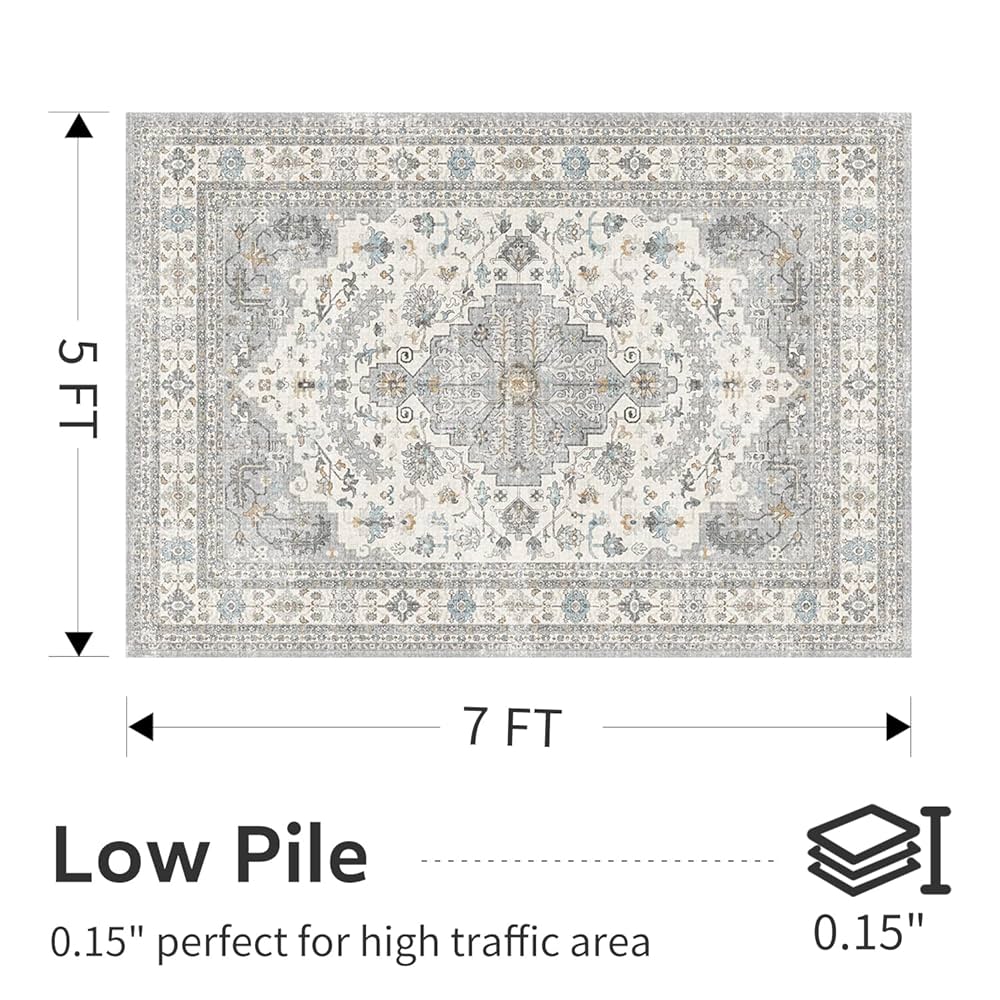
- For large sofas, use rugs at least 8x10 feet
- Smaller seating may need 5x8 feet rugs
- Leave some floor space visible around the rug edges
Placement Techniques For Different Layouts
Choosing the right spot for your area rug changes the look of your living room. Different layouts need different rug placements.
Rugs can help define spaces and bring furniture together. Here are common ways to place rugs in your living room.
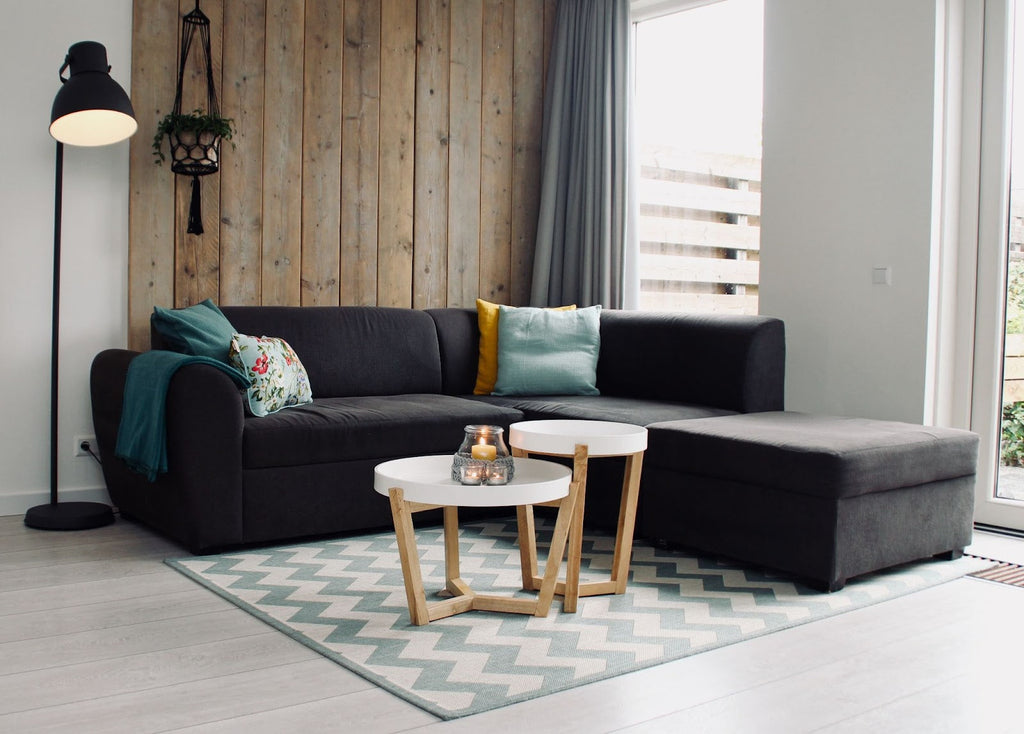
Anchoring With Front Legs On The Rug
This style places the front legs of sofas and chairs on the rug. The back legs stay off the rug.
This placement creates a clear boundary. It connects the furniture to the rug without covering the whole floor.
- Use rugs large enough for front legs only
- Works well in small or medium rooms
- Keeps the floor visible behind furniture
All Legs On The Rug Approach
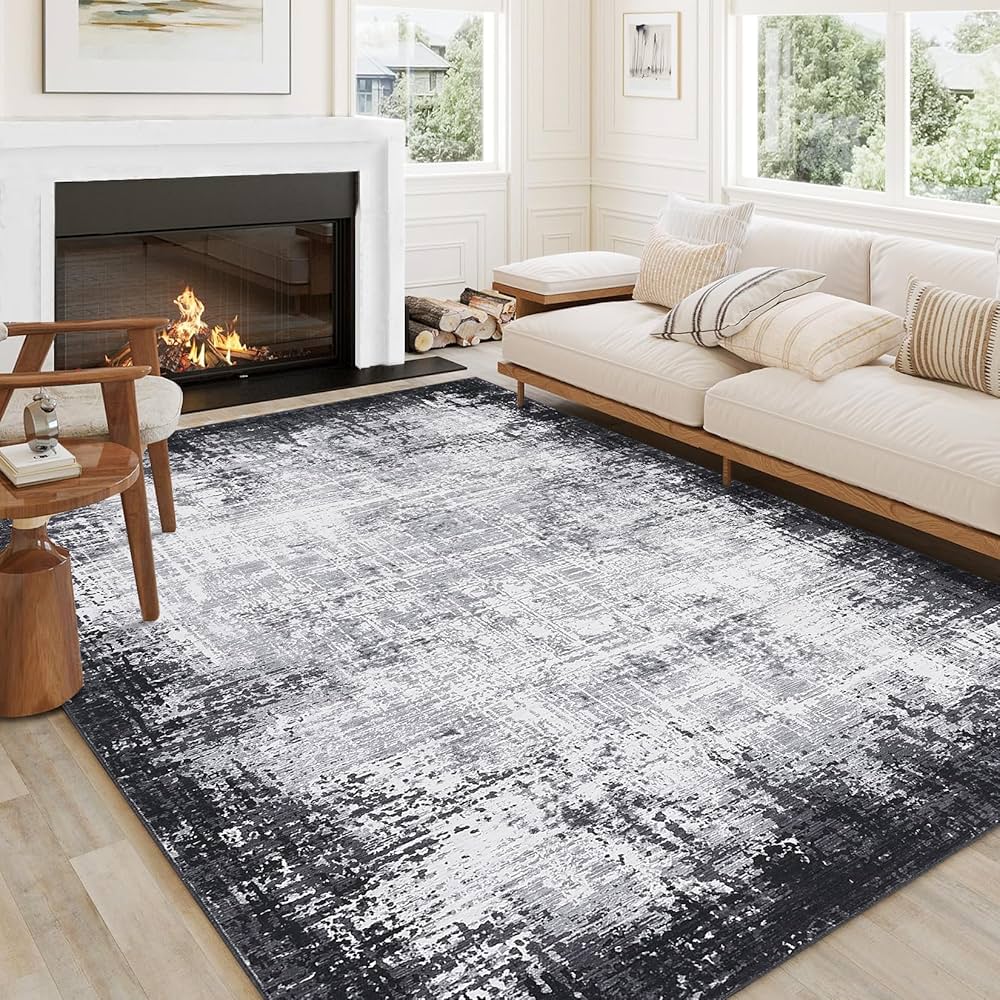
Place all legs of sofas and chairs completely on the rug. This creates a unified look.
This technique works best with larger rugs. It makes the area feel cozy and tied together.
- Choose a rug large enough for all furniture legs
- Ideal for bigger rooms and open layouts
- Helps define a seating area clearly
Floating Rug Placement
In this style, the rug sits in front of the furniture, not under any legs. It floats independently.
This placement works well with casual layouts. It adds color and texture without changing furniture arrangement.
- Use smaller rugs as accents
- Good for layering rugs or adding contrast
- Allows easy movement of furniture
Balancing Style And Function
Choosing the right spot for your area rug in the living room is important. It should look good and feel comfortable.
A well-placed rug brings the room together and adds warmth. Let’s explore how to balance style and function.
Creating Visual Harmony
Place the rug to match the size and shape of your furniture. This creates a balanced look in the room.
Make sure the rug fits well under key pieces like sofas and chairs. This ties the seating area together.
- Center the rug under the coffee table
- Keep at least the front legs of furniture on the rug
- Use a rug size that fits your room layout
Ensuring Comfort And Safety
Choose a rug with a soft texture to add comfort underfoot. A cozy rug makes the space inviting.
Use rug pads to keep the rug in place. This prevents slipping and protects your floor.
- Select a non-slip pad for safety
- Check that the rug edges lie flat
- Keep walkways clear around the rug
Credit: ruggallery.net
Choosing Colors And Patterns
Picking the right colors and patterns for your area rug can change the whole look of your living room. The rug should fit well with your furniture and walls.
Think about the mood you want to create. Soft colors make the room calm, while bright colors add energy.
Coordinating With Existing Decor
Match the rug colors with your furniture and wall colors to keep the room balanced. Use patterns that do not clash with curtains or cushions.
Choose rugs with subtle patterns if your furniture has bold designs. This keeps the space from looking too busy.
- Pick colors from your sofa or curtains
- Use a rug pattern that complements your cushions
- Soft or neutral colors work well with strong furniture colors
Using Rugs To Add Contrast Or Blend
A rug can either stand out or blend in with the room. If you want the rug to be a focus, pick bright colors or bold patterns.
To blend the rug with the room, choose colors that are similar to the walls or furniture. This makes the space feel bigger and more open.
- Bright rugs create a focal point in the room
- Neutral rugs make the space feel calm and large
- Mix patterns carefully to avoid clashing
Tips For Layering Rugs
Layering rugs adds style and warmth to your living room. It creates depth and interest on your floor.
Use different rugs to make your space cozy and inviting. Follow simple tips to layer them well.
Combining Textures And Sizes
Mixing textures brings contrast and charm to your rug layers. Soft and rough textures work well together.
Use rugs of different sizes to create balance. A large base rug with a smaller rug on top looks great.
- Pair a wool rug with a jute or sisal rug
- Place a patterned rug over a solid color rug
- Use a small rug to highlight seating areas
- Choose rugs that fit your room size
Avoiding Overcrowding The Space
Do not use too many rugs or patterns in one room. It can make your living room look messy.
Leave some floor space visible to keep the room open and fresh. Let rugs enhance, not clutter.
- Limit layering to two or three rugs
- Keep colors and patterns simple and matching
- Ensure furniture fits well on the rugs
- Keep walkways clear and easy to navigate
Maintenance And Durability
Choosing the right area rug for your living room means thinking about how to keep it clean. Durable rugs last longer and look good over time. Proper care helps maintain their beauty.
This guide covers how to select strong materials and easy ways to clean your rug. These tips help your rug stay fresh and durable in your living space.
Selecting Durable Materials
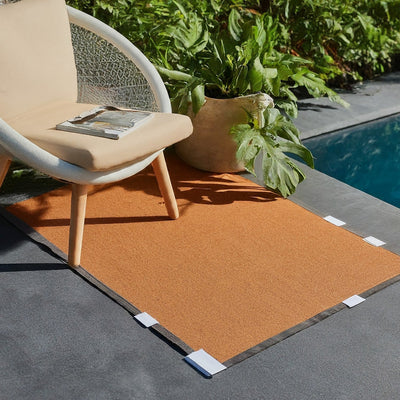
Pick rugs made from strong fibers that can handle foot traffic. Natural fibers like wool are tough and resist stains. Synthetic fibers like nylon and polypropylene are also good choices.
Look for rugs with tight weaves. These rugs hold up better over time. Avoid delicate materials in busy rooms to reduce wear and tear.
- Wool: Durable and naturally stain-resistant
- Nylon: Strong and easy to clean
- Polypropylene: Moisture-resistant and affordable
- Polyester: Soft and fade-resistant
Cleaning And Care Tips
Regular cleaning keeps your rug looking new. Vacuum your rug at least once a week to remove dirt. Spot clean spills right away to avoid stains.
Rotate the rug every few months. This helps wear evenly and prevents fading. Use rug pads to protect both the rug and your floor.
- Vacuum regularly to remove dust and dirt
- Blot spills quickly with a clean cloth
- Rotate rug to prevent uneven wear
- Use a rug pad to avoid slipping and damage
- Deep clean professionally every 12-18 months

Credit: www.reddit.com
Frequently Asked Questions
What Size Should An Area Rug Be?
An area rug should ideally fit under furniture and leave space around the edges. A common choice is an 8x10 rug for larger rooms. For smaller spaces, a 5x8 rug might be appropriate. Always measure your space before purchasing to ensure a good fit.
Should A Rug Be Centered In A Room?
Centering a rug can create a balanced look in your living room. Align it with your main furniture pieces. Ensure it extends under the front legs of your sofa and chairs. This setup helps define the seating area and adds harmony to the space.
Can A Rug Be Too Big For A Room?
Yes, a rug can overwhelm a room if it's too large. It should fit comfortably without touching all walls. Leave a border of flooring visible around the rug. This approach maintains visual balance and prevents the room from looking cramped or cluttered.
How Do I Choose A Rug Shape?
Choose a rug shape based on your room layout and furniture arrangement. Rectangular rugs suit most living rooms, while round rugs can soften angular spaces. Consider the flow of the room and how the shape complements your furniture arrangement.
Conclusion
Positioning an area rug can change your living room's feel and look. Choose the right size to fit your furniture and space. Keep rug edges under the front legs of sofas or chairs. Center the rug to create balance and harmony.
A well-placed rug adds warmth and style to your room. Try different layouts until it feels just right. A simple step that makes a big difference. Enjoy the cozy and inviting space you create.