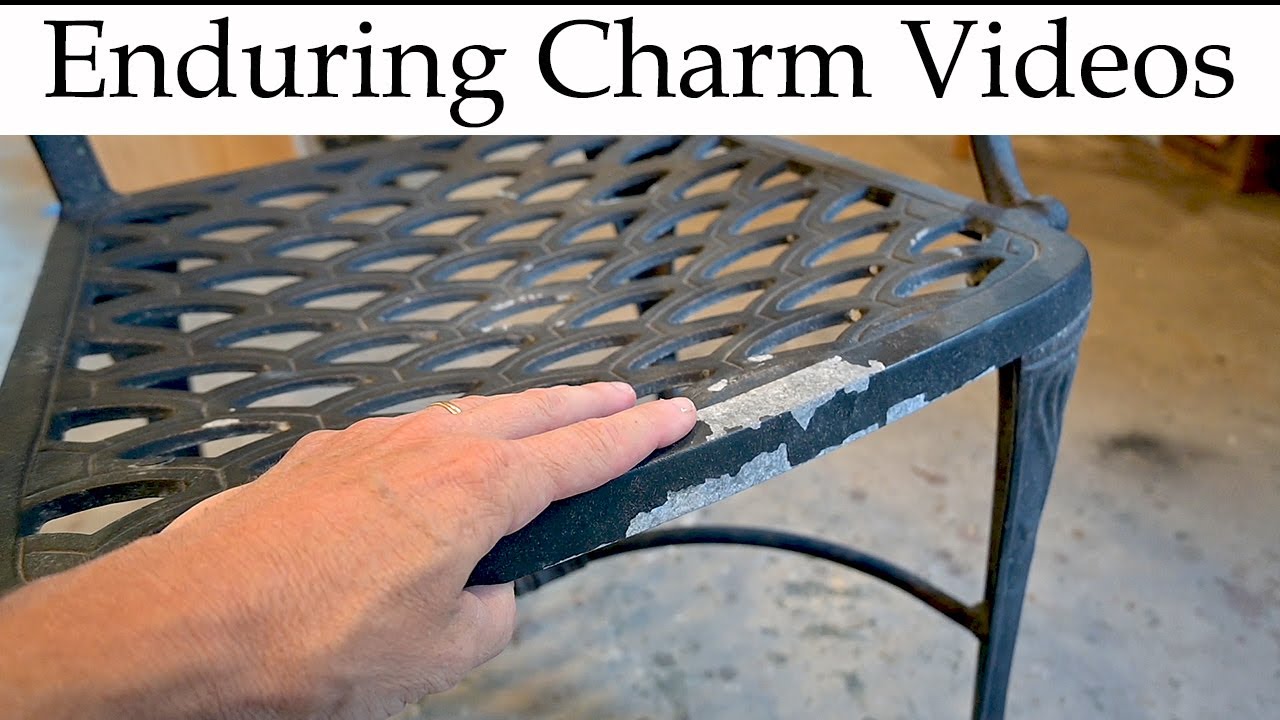
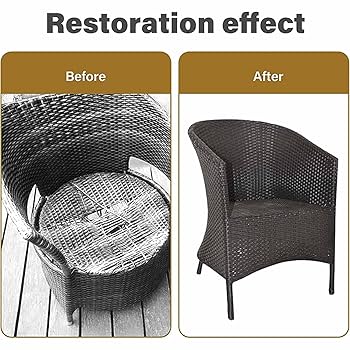
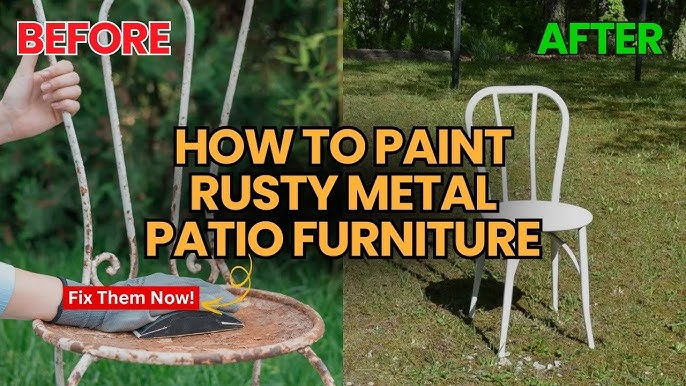
Is your metal garden furniture looking dull or rusty? You don’t have to replace it to bring back its charm.
With a little effort and the right steps, you can give your outdoor pieces a fresh, vibrant look that lasts. In this guide, you’ll discover simple, effective ways to repaint your metal furniture, making it look brand new again. Keep reading to learn how you can transform your garden space without spending a fortune or hiring a pro.
Your beautiful, refreshed furniture is just a few easy steps away!

Credit: www.reddit.com
Choosing The Right Paint
Painting metal garden furniture can refresh its look and protect it from rust. Picking the right paint is key to a lasting finish.
Different paints work best on metal surfaces. The right choice depends on your furniture type and where you use it.
Types Of Paint For Metal
Metal furniture needs paint that sticks well and resists weather. Some paints dry fast, others protect better.
- Oil-based Paint:Strong and durable, good for outdoor metal.
- Acrylic Paint:Water-based, easy to clean, and dries quickly.
- Spray Paint:Covers evenly and reaches small areas.
- Rust-resistant Paint:Contains special ingredients to stop rust.
Color Selection Tips
Choose colors that suit your garden style and furniture shape. Light colors show dirt less than dark colors.
Think about how the color looks in sunlight and shade. Test a small spot before painting all furniture.
- Pick colors that match your outdoor plants.
- Use bright colors for a lively garden look.
- Choose neutral colors for a classic style.
- Consider fading if your furniture faces strong sun.
Paint Finishes Explained
Paint finishes change how your furniture looks and feels. Some finishes shine, others look flat.
Pick a finish based on how much wear your furniture gets and how shiny you want it to be.
- Glossy Finish:Shiny and smooth. Easy to clean but shows scratches.
- Satin Finish:Soft shine, hides dirt and scratches well.
- Matte Finish:No shine, hides imperfections but harder to clean.
- Hammered Finish:Textured look that hides wear and tear.
Preparing The Furniture
Repainting metal garden furniture starts with good preparation. Proper preparation helps the paint last longer and look better.
This guide shows how to clean, sand, and protect the area before painting your metal furniture.
Cleaning And Removing Rust
First, clean the furniture to remove dirt and old paint flakes. Use soap and water with a brush or cloth. Let the furniture dry well.
Remove rust spots using a wire brush or rust remover. Rust can stop paint from sticking properly.
- Use a stiff wire brush to scrub rust
- Apply rust remover if needed
- Wash off residue and dry furniture
Sanding For Smoothness
Sanding the metal surface makes it smooth and helps paint stick better. Use medium-grit sandpaper for the job.
Sand all areas evenly, especially spots with rough paint or rust. Wipe away dust with a clean cloth afterward.
- Choose medium-grit sandpaper (80-120 grit)
- Sand in circular motions for even surface
- Clean dust off before painting
Protecting Surrounding Areas
Protect the ground and plants around your furniture. Use drop cloths or plastic sheets to catch paint drips and dust.
Cover nearby objects and surfaces to avoid accidental paint marks. This keeps the work area clean and safe.
- Lay drop cloths or plastic sheets under furniture
- Cover plants and nearby items with plastic
- Secure coverings with tape or weights
Priming The Surface
Priming metal garden furniture is an important step before painting. It helps the paint stick better and lasts longer.
A good primer also protects the metal from rust and damage. This guide covers how to choose and apply primer well.
Selecting The Best Primer
Choose a primer made for metal surfaces. It should stop rust and allow paint to stick firmly.
Look for primers labeled as rust-inhibiting or anti-corrosion. These keep your furniture safe outside.
- Oil-based primers work well on rusted metal
- Rust converter primers can stop active rust
- Water-based primers dry faster and have less odor
Applying Primer Correctly
Start by cleaning the furniture. Remove dirt, rust, and old paint with sandpaper or wire brushes.
Apply the primer in thin, even coats. Use a brush or spray for better coverage on all metal parts.
- Work in a well-ventilated area
- Wear gloves and a mask for safety
- Cover all surfaces, including edges and corners
- Avoid thick layers to prevent drips
Drying Time And Tips
Let the primer dry completely before painting. Drying times vary by type and weather conditions.
Check the primer label for exact drying times. Usually, it takes from 30 minutes to a few hours.
- Keep furniture in a dust-free area while drying
- Avoid touching the surface to prevent marks
- If needed, lightly sand the primer before painting for smoothness
- Do not rush to paint; wait until fully dry

Credit: www.youtube.com
Painting Techniques
Repainting metal garden furniture needs the right painting techniques. Good techniques help the paint last longer.
Using the correct tools and methods gives smooth and even paint coverage. This guide covers key painting tips.
Brush Vs Spray Painting
Brush painting is simple and works well for small areas or details. It lets you control the paint amount easily.
Spray painting covers large areas faster. It gives a smooth finish but needs practice to avoid mess.
- Brush painting suits small or detailed parts
- Spray painting is faster for big surfaces
- Brush can leave strokes; spray gives smooth finish
- Spray needs a well-ventilated space
Applying Even Coats
Apply thin layers of paint instead of one thick coat. Thin coats dry faster and look better.
Let each coat dry fully before adding the next. This prevents runs and helps build a strong finish.
- Use light, steady strokes for brush painting
- Keep spray can or gun moving constantly
- Wait at least 30 minutes between coats
- Check for missed spots before next coat
Avoiding Drips And Streaks
Hold the brush or spray tool at the right distance from the surface. Too close causes drips and streaks.
Use steady, even strokes. Avoid pressing hard with a brush, and keep spray moving at a steady pace.
- For brush, dip lightly and remove excess paint
- Spray from 8 to 12 inches away
- Apply paint in thin layers
- Check surface often to fix drips early
Finishing Touches
After repainting your metal garden furniture, the finishing touches protect your work. These steps help your furniture last longer outdoors.
Pay attention to sealing, curing, and maintenance. These keep the paint looking fresh and stop rust from forming.
Sealing For Durability
Apply a clear sealer to protect the paint from weather damage. It adds a strong layer that keeps moisture out.
Use a sealer made for outdoor metal surfaces. This will help prevent chips and fading over time.
- Choose a clear polyurethane or acrylic sealer
- Apply with a brush or spray for even coverage
- Let each coat dry fully before adding another
- Seal all parts, including hard-to-reach spots
Curing Time
Let your furniture cure fully before use. Curing makes the paint hard and durable.
Follow the paint and sealer instructions for curing time. Usually, it takes several days to a week.
- Keep the furniture in a dry, dust-free area
- Avoid touching or moving it during curing
- Check the paint is fully dry before use
- Longer curing means better paint strength
Maintenance Tips
Clean your metal furniture regularly to keep the paint fresh. Dirt and moisture can damage the finish over time.
Inspect the furniture often. Touch up any scratches or chips to stop rust from starting.
- Wipe with a damp cloth to remove dirt
- Use mild soap for tough stains
- Reapply sealer yearly for extra protection
- Store furniture indoors or cover during winter

Credit: roomfortuesday.com
Frequently Asked Questions
How Do I Prepare Metal Furniture For Repainting?
Start by cleaning the furniture with soapy water to remove dirt. Sand the surface to remove rust and old paint. Use a metal primer to ensure better paint adhesion. Finally, let the primer dry completely before applying the new paint.
What Type Of Paint Is Best For Metal Furniture?
Use oil-based or spray paint specifically designed for metal surfaces. These paints are durable and weather-resistant. They provide a smooth finish and protect against rust. Ensure the paint is suitable for outdoor use if the furniture will be outside.
Can I Paint Over Rust On Metal Furniture?
Yes, but it's best to remove rust first. Use a wire brush or sandpaper to scrub off rust. Apply a rust-inhibiting primer to prevent further corrosion. Then, paint over with a suitable metal paint for long-lasting protection.
How Many Coats Of Paint Should I Apply?
Apply at least two coats for optimal coverage and durability. Let each coat dry completely before applying the next. Multiple coats ensure better protection against weather and wear. Follow the paint manufacturer's instructions for best results.
Conclusion
Repainting metal garden furniture brings new life and charm. Clean and sand the surface well for better paint hold. Choose the right paint designed for metal to avoid peeling. Apply thin, even coats for a smooth finish. Let each layer dry completely before adding the next.
With some patience, your furniture will look fresh and strong. Enjoy your revitalized garden pieces for many seasons ahead. Simple steps lead to great results. Why wait? Start your project today!