Rust on your metal patio furniture can ruin its look and make your outdoor space feel neglected. You might think the only solution is to buy new pieces, but that’s not true.
You can bring back the shine and strength of your furniture with a few simple steps. Imagine enjoying your backyard again without worrying about flaky rust or weak spots. You’ll discover easy, effective ways to remove rust and protect your furniture so it lasts longer.
Keep reading to learn how to restore your patio furniture and make your outdoor area inviting once more.
Causes Of Rust On Patio Furniture
Rust forms on metal patio furniture when the metal reacts with water and oxygen. This reaction causes the metal to weaken and change color. Understanding why rust happens helps you protect your furniture.
Several common causes make patio furniture prone to rust. These include moisture exposure, lack of protective coatings, and environmental factors around your home.
Exposure To Moisture
Moisture is the main cause of rust on metal furniture. Rain, dew, and humidity all add water to the metal. When water stays on the surface, it starts the rusting process.
Even small amounts of moisture over time can damage the metal. This is why furniture left outside without cover often rusts quickly.
Lack Of Protective Coating
Metal furniture needs a protective coating to stop rust. Paint, powder coating, or sealants keep water away from the metal. Without these coatings, metal is more exposed to moisture.
Scratches or chips in the coating can also let rust start. This is because the bare metal underneath is open to air and water.
Environmental Factors
Certain environments make rust worse. Salt air near the ocean speeds up rust. Polluted air with chemicals can also harm metal surfaces.
Areas with high humidity or frequent rain cause metal to rust faster. Cold weather can cause ice to form, which cracks coatings and exposes metal.
- Coastal areas have salty air that increases rust
- Industrial areas may have chemicals that harm metal
- Wet climates keep metal moist longer
- Freezing temperatures damage protective layers
Tools And Materials Needed
Removing rust from metal patio furniture takes the right tools and materials. Proper supplies make the job easier and safer.
Here is a list of items you will need to clean rust effectively and protect your furniture.
Rust Removers And Cleaners
Rust removers help dissolve rust and clean metal surfaces. They come in liquid, gel, or powder forms.
Some common rust removers include vinegar, lemon juice, and commercial rust cleaners. These break down rust for easy removal.
- White vinegar
- Lemon juice
- Baking soda paste
- Commercial rust remover liquids or gels
Scrubbing Tools
Scrubbing tools help remove rust after applying cleaners. Choose tools that work well without damaging the metal.
Use brushes and pads to scrub off loosened rust and dirt. Different tools serve different cleaning needs.
- Wire brushes for heavy rust
- Steel wool pads for fine scrubbing
- Scouring pads for light rust
- Old toothbrush for tight spots
Protective Gear
Protective gear keeps you safe from chemicals and rust particles. Always wear the right gear before starting.
Gloves, eye protection, and masks help avoid skin irritation and inhaling dust or fumes.
- Rubber or latex gloves
- Safety goggles or glasses
- Dust mask or respirator
- Old clothes or apron
Manual Rust Removal Techniques
Rust can ruin the look of your metal patio furniture. Removing it by hand keeps your furniture strong and nice. There are simple ways to clean off rust without special tools.
These techniques use items you likely already have at home. They help bring back the shine and protect your furniture from more rust.
Using Sandpaper Or Steel Wool
Sandpaper and steel wool work well to scrape rust off metal surfaces. They wear down the rust until the metal is smooth again.
Start with a coarse grit sandpaper or steel wool. Rub the rusty areas gently but firmly. Switch to finer grit to smooth the surface after rust removal.
- Wear gloves to protect your hands.
- Use steady, circular motions for even sanding.
- Clean the dust off with a dry cloth after sanding.
- Apply a rust-resistant paint if needed.
Scrubbing With Baking Soda Paste
Baking soda is a mild abrasive that removes rust safely. Make a paste by mixing baking soda with water until thick.
Spread the paste on rusty spots and let it sit for 15 minutes. Use a brush or sponge to scrub the paste into the rust. Rinse with water and dry well.
- Use a soft brush to avoid scratching the metal.
- Repeat if rust remains after first cleaning.
- Dry furniture fully to stop new rust from forming.
Applying White Vinegar
White vinegar is acidic and dissolves rust effectively. Soak a cloth in vinegar and place it on the rusted area. Leave it for a few hours.
After soaking, scrub the area with a brush or steel wool. Rinse with water and dry completely. Vinegar helps remove rust without harsh chemicals.
- Use white vinegar, not flavored or colored types.
- Test on a small spot to check for damage.
- Use gloves to protect your skin from the acid.

Credit: www.yahoo.com
Chemical Rust Removers
Chemical rust removers help clean metal patio furniture fast. They dissolve rust and make cleaning easier.
These products are useful for heavy rust that scrubbing cannot fix. You must use them carefully to protect your furniture.
Choosing The Right Product
Pick a rust remover made for metal furniture. Check if it is safe for painted or coated surfaces.
Look for products that remove rust without harming metal. Some removers work better on light rust, others on heavy rust.
- Choose removers labeled for outdoor metal furniture
- Avoid harsh acids on delicate or painted metals
- Read product instructions and warnings carefully
Safe Application Methods
Wear gloves and eye protection before using rust removers. Work in a well-ventilated area outside if possible.
Apply the remover with a brush or cloth. Avoid splashing it on plants or skin. Follow the time recommended on the label.
- Use gloves to protect your hands
- Keep remover away from children and pets
- Apply evenly to rusted areas only
- Do not mix with other cleaning chemicals
Rinsing And Drying
Rinse the furniture well after rust removal. Use clean water to wash away any chemical residues.
Dry the furniture completely to prevent new rust from forming. Use a cloth or let it air dry in the sun.
- Rinse with plenty of water
- Wipe dry with a soft cloth
- Allow full air drying before use or storage
Preventing Future Rust
Rust can damage metal patio furniture and make it look old. Preventing rust helps keep your furniture strong and nice. Use simple ways to stop rust from coming back.
Taking care of your furniture regularly can save time and money. Follow these tips to keep rust away for a long time.
Applying Rust-resistant Paint
Rust-resistant paint adds a strong layer to metal surfaces. It stops water and air from reaching the metal. This helps prevent rust from forming again.
Before painting, clean the furniture well and remove any old rust. Use a brush or spray to apply the paint evenly. Let it dry completely for best results.
- Choose paint made for metal and rust protection
- Apply at least two coats for better coverage
- Paint in dry weather for proper drying
Regular Cleaning And Maintenance
Clean your metal furniture often to stop rust. Dirt and moisture can cause rust to grow. Wipe down the furniture with a damp cloth.
Check for small rust spots and fix them fast. Use sandpaper to remove rust and touch up with paint. This stops rust from spreading.
- Clean furniture at least once a month
- Use mild soap and water for cleaning
- Dry furniture fully after washing
Covering Furniture During Bad Weather
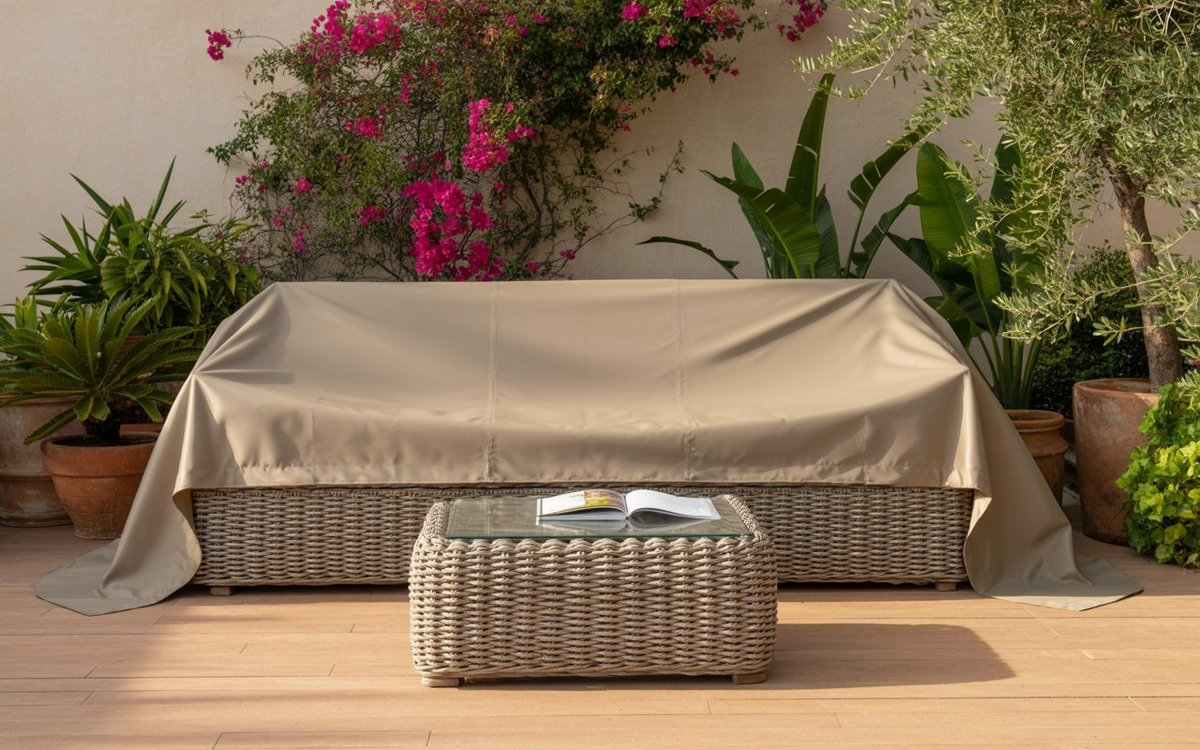
Cover your furniture when it rains or snows. Covers keep water and moisture off the metal. This reduces rust risk and keeps furniture dry.
Use breathable covers to avoid trapping moisture inside. Remove covers on sunny days to let the furniture air out. Store furniture indoors if possible during winter.
- Use waterproof, breathable covers
- Secure covers tightly to prevent wind damage
- Check covers regularly for holes or tears

Credit: www.yahoo.com
When To Replace Rusted Furniture
Rust can make metal patio furniture look old and worn. Some rust can be cleaned off. But sometimes, furniture needs to be replaced.
It is important to know when rust has caused too much damage. Replacing furniture can be safer and save money in the long run.
Assessing Structural Damage
Check the metal frame for deep rust spots. Surface rust is easy to fix. Deep rust can weaken the furniture.
If the metal feels soft or breaks easily, it means serious damage. Look for holes or cracks caused by rust. These signs show the furniture is unsafe.
- Tap the metal to check for weak spots
- Look for flaking or peeling metal
- Check joints and welds for rust damage
- Test if the furniture holds weight safely
Cost Vs. Repair Considerations
Fixing rust takes time and money. Sometimes, buying new furniture is cheaper. Consider the cost of tools, paint, and effort.
Think about how long repaired furniture will last. If rust returns quickly, replacement is better. New furniture often has warranties and longer life.
- Compare repair costs to new furniture prices
- Estimate time needed for sanding and painting
- Check if repaired furniture meets safety needs
- Consider future maintenance and rust prevention

Credit: www.youtube.com
Frequently Asked Questions
How Do I Start Removing Rust From Patio Furniture?
Begin by cleaning the furniture with soapy water. Use a wire brush or sandpaper to scrub off the rust. Rinse thoroughly and ensure the surface is dry before applying a rust remover or primer. Finally, repaint with a rust-resistant paint for added protection.
What Tools Are Best For Rust Removal?
Use a wire brush, sandpaper, or a power drill with a wire wheel attachment. These tools help effectively remove rust. For intricate areas, consider using a rust remover gel or spray. Always wear protective gloves and goggles for safety during the process.
Can Vinegar Remove Rust From Metal Furniture?
Yes, vinegar is an effective rust remover. Soak a cloth in vinegar and apply it to the rusted areas. Let it sit for several hours, then scrub with a brush. Rinse the furniture and dry it thoroughly to prevent further rusting.
Should I Repaint After Removing Rust?
Yes, repainting is recommended. After rust removal, apply a rust-resistant primer to the metal surface. Follow with a rust-resistant paint to protect and enhance the furniture's appearance. Repainting not only prevents future rust but also extends the furniture's lifespan.
Conclusion
Removing rust from metal patio furniture helps keep it strong and good-looking. Regular cleaning stops rust from coming back. Use simple tools and safe products for the best results. Rust does not have to ruin your outdoor space. A little care goes a long way.
Your patio can stay nice and ready for relaxing or fun times with friends. Start the process soon to enjoy rust-free furniture longer.